
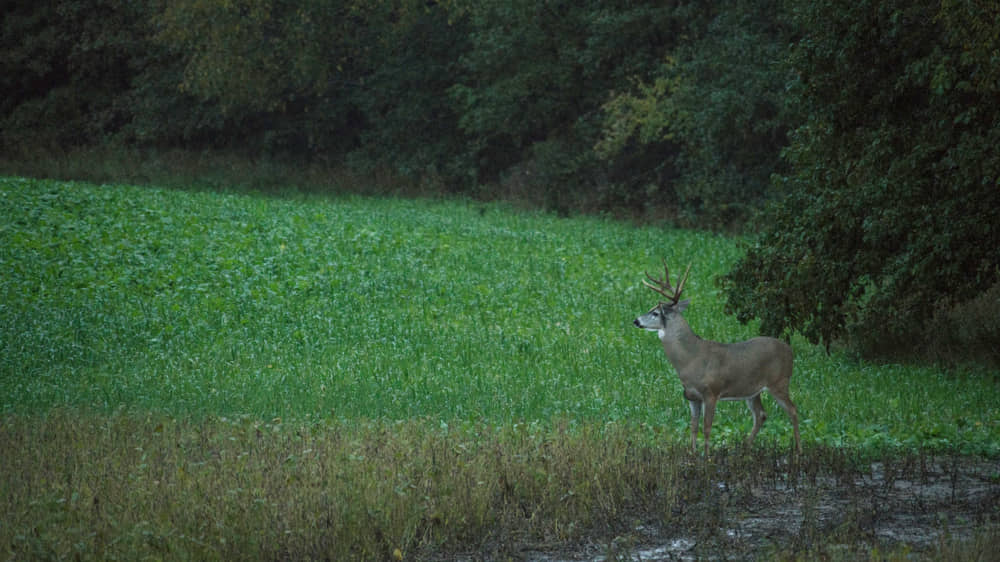
The best food plot mix for deer in fall combines cereal grains, brassicas, and legumes because this combination provides immediate attraction, consistent forage throughout hunting season, and reliable nutrition into winter. Oats and wheat establish quickly to attract deer during early fall, brassicas become more palatable after the first frosts, while clover or winter peas continue supplying high-quality protein as seasonal forage changes. Instead of relying on a single crop, a diversified seed mix creates a longer feeding window and reduces the risk of poor performance caused by weather, soil conditions, or heavy browsing pressure.
Choosing the right fall food plot mix depends on more than the seed label. Soil fertility, planting date, regional climate, plot size, and deer density all influence which forage species will thrive. A blend that produces exceptional results in the Midwest may underperform in the Deep South because rainfall patterns, frost dates, and growing seasons differ significantly. Likewise, small hunting plots often require highly attractive species that recover quickly from browsing, while larger destination plots benefit from high-yield forage capable of feeding deer well into late winter.
This guide explains which plants belong in the best fall deer food plot mix, how to match a seed blend to your property, when to plant for maximum forage production, and whether a commercial blend or a custom mix offers better value. By the end, you’ll know how to build a food plot that attracts deer throughout the fall while supporting herd health beyond hunting season.
What is the Best Food Plot Mix for Deer in Fall?
The best food plot mix for deer in fall contains three forage groups: cereal grains, brassicas, and legumes. Each group reaches peak productivity at a different time during the growing season, creating a continuous food source from early fall through winter. Instead of depending on a single crop, a diverse blend provides better attraction, higher nutritional value, and greater resilience against drought, frost, and heavy browsing.
Cereal grains form the foundation of most successful fall food plots because they germinate quickly and become attractive within a few weeks after planting. Species such as oats, winter wheat, cereal rye, and triticale produce tender green forage that deer readily consume during early archery season. These grasses also establish well in cooler temperatures and continue producing forage even after light frosts, making them one of the most dependable components of a fall seed mix.
Brassicas extend the food plot’s productivity into late fall and winter. Turnips, forage radishes, rape, and kale typically become more attractive after several frosts convert stored starches into sugars, improving their palatability. Besides producing nutrient-rich leaves, many brassicas develop large underground bulbs that provide an additional energy source when above-ground forage becomes limited. This seasonal shift helps maintain deer activity in the plot later in the hunting season.
Legumes complete the mix by increasing protein content and improving soil fertility. Perennial white clover, crimson clover, and Austrian winter peas supply highly digestible forage that supports body condition, antler recovery after the rut, and overall herd health. Because legumes fix atmospheric nitrogen, they also reduce fertilizer requirements and benefit neighboring grasses and brassicas throughout the growing season.
For most hunting properties, a balanced fall food plot mix outperforms a single-species planting. A blend containing approximately 40–50% cereal grains, 30–40% brassicas, and 15–25% legumes provides early attraction, sustained forage production, and improved nutritional diversity. The exact ratio should be adjusted according to soil quality, regional climate, planting date, and local deer density, but maintaining all three forage groups consistently delivers more reliable results than relying on one crop alone.
Which Plants Should Be Included in a Fall Deer Food Plot Mix?
A high-performing fall deer food plot mix should include cereal grains, brassicas, and legumes because each group provides forage at different stages of the season. Combining these plants extends the availability of quality forage, improves nutritional balance, and reduces the risk of food shortages caused by unfavorable weather or heavy grazing.
Cereal Grains
Cereal grains provide the fastest early-season attraction. Oats, winter wheat, cereal rye, and triticale germinate quickly when planted in late summer or early fall, often producing tender forage within two to four weeks. Their rapid establishment makes them especially valuable for hunters who want deer visiting food plots during the opening weeks of the season.
Each cereal grain offers a different advantage. Oats produce highly palatable forage but become less productive after prolonged freezing temperatures. Winter wheat remains attractive throughout much of the fall while tolerating moderate cold. Cereal rye is the most cold-hardy option and continues growing in poor soils where other grains struggle. Triticale combines many of the desirable characteristics of wheat and rye, producing high forage yields with improved disease resistance.
Brassicas
Brassicas become the primary food source during late fall and early winter. Common species include purple top turnips, forage radishes, dwarf Essex rape, and kale. These plants develop large leafy canopies during early growth before storing energy in bulbs and roots as temperatures decline.
Many hunters notice increased deer activity after the first few frosts. Cooler temperatures trigger physiological changes that increase sugar concentration within brassica leaves, making them more appealing to deer. At the same time, underground bulbs provide an additional food source when natural browse becomes scarce. This combination helps keep deer returning to the plot after neighboring agricultural fields have been harvested.
Legumes
Legumes improve both deer nutrition and long-term soil productivity. White clover, crimson clover, red clover, and Austrian winter peas supply highly digestible protein that supports body maintenance after the rut and promotes healthy growth before spring green-up.
Beyond their nutritional value, legumes naturally fix atmospheric nitrogen through symbiotic bacteria associated with their root systems. This process enriches the soil, reducing fertilizer requirements and supporting the growth of neighboring cereal grains and brassicas. For landowners managing permanent food plots, including legumes also improves soil structure and contributes to a more sustainable planting system over multiple growing seasons.
Recommended Fall Seed Mix
For most hunting properties, the following blend provides an excellent balance between attraction, nutrition, and seasonal persistence:
- 40–50% cereal grains (oats, winter wheat, cereal rye, or triticale)
- 30–40% brassicas (turnips, forage radishes, rape, and kale)
- 15–25% legumes (white clover, crimson clover, or Austrian winter peas)
This combination creates multiple feeding periods instead of a single peak. Cereal grains attract deer soon after germination, brassicas dominate during colder weather, and legumes continue supplying quality forage before dormancy and again as temperatures rise the following spring. The result is a food plot that remains productive for several months rather than only a few weeks.
Read more: The Best No-Till Drill For Food Plots: Attract and Help Deer Grow Now!
How Do You Choose the Best Fall Food Plot Mix for Your Property?
The best fall food plot mix depends on your property’s soil conditions, climate, plot size, deer population, and management goals. A seed blend that performs exceptionally well on fertile farmland may struggle on sandy soils or under heavy browsing pressure. Matching the mix to your property consistently produces better results than choosing the most popular commercial blend.
Match the Seed Mix to Your Soil
Soil quality is the first factor to evaluate before selecting any food plot mix. A soil test reveals pH, phosphorus, potassium, and organic matter levels, allowing you to correct deficiencies before planting. Most forage species used in deer food plots perform best in soil with a pH between 6.0 and 7.0, where nutrients remain readily available for root development.
Properties with fertile, well-drained soil can support a diverse blend of cereal grains, brassicas, and legumes. Poor or acidic soils often require more resilient species. Cereal rye is one of the most dependable options because it tolerates low fertility and drought better than oats or wheat. Brassicas also establish well after proper liming and fertilization, while clover requires adequate pH to maintain vigorous growth.
Improving soil conditions before planting often has a greater impact on forage production than purchasing a premium seed blend. Even the highest-quality seed cannot reach its potential if nutrients or soil pH limit root development.
Consider Your Regional Climate
Climate determines how long each forage species can grow before frost or winter dormancy. Northern states generally have shorter growing seasons, making planting dates more critical. Fast-establishing oats combined with brassicas provide dependable forage before freezing temperatures arrive, while cereal rye continues growing later into the season.
Southern regions benefit from longer falls and milder winters. Wheat, cereal rye, crimson clover, and winter peas often remain productive for several months, extending food availability well beyond the peak hunting season. Because frost arrives later, southern landowners usually have greater flexibility when scheduling planting dates.
Selecting species adapted to your local climate increases germination success and ensures forage remains available when deer need it most.
Adjust the Mix for Plot Size
Small hunting plots should prioritize attraction, while large destination plots should emphasize forage production. Small plots experience concentrated deer activity and heavy browsing, making fast-growing, highly palatable species more valuable. Oats, wheat, and forage radishes attract deer quickly and help maintain regular visits throughout early fall.
Large food plots can support a wider variety of forage species because grazing pressure is distributed across a greater area. Including more cereal rye, brassicas, and perennial clovers increases total forage production and extends the plot’s lifespan through winter and into the following spring.
Balancing attraction with forage yield helps prevent overgrazing while keeping deer consistently using the property.
Evaluate Deer Density and Hunting Goals
Deer population density should influence both seed selection and planting strategy. Areas with high deer numbers often require species that recover rapidly after repeated grazing. Cereal grains generally regenerate better than brassicas after browsing, making them an important component of heavily used plots.
Your management objective also matters. If the primary goal is attracting deer during archery season, emphasize fast-growing cereals that become attractive within weeks of planting. If the objective is supporting herd nutrition throughout winter, increase the proportion of brassicas and legumes to provide higher-quality forage after natural food sources decline.
Choosing a food plot mix around clear management goals creates a more effective planting plan than selecting seeds based solely on popularity or marketing claims.
When Should You Plant a Fall Food Plot for the Best Results?
The best time to plant a fall food plot is 30–60 days before your area’s average first frost. This planting window gives cereal grains, brassicas, and legumes enough time to establish healthy root systems while temperatures and soil moisture still support rapid growth. Planting too early can expose young plants to heat and drought stress, while planting too late often reduces germination, forage production, and winter survival.
The ideal planting date varies by region. In northern states, most fall food plots are planted from late July through August because the first frost arrives earlier. Midwestern properties generally achieve the best results between early August and early September. In southern states, where warm weather persists longer, planting often extends from September into October. Using your local average frost date is more reliable than following a national calendar because weather patterns differ significantly across North America.
Adequate soil moisture is just as important as planting date. Many experienced land managers wait for a forecast that includes steady rainfall before broadcasting seed. Moisture triggers uniform germination, improves seed-to-soil contact, and reduces the risk of seedlings drying out during the first week after planting. If irrigation is unavailable, delaying planting until favorable weather arrives often produces better results than seeding into dry ground.
Preparing the seedbed also influences establishment. Remove existing weeds, perform a soil test, apply lime and fertilizer according to recommendations, and create a firm seedbed before planting. Small seeds such as clover and brassicas should remain close to the soil surface, while larger cereal grains can be planted slightly deeper. Proper seed placement improves germination and helps create a more uniform stand across the entire plot.
How Much Seed Do You Need per Acre?
The correct seeding rate depends on the species included in the mix, planting method, and intended forage density. Applying too little seed creates thin food plots with poor weed suppression, while excessive seeding increases competition for sunlight, water, and nutrients, reducing overall forage production.
For most mixed fall food plots, the following seeding rates provide a balanced stand:
| Seed Type | Typical Seeding Rate per Acre |
|---|---|
| Oats | 40–60 lb |
| Winter wheat | 50–90 lb |
| Cereal rye | 40–80 lb |
| Triticale | 50–80 lb |
| Turnips | 2–5 lb |
| Forage radishes | 3–8 lb |
| Kale or rape | 2–4 lb |
| White clover | 3–5 lb |
| Crimson clover | 10–20 lb |
| Austrian winter peas | 20–40 lb |
These rates should be adjusted when species are combined into a single blend. For example, a mix containing oats, cereal rye, turnips, radishes, and clover requires lower amounts of each individual species than if each crop were planted alone. The objective is to give every plant sufficient space to establish without one species dominating the plot.
Planting method also affects seeding rates. Broadcast seedings generally require 10–20% more seed than drill planting because not every seed achieves good soil contact. No-till drills place seed at a consistent depth, improving germination and reducing seed waste, making them the preferred option whenever equipment is available.
Finally, adjust seeding rates to match deer density. Properties with heavy browsing pressure often benefit from slightly higher cereal grain rates because these species recover more quickly after grazing. On lightly hunted properties with moderate deer populations, standard seeding rates usually produce enough forage without creating unnecessary competition among plants.
Read more: When to Plant Turnips for Deer? The Facts You Need to Know
What Are the Most Common Mistakes When Planting a Fall Food Plot?
Most failed fall food plots result from poor planning rather than poor seed quality. Even premium seed mixes cannot compensate for incorrect planting dates, unhealthy soil, or inadequate site preparation. Avoiding a few common mistakes significantly increases forage production and keeps the plot attractive throughout the hunting season.
Planting at the Wrong Time
Planting outside the recommended window is one of the leading causes of poor food plot performance. Seed planted too early often encounters hot, dry conditions that reduce germination and increase weed competition. Seed planted too late has insufficient growing time before frost, producing shallow root systems and limited forage.
Instead of planting on a fixed calendar date, schedule planting around your local average first frost and upcoming rainfall. This approach gives seedlings favorable temperatures and enough moisture to establish quickly.
Skipping a Soil Test
A soil test is the most valuable investment before planting a food plot. Many landowners focus on selecting the perfect seed mix while overlooking soil fertility. Low pH, phosphorus deficiency, or inadequate potassium can reduce forage production regardless of the seed blend.
A laboratory soil test identifies nutrient deficiencies and recommends precise lime and fertilizer applications. Correcting soil pH before planting also improves nutrient availability, allowing brassicas, cereal grains, and legumes to reach their full growth potential.
Ignoring Weed Control
Existing weeds compete directly with young forage plants for sunlight, water, and nutrients. Heavy weed pressure can suppress germination and reduce the amount of forage available during hunting season.
Control existing vegetation before planting through mowing, herbicides, tillage, or a combination of these methods. Starting with a clean seedbed allows desirable forage species to establish quickly and outcompete future weed growth.
Planting Too Much Seed
Overseeding does not produce a thicker or healthier food plot. Excessive plant density increases competition for moisture, nutrients, and sunlight, resulting in weaker plants with lower forage yields.
Follow recommended seeding rates for each species and adjust proportions when planting mixed blends. A properly spaced stand develops stronger root systems and produces more usable forage than an overcrowded planting.
Choosing a Single Crop
Single-species food plots provide forage for only a limited period of the season. Oats attract deer early but decline after prolonged freezing temperatures. Brassicas become highly attractive later in fall but offer little early-season attraction.
Mixing cereal grains, brassicas, and legumes extends forage availability across multiple months, creating a food source that remains productive from early fall through winter.
Should You Buy a Commercial Seed Mix or Create Your Own?
Both commercial seed mixes and custom blends can produce excellent deer food plots, but the best choice depends on your experience, budget, and management objectives.
Commercial seed mixes simplify the planting process. Reputable manufacturers formulate blends that combine complementary forage species with compatible maturity dates and growth habits. These products are convenient for beginners because the seed ratios have already been balanced for general conditions, reducing the chance of planting an ineffective combination.
However, commercial blends are not always optimized for every property. Some products contain filler species, unnecessary coatings, or forage varieties that perform poorly in certain climates. Premium blends also cost more per acre than purchasing individual seed varieties.
Custom seed mixes offer greater flexibility. Landowners can adjust species and seeding rates according to soil fertility, local rainfall, planting date, and deer density. For example, a property with acidic soil may benefit from increasing cereal rye while reducing clover until soil pH improves. Similarly, areas with severe winter conditions may emphasize brassicas and winter wheat to extend forage availability.
For experienced food plot managers, custom blends often deliver the highest return because every component serves a specific purpose. For new landowners or hunters planting their first food plot, a high-quality commercial blend from a trusted wildlife seed supplier provides a reliable starting point before experimenting with custom formulations.
What Is the Best Fall Food Plot Mix for Most Deer Hunters?
For most hunting properties, the best fall food plot mix combines approximately 45% cereal grains, 35% brassicas, and 20% legumes. This balance delivers fast early-season attraction, dependable forage through hunting season, and continued nutrition into winter.
A practical example includes:
- 20% oats for rapid germination and early attraction.
- 15% winter wheat for consistent fall forage.
- 10% cereal rye for cold tolerance and poor-soil performance.
- 15% purple top turnips for late-season energy.
- 10% forage radishes to improve soil structure and provide additional forage.
- 10% dwarf Essex rape or kale for extended winter grazing.
- 10% white clover for long-term protein production.
- 10% crimson clover or Austrian winter peas for additional protein and nitrogen fixation.
This type of blend provides multiple nutritional benefits throughout the season instead of relying on a single forage crop. Early in the fall, deer primarily consume tender cereal grains. As temperatures decline, brassicas become increasingly attractive after frost, while legumes continue supplying digestible protein whenever growing conditions remain favorable.
Ultimately, the best food plot mix for deer is the one that matches your property’s soil, climate, planting schedule, and deer population. Selecting adapted forage species, preparing the soil properly, planting at the correct time, and maintaining balanced seed ratios consistently have a greater impact on food plot success than choosing any single brand or individual crop.