A deer hunting checklist helps hunters prepare every essential item before leaving for the field. A complete checklist reduces the chance of forgetting critical gear, improves hunting safety, ensures compliance with hunting regulations, and increases the likelihood of a successful hunt. Even experienced hunters can overlook small but important items such as a hunting license, spare batteries, a safety harness, or a drag rope, and a single omission can shorten or end a hunting trip.
Preparing for deer season involves more than packing a rifle or bow. Hunters must verify licenses and tags, inspect weapons and optics, check weather conditions, choose appropriate clothing, pack survival and first aid equipment, and carry the right tools for field dressing and transporting harvested game. Organizing these items before opening day saves time, prevents unnecessary trips back to camp or the vehicle, and allows hunters to stay focused once they are in the stand or blind.
This guide provides a complete deer hunting checklist organized into practical categories, including legal requirements, hunting gear, clothing, safety equipment, food and water, field dressing tools, and final pre-hunt inspections. Whether you are preparing for your first deer hunt or refining your routine after years in the field, this checklist will help you leave with confidence and arrive fully prepared for a safe and productive hunt.
What should be on a complete deer hunting checklist?
A complete deer hunting checklist includes every item and preparation step needed before, during, and after a deer hunt. The checklist should cover legal requirements, hunting equipment, clothing, safety gear, navigation tools, food and water, and game recovery supplies. Organizing these items into categories makes preparation faster and reduces the chance of forgetting essential equipment.
Preparing several days before the hunt gives enough time to replace damaged gear, purchase missing supplies, and verify local hunting regulations. Waiting until the night before often results in overlooked items, dead batteries, or missing licenses that cannot be replaced once you reach the hunting area.
Most experienced hunters review their checklist at least twice. The first review focuses on gathering equipment, while the second confirms that every item has been packed, tested, and loaded into the vehicle. This simple routine minimizes mistakes and helps hunters start opening morning fully prepared.
A practical deer hunting checklist should include the following categories:
- Licenses, deer tags, and required permits
- Rifle or bow and related accessories
- Ammunition or arrows with spare supplies
- Optics and navigation tools
- Hunting clothing and boots
- Safety and survival equipment
- Food, water, and personal essentials
- Field dressing and game recovery tools
- Final pre-hunt inspection
Which licenses and legal requirements should you prepare?
Legal preparation is the first step of every successful deer hunt. Hunting without the required documents can result in fines, confiscated equipment, or the loss of hunting privileges, regardless of how well prepared you are in other areas.
Start by carrying a valid hunting license issued by your state or local wildlife agency. Many regions also require a deer tag or harvest permit that must be validated immediately after harvesting an animal. Digital licenses are accepted in some jurisdictions, but many hunters still carry printed copies as a backup in case their mobile device loses power or signal.
Review the current hunting regulations before every season, even if you hunt the same location each year. Wildlife agencies frequently update season dates, legal hunting hours, bag limits, weapon restrictions, chronic wasting disease (CWD) rules, and tagging procedures. Assuming that last year’s regulations still apply can lead to unintentional violations.
If you hunt on public land, verify any area-specific rules before your trip. Wildlife management areas may restrict vehicle access, require additional permits, or prohibit certain hunting methods. If you hunt on private property, obtain the landowner’s permission in advance and keep any written authorization available if required by local law.
Before leaving home, confirm that you have:
- Hunting license
- Deer tag or harvest permit
- Government-issued photo ID (if required)
- Public land permit or access pass
- Written permission for private land
- Current hunting regulations
- Emergency contact information
Which hunting gear should you pack?
The right hunting gear improves accuracy, efficiency, and reliability throughout the hunt. Every piece of equipment should support one of three objectives: locating deer, making an ethical shot, or recovering harvested game. Before packing, inspect each item for damage and test critical equipment to avoid failures in the field.
Your primary hunting weapon should always be the first item on the checklist. Rifle hunters should confirm their firearm is properly zeroed, clean, and functioning correctly before opening day. Bow hunters should inspect the bowstring, cams, limbs, arrow rest, and release aid for signs of wear. Small mechanical problems that go unnoticed at home are much harder to fix in the woods.
Ammunition and arrows deserve the same attention. Carry more than the minimum you expect to use. A practical guideline is one full box of ammunition for rifle hunters or at least six arrows for bow hunters, including practice and hunting arrows if appropriate. Broadheads should be sharp, securely attached, and stored in a protective case to prevent damage.
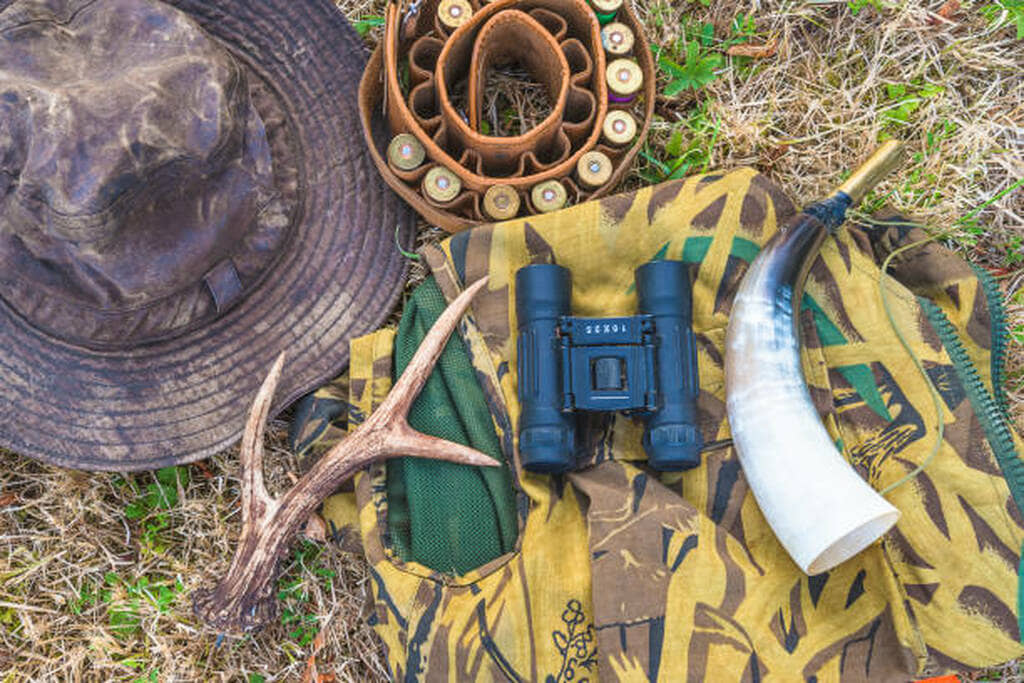
Quality optics increase the chance of spotting deer without unnecessary movement. Binoculars help identify animals at longer distances, while a rangefinder provides accurate distance measurements for ethical shot placement. Hunters who use riflescopes should verify that scope mounts remain tight and that lenses are clean before every hunt.
A durable hunting backpack keeps essential equipment organized and easily accessible. Rather than placing everything in one large compartment, divide gear into separate sections so critical items can be found quickly when needed.
Your hunting gear checklist should include:
- Rifle or compound bow
- Ammunition or hunting arrows
- Broadheads or spare cartridges
- Rifle scope or bow sight
- Binoculars
- Laser rangefinder
- Hunting backpack
- Hunting knife
- Multi-tool
- Flashlight or headlamp
- Spare batteries
- Rope or paracord
- Zip ties or gear straps
- Small repair kit for emergency equipment fixes
Before leaving, inspect every piece of equipment one final time. Replacing a weak battery, tightening a loose screw, or sharpening a knife takes only a few minutes at home but can prevent hours of frustration in the field.
What clothing should you wear for deer hunting?
Proper hunting clothing keeps you safe, comfortable, and concealed in changing weather conditions. The best clothing system balances camouflage, weather protection, insulation, and visibility while allowing enough mobility to shoot accurately and walk long distances.
Start with a moisture-wicking base layer that keeps sweat away from your skin. Wet clothing increases heat loss during cold weather and makes long hours in a tree stand far less comfortable. Add an insulating mid-layer, such as fleece or wool, to retain body heat, then finish with a windproof and water-resistant outer layer suited to the forecast.
Choose camouflage patterns that match the terrain and season. Early-season hunts often require lighter green vegetation patterns, while late-season hunts benefit from darker woodland or leafless forest designs. Effective camouflage reduces visual contrast, but minimizing movement and controlling scent remain just as important.
Footwear has a direct impact on endurance. Waterproof hunting boots with adequate insulation help keep feet dry during creek crossings, wet grass, or snow. Pair them with moisture-wicking socks to reduce friction and lower the risk of blisters during long walks.
Many jurisdictions require hunters to wear hunter orange during firearm seasons. This high-visibility clothing allows other hunters to identify you from a distance while having little impact on a deer’s ability to detect movement. Always check local regulations to determine when hunter orange is mandatory and how much must be visible.
Weather conditions can change rapidly during deer season, so pack extra layers even if the morning forecast appears favorable. A lightweight rain jacket, insulated gloves, a warm beanie, and a neck gaiter occupy little space but significantly improve comfort during cold temperatures, wind, or unexpected rain.
Your deer hunting clothing checklist should include:
- Moisture-wicking base layer
- Insulating mid-layer
- Waterproof hunting jacket
- Camouflage hunting pants
- Hunter orange vest or hat (where required)
- Waterproof hunting boots
- Wool or synthetic hunting socks
- Hunting gloves
- Warm beanie or cap
- Neck gaiter or face mask
- Rain gear
- Hand warmers for cold-weather hunts
Choosing clothing based on expected weather instead of habit improves comfort, reduces fatigue, and helps you remain focused throughout the hunt instead of becoming distracted by cold, heat, or wet conditions.
Which safety and survival items should you bring?
Safety equipment should be part of every deer hunting checklist because it reduces the risk of injuries and helps you respond to unexpected situations. Whether you hunt from a tree stand, hike into remote public land, or sit in a ground blind, carrying basic safety and survival gear is as important as packing your weapon.
If you hunt from an elevated stand, wear a full-body safety harness from the moment your feet leave the ground until you return. Most tree stand accidents happen while climbing up or down rather than while sitting in the stand. A properly fitted harness significantly reduces the risk of serious injury from falls.
Navigation tools are equally important, especially on unfamiliar public land. A handheld GPS, smartphone with offline maps, or compass helps you return safely even after dark or in poor weather. Mark parking areas, stand locations, and blood trails to avoid becoming disoriented.
Every hunter should carry a compact first aid kit capable of treating minor injuries until professional help is available. Cuts from broadheads, knives, or branches are common during hunting trips, making simple medical supplies invaluable.
Emergency survival gear becomes essential if weather changes suddenly or you remain in the field longer than expected. Lightweight survival equipment takes up little space but can make a significant difference during an emergency.
Your safety and survival checklist should include:
- Full-body safety harness
- First aid kit
- GPS device or smartphone with offline maps
- Compass
- Emergency whistle
- Headlamp with spare batteries
- Fire starter or waterproof matches
- Emergency blanket
- Multi-tool
- Paracord
- Emergency shelter or lightweight tarp
- Fully charged mobile phone
- Portable power bank
Before every hunt, let a family member or friend know where you plan to hunt and when you expect to return. If conditions change or an emergency occurs, someone will know where to begin looking for you.
What food and personal supplies do you need?
Food, water, and personal supplies help maintain energy, focus, and comfort during long hours in the field. Hunters often spend an entire day walking, climbing, or remaining motionless in changing temperatures. Proper hydration and nutrition improve concentration and reduce fatigue.
Carry enough drinking water for the length of your hunt. For a typical day hunt, many hunters bring at least 2 liters of water, increasing that amount during warm weather or physically demanding hunts. A reusable water bottle or hydration bladder makes it easier to drink throughout the day without making unnecessary movement.
Choose foods that provide steady energy instead of quick sugar spikes. High-protein and high-calorie snacks remain easy to pack, require little preparation, and can be eaten quietly in a hunting stand.
Good food options include:
- Beef jerky
- Trail mix
- Mixed nuts
- Protein bars
- Peanut butter sandwiches
- Dried fruit
- Cheese sticks
Personal supplies are equally important. Prescription medications, lip balm, sunscreen, insect repellent, and toilet paper may not directly improve hunting success, but they prevent discomfort that can shorten a hunt.
Electronic devices have become standard hunting equipment, making backup power essential. GPS apps, digital licenses, weather forecasts, and communication all depend on battery life. A compact power bank and charging cable ensure these devices remain usable throughout the day.
Your food and personal supplies checklist should include:
- Drinking water
- Energy snacks
- Packed lunch for all-day hunts
- Thermos with coffee or hot drinks (cold weather)
- Prescription medications
- Sunscreen
- Insect repellent
- Lip balm
- Hand sanitizer
- Toilet paper or wet wipes
- Mobile phone
- Portable power bank
- Charging cable
Packing these supplies adds little weight but greatly improves comfort, allowing you to stay focused on hunting instead of dealing with hunger, dehydration, or preventable inconveniences.
Which field dressing and game recovery tools are essential?
Field dressing and game recovery tools allow hunters to process harvested deer efficiently while preserving meat quality. Carrying the right equipment shortens recovery time, reduces meat contamination, and makes transporting the animal safer and easier.
A sharp hunting knife is the most important tool after a successful harvest. Fixed-blade knives are known for their strength and durability, while replaceable-blade knives maintain razor-sharp edges without requiring field sharpening. Regardless of the style, always inspect the blade before the hunt and carry it in a secure sheath.
Disposable gloves help keep the field dressing process sanitary while protecting your hands from blood and bacteria. Many experienced hunters also pack several pairs of gloves so they can change them during processing if necessary.
Game bags protect venison from dirt, insects, and debris once the animal has been quartered or processed. They also improve airflow around the meat, helping it cool more efficiently during transport.
Recovering a mature deer often requires more effort than harvesting it. A drag rope or deer drag harness makes moving the animal across rough terrain significantly easier. On steep hills or long distances, a deer cart can reduce physical strain and minimize damage to the carcass.
If temperatures are warm, cooling the meat quickly becomes a priority. A large cooler with enough ice helps maintain meat quality during the trip home. Hunters traveling several hours should prepare coolers before leaving for the hunt instead of searching for ice afterward.
Your field dressing and game recovery checklist should include:
- Sharp hunting knife
- Backup knife or replaceable blades
- Knife sharpener
- Disposable gloves
- Game bags
- Drag rope or drag harness
- Bone saw (optional)
- Deer cart (for long recoveries)
- Large cooler
- Ice packs or bagged ice
- Paper towels
- Trash bags for cleanup
Having these tools ready before the hunt allows you to focus on making a clean recovery rather than improvising with inadequate equipment.
What should you check before leaving for your hunt?
A final inspection helps identify missing items before they become costly problems in the field. Spending ten minutes reviewing your checklist at home is far easier than discovering forgotten gear after arriving at your hunting location.
Start by checking the weather forecast. Temperature, wind direction, precipitation, and changing conditions influence clothing choices, stand locations, and overall hunting strategy. Packing extra insulation or rain gear is often worthwhile, even if the forecast looks favorable.
Inspect your rifle or bow one last time. Confirm that optics are secure, moving parts function correctly, and all equipment is clean. Electronic devices such as GPS units, rangefinders, and headlamps should be fully charged, with spare batteries packed separately.
Transportation deserves equal attention. Fill your vehicle with fuel before departure and verify that spare tires, tire repair tools, and emergency roadside equipment are available. Hunters traveling to remote public land may not have immediate access to fuel or vehicle assistance.
Before leaving home, confirm that you have:
- Hunting license and tags
- Hunting weapon and ammunition or arrows
- Backpack with essential gear
- Clothing suitable for the weather
- Fully charged electronics
- Food and drinking water
- First aid and survival equipment
- Field dressing supplies
- Cooler for meat transport
- Vehicle keys and fuel
- Hunting location and access permission
Completing this final review reduces stress, prevents forgotten equipment, and allows you to begin your hunt with confidence.
What mistakes do hunters most often make?
Most hunting problems result from poor preparation rather than poor hunting skills. Many common mistakes are entirely preventable by following a structured deer hunting checklist before every trip.
One of the most frequent mistakes is forgetting licenses, deer tags, or required permits. These documents are easy to overlook but essential for hunting legally. Keeping them in the same pocket of your hunting backpack throughout the season makes them easier to find.
Another common issue is equipment failure caused by poor maintenance. Dead batteries, loose scope mounts, damaged bowstrings, and dull knives often become apparent only after arriving in the field. Inspecting equipment several days before the hunt provides enough time for repairs or replacements.
Hunters also tend to underestimate weather conditions. Dressing too lightly for cold mornings or failing to pack rain gear can shorten a hunt long before deer activity slows. Layered clothing provides greater flexibility than relying on one heavy jacket.
Many beginners focus heavily on weapons while overlooking safety equipment. A safety harness, first aid kit, emergency whistle, and navigation tools may never be used during a normal hunt, but they become invaluable when unexpected situations arise.
The most common deer hunting checklist mistakes include:
- Forgetting hunting licenses or deer tags
- Leaving ammunition or arrows behind
- Carrying dead batteries in electronic devices
- Failing to inspect firearms or bows
- Wearing clothing unsuitable for the weather
- Not packing enough food or drinking water
- Forgetting field dressing supplies
- Ignoring local hunting regulations
- Leaving without telling someone your hunting location
- Skipping the final checklist review before departure
Avoiding these mistakes improves safety, saves time, and increases the likelihood of a productive and enjoyable deer hunting experience.
Should you use a printable deer hunting checklist?
Yes, a printable deer hunting checklist is one of the easiest ways to stay organized before every hunt. A reusable checklist reduces the risk of forgetting essential equipment, speeds up packing, and creates a consistent preparation routine throughout the season. Instead of relying on memory, you simply review each category and confirm that every item is packed before leaving home.
Many experienced hunters customize their checklist based on the type of hunt. A half-day hunt close to home requires fewer supplies than a full-day hunt on public land, while a multi-day backcountry hunt demands additional food, water, survival gear, and camping equipment. Updating your checklist for each hunting style prevents unnecessary weight while ensuring critical items are never left behind.
As your experience grows, continue refining the checklist after every trip. If you realize you packed equipment you never used or forgot something important, update the list immediately. Over time, your checklist becomes a personalized system that reflects your hunting style, preferred equipment, and local hunting conditions.
Printable Deer Hunting Checklist
Legal Requirements
- □ Hunting license
- □ Deer tag or harvest permit
- □ Government-issued photo ID (if required)
- □ Public land permit or private land permission
- □ Current hunting regulations
Hunting Gear
- □ Rifle or bow
- □ Ammunition or arrows
- □ Broadheads or spare cartridges
- □ Rifle scope or bow sight
- □ Binoculars
- □ Rangefinder
- □ Hunting backpack
- □ Hunting knife
- □ Multi-tool
- □ Flashlight or headlamp
- □ Spare batteries
- □ Paracord or utility rope
Clothing
- □ Camouflage clothing
- □ Hunter orange vest or hat (where required)
- □ Waterproof hunting boots
- □ Moisture-wicking base layer
- □ Insulating layer
- □ Rain gear
- □ Gloves
- □ Warm hat or beanie
- □ Extra socks
Safety & Survival
- □ Safety harness
- □ First aid kit
- □ GPS or offline maps
- □ Compass
- □ Emergency whistle
- □ Fire starter
- □ Emergency blanket
- □ Fully charged phone
- □ Power bank
Food & Personal Supplies
- □ Drinking water
- □ Energy snacks
- □ Packed lunch
- □ Coffee or hot drink
- □ Prescription medications
- □ Sunscreen
- □ Insect repellent
- □ Lip balm
- □ Hand sanitizer
- □ Wet wipes or toilet paper
Field Dressing & Game Recovery
- □ Field dressing knife
- □ Backup blades
- □ Disposable gloves
- □ Game bags
- □ Drag rope or drag harness
- □ Bone saw (optional)
- □ Cooler
- □ Ice packs
- □ Paper towels
- □ Trash bags
Final Check Before Leaving
- □ Check the weather forecast
- □ Inspect your rifle or bow
- □ Charge all electronic devices
- □ Fuel your vehicle
- □ Confirm hunting location and access
- □ Tell someone where you are hunting
- □ Review the entire checklist one final time
Using this checklist before every trip creates a repeatable preparation process that improves safety, minimizes forgotten equipment, and lets you focus on the hunt instead of last-minute problems.