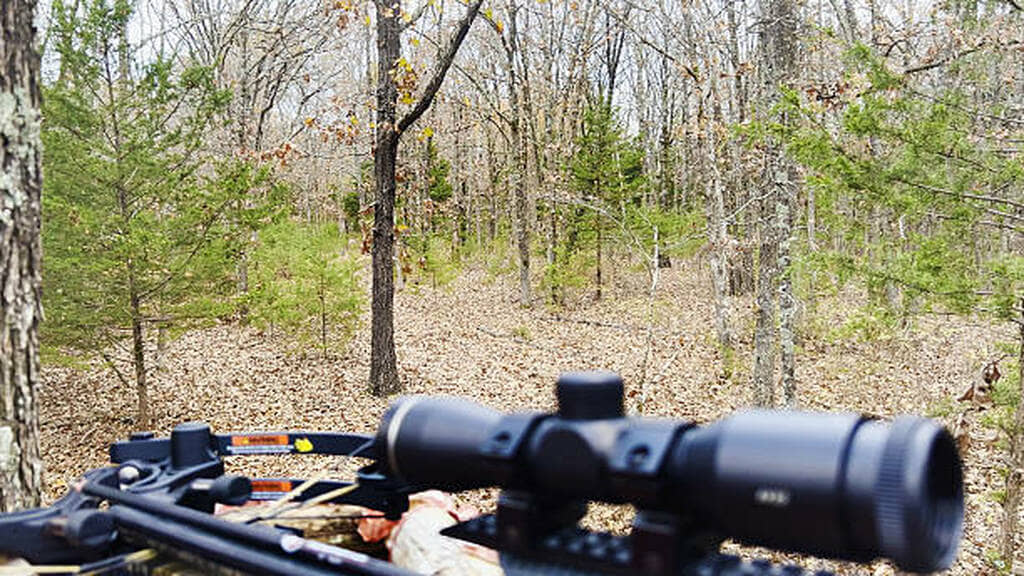
Crossbow deer hunting combines the precision of archery with the familiarity of a firearm-style platform, making it one of the fastest-growing hunting methods among beginners and experienced hunters alike. A modern crossbow allows hunters to hold a drawn bow without physical strain, aim through an optic, and deliver enough kinetic energy for an ethical harvest when paired with the right broadhead and shot placement. These advantages make crossbows accessible to new hunters while still requiring the fieldcraft, patience, and decision-making that define successful deer hunting.
Learning to hunt deer with a crossbow involves far more than choosing a powerful bow. Success depends on selecting equipment that matches your hunting style, understanding deer behavior, practicing accurate shooting, scouting productive locations, and making ethical decisions before and after every shot. Hunters who overlook these fundamentals often experience missed opportunities, poor shot placement, or difficult recoveries, regardless of how advanced their equipment may be.
This guide explains every major step of crossbow deer hunting for beginners. You’ll learn how to choose the right equipment, prepare before opening day, identify productive hunting locations, execute ethical shots, recover harvested deer efficiently, avoid common mistakes, and maintain your crossbow for reliable performance throughout the season. By mastering these fundamentals, you’ll build the skills needed to hunt safely, responsibly, and with greater confidence in the field.
What Is Crossbow Deer Hunting?
Crossbow deer hunting is the practice of harvesting deer using a crossbow equipped with hunting bolts and broadheads designed for large game. Unlike firearms, a crossbow launches a bolt using stored energy from its limbs, requiring hunters to close the distance to their target. Most ethical shots occur within 20–40 yards, making scouting, concealment, and patience just as important as shooting accuracy.
A crossbow differs from traditional bows because it remains cocked until the hunter pulls the trigger. This design allows hunters to aim through a scope while keeping the bow at full draw without physical fatigue. Beginners often find this learning curve easier than using a compound or recurve bow because they can focus on shot placement instead of maintaining draw strength. However, success still depends on understanding deer behavior, reading wind direction, and waiting for a high-percentage shot rather than relying solely on equipment.
Crossbow hunting is popular during archery seasons in many regions because it combines the challenge of close-range hunting with improved shooting stability. Modern crossbows regularly generate bolt speeds exceeding 350 feet per second, providing sufficient kinetic energy to penetrate a deer’s vital organs when matched with an appropriate broadhead. Even with this performance, ethical hunting requires hunters to limit shooting distance to ranges where they can consistently produce accurate groups during practice.
Crossbow hunting also demands responsible decision-making. Every shot should be taken only when the deer presents a clear vital-area target and when the hunter is confident in the outcome. Passing on low-percentage opportunities is part of ethical hunting and often leads to higher recovery rates than attempting difficult shots.
What Equipment Do You Need for Crossbow Deer Hunting?
Successful crossbow deer hunting requires a complete hunting setup rather than a powerful crossbow alone. Each piece of equipment contributes to accuracy, safety, or recovery, and overlooking one component can reduce hunting success.
Crossbow
Choose a crossbow that balances accuracy, reliability, and manageable weight. For most beginners, models producing 350–420 FPS provide more than enough performance for deer hunting while remaining comfortable to practice with. Features such as an anti-dry-fire mechanism, safety switch, adjustable stock, and quality trigger improve both safety and consistency.
Hunting Bolts
Bolts transfer the crossbow’s energy to the target. Using the bolt weight recommended by the manufacturer is essential because excessively light bolts can reduce accuracy and increase wear on the crossbow. Carbon bolts are the preferred choice for most hunters because they combine durability, straightness, and consistent flight.
Broadheads
Broadheads perform the cutting action that creates a humane harvest. Fixed-blade broadheads are widely trusted for their strength and dependable penetration, while mechanical broadheads deploy expandable blades after impact to create larger wound channels. Regardless of design, every broadhead should be razor sharp and compatible with the bolt’s weight and spine.
Crossbow Scope
A dedicated crossbow scope compensates for bolt drop at multiple distances, allowing hunters to place accurate shots from common hunting ranges. Before the season begins, sight the scope at the manufacturer’s recommended distance and confirm impact points at additional ranges rather than relying solely on factory markings.
Cocking Device
A rope cocking device or crank cocking system helps draw the string evenly. Consistent cocking keeps the string centered on every shot, improving accuracy while reducing physical effort during long hunting days.
Rangefinder
Judging distance incorrectly is one of the most common causes of missed shots. A laser rangefinder allows hunters to measure landmarks before deer arrive, making it easier to select the correct aiming point when a shot opportunity develops.
Essential Hunting Accessories
Several supporting accessories improve efficiency and safety throughout the hunt:
- Quality broadhead-compatible quiver
- Sharp field dressing knife
- Binoculars
- Hunting backpack
- Safety harness for tree stand hunting
- Drag rope or game cart
- Spare bolts
- Multi-tool and string wax
- Flashlight or headlamp for tracking after sunset where legal
Owning premium equipment does not guarantee success. Hunters who regularly inspect their gear, confirm their zero before each season, and practice from realistic hunting positions consistently outperform those who depend on equipment specifications alone.
How Do You Prepare for a Crossbow Deer Hunt?
Preparing before opening day has a greater impact on hunting success than upgrading to a faster or more expensive crossbow. Hunters who verify their equipment, practice under realistic conditions, and understand local deer movement are more likely to make ethical shots and recover their game.
Sight in Your Crossbow Before the Season
A properly sighted crossbow ensures your point of impact matches your point of aim. Begin by zeroing the scope at the manufacturer’s recommended distance, then confirm accuracy at the ranges you expect to hunt, such as 20, 30, and 40 yards. Shoot from a stable bench rest during the initial sight-in process to eliminate human error before practicing from hunting positions.
After your crossbow is zeroed, inspect it regularly throughout the season. String stretch, transportation, weather changes, or accidental impacts can shift accuracy. Firing a few confirmation shots before opening day provides confidence that your setup remains reliable.
Practice from Real Hunting Positions
Practice should replicate the conditions you will encounter in the field. Shooting tight groups from a bench is only the first step. Most deer are harvested from elevated tree stands, ground blinds, or unsupported standing positions, where body alignment and shooting angles differ significantly.
Practice while wearing your hunting clothing, backpack, and safety harness because bulky layers can change your anchor position and shoulder movement. If you plan to hunt from an elevated stand, practice shooting downward at life-size deer targets to understand how shot angles affect the bolt’s path through the vital organs.
Equally important is learning your maximum ethical shooting distance. Instead of choosing the farthest distance your crossbow can reach, determine the distance at which every practice shot consistently lands inside the deer’s heart-lung area. That distance—not your crossbow’s advertised speed—defines your effective hunting range.
Inspect Your Equipment
Every component should be checked before entering the woods. Inspect the string and serving for wear, confirm that scope mounts remain tight, examine bolts for cracks or damaged nocks, and replace broadheads that have become dull or damaged during practice.
Mechanical failures often occur because small maintenance issues were ignored before the hunt. Spending a few minutes inspecting equipment reduces the likelihood of losing an opportunity or wounding an animal due to preventable problems.
Understand Local Hunting Regulations
Always review the hunting regulations that apply to your area before the season begins. Requirements vary by state or province and may include crossbow restrictions, legal hunting seasons, licensing requirements, blaze orange regulations, legal shooting hours, or minimum broadhead specifications.
Checking these regulations in advance helps hunters avoid violations while ensuring every hunt remains ethical and legal.
Where Should You Hunt Deer with a Crossbow?
Choosing the right hunting location often matters more than choosing the right crossbow. Deer follow predictable daily movement patterns between food, water, bedding cover, and travel corridors. Identifying these areas allows hunters to intercept deer naturally instead of relying on chance encounters.
Focus on Food Sources
Food is one of the strongest factors influencing deer movement, particularly during the early season. Agricultural fields, oak flats producing acorns, food plots, orchards, and natural browse attract deer during regular feeding periods.
Rather than setting up directly on a food source, position your stand along the trails leading toward it. This approach often provides closer shot opportunities while reducing the risk of disturbing deer after they begin feeding.
Locate Bedding Areas Carefully
Deer spend much of the day resting in secure bedding cover, including thick timber, brushy hillsides, swamps, and dense vegetation. Mature bucks especially prefer locations that provide security and visibility.
Hunters should avoid walking through bedding areas unnecessarily because repeated disturbance can cause deer to abandon predictable movement patterns. Instead, identify the edges of bedding cover and hunt the routes deer use when leaving to feed during the afternoon and evening.
Hunt Travel Corridors
Travel corridors connect bedding areas with feeding locations. Creek crossings, fence gaps, ridge saddles, logging roads, and narrow strips of timber naturally funnel deer into predictable paths.
These locations are particularly effective for crossbow hunters because they increase the likelihood of close-range encounters within the ethical shooting distances common to archery equipment.
Choose Between a Tree Stand and a Ground Blind
Both hunting methods are effective when matched to the terrain.
A tree stand provides better visibility, reduces the chance of being detected, and often keeps human scent above a deer’s normal line of travel. It performs best in wooded environments where suitable trees overlook active trails.
A ground blind offers greater comfort and concealment in open terrain, field edges, or locations where climbing trees is impractical. Natural vegetation placed around the blind helps it blend into the surrounding environment and reduces the likelihood of alerting approaching deer.
Hunt According to the Wind
Wind direction determines whether deer detect your scent before they enter shooting range. Because deer rely heavily on their sense of smell, even an ideal stand location becomes ineffective if the wind carries human odor toward approaching animals.
Before each hunt, check the forecast and choose a setup where the prevailing wind blows away from expected deer travel routes. Many experienced hunters maintain multiple stand locations specifically so they can adapt to changing wind conditions throughout the season instead of hunting the same location regardless of conditions.
What Is the Best Shot Placement for Deer with a Crossbow?
The best shot placement for deer with a crossbow is the heart-lung area because it provides the highest probability of a quick, ethical harvest. This vital zone offers a relatively large target and allows broadheads to create substantial blood loss, increasing the likelihood of a short recovery distance.
Aim for the Vital Zone
The heart and both lungs sit directly behind the deer’s front shoulder. A broadside deer presents the largest vital area, making it the preferred shot angle for hunters of all experience levels. Placing the bolt through the middle of the heart-lung cavity typically results in rapid blood loss, reduced suffering, and an easier blood trail.
A slightly quartering-away deer is another excellent opportunity because the bolt can enter behind the shoulder and pass through both lungs before exiting the opposite side. Complete pass-through shots often produce larger exit wounds, improving blood-trail visibility during recovery.
Choose High-Percentage Shot Angles
Not every deer that enters range should be shot. Waiting for the correct angle is one of the most important skills in ethical hunting.
The most reliable shot opportunities include:
- Broadside
- Slight quartering away
These positions expose the largest portion of the vital organs while minimizing the chance of striking heavy shoulder bones.
Shots that require the bolt to penetrate thick bone or travel through non-vital tissue significantly reduce the probability of a clean harvest.
Avoid Low-Percentage Shots
Several shot angles carry a much greater risk of wounding rather than harvesting the animal. Hunters should avoid shooting when the deer is:
- Facing directly toward the hunter
- Facing directly away
- Hard quartering toward the hunter
- Running
- Constantly moving its head and body
These situations expose only a small portion of the vital organs while increasing the likelihood of poor penetration or deflection. Passing on these opportunities demonstrates patience and respect for the animal.
Shoot Within Your Effective Range
Effective range is determined by your accuracy, not your crossbow’s advertised speed. Although many modern crossbows are capable of launching bolts well beyond 60 yards, most ethical deer shots occur inside 20 to 40 yards, where hunters can consistently place bolts into the vital zone.
Before hunting season, establish your personal maximum range by practicing under realistic conditions. If your groups begin to open beyond a certain distance, shorten your hunting shots accordingly. Ethical hunters prioritize precision over distance.
Control Your Shot Execution
Even perfect shot placement begins before the trigger is pulled. Wait until the deer stops moving, settle the crosshair naturally on the intended impact point, control your breathing, and squeeze the trigger smoothly without jerking the crossbow.
After the shot, continue watching the deer instead of immediately climbing down from your stand. Notice the direction it runs, where it disappears, and any landmarks near the point of impact. These observations often become valuable when tracking begins.
What Should You Do After Shooting a Deer?
The moments immediately after the shot often determine whether the deer is recovered successfully. Remaining patient, observing carefully, and following a systematic recovery process reduces the chance of pushing a wounded deer farther from the initial impact site.
Watch the Deer’s Reaction
As soon as the bolt is released, keep your eyes on the deer for as long as possible. Pay attention to:
- The exact location of the hit
- The deer’s body language
- Its direction of travel
- The last location where it was visible
These details provide important clues about the quality of the shot and where to begin tracking.
Wait Before Beginning the Track
Avoid rushing to the impact site immediately after the shot. A deer that is mortally wounded often beds down within a short distance if left undisturbed. Walking after it too soon may cause the animal to run much farther, making recovery more difficult.
For most well-placed heart or lung shots, waiting approximately 30 minutes before tracking is a common best practice. If the shot location is uncertain or suggests a non-vital hit, a longer waiting period may improve recovery success.
Examine the Impact Site
Before following the trail, inspect the location where the deer was standing. Look for:
- Blood
- Hair
- The bolt
- Tracks disturbed by the initial escape
The color and consistency of blood can provide useful information about the hit. Bright red blood often indicates lung involvement, while darker blood may suggest a different point of impact. Hair length and color can also help identify which part of the body was struck.
Follow the Blood Trail Methodically
Move slowly and avoid stepping directly on blood evidence. Mark each blood spot with biodegradable trail markers, tissue, or GPS waypoints so you can identify the deer’s direction of travel if the trail becomes sparse.
Rather than focusing only on the next drop of blood, scan several yards ahead for additional sign, disturbed vegetation, fresh tracks, or broken branches. This broader view helps maintain the trail even when blood becomes less visible.
If the trail suddenly disappears, return to the last confirmed blood spot and search in widening circles instead of wandering randomly through the area.
Recover and Handle the Deer Responsibly
Once the deer is located, confirm that it has expired before approaching closely. Follow local hunting regulations regarding tagging requirements before moving the animal.
Field dress the deer as soon as practical to cool the carcass and preserve meat quality, particularly during warm weather. Inspect your equipment after the recovery, replacing damaged bolts or broadheads before the next hunt and noting any lessons learned that can improve future success.
What Are the Most Common Crossbow Deer Hunting Mistakes?
Most unsuccessful crossbow hunts result from poor preparation and decision-making rather than inadequate equipment. Avoiding these common mistakes can significantly improve your success rate while reducing the risk of wounding a deer.
Hunting Without Enough Practice
Many beginners sight in their crossbow once and assume they are ready for the season. In reality, consistent practice builds confidence, improves shot execution, and helps hunters recognize their maximum ethical shooting distance. Practice from realistic hunting positions, including kneeling, sitting, and elevated platforms, instead of relying only on bench-rest shooting.
Taking Shots Beyond Your Effective Range
A modern crossbow is capable of shooting well beyond typical hunting distances, but accuracy decreases as range increases. Shooting farther than your proven practice distance increases the chance of poor shot placement due to bolt drop, wind drift, or deer movement. Limiting shots to distances where you consistently hit the vital zone produces cleaner harvests.
Ignoring Wind Direction
Deer depend heavily on their sense of smell to detect danger. A stand placed directly in a productive travel corridor becomes ineffective if the wind carries your scent toward approaching deer. Always choose hunting locations based on current wind conditions rather than convenience.
Moving Too Much
Crossbows reduce the amount of movement required before shooting, but excessive motion still alerts nearby deer. Raise your crossbow only when the animal’s vision is obstructed or when its head is turned away. Slow, controlled movement is less likely to be detected than quick adjustments.
Tracking Too Soon
Following a wounded deer immediately after the shot often pushes it farther into thick cover. Waiting the appropriate amount of time before tracking usually increases recovery success and reduces the chance of losing the animal.
How Can Beginners Improve Their Success Rate?
Consistent preparation and disciplined hunting habits improve success more than expensive equipment upgrades. Developing strong fundamentals allows new hunters to make better decisions before, during, and after every encounter.
Scout Before the Season
Spend time locating food sources, bedding cover, travel routes, and fresh deer sign before opening day. Trail cameras, tracks, droppings, rubs, and scrapes provide valuable information about when and where deer are active.
Hunt During Peak Movement
Deer movement increases during the first and last hours of daylight. Activity also rises during the rut, when bucks travel greater distances searching for receptive does. Planning hunts around these periods improves the likelihood of close-range encounters.
Stay Patient
Many opportunities are lost because hunters become impatient. Remaining still, minimizing unnecessary movement, and waiting for a broadside or quartering-away shot often produces better outcomes than rushing a difficult opportunity.
Learn From Every Hunt
Successful hunters evaluate every outing regardless of whether they harvest a deer. Record weather conditions, wind direction, deer sightings, stand locations, and hunting times. Over multiple seasons, these observations reveal patterns that help improve future hunting decisions.
What Safety Rules Should Every Crossbow Hunter Follow?
Safe hunting practices protect both the hunter and everyone nearby. Every crossbow should be treated as if it is loaded and ready to fire.
Before entering the field, inspect your crossbow for damaged limbs, worn strings, loose scope mounts, and cracked bolts. Mechanical problems should be repaired before hunting rather than ignored until they become serious failures.
Always keep the crossbow pointed in a safe direction and keep your finger away from the trigger until the crosshairs are on the intended target. Never place your thumb or fingers above the rail because the string travels forward with considerable force and can cause severe injury.
If hunting from a tree stand, wear a full-body safety harness from the moment you leave the ground until you return safely. Falls remain one of the leading causes of hunting injuries, and a properly fitted harness greatly reduces this risk.
Before shooting, positively identify the deer, verify that hunting is legal at that moment, and ensure there is a safe background beyond the target. Never shoot toward roads, buildings, livestock, or areas where other hunters may be present.
Finally, never dry-fire a crossbow. Releasing the string without a bolt absorbs excessive energy into the limbs and string, potentially causing catastrophic equipment failure.
How Should You Maintain a Hunting Crossbow?
Routine maintenance keeps a crossbow accurate, reliable, and safe throughout multiple hunting seasons. A few minutes of care after each hunt can prevent expensive repairs and unexpected equipment failures.
Inspect the string and serving regularly for fraying or excessive wear. Apply string wax according to the manufacturer’s recommendations to reduce friction and extend string life.
Keep the rail clean and lightly lubricated with products approved by the crossbow manufacturer. Excess dirt, debris, or improper lubrication can increase wear and reduce shooting consistency.
Check bolts after every practice session and hunt. Replace any bolt showing cracks, loose inserts, damaged vanes, or worn nocks. Continuing to shoot damaged bolts increases the risk of failure during release.
Periodically tighten scope rings, stock bolts, quiver mounts, and other fasteners that may loosen from repeated shooting. Even minor movement can affect accuracy.
Store the crossbow in a cool, dry environment inside a protective case. Avoid prolonged exposure to excessive heat, moisture, or direct sunlight, which can shorten the lifespan of strings, optics, and other components.
Frequently Asked Questions
Is crossbow deer hunting legal?
Crossbow hunting regulations vary by state, province, and country. Always review local hunting laws before purchasing equipment or entering the field.
What draw weight is enough for deer?
Most hunting crossbows are manufactured with sufficient draw weight and energy to harvest deer ethically. Instead of comparing draw weight alone, evaluate the complete system, including bolt weight, broadhead selection, and shooting accuracy.
How far can you ethically shoot a deer with a crossbow?
For most hunters, 20–40 yards represents the most reliable ethical shooting range. Your personal maximum distance should be based on consistent practice accuracy rather than the advertised capabilities of your crossbow.
Can beginners start deer hunting with a crossbow?
Yes. Crossbows are widely considered beginner-friendly because they allow hunters to hold the bow at full draw, use magnified optics, and focus on shot placement. However, beginners must still practice regularly, understand deer behavior, and follow all hunting regulations and safety requirements.
What broadhead works best for deer?
Both fixed-blade and mechanical broadheads can harvest deer effectively when matched to the crossbow and used within their intended performance range. The best choice is one that flies accurately from your setup, remains razor sharp, and provides dependable penetration under typical hunting conditions.