
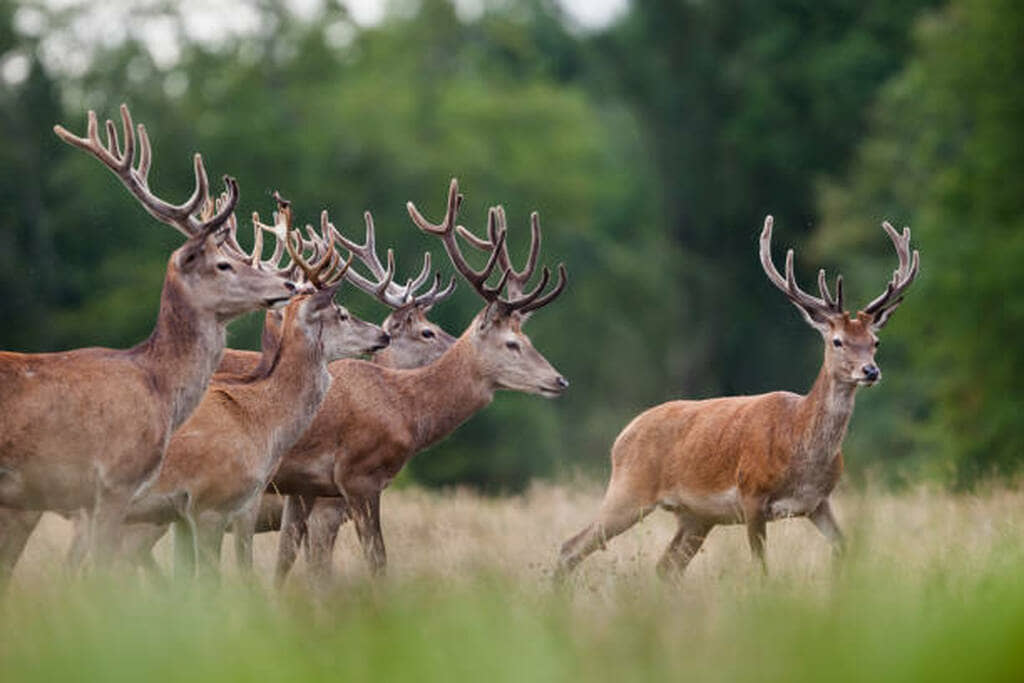
Most male deer shed their antlers between late winter and early spring, typically from January through April, depending on the species, age, health, location, and breeding season. White-tailed deer often begin shedding as early as January in southern regions, while elk and moose usually keep their antlers until March or April. This annual process is a natural part of the antler cycle and marks the end of one year’s growth before a new set begins developing.
Antler shedding is primarily controlled by changes in testosterone levels after the rut, or breeding season. As hormone levels decline, specialized cells weaken the connection between the antler and the pedicle, causing the antler to detach naturally. Although timing follows a predictable seasonal pattern, individual deer may shed days or even weeks earlier or later depending on factors such as age, nutrition, stress, climate, and overall physical condition.
Understanding when deer shed their antlers helps hunters, wildlife enthusiasts, photographers, and shed hunters predict deer movements and recognize seasonal behavior. It also provides insight into how antlers grow, why different deer species shed at different times, and what environmental conditions influence the process. This guide explains the complete antler cycle, the factors that determine shedding dates, species-specific timelines, and the best time to search for naturally shed antlers.
When Do Deer Shed Their Antlers?
Most male deer shed their antlers between January and April, although the exact timing varies by species, latitude, age, and environmental conditions. In many populations of white-tailed deer, mature bucks begin dropping their antlers shortly after the breeding season ends, while younger bucks often retain theirs for several additional weeks. Farther north, where winter lasts longer, deer and other cervids generally shed later than populations living in warmer climates.
The antler-shedding season follows the conclusion of the rut rather than a fixed calendar date. Once breeding activity declines, testosterone levels begin to fall. This hormonal change activates specialized bone-resorbing cells at the base of each antler, gradually weakening its attachment to the pedicle. When the connection becomes thin enough, the antler detaches naturally, often while the deer is walking, feeding, jumping, or sparring with another buck.
Although most antlers are shed during late winter, individual variation is normal. A healthy mature buck may lose its antlers weeks before another deer living in the same habitat. Researchers have found that age, nutritional status, reproductive success, genetics, and local weather conditions all contribute to differences in shedding dates. Because of these variables, wildlife biologists usually describe antler shedding as a seasonal window rather than a single day or month.
Why Do Deer Shed Their Antlers Every Year?
Deer shed their antlers because declining testosterone levels after the breeding season trigger the natural separation of the antler from the skull. Unlike horns, which remain attached throughout an animal’s life, antlers are temporary bone structures that are grown, used during the rut, shed, and regenerated every year.
During late summer and autumn, testosterone reaches its annual peak. High hormone levels harden the antlers by stopping blood flow through the velvet and completing the mineralization process. Bucks then use their hardened antlers to establish dominance, compete for mates, and defend breeding territories throughout the rut.
After the breeding season ends, testosterone production drops rapidly. This hormonal decline activates osteoclasts—cells that break down bone tissue—around the pedicle. As bone is gradually reabsorbed, the connection weakens until the antler falls away without causing significant bleeding or long-term injury. A protective layer of skin quickly covers the exposed pedicle, allowing new antler growth to begin within a few weeks.
This yearly cycle provides an evolutionary advantage. Growing a larger set of antlers each year enables mature bucks to compete more effectively during future breeding seasons, while shedding damaged or worn antlers allows fresh, stronger antlers to develop. Under favorable nutrition and genetics, antlers can become larger and more complex as a buck reaches full maturity before gradually declining in old age.
What Is the Deer Antler Growth Cycle?
The deer antler growth cycle consists of four stages: antler initiation, velvet growth, mineralization, and antler shedding. This process repeats every year and is regulated primarily by seasonal changes in daylight length, which influence hormone production. Among mammals, deer are unique because they regenerate a complete set of antlers annually.
Antler initiation
New antlers begin growing within a few weeks after the previous pair is shed. As testosterone reaches its lowest level of the year, stem cells in the pedicle activate rapid bone formation. Initially, the new antlers are soft cartilage covered by highly vascular skin known as velvet. During this stage, antlers are among the fastest-growing bone tissues in the animal kingdom, with some species adding more than an inch (2.5 cm) of growth per day under ideal conditions.
Velvet growth
Velvet supplies oxygen and nutrients that support rapid antler development. The velvet contains an extensive network of blood vessels and nerves that transport calcium, phosphorus, protein, and other minerals needed to build bone. Because the tissue is highly sensitive, bucks avoid direct impacts while the antlers remain in velvet. An injury during this period can permanently alter the shape of the finished antlers for that year.
Mineralization and velvet shedding
As autumn approaches, rising testosterone causes the antlers to harden. Blood flow to the velvet gradually stops, allowing the cartilage to transform into dense bone through mineralization. Once the process is complete, the velvet dries and peels away. Bucks accelerate its removal by rubbing their antlers against trees, shrubs, and fence posts. The exposed antlers become fully hardened and are ready for use during the rut.
Antler shedding
After the breeding season ends, testosterone declines sharply, causing the antlers to detach. Bone-resorbing cells weaken the attachment between the antler and the pedicle until each antler falls naturally. Shortly afterward, the annual cycle begins again with the growth of a completely new set.
What Factors Affect When Deer Shed Their Antlers?
Five primary factors determine when a deer sheds its antlers: species, age, hormone levels, nutrition, and environmental conditions. While most bucks lose their antlers during late winter, these factors explain why shedding dates vary among individuals and populations.
Species
Different deer species follow different seasonal schedules. White-tailed deer often shed between January and March, mule deer typically from February through April, elk mostly during March and April, and moose even later in spring. These differences reflect each species’ breeding season and annual hormone cycle.
Age
Older, mature bucks generally shed earlier than younger bucks. Mature males experience the most intense rut activity and often show a faster decline in testosterone afterward. Yearling bucks and younger adults frequently retain their antlers several weeks longer because their hormone levels decrease more gradually.
Nutrition and body condition
Well-nourished deer usually complete the antler cycle more efficiently than nutritionally stressed individuals. Adequate protein, calcium, phosphorus, and trace minerals support healthy antler growth and recovery after the rut. Deer that enter winter in poor condition may experience changes in hormone production, leading to earlier or delayed shedding depending on their physiological stress.
Climate and day length
Photoperiod is the primary environmental signal that regulates the antler cycle. Shorter days during autumn stimulate hormonal changes that prepare bucks for the breeding season, while increasing daylight after winter contributes to the next phase of the annual cycle. Regional climate can shift the timing by several weeks, especially between northern and southern populations.
Stress, disease, and injury
Physical stress can alter normal antler shedding patterns. Severe injuries, chronic disease, parasite burdens, or prolonged food shortages may disrupt hormone balance and cause abnormal shedding dates. In some cases, deer may drop one antler before the other, although both are usually shed within days or weeks of each other.
When Do Different Deer Species Shed Their Antlers?
The timing of antler shedding differs among deer species because each species has a unique breeding season and hormone cycle. Although all male members of the deer family (Cervidae) shed and regrow their antlers annually, the exact months vary depending on when the rut ends and testosterone levels decline.
White-tailed deer
White-tailed deer usually shed their antlers between January and March. Mature bucks often drop their antlers first because they participate more actively in the rut and experience a quicker decline in testosterone afterward. In southern regions with milder winters, some bucks may shed as early as late December, while northern populations often retain their antlers until March.
Mule deer
Mule deer generally shed their antlers from February through April. Their breeding season typically occurs later than that of white-tailed deer, delaying the hormonal changes that trigger antler loss. Older bucks usually shed before younger individuals, but weather conditions and habitat quality can shift the timing by several weeks.
Elk
Bull elk normally shed their antlers between March and April. Because elk breed later in autumn, they keep their antlers longer than most deer species. Mature bulls often lose their antlers shortly after winter ends, while younger bulls may continue carrying theirs into April or early May in colder regions.
Moose
Moose typically shed their antlers from late December through April, with most bulls dropping them during March. Regional climate has a strong influence on timing. Bulls living in northern forests with prolonged winters often retain their antlers longer than those in more temperate areas.
Reindeer (Caribou)
Reindeer have the most unusual antler cycle among cervids because both males and females can grow antlers. Adult males usually shed their antlers shortly after the autumn breeding season, while pregnant females often retain theirs throughout winter until after calving. This adaptation allows females to compete for food resources during the harshest months of the year.
Where and When Can You Find Shed Antlers?
The best places to find shed antlers are the areas where deer spend most of the winter, and the best time to search is immediately after most bucks have completed shedding. Successful shed hunting depends on understanding seasonal deer behavior rather than simply covering large distances.
Where do deer usually drop their antlers?
Deer most often shed their antlers in locations where they feed, rest, or travel regularly during late winter. Productive search areas include winter feeding grounds, bedding areas, agricultural field edges, creek crossings, dense cover, and well-used game trails. Bucks may also drop an antler while jumping fences, crossing fallen logs, or pushing through thick brush because sudden impacts can loosen an antler that is already close to detaching.
Since the two antlers rarely fall at exactly the same moment, finding one antler often indicates that the matching antler is nearby. Expanding the search within a radius of several dozen yards frequently increases the chances of locating the pair.
When is the best time to look for shed antlers?
Late winter through early spring is the ideal period for shed hunting. Waiting until most bucks have dropped both antlers improves success while minimizing disturbance to wildlife that is still recovering from winter stress. In many regions, this means searching from February through March, although the peak period varies according to local deer populations and climate.
Timing is important because antlers become harder to find as vegetation grows. Grass, shrubs, and leaf litter can quickly conceal sheds during spring, while rodents such as squirrels, mice, and porcupines often gnaw on antlers to obtain calcium and other minerals. Searching soon after snowmelt or before new vegetation emerges provides the best visibility and increases the likelihood of finding freshly shed antlers in good condition.
Anyone planning to collect shed antlers should also check local wildlife regulations. Some states, provinces, and public lands restrict shed hunting during winter to reduce disturbance to deer, elk, and other wildlife when energy reserves are at their lowest.
Read more: Deer Hunting Wind Direction Tips: How to Outsmart a Buck
What Is the Difference Between Antlers and Horns?
Antlers and horns are different structures with distinct growth patterns, composition, and biological functions. Antlers are temporary bone structures that are shed and regrown every year, while horns are permanent structures that continue growing throughout an animal’s life. Understanding this distinction helps explain why deer lose their antlers annually but animals such as cattle, goats, sheep, and antelope never shed their horns.
The following table summarizes the main differences.
| Feature | Antlers | Horns |
|---|---|---|
| Found on | Deer family (Cervidae) | Bovids, including cattle, sheep, goats, bison, and antelope |
| Material | Solid bone | Bone core covered by a keratin sheath |
| Growth | Regrown every year | Grow continuously throughout life |
| Shedding | Shed annually | Normally not shed |
| Covered by velvet | Yes, during growth | No |
| Main function | Compete for mates and establish dominance | Defense, competition, and protection |
Antlers are among the fastest-growing bone tissues in mammals. During spring and summer, they develop beneath a layer of velvet that supplies blood, oxygen, and nutrients. Once growth is complete, the velvet dries and is rubbed away, exposing hardened bone before the breeding season begins.
Horns follow a completely different growth process. The bony core remains attached to the skull throughout the animal’s life, while the outer keratin layer continues growing from the base. Because horns are permanent, damage to the horn cannot be repaired by growing a completely new replacement as deer do with antlers.
Although both structures are used during competition between males, they evolved independently. Antlers are adapted for seasonal breeding cycles and rapid annual regeneration, whereas horns provide a durable weapon that can be used throughout the year.
Frequently Asked Questions
Do deer feel pain when they shed their antlers?
No. Healthy deer do not experience significant pain when their antlers fall off. As testosterone declines, specialized cells dissolve the bone at the base of the antler until it separates naturally from the pedicle. By the time the antler detaches, very little living tissue remains at the attachment point. A thin layer of skin quickly covers the exposed surface and healing begins almost immediately.
Can a deer lose only one antler?
Yes. A deer can temporarily carry only one antler. The two antlers do not always detach simultaneously. One may fall several hours, days, or even weeks before the other, depending on hormone levels, physical impacts, or slight biological differences between the two pedicles. Finding a single shed antler often means the matching antler is still nearby.
How long does it take for antlers to grow back?
New antlers usually begin growing within a few weeks after shedding and require approximately four to five months to reach full size. The exact growth period varies among species, age classes, nutrition levels, and genetics. During this time, velvet supplies the blood and nutrients needed to support rapid bone formation before the antlers harden ahead of the next rut.
Why are shed antlers valuable?
Shed antlers are valued for scientific research, wildlife monitoring, crafts, pet products, and outdoor recreation. Wildlife biologists use them to study deer populations, age structure, nutrition, and habitat quality without handling live animals. Collectors prize naturally shed antlers for decoration and artwork, while manufacturers use them to produce knife handles, furniture accents, and durable dog chews. For many outdoor enthusiasts, shed hunting is also an opportunity to learn deer movement patterns before the next hunting season.
Key Takeaways
Most male deer shed their antlers between January and April after testosterone levels decline following the rut. The exact timing depends on species, age, nutrition, health, climate, and geographic location. Once an antler is shed, a new growth cycle begins almost immediately under a layer of velvet, eventually producing a hardened set of antlers for the next breeding season.
Understanding the annual antler cycle helps explain seasonal deer behavior and improves the chances of finding naturally shed antlers in the field. Whether you are a wildlife enthusiast, photographer, land manager, or shed hunter, recognizing when and where deer are most likely to shed their antlers provides valuable insight into the biology of one of nature’s most remarkable examples of annual bone regeneration.