
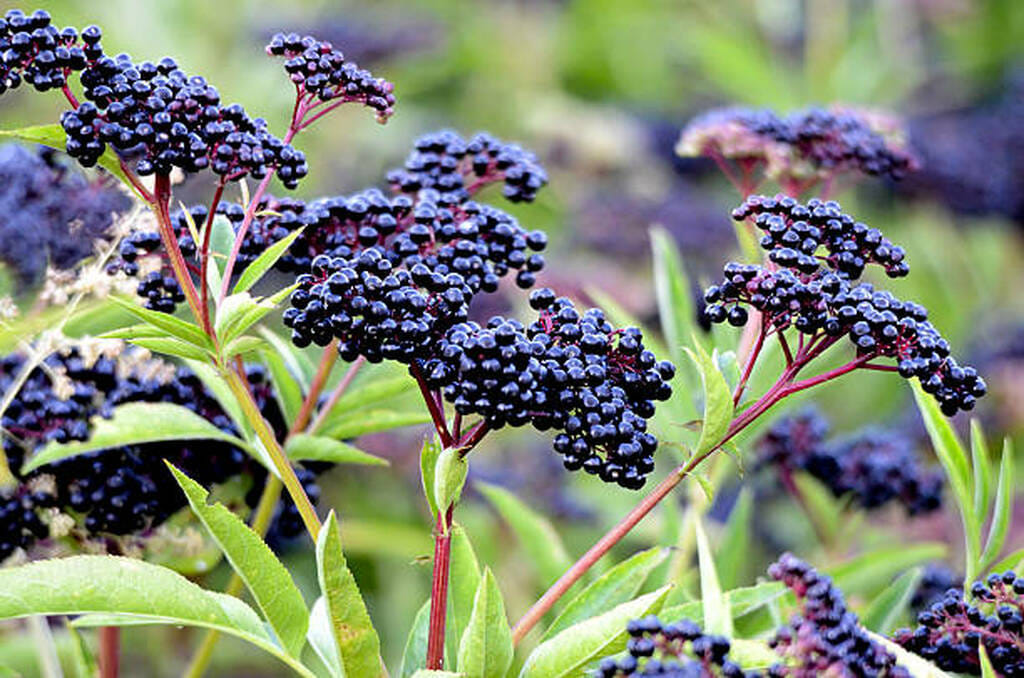
Yes, deer eat elderberry bushes, especially the berries produced by elderberry plants during late summer and early fall. Elderberry bushes are a natural food source that can influence deer movement, browsing behavior, and habitat quality on hunting properties.
White-tailed deer do not depend only on large food plots or agricultural crops. Their diet changes throughout the year based on seasonal food availability, plant growth stages, and habitat conditions. Elderberry bushes provide fruit, foliage, and cover that make them valuable components of a diverse deer habitat.
For hunters and land managers, understanding how deer interact with elderberry bushes helps improve habitat planning and scouting decisions. Elderberry can support wildlife diversity while adding another native food source to areas managed for deer activity.
This guide explains whether deer eat elderberry bushes, which parts of the plant they consume, when deer feed on elderberries, and how hunters can use elderberry plants as part of a broader deer habitat improvement strategy.
Do deer eat elderberry bushes?
Yes, deer eat elderberry bushes, especially the berries produced by mature elderberry plants. Elderberry bushes are considered a natural browse and fruit source for deer because they provide seasonal nutrition when other food sources may become less available.
White-tailed deer interact with elderberry plants differently depending on the season and plant growth stage. During the fruiting period, deer are attracted to clusters of ripe elderberries because the berries provide an energy-rich food source. Outside the fruiting season, deer may browse on the softer parts of the plant, including young leaves and shoots.
The importance of elderberry bushes depends on the surrounding habitat. Deer are selective feeders that choose food based on availability, nutritional value, accessibility, and seasonal needs. A single elderberry bush may not attract deer by itself, but a group of native fruit-producing shrubs can become part of a valuable habitat system.
For hunters, elderberry bushes are useful because they represent a predictable natural food source. Areas containing elderberry and other preferred deer plants can influence deer travel patterns, especially when located near bedding areas, cover, or established movement corridors.
What parts of elderberry bushes do deer eat?
Deer eat multiple parts of elderberry bushes, including berries, young leaves, and soft stems. The part consumed depends mainly on seasonal availability and the nutritional needs of the deer.
Elderberry berries are the most attractive food component because they appear during a limited seasonal window. When the berries ripen, deer may visit elderberry plants to consume the fruit as part of their late summer and early fall feeding pattern.
Deer also browse elderberry foliage when young plant growth is available. Leaves and tender shoots contain plant nutrients that support deer nutrition, especially during periods when other high-quality forage sources are limited.
The feeding pattern shows why elderberry should be viewed as more than a fruit-producing shrub. For wildlife managers, the entire plant contributes to habitat value by providing both food resources and structural cover for different species.
Why do deer eat elderberry bushes?
Deer eat elderberry bushes because the plants provide seasonal food value, accessible forage, and a natural nutrition source within their habitat. Elderberry fits into a deer’s feeding pattern because it produces fruit during a period when deer are actively seeking high-energy food sources.
One reason deer consume elderberry is the availability of ripe berries during late summer and early fall. Fruit-producing plants help diversify a deer’s diet by adding carbohydrates and natural sugars that support energy requirements before colder months and increased activity periods.
Another reason is accessibility. Elderberry bushes often grow in woodland edges, fields, stream banks, and disturbed areas where deer commonly travel. When food sources are located along existing movement routes, deer are more likely to encounter and use them as part of their regular feeding behavior.
Elderberry also contributes to habitat diversity. A property containing multiple native food sources creates a more stable environment for deer because food availability changes throughout the year. Hunters who manage land for deer often focus on creating a combination of browse plants, mast-producing trees, and fruit-bearing shrubs rather than relying on a single food source.
When do deer eat elderberry berries?
Deer usually eat elderberry berries when the fruit ripens in late summer and early fall. This seasonal timing makes elderberry valuable because it provides a natural food source during a transition period before many fall food sources become dominant.
Elderberry berries typically become available after flowering when the plant produces clusters of dark purple or black fruit. During this period, deer may increase their visits to areas containing mature elderberry bushes because the fruit provides an easily accessible energy source.
The timing of elderberry availability can affect deer movement patterns. When natural fruits become available, deer may adjust their daily travel routes to include areas with productive berry-producing plants. Hunters can use this knowledge when scouting properties and identifying locations with consistent deer activity.
However, elderberry is only one part of a deer’s seasonal diet. Deer continue to evaluate available food based on nutritional quality, abundance, and environmental conditions. Properties with elderberry combined with other food sources often provide stronger habitat value than properties depending on a single plant species.
Are elderberry bushes good for deer hunting properties?
Elderberry bushes are valuable additions to deer hunting properties because they provide a natural food source and improve habitat diversity. For hunters managing private land, elderberry can support deer activity by adding another seasonal food option alongside food plots, mast-producing trees, and other native vegetation.
A strong deer habitat does not depend on one plant species. Deer select feeding areas based on the combination of food availability, cover, water sources, and safety. Elderberry bushes contribute to this system by producing fruit while also creating additional vegetation structure that can benefit wildlife throughout the year.
Elderberry becomes especially useful when planted or maintained near areas where deer already travel. Locations such as woodland edges, transition zones, and areas near bedding cover can increase the chance that deer encounter and use these plants naturally.
For hunting land managers, the goal is not to create a single “magic” deer attractant. The goal is to develop a balanced habitat where multiple food sources are available during different seasons. Elderberry works best as part of a broader deer management strategy that includes native plants, browse species, and habitat improvement practices.
Read more: Will Deer Eat Chufa?
How do elderberry bushes compare with other deer food sources?
Elderberry bushes provide deer with a seasonal fruit source, but they serve a different role compared with other major deer food sources such as acorns, crops, and forage plants. Each food source contributes different nutritional benefits and becomes important at different times of the year.
Acorns from oak trees are one of the most important fall food sources for many deer populations because they provide high-energy fats and carbohydrates. Agricultural crops such as corn and soybeans can also attract deer because they offer concentrated food availability across large areas.
Elderberry differs because it is a native fruit-producing shrub that provides food during a specific seasonal period. While elderberry may not replace large food plots or mast-producing trees, it adds diversity to a property’s overall food system.
Other fruit-producing plants, such as persimmon trees and native berry shrubs, can complement elderberry by extending the availability of natural foods. A property with multiple food sources gives deer more reasons to remain within the area and reduces dependence on a single seasonal resource.
How can hunters use elderberry bushes to improve deer habitat?
Hunters can use elderberry bushes to improve deer habitat by adding native food sources, increasing plant diversity, and creating more attractive feeding areas. Elderberry works best when it is included as part of a complete habitat management plan rather than used as a standalone deer attractant.
The first step is choosing suitable planting locations. Elderberry grows well in areas with sufficient sunlight and moisture, including woodland edges, field borders, and natural transition zones. These locations are valuable because deer frequently use edge habitats where food, cover, and travel routes overlap.
The second step is combining elderberry with other habitat improvements. A diverse deer property may include fruit-producing shrubs, native grasses, browse plants, oak trees, and food plots. This combination creates a wider range of food options throughout different seasons and supports more consistent deer activity.
The third step is maintaining the plants over time. Mature elderberry bushes produce more reliable fruit and provide greater habitat value than poorly maintained plants. Hunters managing land should monitor plant health, protect young plants from excessive browsing, and evaluate how deer interact with the area.
Elderberry bushes are most effective when they support the natural behavior of deer. Good habitat management focuses on creating conditions where deer naturally want to feed, travel, and spend time on the property.
What other shrubs do deer eat besides elderberry?
Deer eat many shrub species besides elderberry, including blackberry bushes, plum trees, dogwood, and other native browse plants. These plants contribute to a diverse deer diet by providing different types of food throughout the year.
Blackberry bushes are common deer browse plants because they produce fruit and provide green vegetation. Deer may consume both the berries and the leaves depending on seasonal availability.
Persimmon trees are another valuable deer food source because their fruit becomes available during fall when deer are preparing for increased energy demands. The timing of persimmon production can make these trees important locations for deer activity.
Native shrubs such as dogwood and wild plum also support deer habitat by providing browse, cover, and seasonal food resources. These plants are especially useful in areas where land managers want to create a more natural environment instead of relying only on agricultural food plots.
For hunters, understanding multiple deer food sources helps create better scouting strategies. Deer movement is usually influenced by the entire habitat system, not a single plant. Properties with a variety of preferred plants are more likely to support consistent deer activity throughout the year.