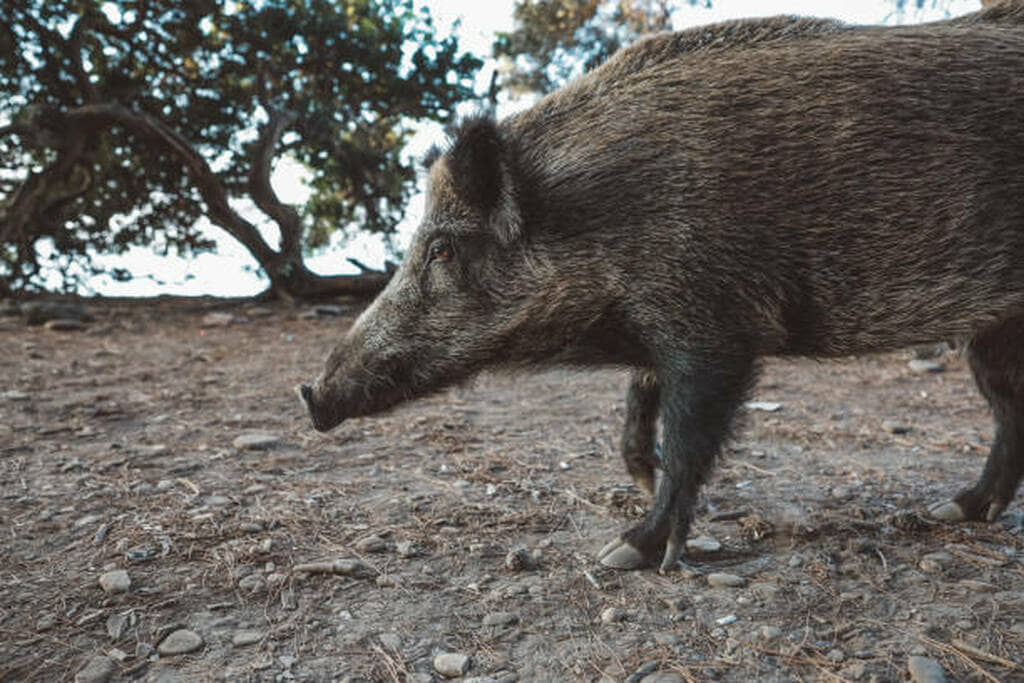
Missing a running hog is common because shooting a moving target requires precise timing, target tracking, and sound judgment rather than simply accurate aim. Many hunters assume the miss happens because the hog is too fast, but the reality is that several factors work together. The animal’s speed, frequent changes in direction, bullet flight time, shooting position, and the shooter’s technique all influence whether the shot lands in the vital zone.
Running hogs also behave differently from many other game animals. They accelerate quickly, weave through heavy cover, and often appear for only a few seconds before disappearing. This short shooting window causes many hunters to rush the shot instead of maintaining a smooth swing and proper follow-through. Even experienced hunters can miss when they stop tracking the animal at the moment they pull the trigger or underestimate how far the hog will travel before the bullet arrives.
This guide explains the 9 most common reasons hunters miss running hogs and, more importantly, how to correct them. You’ll learn how hog speed affects shot timing, why proper target lead matters, where to aim on a moving hog, what equipment improves hit probability, and how to practice moving-target shooting safely. By understanding both the animal’s movement and the mechanics of accurate shooting, you can make cleaner, more ethical shots while knowing when passing on a running opportunity is the better decision.
Why do hunters miss running hogs so often?
Hunters miss running hogs because multiple variables change simultaneously during the shot, making moving targets far more difficult than stationary ones. A running hog can accelerate, change direction, disappear behind vegetation, or alter its body angle within seconds. At the same time, the hunter must estimate speed, judge distance, maintain a smooth swing, apply the correct lead, and squeeze the trigger without stopping the firearm’s movement.
The biggest challenge is that a bullet does not reach the target instantly. Even high-velocity rifle cartridges require a measurable amount of time to travel to the hog. During that brief interval, the animal continues moving. If the hunter aims directly at the hog instead of ahead of its path, the bullet often passes behind the vital organs. This explains why many misses occur even when the crosshair appears to be on the animal at the moment the trigger is pulled.
Running hog behavior further reduces hit probability. Unlike deer that may bound in a relatively predictable pattern, wild hogs frequently zigzag, lower their bodies while running, and use brush, tall grass, or timber as cover. These sudden movements shorten the available shooting window and force hunters to make quick decisions under pressure.
Psychological pressure also contributes to missed shots. Many hunters rush because they believe the opportunity will disappear within seconds. Instead of maintaining proper sight picture and trigger control, they fire as soon as the reticle touches the animal. This hurried response often causes jerking the trigger, stopping the rifle swing, or lifting the head from the stock before the shot breaks.
Environmental conditions make accurate shooting even more difficult. Uneven terrain, poor light, thick vegetation, wind, and unstable shooting positions reduce the margin for error. Even experienced hunters who consistently shoot tight groups from a bench may struggle when every variable changes at once in the field.
How fast can a running hog move?
A healthy wild hog can reach approximately 25–30 mph (40–48 km/h) over short distances, although its exact speed depends on age, body size, terrain, and physical condition. Younger hogs usually accelerate faster, while mature boars rely more on strength than sustained speed. Regardless of size, nearly every hog can cover several feet before a bullet reaches its previous location.
Terrain significantly influences how a hog moves. On open ground, a hog often maintains a straighter path, making its movement easier to predict. In dense woods or thick brush, however, it constantly changes direction to avoid obstacles and locate cover. These rapid adjustments make estimating the correct lead much more difficult than simply calculating running speed.
Speed matters because it directly affects shot timing. The farther the shooting distance, the longer the bullet remains in flight and the farther the hog travels before impact. At close range, only a small amount of lead may be necessary. As distance increases, both bullet flight time and target movement increase, requiring more precise tracking and better judgment.
Hunters should also remember that speed is only one part of the equation. Direction matters just as much as velocity. A hog running broadside requires noticeable lead because it moves perpendicular to the bullet’s path. In contrast, a hog moving toward or away from the shooter generally requires much less horizontal lead, although selecting an ethical shot angle becomes more important than simply making contact.
What are the 9 most common mistakes hunters make when shooting running hogs?
Most missed shots on running hogs can be traced to nine correctable mistakes. Understanding these errors helps hunters improve their shooting technique while increasing the likelihood of a clean, ethical harvest.
1. Stopping the rifle swing before pulling the trigger
The most common mistake is stopping the firearm as the shot breaks. Many hunters smoothly track the hog until the instant they pull the trigger, then unconsciously freeze the rifle. Because the hog continues moving during the bullet’s flight, the shot lands behind the intended point of impact.
Instead of stopping at the trigger break, continue swinging with the hog for a brief moment after firing. This follow-through keeps the muzzle moving naturally and prevents shots from trailing the animal.
2. Giving too little lead
Many hunters underestimate how far a hog travels before the bullet arrives. They place the reticle directly on the shoulder instead of aiming ahead of the animal’s path.
The required lead depends on several variables, including the hog’s speed, shooting distance, bullet velocity, and the angle of movement. At close range, only a slight lead may be necessary. At longer distances, the correct lead increases because the bullet remains in the air longer.
Rather than memorizing exact measurements, experienced hunters focus on maintaining a smooth swing that naturally creates the appropriate lead for the situation.
3. Giving too much lea
Overcompensating can be just as problematic as giving too little lead. Hunters who anticipate a fast-moving hog sometimes place the reticle too far in front of the animal, causing the bullet to pass harmlessly ahead of the head or chest.
This mistake often occurs after previous misses behind the target. Instead of correcting technique, the hunter overadjusts on the next opportunity.
Consistent practice on moving targets helps develop an intuitive sense of lead rather than relying on guesswork.
4. Watching the reticle instead of the hog
Accurate moving-target shooting depends on tracking the animal, not staring at the crosshair.
Hunters who focus exclusively on the reticle often lose awareness of the hog’s speed and direction. Their rifle movement becomes inconsistent because they react to the optic instead of the target.
Experienced shooters keep their visual attention on the hog’s shoulder while allowing the reticle to move naturally through the sight picture.
5. Jerking the trigger
A rushed trigger pull frequently pulls the muzzle off target at the last moment.
When adrenaline rises, hunters sometimes slap the trigger instead of applying steady rearward pressure. Even a slight movement of the rifle can shift the point of impact several inches, especially at moderate hunting distances.
A smooth trigger press allows the shot to break without disturbing the rifle’s alignment.
6. Choosing a poor shot angle
Not every running hog presents an ethical shooting opportunity.
Quartering-away and broadside presentations generally offer the highest probability of reaching the vital organs. Conversely, sharply quartering, frontal, or directly rear-facing shots provide a much smaller margin for error and increase the risk of merely wounding the animal.
Successful hunters evaluate the shot angle before deciding whether to shoot rather than firing at every available opportunity.
7. Misjudging distance
Distance affects far more than bullet drop during a running shot.
As range increases, bullet flight time also increases, requiring additional lead and making any small aiming error more significant. Many hunters estimate distance incorrectly in dense timber or uneven terrain, leading them to apply the wrong amount of lead.
Using landmarks, rangefinders before game appears, or becoming familiar with common shooting distances on a property helps reduce this error.
8. Shooting beyond personal skill level
A running shot that one hunter considers routine may be unrealistic for another.
Experience, practice frequency, physical fitness, eyesight, and familiarity with the rifle all influence a hunter’s effective range on moving game. Attempting difficult shots beyond one’s demonstrated ability often results in unnecessary misses or wounded animals.
Responsible hunters establish personal limits based on practice performance rather than confidence alone.
9. Failing to follow through after the shot
Many hunters believe their job ends when the trigger breaks.
In reality, maintaining the shooting position through recoil improves consistency and prepares the shooter for an immediate follow-up shot if necessary. Lifting the head, relaxing the shoulder, or lowering the rifle immediately after firing interrupts follow-through and reinforces poor shooting habits.
Proper follow-through completes the entire shooting sequence—from target acquisition to recoil recovery—and is one of the habits that consistently separates experienced moving-target shooters from beginners.
How do you lead a running hog correctly?
Leading a running hog means aiming ahead of the animal’s path so the bullet and the hog arrive at the same point simultaneously. The correct lead is not a fixed distance. It changes with the hog’s speed, the shooting distance, the bullet’s velocity, and the angle at which the animal is moving.
The first factor is target angle. A hog running broadside across the shooter’s field of view requires the greatest amount of lead because it travels perpendicular to the bullet’s path. A hog moving diagonally requires less lead, while one running directly toward or away from the hunter requires very little horizontal lead. Recognizing the angle before mounting the rifle is often more important than estimating the hog’s exact speed.
Distance is the second major factor. As the range increases, bullet flight time also increases. Even fast rifle cartridges need additional time to reach targets at 100 or 150 yards compared with 40 yards. During that extra fraction of a second, the hog continues moving, increasing the amount of lead required. This is why hunters who shoot accurately at close range often miss behind hogs at longer distances.
Bullet velocity also influences lead, although it is usually a smaller factor than target movement. Faster cartridges shorten flight time and slightly reduce the amount of lead needed. Slower bullets remain in the air longer, giving the hog more time to move before impact. While understanding your ammunition helps, good tracking technique contributes more to consistent hits than relying on cartridge speed alone.
Instead of trying to calculate inches of lead in the field, experienced hunters rely on continuous movement. They match the rifle’s speed to the hog, swing smoothly through the target, and fire without stopping the muzzle. This technique, commonly called swing-through, produces more consistent results because it keeps the firearm moving naturally until after the shot breaks.
Follow-through is the final step. Continue tracking the hog after firing rather than immediately lowering the rifle or lifting your head from the stock. Maintaining movement through recoil improves consistency and allows a faster, more controlled follow-up shot if the first shot does not immediately anchor the animal.
Where should you aim on a running hog?
The best aiming point depends on the hog’s body angle and whether an ethical shot is available, not simply on whether the animal is within range. A clean harvest requires the bullet to reach the heart, lungs, or central nervous system while minimizing unnecessary suffering.
A broadside shot offers the largest vital zone and the highest margin for error. As the hog moves across the hunter’s field of view, the goal is to place the bullet into the heart-lung area while applying the appropriate lead. A properly executed broadside shot provides consistent penetration into the vital organs and usually creates an easier blood trail if the hog runs after impact.
A quartering-away shot can also be highly effective because the bullet travels forward through the chest cavity before reaching the vital organs. Many experienced hog hunters consider this one of the most forgiving shot angles, provided the hunter understands where the bullet will exit rather than focusing only on the entry point.
In contrast, frontal and sharply quartering-toward shots leave very little room for error. A running hog presents a constantly changing target, and the heavy shield over the shoulder of mature boars, combined with dense muscle and bone, can reduce the chance of reaching the vital organs if bullet placement is not precise. These shots should generally be reserved for situations where the hunter has complete confidence in both the angle and the available shooting window.
Hunters should also avoid taking shots when vegetation obscures the chest, when another animal overlaps the target, or when the background cannot be positively identified. A missed shot is always preferable to an unsafe shot. Passing on a low-percentage opportunity demonstrates sound judgment and supports ethical hunting practices.
Regardless of the angle, focus on the intended point of impact rather than the entire animal. Trying to “hit the hog anywhere” often results in poor shot placement. Concentrating on the vital zone while maintaining a smooth swing gives the highest probability of a quick, humane harvest.
Read more: Why Hogs Become Nocturnal: The Real Reasons Wild Hogs Shift to Nighttime Activity
Which equipment improves accuracy on running hogs?
The right equipment cannot compensate for poor shooting technique, but it can make target acquisition faster, improve sight alignment, and increase consistency on moving game. Hunters who regularly pursue running hogs should prioritize equipment that supports rapid target tracking rather than maximum magnification.
A low-power variable optic (LPVO), such as a 1–4× or 1–6× scope, is one of the most versatile choices. At low magnification, it provides a wide field of view, making it easier to locate and follow a fast-moving hog through brush or open terrain. The shooter can quickly increase magnification if a longer shot presents itself, but most running shots occur at relatively close to moderate distances where a wider field of view is more valuable than additional zoom.
A red dot sight is another excellent option for close-range hog hunting. Because the shooter keeps both eyes open, target tracking feels more natural and peripheral vision remains largely unobstructed. This setup is particularly effective in thick woods, dense vegetation, or during nighttime hunts where hogs often appear suddenly and disappear just as quickly.
A properly fitted rifle also improves accuracy. If the stock length is too long or too short, mounting the rifle consistently becomes difficult. Poor stock fit slows target acquisition and makes maintaining a stable cheek weld more challenging. A rifle that naturally aligns with the shooter’s eye allows faster, more repeatable shots without unnecessary adjustment.
Trigger quality has a noticeable effect on moving-target shooting. A heavy, gritty, or inconsistent trigger encourages jerking the shot, especially under pressure. A clean trigger with a predictable break helps the shooter fire without disturbing the rifle’s movement. The objective is not an extremely light trigger but one that breaks consistently and safely under hunting conditions.
Reliable ammunition is equally important. Different bullet weights and loads produce different velocities and points of impact. Switching between ammunition types without confirming zero can create unexpected misses. Practicing and hunting with the same load builds confidence and ensures the bullet performs as expected when an opportunity appears.
Finally, carrying equipment that allows a stable shooting position can increase hit probability. Shooting sticks, tripods, or natural field rests such as trees and fence posts reduce unnecessary movement when time permits. Although many running shots are taken offhand, using available support whenever possible improves stability without sacrificing speed.
How can hunters practice for moving hog shots safely?
Improving accuracy on running hogs starts long before hunting season. The most effective shooters develop their skills through structured practice that builds target tracking, trigger control, and follow-through under controlled conditions.
One of the best training methods is shooting at a running boar range, where a life-sized target moves across the shooter’s field of view at a controlled speed. These facilities allow hunters to practice tracking a moving target repeatedly without the unpredictability of a live animal. Because speed and direction remain consistent, shooters can refine their swing, timing, and follow-through while identifying errors more easily.
Sporting clays also provide valuable practice. Although clay targets differ from running hogs, both require the shooter to judge speed, maintain a smooth swing, and fire without stopping the firearm. Many experienced hunters use sporting clays during the off-season to improve target tracking and hand-eye coordination.
Dry-fire practice is another effective training tool that requires no ammunition. After confirming the firearm is completely unloaded and following all safety procedures, hunters can practice mounting the rifle, acquiring a target, tracking imaginary movement, and pressing the trigger smoothly. This repetition develops muscle memory and reinforces proper shooting mechanics without recoil or ammunition costs.
Tracking drills can further improve consistency. Instead of immediately firing, practice following moving objects such as swinging targets or safe training aids while maintaining a steady sight picture. The goal is to keep the reticle moving at the same speed as the target without abrupt acceleration or hesitation. This exercise trains the eyes and hands to work together during dynamic shots.
Hunters should also practice from realistic field positions rather than relying exclusively on a shooting bench. Standing, kneeling, sitting, and using natural support all recreate situations commonly encountered during hog hunts. Training under realistic conditions exposes weaknesses that often remain hidden during static benchrest shooting.
Finally, establish clear personal limits before entering the field. Consistently hitting a moving target during practice is the best indicator of ethical shooting distance while hunting. If accuracy begins to decline as distance increases or target speed changes, reduce the maximum shooting range accordingly. Knowing when not to take a shot is as important as mastering the mechanics of making one.
When should you avoid shooting at a running hog?
Passing on a shot is sometimes the safest and most ethical decision. A hunter should only shoot when there is a high probability of delivering a quick, humane harvest without endangering people, dogs, livestock, or property.
Avoid shooting if the background is unsafe. Bullets that miss or pass through a hog can travel long distances. Before firing, identify what lies beyond the target and ensure the bullet has a safe backstop. Never shoot toward roads, buildings, vehicles, or areas where other hunters may be present.
Do not take a running shot when visibility is limited. Tall grass, thick brush, poor lighting, or multiple hogs moving together can obscure the animal’s vital zone. Even if part of the hog is visible, branches or vegetation may deflect the bullet or cause poor shot placement.
Distance is another critical factor. As range increases, estimating lead becomes more difficult while the target appears smaller and moves farther during bullet flight. If the shot exceeds the distance at which you can consistently hit the vital zone during practice, the ethical choice is to let the hog pass.
Hunters should also avoid shooting when the hog is running directly toward dogs or other hunters. Fast-moving situations can change within seconds, making target identification and safe bullet placement much more difficult. Maintaining muzzle discipline and positive target identification must always take priority over harvesting an animal.
Finally, avoid shooting when you feel rushed or uncertain. Hesitation often indicates that one or more critical factors—distance, angle, visibility, or safety—have not been fully evaluated. Waiting for a better opportunity typically results in cleaner shots and fewer wounded animals.
Frequently Asked Questions
Is it harder to shoot a running hog than a deer?
Generally, yes. Running hogs often accelerate quickly, change direction abruptly, and use dense cover while moving. Their lower body position and unpredictable movement reduce the available shooting window compared with many deer encountered in open terrain.
Can a shotgun be better than a rifle for running hogs?
At close range, a shotgun loaded with appropriate hunting ammunition can be more forgiving because of its wider effective pattern. At longer distances, however, a rifle provides greater accuracy, energy, and consistency. The better choice depends on hunting terrain, expected shooting distance, and local hunting regulations.
How much lead should you give a running hog?
There is no universal measurement. Proper lead depends on the hog’s speed, distance, direction of travel, and the bullet’s flight time. Rather than memorizing a fixed number of inches or feet, experienced hunters develop consistent lead through practice on moving targets.
What is the best distance for shooting a running hog?
The best distance is the one at which the hunter can consistently place shots into the vital zone under realistic field conditions. For many hunters, close to moderate distances provide the highest probability of a clean, ethical harvest because target movement is easier to track and less lead is required.
Should beginners shoot at running hogs?
In most situations, beginners should wait for stationary or slowly moving opportunities. Building confidence on standing targets first helps develop proper trigger control, shot placement, and judgment before attempting the additional complexity of shooting moving game.
Final Thoughts
Hunters miss running hogs for many reasons, but most misses result from technique rather than equipment. Stopping the rifle swing, misjudging lead, rushing the trigger, and taking low-percentage shots are all mistakes that can be corrected through deliberate practice and disciplined decision-making.
Improving moving-target accuracy requires understanding how hogs move, how bullet flight time affects impact, and how to maintain a smooth swing from target acquisition through follow-through. Equally important is recognizing when not to shoot. Choosing to pass on an unsafe or low-probability opportunity reflects responsible hunting and often leads to better opportunities later in the hunt.
Whether you are new to hog hunting or looking to improve your success rate, consistent practice under realistic conditions remains the most effective way to build confidence and accuracy. Every well-executed shot begins long before the trigger is pulled.