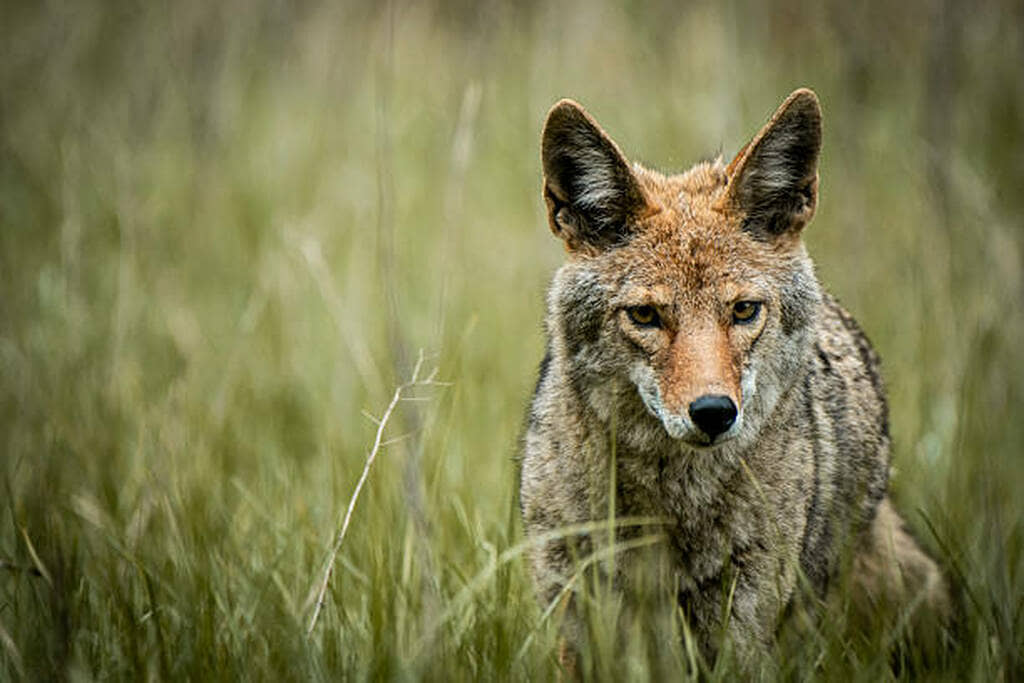
Coyotes have become one of the most widespread predators in Florida, expanding from the Panhandle to nearly every county in the state. Their growing population has increased encounters with livestock, pets, and native wildlife, making coyote hunting both a recreational activity for hunters and a wildlife management tool in many areas. However, hunting coyotes in Florida is not as simple as choosing a location and heading into the field. State regulations, land access rules, hunting methods, and legal equipment all determine whether a hunt is lawful and successful.
This guide explains everything you need to know about coyote hunting in Florida, including hunting laws, license requirements, hunting seasons, legal equipment, public and private hunting opportunities, and proven strategies for locating and calling coyotes. You’ll also learn the most common mistakes new hunters make, practical safety considerations, and answers to frequently asked questions that can help you avoid costly violations.
Whether you’re planning your first predator hunt or looking to improve your success rate, this guide provides a complete, up-to-date resource for hunting coyotes legally, safely, and effectively in Florida.
Is Coyote Hunting Legal in Florida?
Yes, coyote hunting is legal in Florida. The Florida Fish and Wildlife Conservation Commission (FWC) classifies coyotes as a native species rather than a protected game animal. Because coyote populations have expanded across the state and frequently cause conflicts with livestock, pets, and other wildlife, Florida allows hunters and landowners to remove coyotes under specific regulations.
The rules that apply depend primarily on where you hunt rather than the animal itself. Hunting on private property is governed by different regulations than hunting on public land, especially within Wildlife Management Areas (WMAs). Each WMA operates under its own set of hunting rules, including season dates, legal hunting methods, firearm restrictions, and permit requirements. Hunters should always review the regulations for the specific property before planning a hunt.
Florida law also regulates the equipment and methods used to hunt coyotes. Firearms, shotguns, bows, electronic calls, suppressors, thermal optics, and night vision devices may all be legal in certain situations, but their use depends on state law and the rules of the property where the hunt takes place. Assuming that equipment allowed on private land is automatically legal on public land is one of the most common mistakes made by new hunters.
In addition to hunting regulations, hunters must follow general firearm safety laws, respect property boundaries, and obtain permission before entering private land. Ignoring these requirements can result in trespassing charges or wildlife violations, even when hunting coyotes themselves is otherwise legal.
Do You Need a Hunting License to Hunt Coyotes in Florida?
Most hunters need a valid Florida hunting license to hunt coyotes. A hunting license is generally required whenever a person hunts wildlife on public land or participates in regulated hunting activities. Florida also requires additional permits for many Wildlife Management Areas, where access and hunting opportunities are managed separately from general hunting licenses.
Private land follows different rules. Landowners who are protecting livestock, poultry, domestic animals, or agricultural property may have different legal options for removing nuisance coyotes on their own property. However, these exceptions do not automatically apply to guests or recreational hunters. Anyone hunting on another person’s land should obtain permission from the landowner and confirm whether a hunting license or additional authorization is required.
Hunters planning to use Wildlife Management Areas should expect more regulations than those hunting on private property. Many WMAs require area-specific permits, restrict hunting to designated seasons, or limit the types of firearms and hunting methods that may be used. Checking the regulations for the individual WMA before every trip helps avoid violations, since rules can vary significantly from one management area to another.
Before purchasing equipment or planning a hunt, reviewing the latest FWC regulations is one of the most important steps. Hunting laws may change from year to year, and local rules for specific public lands can differ from statewide regulations. Confirming the legal requirements in advance protects both the hunter and Florida’s wildlife resources.
Is There a Coyote Hunting Season in Florida?
Coyotes can generally be hunted year-round in Florida, but the applicable regulations depend on where the hunt takes place. Unlike many game species that have defined open and closed seasons, coyotes are not managed under a statewide hunting season with a fixed opening or closing date. This flexible approach allows landowners and wildlife managers to control coyote populations throughout the year, particularly in areas where they threaten livestock, pets, or native wildlife.
Although there is no general statewide season for coyotes, hunters should never assume they can hunt anywhere at any time. Wildlife Management Areas (WMAs) operate under individual management plans that establish when predator hunting is allowed. Some WMAs only permit coyote hunting during specific deer, small game, or general gun seasons, while others prohibit predator hunting outside designated periods. Reading the regulations for the specific WMA is therefore more important than relying on the statewide rule.
Florida also does not establish a statewide bag limit for coyotes in most hunting situations. Since coyotes are managed as a predator species rather than a traditional game animal, hunters are generally not limited to harvesting a specific number each day. However, individual public hunting areas may impose harvest restrictions or reporting requirements as part of their wildlife management objectives.
Hunting hours can also differ depending on the property. On private land, legal hunting opportunities may be broader, provided all state laws are followed. On public land, hunting is usually restricted to the hours and methods authorized for that management area. Hunters using thermal optics, electronic calls, or other specialized equipment should confirm that those methods are permitted where they intend to hunt, as equipment rules often vary by location.
Because regulations are periodically updated, checking the latest FWC guidance before every season remains the safest approach. Even experienced hunters routinely verify local rules to ensure their hunt complies with current wildlife management policies.
Where Can You Hunt Coyotes in Florida?
Coyotes can be hunted on both private land and designated public hunting areas in Florida, provided all applicable regulations are followed. Choosing the right location has a greater impact on hunting success than any firearm or calling technique because coyote density, hunting pressure, and habitat quality vary significantly across the state.
Private land offers the greatest flexibility for most coyote hunters. Agricultural properties, cattle ranches, timber plantations, citrus groves, and large undeveloped tracts frequently support healthy coyote populations because they provide reliable food, water, and cover. Hunting on private property also allows hunters to scout consistently, establish predictable stand locations, and hunt with less competition than on heavily used public land. Written permission from the landowner should always be obtained before entering private property.
Public hunting opportunities are available through Florida’s Wildlife Management Area system. Many WMAs contain extensive forests, wetlands, and upland habitats where coyotes are well established. However, every WMA has its own regulations governing seasons, legal weapons, access points, permits, and hunting methods. A location that allows predator hunting during one season may prohibit it during another, making advance planning essential.
Habitat selection plays a major role in locating coyotes. In Florida, coyotes commonly travel along habitat edges where open feeding areas meet dense cover. Pine flatwoods, cattle pastures, oak hammocks, agricultural fields, marsh edges, and recently harvested timber stands often provide ideal hunting conditions because they combine concealment with abundant prey such as rabbits, rodents, wild hog piglets, and ground-nesting birds.
Successful hunters spend more time scouting than shooting. Fresh tracks, scat, game trails, vocalizations at dawn or dusk, and trail camera images all help identify active travel corridors before the hunt begins. Rather than choosing a stand based solely on convenience, experienced predator hunters evaluate wind direction, visibility, shooting lanes, and likely approach routes to maximize the chance of calling a cautious coyote into range.
What Equipment Is Legal for Coyote Hunting in Florida?
Florida allows several hunting methods for coyotes, but the legality of each depends on where you hunt. The rules for private property often differ from those for Wildlife Management Areas (WMAs), so hunters should verify the regulations for the specific property before bringing equipment into the field.
Centerfire rifles are the most common choice because they provide the accuracy needed for ethical shots at medium and long distances. Popular calibers include .223 Remington, .22-250 Remington, .243 Winchester, and 6.5 Creedmoor. The .223 Remington is the most widely used option because it offers light recoil, affordable ammunition, and sufficient energy to harvest coyotes cleanly within normal hunting distances.
Shotguns are another effective option, particularly in Florida’s dense vegetation where visibility is often limited to less than 50 yards. Many hunters use 12-gauge shotguns loaded with No. 4 Buck, BB, or T-shot when calling coyotes through palmetto flats, swamps, or thick pine plantations. These loads provide adequate penetration while increasing the chances of connecting with a fast-moving animal at close range.
Archery equipment can also be used where regulations allow. Compound bows and crossbows are generally chosen by hunters seeking shorter-range encounters or participating in predator hunting during overlapping archery opportunities. Because coyotes present a relatively small target, broadhead selection and shot placement become more important than draw weight alone.
Electronic callers have become one of the most effective tools for predator hunting. Instead of manually producing sounds, electronic callers broadcast realistic distress calls and coyote vocalizations at a distance from the hunter. Positioning the caller 20 to 40 yards away helps shift the coyote’s attention away from the shooting position, increasing the likelihood of an undetected approach.
Thermal scopes and night vision optics have also transformed modern predator hunting. Thermal devices detect heat signatures, making coyotes easier to locate in darkness or dense vegetation, while night vision amplifies available light to improve target identification. These technologies can dramatically improve detection rates, but their legality depends on Florida regulations and any additional restrictions imposed by the specific property or WMA.
Suppressors are another piece of equipment many predator hunters prefer where legally permitted. Besides reducing muzzle blast, suppressors minimize disturbance to nearby wildlife and decrease the likelihood of educating other coyotes after the first shot. Lower noise levels also improve communication between hunting partners and reduce hearing damage during repeated hunts.
Regardless of the equipment selected, identifying the target beyond any doubt remains the hunter’s responsibility. Coyotes can easily be mistaken for domestic dogs under poor lighting conditions or at long distances. Hunters should only fire after confirming the animal’s identity, ensuring a safe backstop, and verifying that the shot complies with all applicable hunting regulations.
How Do You Hunt Coyotes Successfully in Florida?
Successful coyote hunting in Florida depends more on preparation and strategy than on expensive equipment. Coyotes possess exceptional hearing, a highly developed sense of smell, and cautious behavior that allows them to detect mistakes long before they enter shooting range. Consistent success comes from reducing those mistakes rather than relying on luck.
Scouting is the foundation of every productive hunt. Experienced hunters search for fresh tracks, scat, prey remains, game trails, and repeated trail camera activity before selecting a stand. Listening for howling shortly after sunset or before sunrise can also reveal family groups occupying a particular area. Spending several days scouting often produces better results than hunting a random location without prior knowledge of coyote movement.
Stand selection should always prioritize wind direction. Coyotes nearly always attempt to approach a call from the downwind side, using their sense of smell to confirm whether the sound represents genuine prey or a potential threat. Setting up with a crosswind or quartering wind forces the animal to expose itself before reaching the hunter’s scent cone, creating a better opportunity for a clean shot.
Calling strategy is equally important. Most successful stands begin with low-volume prey distress sounds for the first few minutes before gradually increasing the volume if no response occurs. Starting too loudly can alarm nearby coyotes or make the sound appear unnatural. Rabbit distress calls remain one of the most productive choices throughout Florida, while rodent distress, bird distress, and coyote pup distress calls can be highly effective under the right conditions.
Patience is another factor that separates experienced predator hunters from beginners. A typical stand lasts 20 to 30 minutes, allowing enough time for cautious coyotes to investigate without rushing into the open. Leaving after only a few minutes often means abandoning the location just before an approaching coyote arrives.
Movement should be kept to an absolute minimum. Coyotes notice unnatural motion far more readily than stationary objects. Remaining still, wearing camouflage that matches the surrounding vegetation, and positioning yourself against natural cover all reduce the chance of being detected before taking a shot.
Shot placement determines whether the harvest is ethical and humane. The highest-percentage target is the heart-lung area, located directly behind the front shoulder. A broadside coyote presents the largest vital zone and offers the greatest margin for error. Attempting difficult running shots or shooting through heavy brush significantly increases the risk of wounding the animal rather than harvesting it cleanly.
Finally, successful hunters adapt to Florida’s unique environments instead of applying techniques developed for open western landscapes. Thick palmetto stands, cypress swamps, cattle pastures, pine flatwoods, and mixed agricultural land all influence visibility, shooting distance, and calling strategy. Understanding how coyotes use each habitat throughout the day consistently produces better results than relying on a single hunting method across every location.
Read more: Can You Kill A Coyote With A .22?
What Mistakes Should New Coyote Hunters Avoid?
Most unsuccessful coyote hunts result from poor decisions rather than poor equipment. Coyotes survive by recognizing danger quickly, so even small mistakes can prevent them from coming within shooting range. Avoiding the following errors significantly improves both success rates and hunting ethics.
Ignoring Wind Direction
Wind direction is the single most important factor in coyote hunting. A coyote relies on its sense of smell more than its eyesight when approaching a call. If your scent reaches the animal before it reaches the stand, it will usually leave the area without being seen.
Always set up with a crosswind or quartering wind and monitor changing conditions throughout the hunt. Carrying a wind indicator helps verify wind direction before selecting a stand.
Calling Too Loud Too Soon
Many beginners begin every stand at maximum volume. This often scares nearby coyotes instead of attracting them.
Start with low-volume prey distress sounds for the first two or three minutes. Increase the volume gradually if no response occurs. This approach mimics natural prey behavior and prevents educating coyotes that may already be close.
Moving Too Much
Coyotes detect movement remarkably well. Even adjusting binoculars or turning your head at the wrong moment can alert an approaching animal.
Once calling begins, remain as still as possible. Position your firearm before starting the sequence, keep unnecessary movements to a minimum, and let the coyote commit before preparing for the shot.
Hunting Without Scouting
Choosing a hunting location without confirming coyote activity dramatically reduces the chance of success.
Instead of selecting a random field or forest edge, look for fresh tracks, scat, game trails, prey remains, trail camera photos, or recent vocalizations. Spending one hour scouting can save several unproductive hunting trips.
Choosing the Wrong Stand Location
Many hunters focus only on where they expect coyotes to appear while ignoring visibility and shooting lanes.
A productive stand should provide:
- A clear view of likely approach routes.
- Natural cover behind the hunter.
- Safe shooting directions.
- Favorable wind.
- Multiple escape routes for repositioning if necessary.
Taking Low-Percentage Shots
Ethical hunting requires waiting for a high-probability shot. Shooting through heavy vegetation, at excessive distances, or at a running coyote greatly increases the chance of wounding the animal.
Whenever possible, wait for a broadside or slightly quartering presentation and aim for the heart-lung area to ensure a quick, humane harvest.
Why Are Coyotes Becoming More Common in Florida?
Coyotes have expanded into every county in Florida because they adapt exceptionally well to changing environments. Unlike many predators that require remote wilderness, coyotes thrive in forests, farms, suburban neighborhoods, wetlands, and even urban edges.
Several factors have accelerated population growth.
First, habitat modification has created ideal hunting conditions. Agricultural fields, cattle ranches, timber harvests, and residential developments produce open feeding areas that support rabbits, rodents, and other prey species.
Second, coyotes are highly adaptable feeders. Rather than depending on a single food source, they consume mammals, birds, reptiles, insects, fruits, carrion, and human-related food when available. This flexible diet allows them to survive in habitats where more specialized predators struggle.
Third, coyotes reproduce efficiently. A breeding pair can produce four to seven pups annually under favorable conditions. When local populations decline, young coyotes quickly disperse into vacant territories, allowing numbers to recover within a relatively short period.
Finally, the absence of large native predators across much of Florida has allowed coyotes to occupy ecological niches that were historically filled by species such as the red wolf, which no longer exists in the state.
What Do Coyotes Eat and Where Do They Live in Florida?
Coyotes are opportunistic predators and omnivores. Their diet changes according to season, habitat, and food availability rather than remaining fixed throughout the year.
Wild prey forms the majority of their diet. Rabbits, rats, mice, squirrels, raccoons, opossums, armadillos, young wild hogs, reptiles, birds, and insects are all common food sources. During certain seasons, coyotes also consume berries, persimmons, and other native fruits.
Near agricultural land, coyotes may prey on chickens, goats, sheep, and newborn calves if suitable protection is not in place. In suburban areas, unsecured garbage, pet food left outdoors, and small domestic animals can become additional food sources, increasing human-wildlife conflicts.
Coyotes occupy almost every habitat in Florida. Pine flatwoods, hardwood forests, cypress swamps, marshes, cattle pastures, citrus groves, agricultural fields, and suburban greenbelts all provide suitable cover and prey. Rather than remaining in one location throughout the day, they travel long distances between bedding areas and feeding locations, especially during dawn, dusk, and nighttime hours.
Understanding these movement patterns helps hunters identify productive stand locations instead of relying solely on visible signs such as tracks or scat.
How Can You Stay Safe While Coyote Hunting?
Safe hunting practices protect both hunters and everyone sharing the landscape. Every hunting trip should begin with safety planning before equipment is loaded or a stand is selected.
Always identify the target and what lies beyond it before firing. Coyotes frequently move along property lines, roads, or field edges where people, livestock, or domestic dogs may also be present. Positive target identification is essential, particularly during low-light conditions.
Wear appropriate hunter safety clothing whenever required, especially on public lands where multiple hunting seasons may overlap. High-visibility orange garments reduce the risk of accidental shootings while traveling to and from hunting locations.
Communicate with hunting partners before separating. Agree on shooting zones, stand locations, meeting points, and emergency procedures to eliminate confusion once calling begins.
Navigation tools such as GPS devices, offline mapping applications, and property boundary maps help prevent accidental trespassing. Many hunting violations occur because hunters unknowingly cross onto neighboring properties.
Finally, prepare for Florida’s environmental conditions. Heat, humidity, mosquitoes, venomous snakes, alligators, and uneven terrain present risks that are often more immediate than coyotes themselves. Carry sufficient drinking water, a first-aid kit, insect repellent, and reliable communication equipment whenever hunting remote areas.
What Should You Do After Harvesting a Coyote?
Proper handling after the harvest demonstrates responsible hunting and supports wildlife management.
Before moving the animal, ensure it has expired completely and unload your firearm if the hunt has ended. If hunting with partners, clearly communicate that the animal has been recovered before leaving your stand.
Inspect the coyote for visible signs of disease, parasites, or abnormal behavior. Although disease transmission to humans is uncommon, gloves should always be worn when handling carcasses to reduce exposure to blood, fleas, ticks, and bodily fluids.
If you intend to keep the pelt, begin skinning as soon as practical to preserve fur quality, especially during warm Florida weather. Prompt cooling reduces bacterial growth and improves the value of the hide.
If the coyote will not be utilized, dispose of the carcass responsibly and in accordance with local regulations. Leaving remains near roads, residential areas, or public recreation sites creates unnecessary conflicts with landowners and other outdoor users.
Frequently Asked Questions
Can you hunt coyotes at night in Florida?
Night hunting regulations depend on the location and hunting method. Private land and Wildlife Management Areas may have different restrictions, so hunters should verify the applicable rules before hunting after dark.
Can you bait coyotes in Florida?
Baiting rules vary depending on the property and the regulations governing that area. Always confirm whether baiting is permitted before placing attractants.
Are coyotes protected in Florida?
Coyotes are native wildlife, but they are not managed like traditional game animals with a statewide hunting season. Hunters must still comply with all applicable hunting laws and land-use regulations.
Can non-residents hunt coyotes in Florida?
Yes. Non-residents may hunt coyotes if they meet Florida’s licensing and permit requirements and follow the regulations that apply to the property where they are hunting.
What caliber is best for coyote hunting?
The .223 Remington is the most popular all-around caliber because it balances accuracy, manageable recoil, ammunition availability, and terminal performance. Hunters pursuing longer shots often choose cartridges such as the .22-250 Remington or .243 Winchester for increased velocity and extended effective range.