
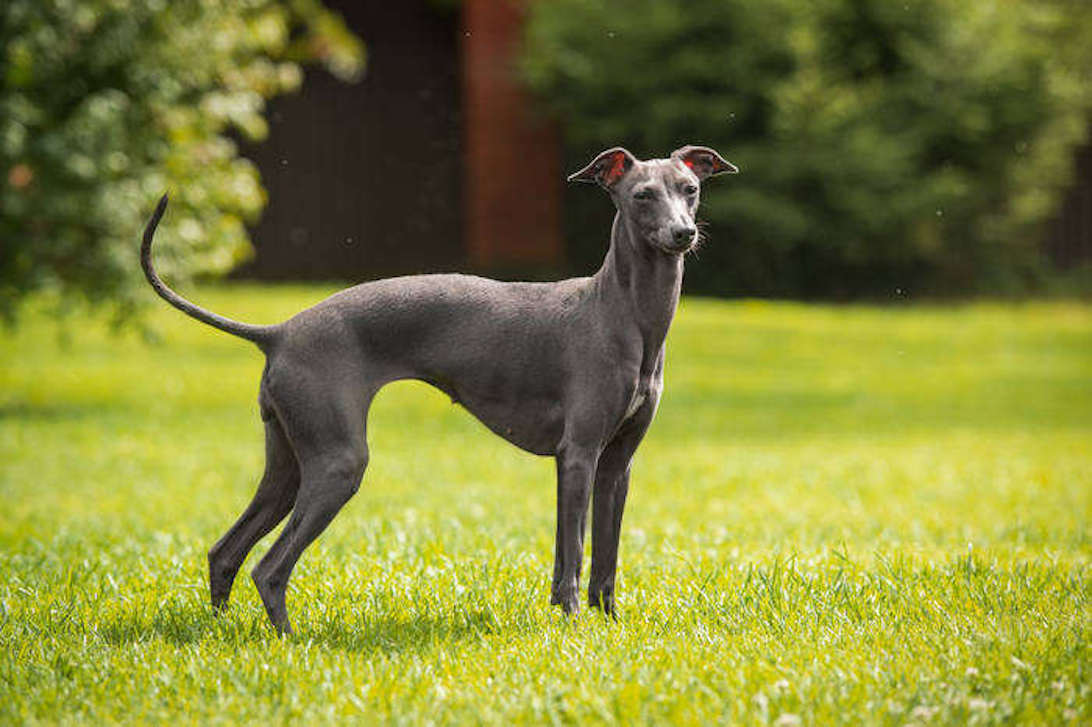
Yes, greyhounds are good for hunting coyotes, but they perform best under specific conditions rather than in every hunting scenario. Their exceptional speed, acceleration, and eyesight allow them to close the distance on a fleeing coyote faster than most hunting dog breeds. These strengths make greyhounds particularly effective in open terrain such as prairies, ranches, and agricultural fields, where long, unobstructed chases are possible.
However, speed alone does not determine hunting success. A greyhound’s effectiveness also depends on proper training, physical conditioning, protective equipment, hunting strategy, and compliance with local wildlife regulations. In dense brush, rocky landscapes, or heavily wooded areas, other breeds such as lurchers or staghounds may provide better endurance, maneuverability, or versatility. Understanding these limitations is just as important as recognizing the breed’s strengths.
This guide explains whether greyhounds are the right choice for coyote hunting by examining their hunting abilities, advantages, disadvantages, ideal hunting conditions, training requirements, essential equipment, legal considerations, and common safety risks. By the end of this article, you’ll have a clear understanding of when a greyhound is the best hunting partner, when another breed may be a better option, and how to maximize both hunting success and your dog’s safety in the field.
Are Greyhounds Good for Hunting Coyotes?
Yes, greyhounds are good for hunting coyotes because they combine exceptional speed, explosive acceleration, and keen eyesight to pursue fast-moving predators across open ground. A healthy adult greyhound can reach speeds of up to 45 mph (72 km/h), allowing it to close the distance on a fleeing coyote within seconds. This makes the breed highly effective in regions dominated by flat prairie, ranchland, crop fields, and other unobstructed landscapes.
Greyhounds hunt primarily by sight rather than scent. Instead of following a trail, they visually detect movement and initiate pursuit as soon as the coyote breaks cover. Their streamlined body, long legs, flexible spine, and deep chest enable rapid acceleration and efficient stride length, allowing them to maintain high speed throughout a short chase. These physical characteristics explain why greyhounds have been used for coursing game for centuries.
However, greyhounds are not the best choice for every hunting situation. Dense brush, rocky hillsides, forests, and areas with heavy fences reduce their effectiveness and increase the risk of injury. Their thin skin and light body structure make them more vulnerable to cuts, punctures, and collisions than heavier hunting breeds. In these environments, hunters often prefer lurchers or staghounds, which offer greater durability and better performance on rough terrain.
A greyhound’s success also depends on the hunter. Well-conditioned dogs with reliable recall training, experience chasing predators, and proper protective equipment consistently outperform inexperienced dogs. Choosing suitable terrain and releasing the dog only when a safe pursuit is possible significantly improves both hunting success and canine safety.
Why Are Greyhounds Effective at Hunting Coyotes?
Greyhounds are effective because their natural traits closely match the behavior of a fleeing coyote. Coyotes rely on speed, quick directional changes, and long-distance visibility to escape predators. Greyhounds possess the same attributes, allowing them to intercept rather than simply follow their target.
The breed’s greatest advantage is speed. Few domestic dog breeds can match a greyhound during the first several hundred yards of a chase. Their explosive acceleration allows them to reduce the distance before a coyote reaches cover, dramatically increasing the likelihood of a successful pursuit in open country.
Equally important is their eyesight. As sighthounds, greyhounds detect movement over long distances and respond almost instantly to visual stimuli. Unlike scent hounds that track odor left on the ground, greyhounds maintain continuous visual contact with moving prey. This hunting style is especially effective in wide, unobstructed terrain where coyotes can be seen from hundreds of yards away.
Greyhounds also possess a strong prey drive, which motivates them to pursue fast-moving animals with determination. When combined with structured obedience training and controlled release, this instinct becomes a valuable hunting asset rather than an uncontrollable behavior. Experienced hunters focus on channeling this instinct through recall exercises, physical conditioning, and repeated exposure to realistic hunting situations.
Finally, the breed’s aerodynamic build contributes to hunting efficiency. A lightweight frame, powerful hindquarters, flexible spine, and long stride reduce energy loss during sprinting while maximizing forward momentum. Although greyhounds cannot sustain maximum speed over extended distances, they excel in the short, explosive chases that characterize many successful coyote hunts across open landscapes.
What Are the Advantages of Using Greyhounds for Coyote Hunting?
Greyhounds offer five major advantages for coyote hunting: exceptional speed, rapid acceleration, excellent vision, efficient pursuit, and strong compatibility with open-country hunting. These qualities make them one of the most effective sighthound breeds for pursuing coyotes across flat or lightly rolling terrain.
The greatest advantage is speed. Greyhounds are among the fastest dog breeds in the world, capable of reaching speeds of approximately 45 mph (72 km/h). This allows them to close the gap before a coyote reaches cover such as tree lines, brush, or rocky outcrops. In open country, where a chase often lasts less than a minute, this explosive performance provides a significant advantage over slower breeds.
Acceleration is equally valuable. Greyhounds reach top speed within only a few strides, enabling them to respond immediately after release. Coyotes often depend on a brief burst of speed to create separation during the first seconds of a chase. A greyhound’s rapid acceleration minimizes that advantage and increases the likelihood of maintaining visual contact throughout the pursuit.
Another strength is superior eyesight. Greyhounds belong to the sighthound group and naturally track movement across long distances. Instead of following scent left on the ground, they identify a moving coyote visually and continuously adjust their pursuit based on its direction and speed. This ability is particularly effective in wide grasslands, harvested crop fields, and ranches where visibility remains unobstructed.
Greyhounds are also highly efficient during short pursuits. Their lightweight frame, flexible spine, deep chest, and powerful hindquarters allow them to generate maximum speed while using relatively little energy over short distances. Because many successful coyote chases end within a few hundred yards, this physical efficiency matches the demands of predator hunting exceptionally well.
Finally, greyhounds work well as part of a coordinated hunting strategy. Hunters often use spotters, vehicles, or callers to locate coyotes before releasing the dogs at the optimal distance. Once the greyhound begins its pursuit, the hunter can position for a safe shot or recover the dog after the chase. This teamwork combines the dog’s speed with the hunter’s planning, improving both success rates and overall safety.
What Are the Disadvantages of Hunting Coyotes with Greyhounds?
Greyhounds also have important limitations, including increased injury risk, lower performance on rough terrain, limited endurance, and a greater need for specialized handling. Understanding these disadvantages helps hunters determine whether the breed matches their hunting environment.
The most significant drawback is injury risk. Greyhounds have thin skin, fine coats, and relatively little body fat, leaving them vulnerable to cuts from barbed wire, thorny brush, rocks, and broken branches. During a high-speed chase, even a minor collision can result in deep lacerations or muscle injuries that require immediate veterinary care.
Rough terrain also reduces their effectiveness. Dense vegetation, steep hillsides, forests, and rocky landscapes force frequent changes in direction and limit running speed. In these environments, greyhounds lose much of the advantage created by their straight-line acceleration. Hunters working in brush country often choose sturdier breeds or crossbreeds that better tolerate uneven ground and physical obstacles.
Another limitation is endurance. Greyhounds are built for sprinting rather than prolonged pursuit. If a coyote successfully extends the chase over long distances, the greyhound’s performance declines more quickly than breeds developed for endurance tracking. For this reason, experienced hunters typically release greyhounds only when the initial distance to the coyote is short enough for a realistic interception.
Greyhounds also require consistent training and supervision. Their strong prey drive can cause them to pursue deer, livestock, or other wildlife if obedience and recall are not thoroughly established. Reliable control is essential not only for hunting success but also for preventing dogs from crossing roads, entering neighboring properties, or chasing non-target animals.
Finally, using greyhounds for coyote hunting involves additional costs beyond purchasing the dog itself. Hunters often invest in GPS tracking collars, cut-resistant protective vests, emergency first-aid supplies, transportation crates, and regular conditioning programs to keep the dogs fit throughout the hunting season. These expenses should be considered when deciding whether a greyhound is the right hunting partner.
Which Hunting Conditions Are Best for Greyhounds?
Greyhounds perform best in large, open landscapes where they can use their speed without being slowed by obstacles. Flat terrain, clear visibility, and firm ground allow the breed to maximize its natural athletic ability while reducing the risk of injury during high-speed pursuits.
Open prairie is one of the most suitable environments for greyhound coyote hunting. Native grasslands and rolling plains provide long sightlines, giving both hunters and dogs enough time to locate a coyote before initiating a chase. Because there are few natural obstacles, greyhounds can maintain maximum speed and make gradual directional adjustments without constantly jumping or weaving around dense vegetation.
Ranchland and grazing pastures also provide excellent hunting conditions. Large cattle ranches often contain open fields, fence lines, and lightly vegetated areas where coyotes search for rodents, rabbits, or livestock afterbirth. Hunters can observe coyote movement from a distance and release greyhounds only when the dogs have a clear running path. Before hunting on private property, always obtain the landowner’s permission and become familiar with fence locations that could pose hazards during a chase.
Agricultural fields are another productive setting, particularly after crops have been harvested. Corn, wheat, sorghum, and soybean fields become relatively open once vegetation has been removed, making it easier for greyhounds to maintain visual contact with a fleeing coyote. Harvested fields also improve visibility for hunters, allowing them to monitor both the dogs and the surrounding area throughout the pursuit.
Weather conditions significantly influence performance. Greyhounds generally perform better in cool to moderate temperatures because sprinting generates substantial body heat. Extremely hot weather increases the risk of dehydration, overheating, and heat stress, while icy or muddy ground reduces traction and increases the likelihood of muscle strains or falls. Scheduling hunts during cooler mornings or late afternoons helps protect both performance and canine health.
Greyhounds should not be used in every environment. Thick brush, cedar breaks, dense forests, rocky canyons, swamps, and heavily fenced properties greatly increase the chance of cuts, collisions, and lost dogs. These landscapes also limit visibility, preventing greyhounds from using the visual hunting style that makes them so effective. In these conditions, hunters often choose more versatile breeds capable of navigating difficult terrain while maintaining control of the chase.
Can a Greyhound Hunt Coyotes Alone?
A single greyhound can chase a coyote, but experienced hunters often achieve better results by using two or more dogs. Hunting as a team improves control, increases the chance of stopping an escaping coyote, and reduces the workload placed on an individual dog.
A well-trained greyhound is fully capable of pursuing a coyote alone when the initial distance is short and the terrain is open. Solo hunting allows the handler to monitor one dog more closely and simplifies recall after the chase. It also reduces the risk of dogs colliding with one another during high-speed turns. For hunters who are introducing a young greyhound to predator hunting, working with one dog at a time can simplify training and build confidence.
However, coyotes are intelligent and highly agile predators. They frequently change direction, use natural cover, or attempt to circle behind pursuing dogs. When two greyhounds are released together, they can approach the coyote from different angles, making sudden escape maneuvers less effective. This coordinated pressure often shortens the chase and increases the opportunity for a successful capture or recovery.
Many experienced hunters use two or three dogs with complementary abilities rather than relying on identical strengths. One dog may excel at explosive acceleration, while another demonstrates greater stamina or superior turning ability. This combination allows the pack to adapt if the chase changes direction or extends farther than expected. In some regions, hunters also combine greyhounds with lurchers or staghounds to balance speed, endurance, and durability across varying terrain.
Regardless of the number of dogs used, control remains the most important factor. Every greyhound should respond reliably to recall commands, remain manageable during transport, and work safely around vehicles, livestock, and other hunters. Releasing additional dogs should improve efficiency, not create confusion or unnecessary risk. A disciplined team of well-trained greyhounds consistently outperforms a larger group of poorly controlled dogs.
How Do Greyhounds Compare with Other Coyote Hunting Dogs?
Greyhounds are the fastest coyote hunting dogs, but they are not the best choice for every terrain or hunting style. Other breeds, including lurchers, staghounds, and running hounds, offer different strengths that may better suit specific environments and hunting objectives.
Greyhounds excel in open-country pursuits where speed determines success. Their ability to accelerate rapidly and maintain high sprinting speeds allows them to intercept coyotes before they reach cover. For hunters working in prairies, harvested crop fields, or large ranches, a pure greyhound is often one of the most effective options.
Lurchers are commonly considered the most versatile alternative. As crossbreeds between sighthounds and working breeds, they combine much of a greyhound’s speed with greater endurance, intelligence, and resilience on rough terrain. They generally perform better in brush country, wooded areas, and uneven landscapes where agility and durability become more important than maximum sprint speed.
Staghounds are larger, heavier dogs developed specifically for pursuing predators over longer distances. Compared with greyhounds, they sacrifice some top-end speed but gain strength, stamina, and toughness. Their heavier build allows them to navigate rocky ground, thicker vegetation, and harsher weather more effectively. Hunters pursuing larger or more aggressive predators often prefer staghounds because they withstand physical contact better than pure greyhounds.
Running hounds, such as American Foxhounds or Treeing Walker Coonhounds, represent a different hunting style. Instead of relying on vision, they track scent over extended distances and use endurance to pressure game. While they are excellent at locating coyotes hidden in dense cover, they generally cannot match a greyhound’s speed once the chase moves into open country. Many experienced hunters combine running hounds to locate the coyote and greyhounds to make the final pursuit.
The best hunting dog depends on where and how you hunt. Greyhounds dominate fast pursuits across open terrain. Lurchers provide greater versatility in mixed environments. Staghounds handle demanding conditions and longer chases, while running hounds excel at locating predators that cannot be seen. Selecting the appropriate breed should always reflect the terrain, hunting strategy, and level of experience rather than choosing the fastest dog alone.
How Should You Train a Greyhound for Coyote Hunting?
Training a greyhound for coyote hunting requires developing obedience, physical conditioning, prey control, and real-world hunting experience before expecting consistent field performance. A well-trained dog is safer, easier to handle, and significantly more effective than an untrained dog with natural speed.
Begin with basic obedience before introducing hunting exercises. Every greyhound should reliably respond to commands such as “come,” “stay,” “leave it,” and “heel.” Recall is especially critical because hunting dogs frequently pursue game over long distances. A dependable recall command allows the handler to recover the dog quickly after the chase and prevents unnecessary risks near roads, livestock, or neighboring properties.
Physical conditioning should be developed gradually throughout the year rather than only during hunting season. Regular sprint training, controlled free running, and endurance walks strengthen muscles, improve cardiovascular fitness, and reduce the likelihood of strains or fatigue during high-speed pursuits. Conditioning should increase progressively to avoid overloading joints and soft tissues.
Hunters should also teach controlled prey drive rather than encouraging uncontrolled chasing. Introducing the dog to coyote scent, drag lures, or controlled chase exercises helps build focus while reinforcing obedience. The objective is not simply to encourage pursuit but to teach the dog when to chase, when to stop, and how to respond immediately to the handler’s commands.
Exposure to realistic hunting situations further develops confidence and decision-making. Young greyhounds benefit from observing experienced dogs before working independently. Gradually introducing distractions such as vehicles, livestock, uneven terrain, and changing weather helps prepare them for actual hunting conditions without overwhelming them during early training sessions.
Protective equipment should become part of training instead of being introduced on the first hunt. GPS tracking collars, cut-resistant vests, and protective collars can slightly change a dog’s movement or comfort level. Allowing the greyhound to exercise while wearing this equipment ensures it remains comfortable and focused when hunting season begins.
Finally, successful training depends on consistency rather than intensity. Short, structured training sessions repeated throughout the year produce better long-term results than infrequent, demanding workouts immediately before hunting season. Greyhounds learn most effectively through repetition, positive reinforcement, and gradual progression, creating reliable hunting partners that remain responsive even in high-excitement situations.
What Equipment Should You Use When Hunting Coyotes with Greyhounds?
The most important equipment for hunting coyotes with greyhounds includes a GPS tracking collar, a cut-resistant vest, a protective collar, a first-aid kit, and reliable communication equipment. These items improve the dog’s safety, help hunters recover dogs quickly after a chase, and reduce the risk of injuries in remote hunting areas.
A GPS tracking collar is the most valuable piece of equipment for hunting with greyhounds. During a chase, a dog can cover several hundred yards—or even more than a mile—in a short period. If the coyote escapes over a hill or into tall vegetation, visual contact may be lost immediately. A GPS collar allows hunters to monitor the dog’s location in real time, making recovery faster and reducing the chance of a dog becoming lost.
A cut-resistant vest provides critical protection against barbed wire, thorny brush, sharp rocks, and coyote bites. Because greyhounds have thin skin and little body fat, even minor impacts can result in deep cuts. Modern protective vests use lightweight, abrasion-resistant materials that shield the chest, shoulders, and ribs while allowing the dog to maintain its speed and flexibility.
Many hunters also equip their dogs with protective collars. These collars reinforce the neck area, which is one of the most vulnerable locations during close contact with a coyote. While no collar can eliminate every injury, additional protection may reduce the severity of bites or puncture wounds if the predator turns to defend itself.
A well-stocked canine first-aid kit should accompany every hunt. Essential supplies include sterile gauze, bandages, antiseptic solution, wound-cleaning saline, tweezers for removing thorns or debris, self-adhesive wrap, blunt-tip scissors, and emergency contact information for the nearest veterinary clinic. Treating minor injuries immediately can prevent infection and stabilize more serious wounds until professional care is available.
Reliable communication and navigation equipment are equally important. Mobile phones, handheld radios, offline GPS devices, and mapping applications help hunting partners coordinate during a pursuit, especially when covering large ranches or remote public land. Before beginning a hunt, every member of the hunting party should understand the planned route, meeting points, and emergency procedures in case a dog or hunter becomes separated.
Is Hunting Coyotes with Greyhounds Legal?
The legality of hunting coyotes with greyhounds depends entirely on state, provincial, or local wildlife regulations. Some jurisdictions allow the use of dogs to pursue coyotes, while others prohibit or strictly regulate the practice. Hunters should verify the current rules before every season rather than relying on previous experience or information from other regions.
Wildlife agencies regulate predator hunting differently because coyotes are classified differently across jurisdictions. In some states, coyotes are considered nuisance animals with relatively liberal hunting opportunities. In others, the use of dogs may be restricted during certain seasons, prohibited on public land, or subject to specific licensing requirements. Regulations may also vary between private property and publicly managed hunting areas.
Private land often offers greater flexibility than public land, but permission from the landowner remains essential. Even where hunting with dogs is legal, property boundaries, livestock operations, conservation easements, and local ordinances may affect where and how greyhounds can be released. Responsible hunters identify property lines before beginning a chase to prevent dogs from entering neighboring land without authorization.
Hunters should also review regulations governing transportation, identification, and vaccination of hunting dogs. Some jurisdictions require dogs to wear identification tags or proof of rabies vaccination while participating in organized hunts. Others impose restrictions on nighttime hunting, the use of artificial lights, or hunting from vehicles, all of which may indirectly affect hunters using greyhounds.
Wildlife regulations change periodically in response to conservation objectives, public safety concerns, and legislative updates. Checking the latest rules through the appropriate wildlife management agency before each hunting season is the safest approach. Doing so protects hunters from legal penalties while promoting ethical predator management and responsible use of hunting dogs.
Read more: Coyote Calling Sequence At Night And What You Need To Know
What Are the Most Common Injuries and Safety Risks?
The most common risks when hunting coyotes with greyhounds include lacerations, puncture wounds, musculoskeletal injuries, heat stress, encounters with venomous snakes, and vehicle-related accidents. Most of these incidents occur while the dog is running at high speed rather than during direct contact with a coyote.
Cuts and lacerations are the injuries hunters encounter most frequently. Greyhounds have extremely thin skin compared with many working breeds, making them susceptible to barbed wire, broken fencing, thorn bushes, sharp rocks, and discarded farm equipment. Even a small cut can bleed heavily because of the breed’s lean body composition. Hunters should inspect each dog immediately after every chase, even if no injury is obvious during the pursuit.
Muscle strains, ligament injuries, and fractured toes are also common. Greyhounds can exceed 40 mph while making sudden turns or jumping irrigation ditches, erosion channels, or uneven ground. High-impact movements place considerable stress on joints, tendons, and paw pads. Maintaining proper conditioning and avoiding hazardous terrain significantly reduces these injuries.
Although less common, direct encounters with coyotes can result in puncture wounds or bite injuries. A cornered coyote may defend itself aggressively, particularly during denning season or when multiple coyotes are present. Protective collars and cut-resistant vests help reduce injury severity, but hunters should never assume protective gear eliminates the risk of physical contact.
Environmental hazards deserve equal attention. In many hunting regions, greyhounds may encounter rattlesnakes, cactus, hidden holes, livestock fencing, frozen ponds, or irrigation canals. Hot weather presents another serious concern because sprinting generates substantial body heat. Signs of heat stress include excessive panting, weakness, confusion, bright red gums, and delayed recovery after exercise. Providing frequent water breaks and limiting hunts during extreme temperatures helps prevent heat-related emergencies.
Road traffic is one of the most preventable dangers. A greyhound focused on pursuing a coyote may ignore nearby vehicles while crossing roads or farm lanes. Hunters should avoid releasing dogs near highways, monitor the direction of every chase, and use GPS tracking equipment to recover dogs before they travel into unsafe areas.
What Ethical Considerations Should Hunters Know?
Ethical coyote hunting prioritizes responsible wildlife management, humane treatment of animals, respect for landowners, and the safety of hunting dogs. Successful hunters measure their performance not only by harvest numbers but also by how responsibly they conduct every hunt.
Hunters should release greyhounds only when conditions allow for a safe and controlled pursuit. Releasing dogs into dense vegetation, near busy roads, or across unfamiliar property unnecessarily increases the likelihood of injuries or conflicts. Responsible decision-making begins before the chase starts.
Dog welfare should remain the highest priority throughout the hunt. Greyhounds should be physically fit, adequately hydrated, and equipped with appropriate protective gear before entering the field. Dogs showing signs of fatigue, dehydration, injury, or illness should be removed from hunting immediately. Continuing a hunt with an exhausted dog increases the risk of serious injury and compromises both performance and animal welfare.
Respecting private property is another essential responsibility. Hunters should always obtain permission before entering private land, close gates after passing through livestock areas, and avoid damaging crops, fences, or infrastructure. Maintaining positive relationships with landowners helps preserve future hunting opportunities for the wider hunting community.
Ethical hunters also comply with wildlife regulations and harvest objectives established by local authorities. Predator management programs are designed to balance wildlife conservation, livestock protection, and ecosystem health. Following these regulations supports sustainable hunting while protecting public confidence in responsible predator management.
Finally, every hunter should strive for continuous improvement. Reviewing each hunt, identifying avoidable risks, improving dog handling skills, and maintaining high standards of sportsmanship contribute to safer and more effective hunting experiences over the long term.
Frequently Asked Questions
Are retired racing greyhounds good for hunting coyotes?
Some retired racing greyhounds adapt well to coyote hunting because they already possess excellent speed and chase instinct. However, racing experience does not automatically translate into hunting ability. They still require obedience training, recall, conditioning, and gradual exposure to real hunting situations.
Do greyhounds need protective vests?
Yes. A cut-resistant vest is one of the most valuable safety investments for hunting greyhounds. It helps reduce injuries caused by barbed wire, thorny vegetation, sharp rocks, and defensive bites from coyotes without significantly restricting movement.
Can greyhounds hunt coyotes at night?
That depends on local hunting regulations. Even where nighttime coyote hunting is legal, using greyhounds after dark is generally more challenging because reduced visibility limits the breed’s greatest strength—its ability to hunt by sight. Many hunters achieve better results during daylight or low-light periods when dogs can clearly track a moving coyote.
Are greyhounds better than lurchers for coyote hunting?
Neither breed is universally better. Greyhounds generally outperform lurchers in open terrain where maximum speed determines success. Lurchers usually perform better in mixed terrain because they combine speed with greater endurance, durability, and adaptability. The best choice depends on the hunting environment rather than the breed alone.