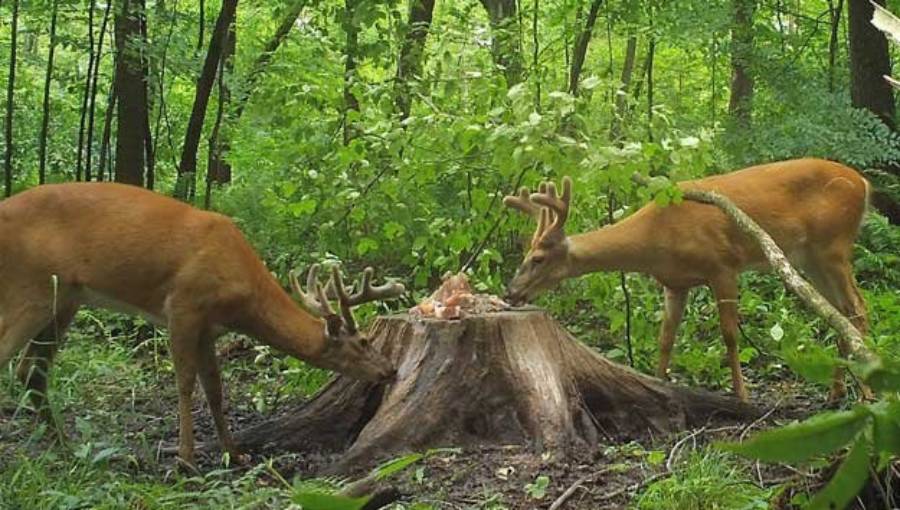
Mineral Blocks for Deer: How to Use Them
Mineral blocks for deer are solid mineral supplements that hunters and land managers place in selected locations to attract deer and establish sites that animals may revisit. These blocks typically …
Mineral blocks for deer are solid mineral supplements that hunters and land managers place in selected locations to attract deer and establish sites that animals may revisit. These blocks typically …

Deer hunting with dogs is a hunting method in which trained dogs help hunters locate, trail, pursue, or recover deer. Dogs use their sense of smell to detect deer scent …

The best deer hunting dog breeds are those with strong scenting ability, endurance, persistence, and enough trainability to work reliably with a hunter. Bloodhounds, Bavarian Mountain Scent Hounds, Hanoverian Scenthounds, …

Rice bran is a supplemental feed that deer can eat, and its combination of fat, protein, carbohydrates, and fiber makes it a potential food source for whitetail deer. For hunters, …
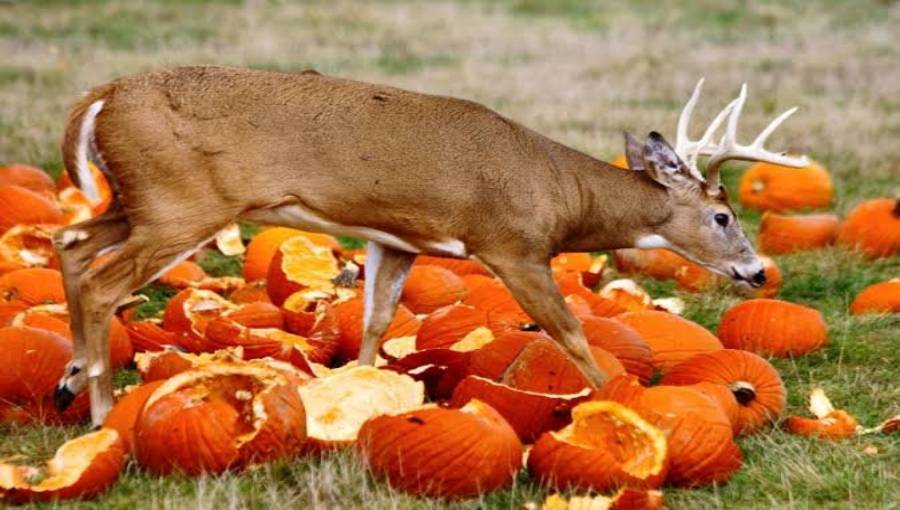
Yes, deer eat pumpkins when the fruit is available and accessible. Deer can consume the soft flesh, seeds, rind, and parts of the pumpkin plant, including leaves and vines. Pumpkins …
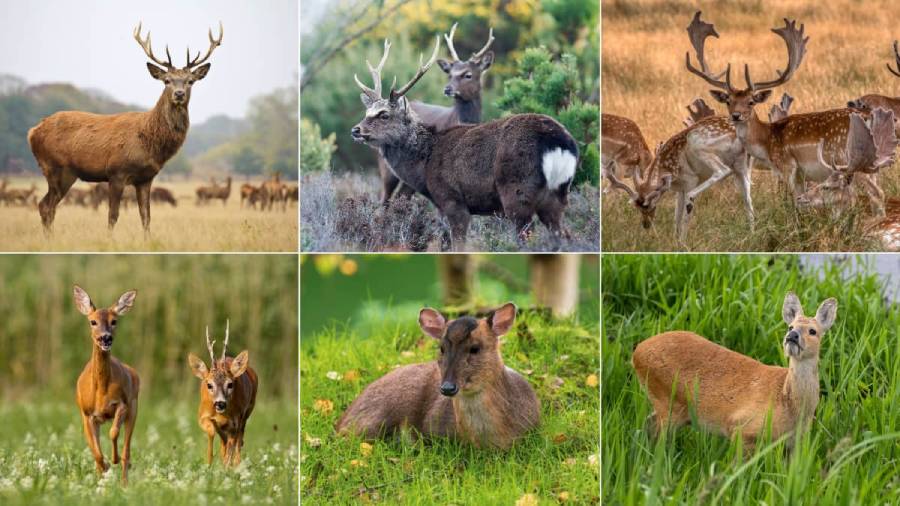
There are several major types of deer that hunters commonly encounter, including white-tailed deer, mule deer, black-tailed deer, red deer, roe deer, fallow deer, and sika deer. These deer differ …
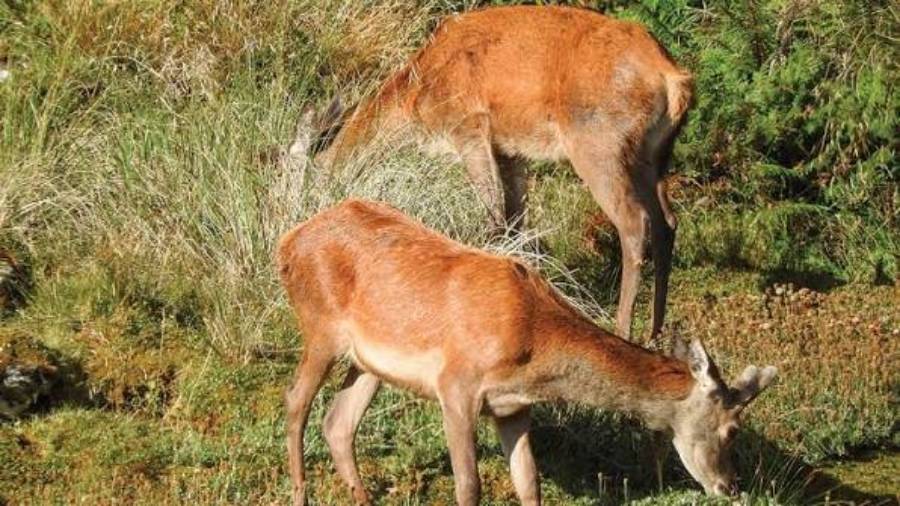
Deer do eat hay, but hay is not automatically a preferred or ideal food source for them. Whether a deer eats hay depends on the type and quality of hay, …
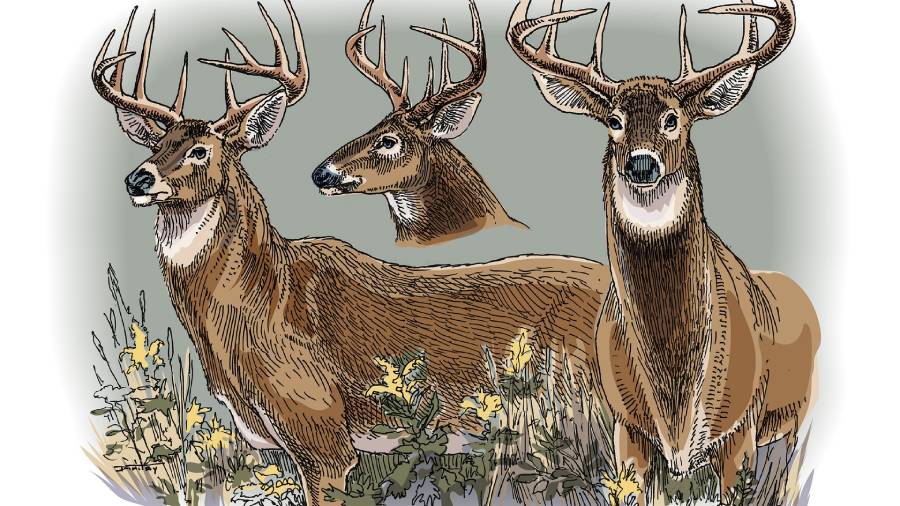
Aging a deer involves estimating its age from physical characteristics while it is alive or examining its teeth after harvest. Hunters can age a deer using three main approaches: body …
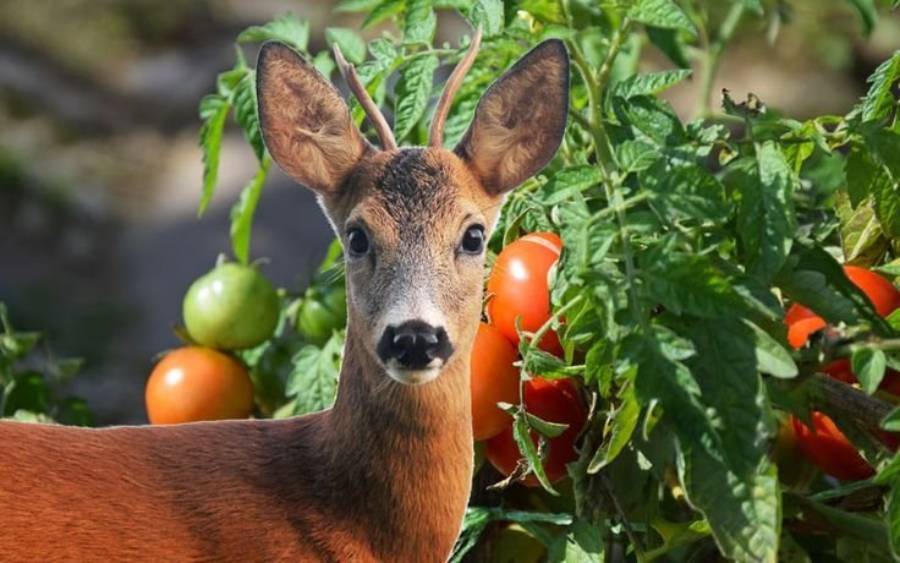
Yes, deer eat tomatoes, including the fruit and accessible parts of the tomato plant. Deer are opportunistic feeders, so a tomato plant within reach can become a food source when …

Late season deer hunting requires a different strategy because deer have already experienced weeks of hunting pressure, food availability has changed, and colder weather increases the importance of conserving energy. …

Early season deer hunting gives hunters a valuable advantage: deer are often still following consistent patterns between bedding areas, food sources, and water before breeding behavior significantly changes their movement. …

Yes, deer eat sunflowers, including the leaves, stems, flower heads, and seeds. White-tailed deer may feed on sunflowers at different growth stages, from browsing young plants to consuming parts of …
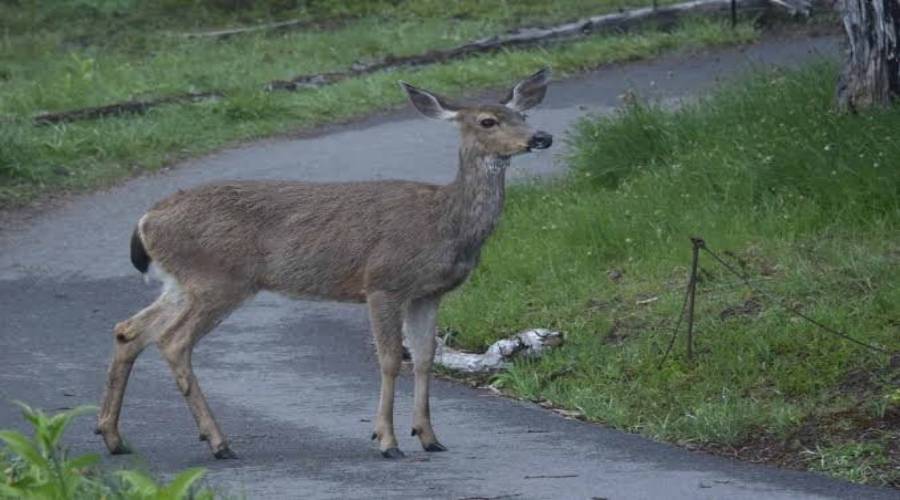
Yes, deer have hooves. Deer have cloven hooves, meaning each hoof is divided into two main weight-bearing toes. This split structure creates the distinctive paired hoofprints commonly found along deer …
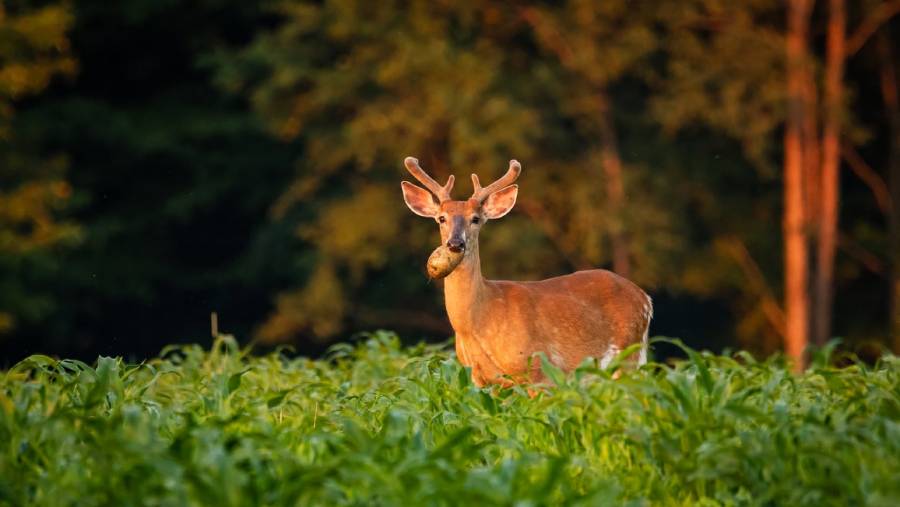
Yes, deer eat potatoes, including accessible tubers and parts of potato plants, but potatoes are not always their preferred food. Deer are opportunistic feeders, so whether they use a potato …
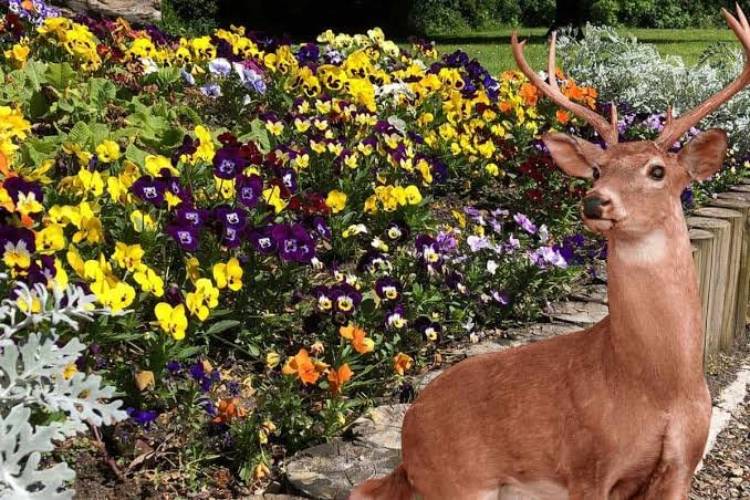
Yes, deer eat pansies, including the flowers, leaves, tender stems, and young growth. Pansies provide soft, accessible vegetation that deer can browse when they encounter the plants within their feeding …