
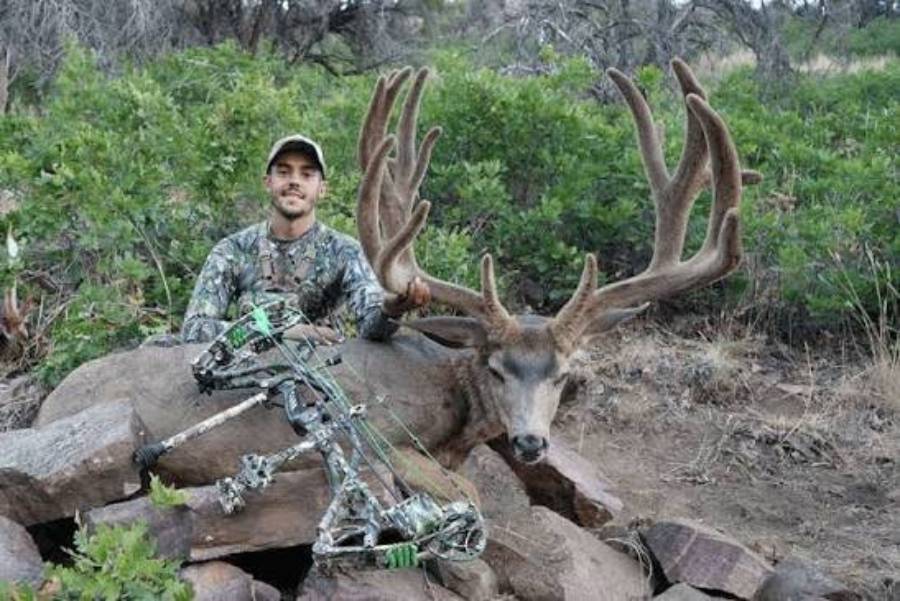
Early season deer hunting gives hunters a valuable advantage: deer are often still following consistent patterns between bedding areas, food sources, and water before breeding behavior significantly changes their movement. Success during this period depends on identifying those patterns and setting up along routes deer use during legal shooting hours.
Food availability is one of the strongest influences on early season deer locations. Agricultural crops, acorns, soft mast, browse, and food plots can concentrate deer near predictable feeding areas. Bedding cover, nearby water, temperature, wind direction, and hunting pressure further determine when deer move and whether that movement occurs during daylight. A productive location can quickly lose its value when a hunter ignores these factors or repeatedly disturbs the same area.
An effective early season strategy therefore starts before choosing a stand. Hunters need to identify current food sources, locate bedding cover, confirm active travel routes, monitor deer movement, and plan entry and exit routes around the wind. This guide explains how to find early season deer, scout their current patterns, choose hunting times and setups, manage scent and access, adapt to warm weather, and avoid mistakes that can make mature deer change their behavior.
What Is Early Season Deer Hunting?
Early season deer hunting is the opening portion of deer season when deer are still primarily driven by feeding, bedding, water, security, and daily movement patterns rather than breeding behavior. Exact dates vary by state, hunting zone, and weapon season, so hunters should use local regulations to determine when the early season begins in their area.
The main advantage of hunting this period is predictability. Deer that have experienced limited hunting pressure can continue using established routes between bedding cover and seasonal food sources. A buck may leave secure bedding cover in the afternoon, move through a staging area, and reach a primary feeding area toward evening. When that sequence repeats, hunters can identify a location between bedding and feeding cover where the buck is more likely to appear during legal shooting hours.
Early season hunting differs from pre-rut and rut hunting because breeding activity has not yet become the dominant influence on buck movement. During the rut, bucks may travel farther, search for does, and appear in locations outside their previous patterns. Early in the season, hunters should focus more heavily on current food sources, bedding cover, water, travel routes, weather, and hunting pressure instead of relying on rut-oriented strategies.
This distinction also affects scouting. Rubs and scrapes can become increasingly useful as the season progresses, but early season hunters should prioritize evidence that shows where deer are currently feeding, bedding, and traveling. Fresh tracks, droppings, recently browsed vegetation, active trails, direct observations, and trail-camera activity provide stronger evidence of a usable early-season pattern than old sign from a previous season.
How Do Deer Behave During the Early Hunting Season?
Early season deer generally organize their daily movement around 3 basic needs: food, bedding cover, and security. Water can become another important influence, particularly during hot or dry conditions. Hunters who determine where these resources are located and how deer travel between them can narrow a large hunting property into a smaller number of high-value areas.
Feeding patterns are particularly important because available food changes throughout the early season. Deer may concentrate around agricultural crops, food plots, soft mast, acorns, or natural browse depending on what is currently available. A feeding location that produced regular deer activity several weeks earlier can become less productive when another preferred food source becomes available. Hunters should therefore scout current food rather than assume deer will continue using the same destination throughout the season.
Bedding areas provide the other end of this daily movement pattern. Deer use secure cover where they can spend much of the day while limiting exposure to predators and people. For hunters, the important question is not simply where a bedding area exists but how deer move between that bedding cover and their current feeding destination. Trails, terrain features, cover transitions, field edges, and staging areas can reveal routes that connect the two.
Early season bucks can also be more predictable before hunting pressure and breeding behavior disrupt established routines. Bucks may still associate with other bucks during portions of this period and use relatively consistent feeding and bedding patterns. This does not mean a buck will appear at the same location every evening. Wind, temperature, food availability, human activity, and previous encounters with hunters can alter when and where it moves.
Hunting pressure can change an early season pattern after only a small amount of poorly planned intrusion. Walking through a bedding area, crossing an active feeding area, allowing scent to blow toward deer, or repeatedly accessing the same stand can alert deer without requiring a direct encounter. A buck that detects repeated human presence can shift its route, delay movement until after dark, or use more secure cover.
For this reason, finding deer is only the first part of early season hunting. Hunters also need a way to hunt the pattern without destroying it. Stand location, wind direction, entry route, exit route, and frequency of hunting should work together. A slightly less aggressive setup that can be accessed without alerting deer can provide a better opportunity than a stand positioned directly on the strongest sign but surrounded by deer activity that makes undetected access difficult.
Where Should You Look for Deer During the Early Season?
The 4 primary places to look for early season deer are feeding areas, bedding areas, water sources, and travel routes connecting these locations. The most productive hunting areas are not always the places holding the most deer sign. A location becomes more valuable when deer use it consistently during daylight and a hunter can approach, hunt, and leave without exposing their presence.
Start by identifying bedding and feeding areas, then determine how deer move between them. Early season deer commonly spend daylight hours in secure bedding cover before moving toward food in the afternoon and evening. Instead of immediately setting up over an open feeding destination, hunters can examine trails, cover transitions, terrain features, and staging cover between the bed and food. These intermediate locations can provide opportunities before deer reach exposed feeding areas after legal shooting light.
Water adds another location variable, especially during warm and dry early-season conditions. Ponds, creeks, springs, and other dependable water sources can influence travel routes when they sit between bedding and feeding areas. However, the presence of water alone does not make a location productive. Fresh tracks, trails, droppings, trail-camera records, and direct observations should confirm that deer are actively using the source.
Travel routes connect these resources into a huntable pattern. A trail running from secure bedding cover toward a current food source provides more useful information than an isolated trail without a known destination. Hunters should therefore evaluate deer locations as a system: bedding area → travel route → staging cover → feeding area, with water incorporated where local conditions make it important.
Which Food Sources Attract Deer During the Early Season?
The most important early season deer food sources include agricultural crops, acorns, soft mast, food plots, and natural browse, but the best food source is the one deer are actively using at the time of the hunt. Food availability changes during the season, which means deer movement can change even when bedding areas remain relatively stable.
Agricultural areas can create concentrated feeding opportunities where crops such as soybeans and other locally available crops are attractive to deer. Food plots can perform a similar role when they provide a preferred food source near secure cover. Hunters should pay particular attention to the relationship between the food and nearby bedding rather than simply choosing the field with the highest number of tracks.
Natural food can shift movement quickly. Acorns are an important example because deer may move away from visible fields when preferred mast becomes available inside timber. Soft mast and natural browse can produce similar local changes. A hunter who continues sitting over an old feeding pattern after the preferred food changes may see fewer deer even though the animals remain on the same property.
Fresh evidence should determine which food source receives hunting attention. Tracks entering a feeding area, fresh droppings, recently consumed vegetation, direct evening observations, and recent trail-camera images can establish current use. The objective is to identify not only what deer are eating but where that food causes deer to move during huntable hours.
How Can You Identify Early Season Deer Bedding Areas?
Early season deer bedding areas are most likely to be found in secure cover that allows deer to remain concealed while maintaining practical access to food, water, and travel routes. Thick vegetation, terrain features, shaded cover, and areas receiving limited human disturbance can all provide bedding opportunities, but actual deer sign should confirm use.
Beds provide the most direct evidence. Hunters can also use concentrated tracks, droppings, connecting trails, and repeated trail-camera movement around the edge of suspected bedding cover. The direction and timing of deer movement are particularly useful. Repeated evening movement away from thick cover toward a feeding area can help identify the general bedding side without requiring a hunter to walk directly into the bedding area.
The safest scouting strategy is often to determine the edge and travel direction of a bedding area rather than immediately entering its center. Intrusive scouting can deposit scent, create noise, and physically encounter deer. Those disturbances can reduce the value of the information gained if deer respond by changing their daylight movement.
Bedding information becomes most useful when combined with food and access. For example, a hunter who identifies secure bedding cover 300 yards from an active feeding destination should not automatically hunt halfway between the two. The better setup depends on the actual trail, available cover, expected wind, time of movement, and whether the location can be entered and exited without crossing the route deer are expected to use. The best early season location combines deer activity with low-risk hunter access.
How Should You Scout Deer Before the Early Season?
Scout early season deer by identifying current food sources, active travel routes, bedding cover, fresh deer sign, and repeatable daylight movement. The goal is not to find the largest amount of sign on a property. It is to determine where deer are currently moving and whether that movement creates a location that can be hunted without excessive disturbance.
Start with fresh sign around feeding areas and the routes leading to them. Tracks, droppings, recently browsed vegetation, beds, and well-used trails can confirm recent activity. Their location also matters. A heavily used trail beside a feeding area shows that deer visit the area, but it does not automatically reveal whether they arrive before dark. Follow the pattern toward cover and look for locations where movement becomes concentrated closer to bedding areas.
Direct observation can provide another layer of information. Watching agricultural fields, food plots, or other feeding destinations from a distance allows hunters to determine where deer enter, when they appear, and which direction they come from without immediately entering the area. Repeated observations are more useful than a single sighting because they help distinguish an established movement pattern from an isolated event.
Trail cameras can confirm these patterns when they are positioned where deer movement is already expected. Useful locations include feeding-area entrances, travel corridors, staging areas, and routes near water. Camera data should answer specific questions: Which deer are using the route? Which direction are they traveling? What time are they passing? Is the movement occurring during legal shooting hours? A camera that produces hundreds of nighttime images over a food source may be less useful for stand selection than one documenting consistent daylight movement farther back toward bedding cover.
Scouting pressure must also be controlled. Repeatedly checking cameras, walking through bedding cover, or crossing active trails can introduce human scent and disturbance into the exact areas a hunter intends to hunt. Remote observation and low-impact camera locations are valuable because they provide information without requiring frequent intrusion. When physical scouting is necessary, hunters should plan the route with the same attention to wind and deer location that they would use during an actual hunt.
The final scouting decision should combine fresh sign, repeated movement, wind, and access. Finding a mature buck on camera does not automatically create a good hunting setup. A location becomes actionable when the hunter can predict a likely movement route and reach a position along that route without alerting the deer.
What Time of Day Is Best for Early Season Deer Hunting?
Evening is often the most straightforward time to target an established early season feeding pattern, while morning hunts require more careful consideration of where deer are located before daylight. The better choice depends on bedding location, feeding patterns, temperature, access, and the risk of disturbing deer before reaching the stand.
Evening hunting works naturally with the bed-to-feed movement that defines many early-season patterns. A hunter can position between secure daytime cover and an active feeding destination, allowing deer to approach from the bedding side as daylight declines. Staging areas and covered travel routes can be especially valuable because deer may reach these locations before they are willing to enter an exposed field or food plot.
An evening setup still needs a safe exit. Deer may enter the feeding destination while the hunter remains in the stand. Climbing down and walking across that area can expose the hunter through sight, sound, or scent. Repeating this disturbance can make deer less willing to use the location during daylight. The exit route should therefore be considered before the stand is hunted, not after darkness arrives.
Morning hunting creates a different access problem. Deer that fed overnight may already be moving from feeding areas toward bedding cover when a hunter approaches before daylight. Walking through the feeding area or crossing the return route can alert deer before the hunt begins. Morning setups are stronger when hunters have an access route that avoids these locations and allows them to intercept deer without approaching from the direction deer are expected to use.
Temperature can modify both patterns. During warm early-season conditions, cooler periods near dawn and dusk can support more movement than the hottest portion of the day. A noticeable change toward cooler weather can also alter when deer begin moving. Hunters should compare weather conditions with recent observations and trail-camera timestamps instead of assuming that the same clock time will remain productive every day.
Choosing between morning and evening should ultimately be based on which hunt can be executed with the lowest risk of detection. A promising morning route should be avoided when reaching it requires walking through deer feeding before daylight. Likewise, an evening stand loses value when there is no practical way to leave after deer enter the feeding area. Early season timing is therefore not only about when deer move; it is about whether the hunter can be in position before that movement occurs and leave without disrupting the pattern.
Where Should You Set Up for Early Season Deer?
The 4 primary early season deer setups are food edges, staging areas, travel corridors, and bedding-area edges. The best setup is the location where predictable deer movement intersects with favorable wind and low-risk access. A stand directly over the heaviest deer sign is not automatically the best choice if reaching or hunting it exposes the hunter to deer.
Food edges provide the most obvious setup because early season deer frequently move toward feeding areas in the evening. Agricultural fields, food plots, mast-producing timber, and other active food sources can concentrate movement. The main limitation is timing. Deer may not enter an exposed feeding area until near or after the end of legal shooting light, particularly when they have experienced hunting pressure.
Staging areas can solve this problem. These are covered locations deer use between bedding and primary feeding destinations before entering more exposed areas. A buck may leave its bedding cover, spend time in a staging area, and enter a field later in the evening. Positioning along the route before the final feeding destination can therefore create an earlier shot opportunity while maintaining enough distance from the bedding area to reduce disturbance.
Travel corridors are valuable when terrain or vegetation funnels deer between important resources. Narrow strips of cover, terrain transitions, field corners, creek corridors, and established trails can concentrate movement. Hunters should confirm that the corridor connects locations deer are currently using rather than choosing it solely because a trail appears heavily worn.
Bedding-area edges provide the most aggressive of these 4 setups. Moving closer to bedding cover can increase the probability of encountering a deer before darkness because the hunter intercepts it earlier in its evening movement. The tradeoff is detection risk. Noise, scent, an unfavorable wind, or a poor entry route near bedding cover can alert deer and disrupt the pattern before a shot opportunity develops.
How Close Should You Hunt to a Deer Bedding Area?
Hunt only as close to a deer bedding area as you can approach, remain, and leave without alerting the deer using it. There is no single distance that works for every property because vegetation, terrain, wind, access, deer behavior, and hunting pressure determine how close a hunter can safely set up.
Thick cover can allow a hunter to position closer because vegetation limits visibility and helps conceal movement. Open terrain can require a greater buffer. Wind can create an even stronger limitation. A stand that is physically concealed but sends human scent directly into suspected bedding cover is a poor setup regardless of the distance involved.
Timing also changes the risk. An evening hunter approaching a bedding-area edge needs to arrive before deer begin moving toward food. Entering too late increases the chance of meeting deer on the same travel route the hunter intends to hunt. A morning approach creates the opposite problem because deer may be returning toward bedding cover while the hunter is entering.
The strongest bedding-edge setup therefore combines close proximity with undetected access. Moving 50 yards closer has little value if doing so requires crossing the target trail or allowing wind to carry scent into the bed. In many situations, a less aggressive position along a staging area or travel corridor can be hunted repeatedly with lower risk and produce a better long-term opportunity.
How Should Wind Direction Affect Early Season Deer Hunting?
Set up so your scent is carried away from the bedding area, expected deer approach, and primary travel route. Wind direction should influence stand location, access route, and exit route because deer can detect a hunter before visual contact occurs.
Start with the expected direction of deer movement. If deer are traveling from bedding cover toward an evening feeding destination, determine where the wind will carry scent from each potential setup. A stand should provide a usable shooting position without placing the hunter’s scent directly across the route deer are expected to follow.
Wind must also be considered before reaching the stand. A favorable wind while sitting becomes less useful when the entry route carries scent through the bedding area or across the target trail. Hunters should evaluate the entire hunt as a scent path: parking or starting point → entry route → stand → exit route. Each stage can expose the hunter if the wind carries scent toward deer.
Changing wind creates additional risk. Terrain, vegetation, and temperature changes can affect local air movement, so the forecasted wind direction does not always describe what happens at stand level. Hunters should monitor actual conditions at the hunting location and avoid forcing a setup when the wind repeatedly carries scent into the area deer are expected to use.
Wind should take priority over convenience. A stand with excellent trail-camera activity should not be hunted simply because a target buck has appeared there several times. Hunting it under the wrong wind can reveal the hunter’s presence and reduce future daylight movement. Waiting for a suitable wind preserves the pattern and provides a better chance of encountering the deer before it adjusts its behavior.
This is especially important during the early season because hunters are often targeting repeatable movement. The objective is not merely to get close to deer but to hunt their existing pattern without causing them to change it. A setup that combines current deer activity, favorable wind, concealed access, and a safe exit route is therefore stronger than a location selected from deer sign alone.
How Should You Enter and Exit an Early Season Deer Hunting Spot?
Enter and exit an early season deer hunting spot without crossing active deer trails, exposing yourself to feeding areas, or allowing your scent to reach bedding cover. Access is part of the hunting setup because deer can detect a hunter before the hunter reaches the stand. A productive stand with a poor access route can quickly become ineffective after repeated disturbance.
Plan the entry route around where deer are expected to be at the time you approach. For an evening hunt, deer may still be inside or close to bedding cover when the hunter enters. The route should remain away from bedding areas and avoid the travel corridors deer are likely to use when they begin moving toward food. Using terrain, vegetation, field edges, creek bottoms, or other forms of cover can reduce visual and audible exposure when conditions allow.
Morning access requires a different approach because deer may be feeding or traveling back toward bedding areas before daylight. Entering through a food plot, agricultural field, or major travel route can push deer away before the hunt starts. A better route approaches from a direction that avoids known nighttime feeding locations and minimizes contact with the paths deer use to return to cover.
Noise and ground scent also matter. Walking through thick vegetation, touching branches, crossing heavily used trails, and moving across dry leaves can leave evidence of human presence or alert nearby deer. Hunters should use the cleanest practical route rather than automatically choosing the shortest route. An additional walk around a high-use area can be worthwhile when it prevents the hunter from contaminating the location being hunted.
Exit routes become particularly important after evening hunts. Deer may have moved into feeding areas while the hunter is still in the stand. Walking directly through those deer can turn a successful undetected sit into a disturbance event. Whenever possible, hunters should leave in a direction that avoids feeding deer and prevents scent from spreading across the primary feeding and travel areas.
Access planning should therefore happen at the same time as stand selection. A complete early season setup includes 4 connected elements: deer movement, wind direction, stand location, and hunter access. If one element requires the hunter to expose their presence, the setup should be adjusted before it is hunted.
How Can You Control Scent During Early Season Deer Hunting?
Control scent during early season deer hunting by managing the wind first and reducing unnecessary human odor second. Clean clothing, careful footwear, and scent-control products can support a hunting strategy, but they should not be treated as substitutes for keeping human scent away from the deer being hunted.
Early season conditions make scent management challenging because warm temperatures can increase sweating during the walk to a stand. Hunters can reduce this problem by wearing lightweight clothing during the approach, moving at a controlled pace, and avoiding unnecessary physical exertion. Additional layers can be carried and added after reaching the setup when conditions require them.
Clothing and equipment can also carry odors into a hunting area. Hunters who choose to manage these odors should pay attention to hunting clothes, boots, backpacks, safety equipment, and other gear that enters the woods. However, reducing odor does not make a hunter scent-free. The more reliable strategy remains preventing the prevailing wind from carrying the remaining scent toward deer.
Ground scent deserves attention along access routes. Boots and clothing can contact vegetation as a hunter walks, leaving scent in places deer may later investigate or cross. Avoiding primary deer trails and limiting unnecessary contact with vegetation reduces this exposure. This is another reason the most direct path to a stand is not always the best entry route.
Scent-control sprays and similar products should be treated as secondary measures. They may be incorporated into a hunter’s routine, but stand selection should still assume deer can detect human odor when it reaches them. This approach prevents hunters from taking unnecessary risks based on the assumption that a product can compensate for an unfavorable wind.
The most effective scent strategy combines 5 factors: favorable wind, low-impact access, controlled sweating, limited contact with deer travel routes, and clean hunting equipment. These measures work together to reduce the probability that deer detect human presence before entering shooting range.
For early season hunters, scent control has a broader purpose than preventing detection during a single encounter. Avoiding detection also helps preserve established movement patterns. A deer that repeatedly travels from the same bedding area toward the same food source gives the hunter valuable predictability. Keeping scent out of that route allows the hunter to continue using that behavioral pattern instead of forcing the deer to adapt to hunting pressure.
How Does Hot Weather Affect Early Season Deer Hunting?
Hot weather can reduce comfortable daytime deer movement and increase the importance of shade, water, bedding cover, and cooler periods near dawn and dusk. For early season hunters, temperature matters because it can change when deer leave secure cover, which routes they use, and how much time they spend moving during legal shooting hours.
During warm conditions, hunters should pay particular attention to the relationship between bedding cover and evening food sources. Deer that remain in shaded or secure cover through the hotter portion of the day may begin moving toward feeding areas as temperatures decline. A setup along covered travel routes or staging areas can intercept this movement before deer reach an exposed field or food plot.
Water can also become more relevant during hot or dry periods. Ponds, creeks, springs, and other dependable sources located between bedding and feeding areas can influence travel. A water source becomes significantly more useful when fresh tracks, trail-camera images, or direct observations confirm repeated deer activity. Hunters should avoid assuming that every pond or creek automatically creates a productive stand location.
Hot weather also affects the hunter. Walking long distances or carrying heavy equipment can increase sweating, which makes scent management more difficult. Hunters can reduce this problem by allowing additional travel time, moving at a controlled pace, wearing lightweight clothing during the approach, and adding layers after reaching the stand when necessary. The objective is to arrive without creating unnecessary heat, noise, and odor.
Temperature should be evaluated together with wind and recent deer activity rather than used as a stand-alone reason to hunt or stay home. Trail-camera timestamps and direct observations can reveal whether deer are moving earlier when temperatures decline or delaying movement during particularly warm conditions. Current deer behavior provides a stronger basis for adjusting a hunt than temperature alone.
Warm conditions become even more important after a successful shot because meat can deteriorate faster when a recovered animal remains exposed to heat. Hunters should be prepared to locate the deer, field dress it when appropriate, and begin cooling the meat promptly while following applicable regulations and safe game-handling practices.
What Gear Do You Need for Early Season Deer Hunting?
Early season deer hunting gear should help hunters manage warm temperatures, insects, scouting, concealment, and safe access to the hunting location. The exact equipment depends on hunting method and terrain, but unnecessary equipment can increase weight, noise, and sweating during the approach.
Lightweight hunting clothing is useful during warm early-season conditions because it helps hunters manage body heat while walking to the stand. Clothing should also provide enough coverage for the vegetation and insects present in the hunting area. Hunters expecting temperatures to fall during an evening sit can carry an additional layer rather than wearing all of their clothing during the approach.
Footwear should match terrain and access conditions. Hunters crossing wet ground, creeks, mud, steep slopes, or thick vegetation need footwear that provides appropriate traction and protection. Boots also interact directly with the ground and vegetation along the entry route, so hunters concerned with scent should avoid unnecessarily walking across active deer trails or bedding cover.
Insect protection can be especially valuable during warm early-season hunts. Mosquitoes, ticks, and other insects can make long periods of still hunting difficult and create additional movement when hunters repeatedly react to them. Appropriate clothing and locally suitable insect-management methods help hunters remain still and focused once deer begin moving.
Optics and scouting equipment serve a different purpose. Binoculars can help hunters observe feeding areas and field edges from a distance, while trail cameras can document travel direction and movement times without requiring continuous physical observation. A rangefinder can help establish known shooting distances where the hunter’s hunting method and conditions make precise distance information necessary.
Tree stand and ground blind equipment should be selected according to the chosen setup. Hunters using elevated stands need the appropriate safety equipment and should follow the manufacturer’s instructions throughout setup, climbing, hunting, and descent. Ground hunters need enough concealment to prevent movement from being detected without blocking visibility or safe shooting opportunities.
The most useful early season gear is equipment that solves a specific hunting problem. Lightweight clothing manages heat, insect protection reduces unnecessary movement, optics improve observation, trail cameras provide movement data, and properly selected stand equipment supports a safe setup. Gear should support the deer pattern and hunting strategy rather than determine where the hunter chooses to hunt.
What Are the Most Common Early Season Deer Hunting Mistakes?
The 7 most common early season deer hunting mistakes are hunting outdated deer sign, ignoring changing food sources, pushing too close to bedding areas, hunting an unfavorable wind, using poor access routes, overhunting one location, and ignoring changes in temperature and hunting pressure. Each mistake can disrupt a predictable deer pattern and reduce daylight opportunities.
The first mistake is hunting old deer sign instead of current movement. Tracks, trails, rubs, beds, and other sign prove that deer used a location at some point, but they do not necessarily show where deer are moving now. Early season hunters should prioritize fresh tracks, recent feeding evidence, current trail-camera images, and repeated observations. A heavily worn trail from a previous season is less useful than a less obvious trail producing consistent daylight activity this week.
The second mistake is ignoring changes in food availability. Early season deer movement can shift when a preferred food source becomes available or declines in attractiveness. For example, deer using an agricultural field can change their movement when acorns begin providing another food source inside timber. Continuing to hunt the previous destination without confirming current activity can leave a hunter watching an area deer no longer prioritize. Recheck feeding evidence whenever a previously consistent pattern changes.
The third mistake is pushing too close to bedding cover without a low-risk setup. Hunting closer to a bed can create an earlier opportunity because the hunter encounters deer before they reach an evening feeding destination. However, the strategy fails when the approach produces noise, crosses deer trails, or sends scent into the bedding area. Proximity only provides an advantage when the hunter can remain undetected.
The fourth mistake is hunting the wrong wind because a location has strong deer activity. A trail-camera image of a target buck can tempt a hunter to use a stand under marginal conditions. If human scent reaches the expected travel route or bedding cover, that decision can expose the hunter before a shot opportunity occurs. Wait for a wind that carries scent away from the area deer are expected to use rather than forcing a high-value location under poor conditions.
The fifth mistake is choosing the shortest access route instead of the safest one. Direct routes can cross feeding areas, active trails, bedding cover, or other places where deer are likely to encounter human scent. A longer route that uses terrain and cover to remain separated from deer can preserve the hunting location. Entry and exit routes should be planned as carefully as the stand itself.
The sixth mistake is overhunting one stand. Repeated human presence increases opportunities for deer to detect scent, noise, movement, or changes around the setup. This pressure becomes particularly damaging when a hunter is targeting a deer that follows a relatively consistent early-season pattern. Rotate locations when appropriate and avoid entering a high-value setup simply because it has produced deer activity in the past.
The seventh mistake is assuming an established pattern will remain unchanged regardless of conditions. Temperature, wind, changing food sources, human activity, and hunting pressure can alter deer movement. Hunters should compare each hunt with current observations rather than relying entirely on information collected weeks earlier. A stand should continue to be hunted because current evidence supports it, not because it was productive at the beginning of the season.
These 7 mistakes share one underlying problem: they cause hunters to prioritize a location over the current deer pattern. Effective early season hunting requires the opposite approach. Identify what deer are doing now, determine why they are using the area, and choose a setup that allows the pattern to continue without revealing the hunter’s presence.
Read more: Do Deer Eat Sunflowers? What Hunters Should Know
How Should You Recover a Deer in Warm Early Season Weather?
Recover an early season deer as efficiently as the shot circumstances allow, then begin cooling the meat promptly because warm temperatures reduce the time available for proper meat care. The recovery decision should balance 2 priorities: giving a mortally hit deer enough time to expire and preventing unnecessary delays once recovery is appropriate.
Start by assessing the shot rather than immediately following the deer. Note where the deer was standing, its reaction after the shot, the direction it traveled, and the last location where it was visible. These observations provide reference points when searching for tracks, blood, disturbed vegetation, or other evidence along the recovery route.
Tracking should follow the evidence instead of assumptions about where the deer went. Marking the last confirmed sign can help hunters maintain the trail when blood becomes difficult to see. Avoid moving far ahead without evidence because doing so can make it harder to return to the last reliable location. If the available sign indicates that the deer may still be alive, adjust the recovery approach accordingly rather than creating additional pressure.
Warm weather makes planning before the hunt especially important. Hunters should know how they will transport a recovered deer from the hunting location and where the meat will be processed or cooled. A deer taken close to an accessible field may require a different recovery plan than one taken deep inside a large property. Preparing equipment and transportation before the hunt reduces unnecessary delays afterward.
Once the deer is recovered, follow applicable game regulations and safe handling practices while beginning the field-dressing and cooling process promptly. Removing retained body heat and keeping the meat clean are particularly important during warm early-season conditions. Hunters should use meat-care procedures appropriate for the local temperature, available facilities, and applicable wildlife regulations.
Recovery also affects the hunting area itself. Tracking through bedding cover, feeding areas, and travel corridors introduces human activity into places that may still hold other deer. Recovering the animal takes priority, but hunters should recognize that extensive activity can temporarily change deer movement around the location. This is another reason to evaluate the next hunt using fresh observations rather than automatically returning to the same setup.
When Does Early Season Deer Hunting Transition Into Pre-Rut Hunting?
Early season hunting begins transitioning toward pre-rut hunting when buck behavior becomes increasingly influenced by breeding preparation rather than primarily by predictable feeding and bedding patterns. The exact timing varies by location and season, so behavioral evidence is more useful than relying on one calendar date.
Changes in buck sign provide one indication. Increasing rub and scrape activity can show that bucks are becoming more involved in behaviors associated with the approaching breeding period. These signs should be evaluated together with current movement rather than treated as automatic stand locations. A scrape with no evidence of daylight use has different hunting value from one positioned along a route a buck regularly travels before dark.
Buck movement can also become less closely tied to the food-to-bed pattern that dominated earlier hunts. A buck that consistently traveled between one bedding area and one evening food source may begin using additional routes or covering different areas. Trail-camera records and direct observations can reveal these changes when movement direction, timing, or frequency begins departing from the established early-season pattern.
Changing food sources can occur at the same time, making the transition more complex. Hunters should separate movement caused by new food availability from movement associated with developing breeding behavior. For example, deer abandoning one feeding destination does not by itself indicate that the pre-rut has started. The shift may simply reflect a more attractive food source elsewhere.
The practical response is to let deer behavior determine when the strategy changes. Continue hunting a reliable early-season feeding and bedding pattern while current evidence shows that deer are still using it. Begin adjusting toward pre-rut strategies when fresh sign, observations, and movement data consistently indicate that buck behavior has changed.
This transition also creates a natural progression within a broader deer hunting strategy. Early season deer hunting focuses primarily on current food, bedding, predictable travel, wind, and low hunting pressure; pre-rut hunting increasingly incorporates changing buck movement and breeding-related sign. Recognizing that shift prevents hunters from abandoning a productive early-season pattern too early or continuing to hunt one after deer behavior has changed.