
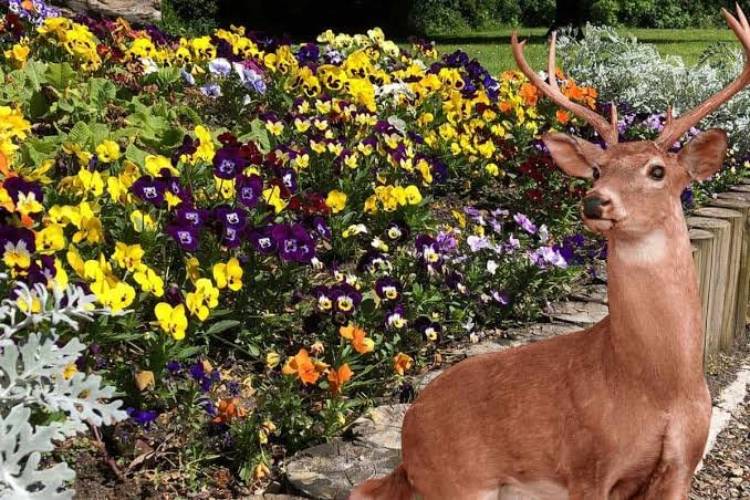
Yes, deer eat pansies, including the flowers, leaves, tender stems, and young growth. Pansies provide soft, accessible vegetation that deer can browse when they encounter the plants within their feeding range. However, the fact that deer eat pansies does not mean these flowers are always a preferred or major food source. Deer food selection changes with season, habitat, available natural forage, and access to alternative foods.
For hunters, damaged pansies can provide evidence that deer have visited and fed in an area, but plant damage alone does not confirm consistent deer activity. Tracks, droppings, established trails, repeated browsing, and nearby cover provide stronger evidence when evaluated together. The frequency of feeding also matters: a single damaged plant indicates less about deer movement than repeated browsing at the same location.
Understanding why deer eat pansies therefore provides more information than a simple yes-or-no answer. Their feeding behavior can reveal how deer respond to available vegetation, how their diet changes with local food availability, and whether browsing around pansies is part of a broader feeding pattern. These factors help hunters distinguish an isolated feeding event from signs of regular deer activity.
Do Deer Eat Pansies?
Yes, deer eat pansies and can browse the flowers, leaves, tender stems, and young growth. Pansies are accessible flowering plants with soft above-ground growth, allowing deer to consume several parts of the plant rather than targeting only the blooms. A deer that feeds heavily on a group of pansies may therefore leave damage across both the flowers and surrounding foliage.
Deer feed by browsing vegetation rather than cutting plant tissue cleanly. This feeding behavior matters when identifying damage because a browsed pansy may have flowers, leaves, or stems removed at different heights. The remaining plant tissue can look torn or uneven where vegetation has been pulled away. Repeated visits can result in progressively greater damage as deer consume new or remaining growth.
However, damaged pansies alone do not prove that deer caused the damage. Other animals can also feed on garden vegetation, so the plant should be evaluated together with evidence around the feeding location. Deer tracks, droppings, trails, and repeated browsing provide additional signs that deer have been visiting the area. For hunters, these surrounding signs are more informative than treating a missing flower as direct evidence of regular deer movement.
The amount of damage also does not show how important pansies are in the overall deer diet. A deer may consume an accessible plant without relying on it as a primary food source. Hunters should therefore distinguish between evidence that deer will eat pansies and evidence that deer regularly select an area for feeding.
Why Do Deer Eat Pansies?
Deer eat pansies because the plants provide soft, accessible vegetation that can become part of the available forage in an area. Whether deer actually consume them depends on the food choices available at that location. A deer encountering pansies is making a feeding choice within a broader environment that may contain natural browse, forbs, mast, agricultural crops, and other vegetation.
Food availability is particularly important because consumption does not automatically indicate preference. Deer may browse a plant simply because it is easy to reach while moving through an area. When alternative forage changes, the relative value of an available food source can also change. Pansies can therefore receive heavy browsing in one location while receiving little attention in another location with different habitat and forage conditions.
The tender portions of pansies also make them accessible to a browsing animal. Flowers, young leaves, new shoots, and softer stems require less processing than tougher plant material. This explains why deer can remove several above-ground portions of a pansy during feeding rather than limiting their browsing to a single part of the plant.
For hunters, the important distinction is between food availability and food preference. Finding browsed pansies establishes a possible feeding event; it does not establish that pansies are a preferred deer food or that deer will repeatedly return to that exact location. Repeated browsing combined with fresh tracks, droppings, or an established travel route provides stronger evidence of a consistent feeding pattern.
Are Pansies a Preferred Food for Deer?
Pansies are food that deer will eat, but eating them does not establish that they are a preferred deer food. Deer select food from the forage available within their habitat, so a plant can be consumed without being among the foods deer seek first. Pansies should therefore be considered one potential source of vegetation within a much broader deer diet.
Deer diets include several food categories, such as woody browse, forbs, mast, agricultural crops, and other accessible vegetation. Examples include leaves and twigs from woody plants, broadleaf herbaceous plants, acorns and other mast, and crops encountered around agricultural habitat. The relative importance of each food source changes according to what is available in the area. Pansies represent only one possible feeding opportunity within this larger selection of foods.
Availability also explains why the amount of pansy damage can differ between locations. Deer moving through an area with abundant alternative forage have more feeding options than deer encountering a location where desirable vegetation is limited. A heavily browsed group of pansies consequently shows that deer were willing to consume the plants under those conditions, not that pansies rank above every surrounding food source.
Hunters should make the same distinction when interpreting feeding sign. A food source becomes more useful for understanding deer activity when there is evidence of repeated use. Fresh browsing on multiple occasions, tracks approaching the area, droppings nearby, or a defined travel route provide more information about a feeding pattern than a single instance of damaged pansies.
When Are Deer Most Likely to Eat Pansies?
Deer are most likely to eat pansies when the plants are accessible and fit the food choices available within their current feeding area. Season, local forage availability, plant growth, deer density, and proximity to cover can influence whether deer encounter and consume pansies. These factors work together, so the presence of pansies alone does not determine when browsing will occur.
Season matters because the food available to deer changes throughout the year. Changes in plant growth and other seasonal food sources alter the choices deer encounter while feeding. When preferred or readily available natural forage is abundant, pansies compete with a larger selection of foods. When those alternatives become less available, accessible vegetation in other locations can represent an additional feeding opportunity. The relevant relationship is therefore season → forage availability → food selection, rather than season directly determining whether deer eat pansies.
Plant condition also affects the feeding opportunity. Tender flowers, leaves, stems, and new growth provide different plant material from older or tougher vegetation. Deer encountering accessible young growth can browse these portions while feeding through an area. This does not mean every pansy plant will be eaten as soon as it produces new growth; the plant still competes with the other food sources available within the deer’s feeding range.
Location adds another layer to the feeding pattern. Pansies positioned near cover or an established deer travel route have a greater opportunity to be encountered than identical plants located away from regular deer movement. For hunters, repeated browsing becomes more informative when it occurs alongside fresh tracks, droppings, trails, or other evidence that deer consistently use the surrounding area. This combination connects the food source to deer activity rather than treating the presence of eaten pansies as an isolated sign.
How Can You Tell If Deer Are Eating Your Pansies?
You can tell if deer are eating your pansies by checking the plants for browsing damage and looking for supporting deer signs such as tracks, droppings, trails, and repeated feeding activity. Damaged flowers alone are not enough to identify deer because other animals can also consume or disturb pansies. The strongest identification comes from combining plant damage with physical evidence that deer have recently used the area.
Deer browsing can remove blooms, leaves, young shoots, and sections of tender stems. Because deer browse vegetation rather than making a precise cut, damaged pansies may have irregular or torn-looking ends where plant material has been removed. The amount of missing vegetation also varies with the feeding event. A brief visit may affect only a few plants, while repeated browsing can remove new growth and progressively reduce the amount of foliage remaining.
The area surrounding the pansies provides additional evidence. Deer tracks near the plants indicate that deer physically traveled through the location, while fresh droppings provide another sign of recent presence. A visible trail connecting the plants with nearby vegetation or cover can indicate that the location lies along a route deer use repeatedly. These signs become more useful when several occur together rather than when one is found in isolation.
Repeated damage provides stronger evidence of feeding behavior than a single damaged plant. For example, fresh browsing that appears again after pansies produce additional growth indicates recurring feeding activity at the location. Hunters can then compare the timing and location of that damage with tracks, droppings, trails, and surrounding cover to determine whether the pansies are part of a broader pattern of deer activity.
What Does Deer Browsing Damage on Pansies Look Like?
Deer browsing damage on pansies typically involves missing flowers, leaves, shoots, or stems with irregular plant tissue remaining after feeding. The damage can extend across several parts of the plant because deer can consume both blooms and vegetative growth. A pansy that has lost only a flower should therefore provide less confidence than multiple plants showing similar browsing damage.
The location of the damage also provides context. Browsing across several accessible plants suggests a different feeding event from isolated damage to one bloom. When similar damage occurs repeatedly and fresh deer tracks or droppings are present nearby, the evidence for deer feeding becomes stronger.
For hunters, the objective is not simply to identify what damaged a flower. The useful information is whether the damage contributes to evidence of repeated deer use of the area. Browsing patterns become more meaningful when they connect with other signs of deer movement, particularly trails and nearby cover. This allows pansy damage to function as one piece of feeding evidence rather than as a standalone indicator of deer presence.
What Does Deer Eating Pansies Tell Hunters About Deer Activity?
Deer eating pansies tells hunters that deer have found and used an available food source in the area, but the browsing alone does not prove that the location is a regular feeding area. A single feeding event confirms little about how frequently deer return, where they travel from, or how the location fits into their broader movement pattern. Hunters need additional deer signs before treating browsed pansies as evidence of consistent activity.
The first useful distinction is between deer presence and repeated deer use. Fresh browsing indicates a recent feeding opportunity, while recurring damage indicates that deer may be returning to the same location. For example, pansies that produce new growth and are browsed again provide stronger evidence of repeated use than plants damaged once with no subsequent activity. The frequency of browsing therefore adds context to the physical damage.
Hunters can strengthen this evidence by looking for tracks, droppings, and established trails around the feeding location. Tracks can show where deer approached or left the area, while a defined trail can connect the food source with thicker cover or another regularly used location. Droppings provide additional evidence that deer spent time nearby. No single sign establishes the complete movement pattern, but several signs occurring in the same area provide a stronger basis for interpreting deer activity.
Nearby cover is also relevant because feeding activity is only one part of deer movement. A food source positioned along a regularly traveled route can have different hunting significance from an isolated plant that a deer encountered opportunistically. Hunters should therefore interpret browsed pansies within a larger sequence of food source → feeding sign → travel route → surrounding cover. This approach provides more information than assuming that every damaged group of pansies identifies a productive hunting location.
Read more: Do Deer Eat Lavender? When Hungry Deer Will Browse It
Can Eaten Pansies Help Identify a Deer Feeding Area?
Eaten pansies can help identify deer feeding activity, but repeated browsing and additional deer signs are needed before the location should be considered an established feeding area. The key factor is recurrence. One damaged group of plants represents an isolated observation, while repeated fresh browsing shows that deer have returned to use the food source.
An established feeding pattern should contain multiple pieces of related evidence. For example, newly browsed vegetation on separate occasions, fresh tracks around the same location, droppings, and a consistently used trail create a stronger pattern than plant damage alone. These signs connect the food source with repeated deer presence and movement.
Hunters should also examine where the feeding evidence sits within the surrounding habitat. A trail leading from cover toward a repeatedly browsed location can help explain how deer access the food source. Multiple tracks following a similar route provide more useful movement information than tracks scattered randomly around the property. The objective is to determine whether the pansies are part of a repeatable feeding pattern rather than an incidental encounter.
Pansies should not be treated as a standalone hunting attractant simply because deer eat them. Their greater value to a hunter is as an observable food source that can contribute evidence about local feeding behavior. When repeated browsing corresponds with tracks, droppings, trails, and nearby cover, hunters have a more complete set of signs for evaluating how deer use that area.
What Other Plants Do Deer Eat Besides Pansies?
Deer eat several categories of plants besides pansies, including woody browse, forbs, mast-producing plants, agricultural crops, and other accessible vegetation. The exact foods consumed depend on habitat, season, nutritional needs, and local food availability. Pansies therefore represent only one potential food source within a much broader deer diet.
Woody browse includes leaves, twigs, buds, and young shoots from trees and shrubs that deer can reach. This vegetation can form part of the available forage where deer move through wooded or transitional habitat. Forbs are broadleaf herbaceous plants that provide another category of food. These plants can be especially relevant when fresh growth is available within feeding areas.
Deer also consume mast when it is available. Mast includes foods produced by trees and shrubs, with acorns being a familiar example in deer habitat. Agricultural areas provide another set of feeding opportunities through crops and associated vegetation. The importance of each category changes as food sources become available or decline throughout the year, which is why deer diet should be interpreted as dynamic rather than as a fixed list of preferred plants.
For hunters, identifying the available food sources around browsed pansies provides better context for interpreting deer activity. Pansies surrounded by abundant alternative forage may represent an opportunistic feeding event. Repeated browsing in combination with other food sources, tracks, droppings, and established trails can indicate a broader feeding pattern. Understanding what deer eat across the surrounding habitat helps determine whether damaged pansies are an isolated food source or one part of an area deer use regularly.
The relationship between food and deer movement should also be evaluated at the habitat level. A single plant tells hunters what a deer was willing to eat at one location, while several actively used food sources can reveal where feeding activity is concentrated. Connecting those food sources with trails and nearby cover provides a more complete picture of how deer move between feeding and sheltered areas.
Pansies are therefore useful primarily as one piece of evidence within the larger deer feeding system. Deer eat pansies, but the hunting value of that observation comes from understanding how the feeding event relates to other forage, repeated deer signs, travel routes, and surrounding habitat.