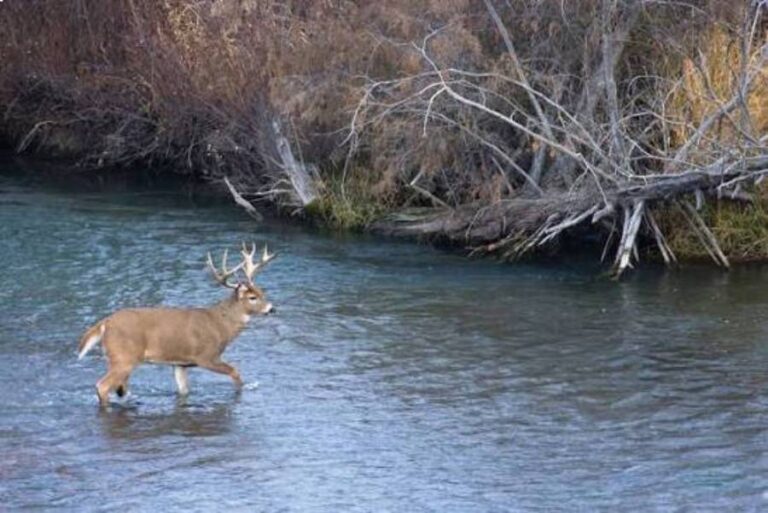
Do Deer Cross Rivers? What Hunters Should Know
Yes, deer cross rivers. Deer can wade through shallow sections and swim across deeper water when a river lies between their current location and feeding areas, bedding cover, breeding opportunities, …

Yes, deer cross rivers. Deer can wade through shallow sections and swim across deeper water when a river lies between their current location and feeding areas, bedding cover, breeding opportunities, …
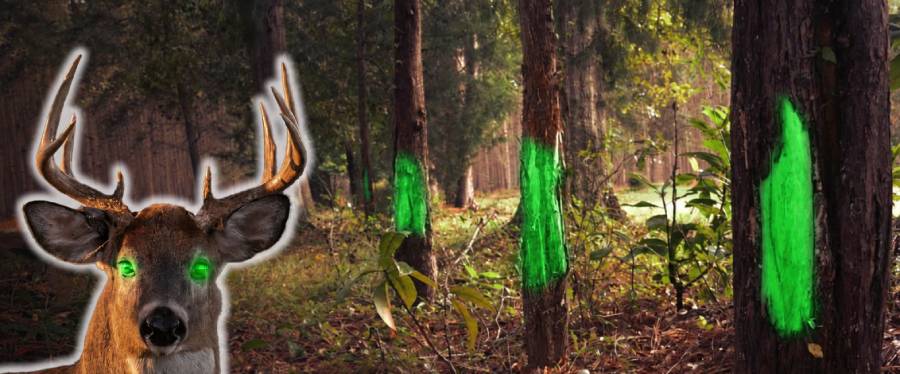
Deer can see green light at night, but they do not perceive green the same way humans do. Deer have dichromatic color vision, meaning their visual system relies on two …
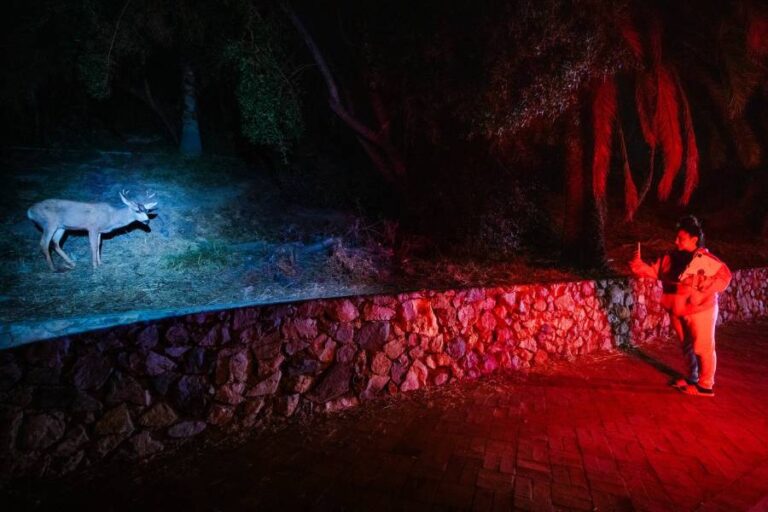
Deer can see red light at night, but red light is less visually prominent to them than shorter-wavelength colors such as blue. Deer have dichromatic color vision, meaning their eyes …
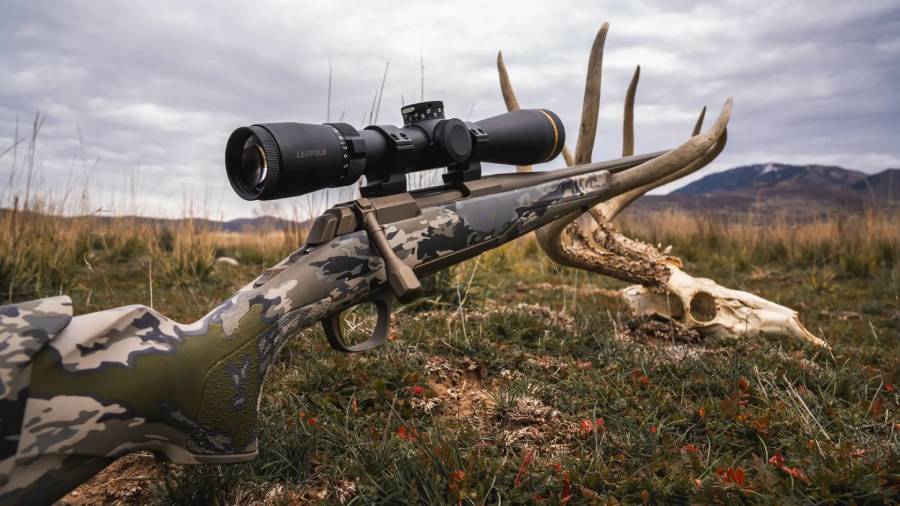
The best deer hunting caliber depends on deer size, hunting distance, recoil tolerance, and the conditions in which the rifle will be used. For an all-around deer hunting cartridge, the …
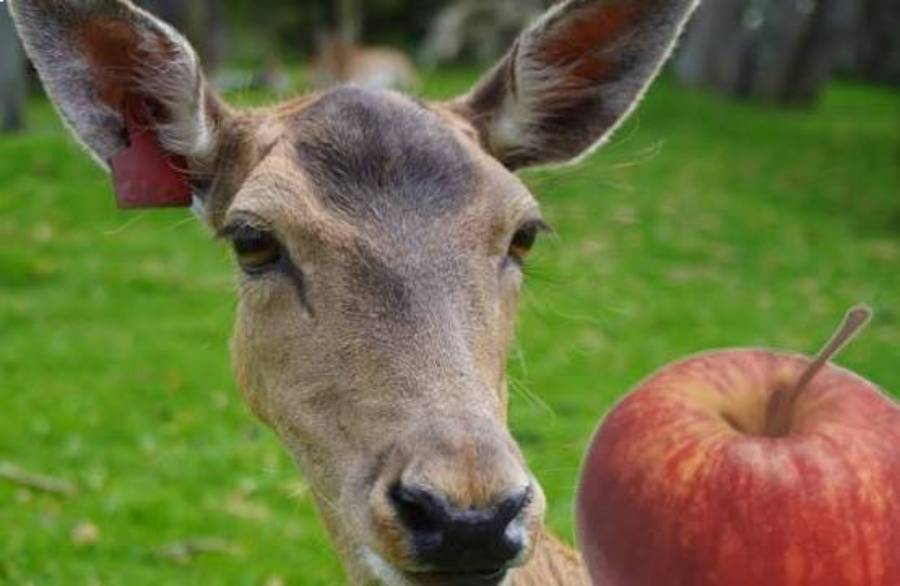
Yes, deer eat apples, and naturally fallen apples can become a seasonal food source where apple trees grow within deer habitat. White-tailed deer are opportunistic feeders, so they use available …
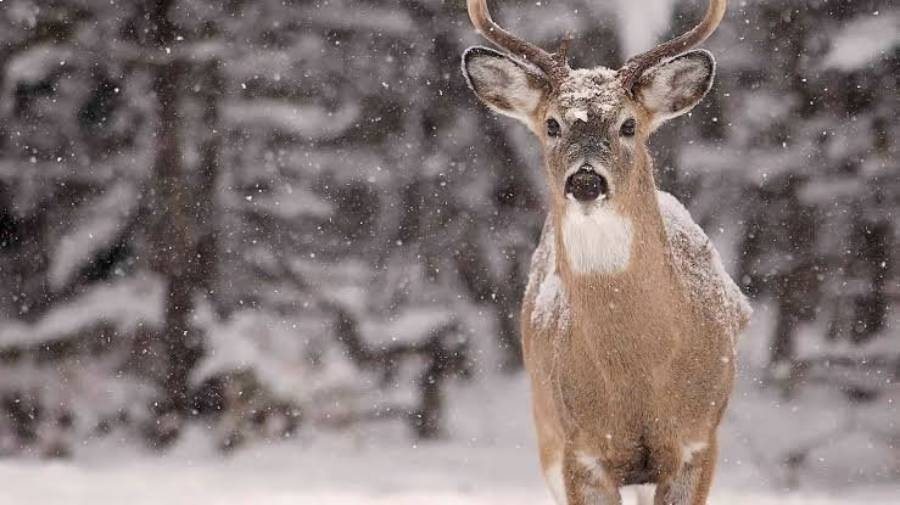
No, deer do not hibernate. Deer remain active throughout the winter, but they adjust their movement, feeding, bedding, and energy use to survive cold temperatures and reduced food availability. Unlike …
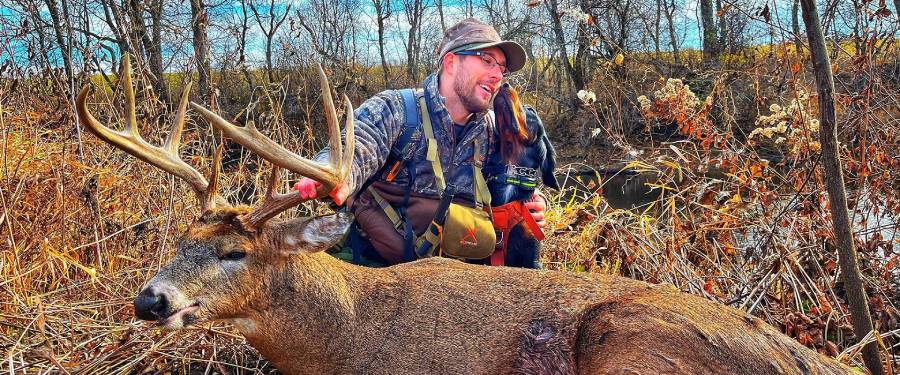
A deer tracking app helps hunters record, map, and analyze deer activity and hunting locations using GPS-based tools and field observations. Hunters can use these apps to mark deer sightings, …
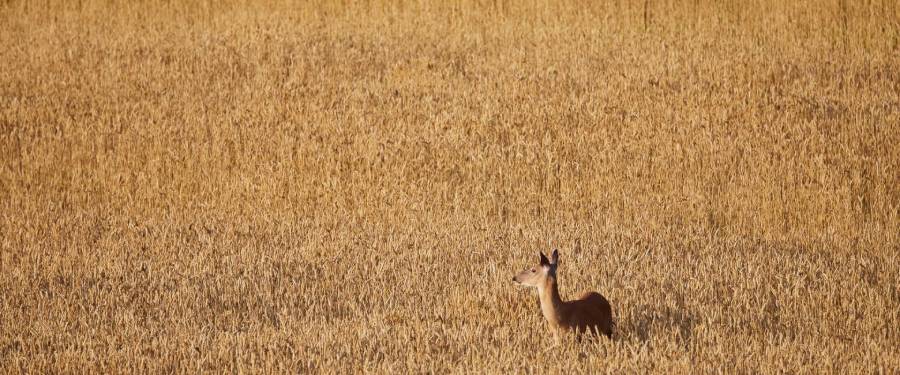
The best time to use a doe bleat is during the rut, when bucks are actively searching for receptive does and are more likely to investigate doe vocalizations. A doe …
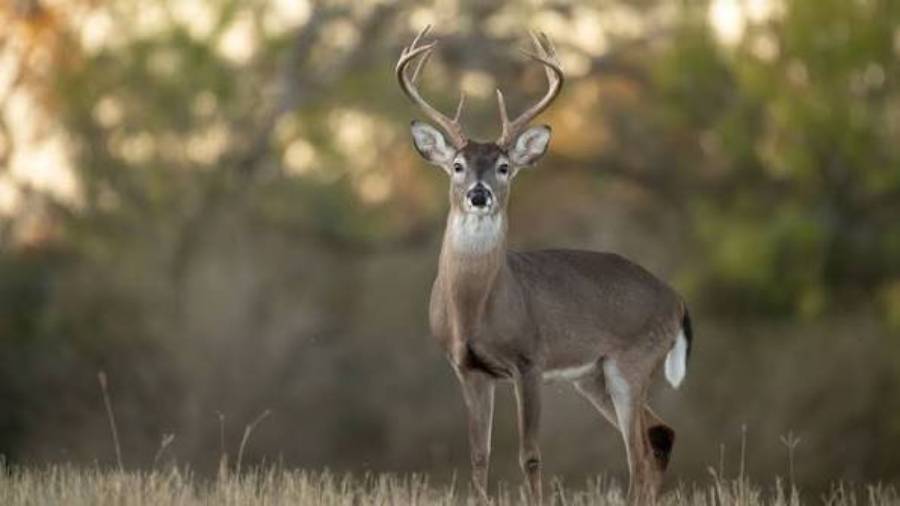
Doe estrus scent is most useful when whitetail bucks are actively searching for does that are approaching or entering estrus, particularly during the seeking and chasing phases of the rut. …
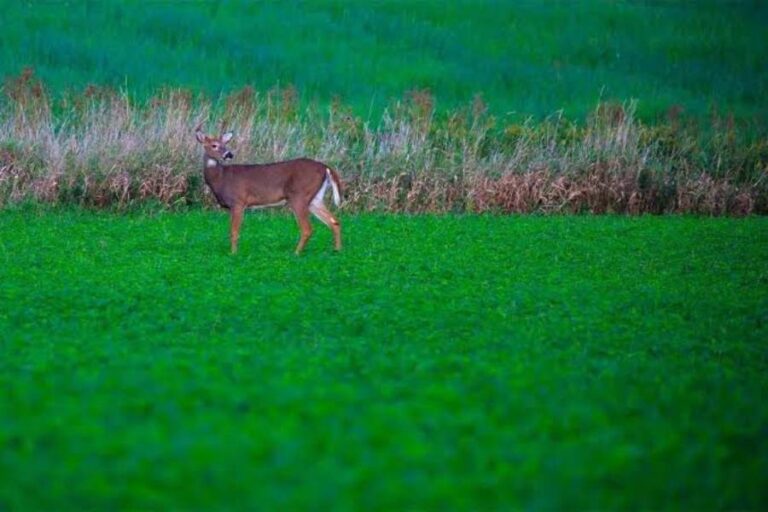
Clover, soybeans, brassicas, corn, oats, wheat, cereal rye, chicory, alfalfa, and peas are 10 of the best foods to plant for deer. These crops provide combinations of nutritious forage, seasonal …
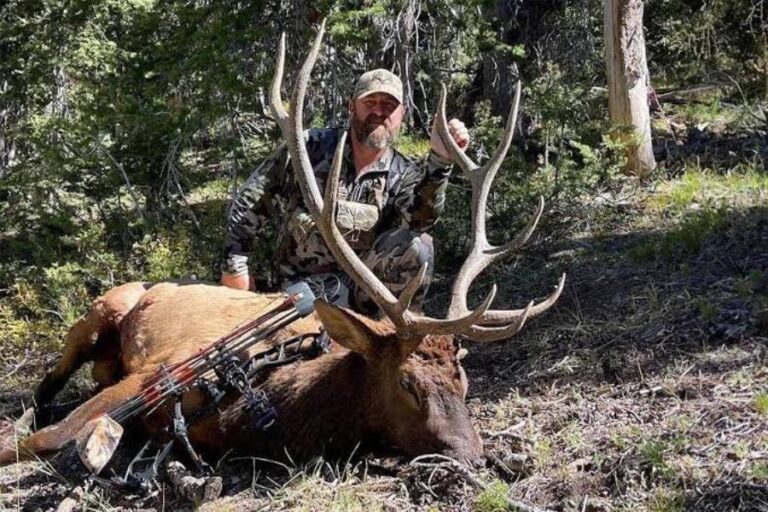
Hunting elk successfully requires finding where elk are living, recognizing fresh signs of their presence, approaching them without being detected, and adjusting your strategy as conditions change. Elk do not …
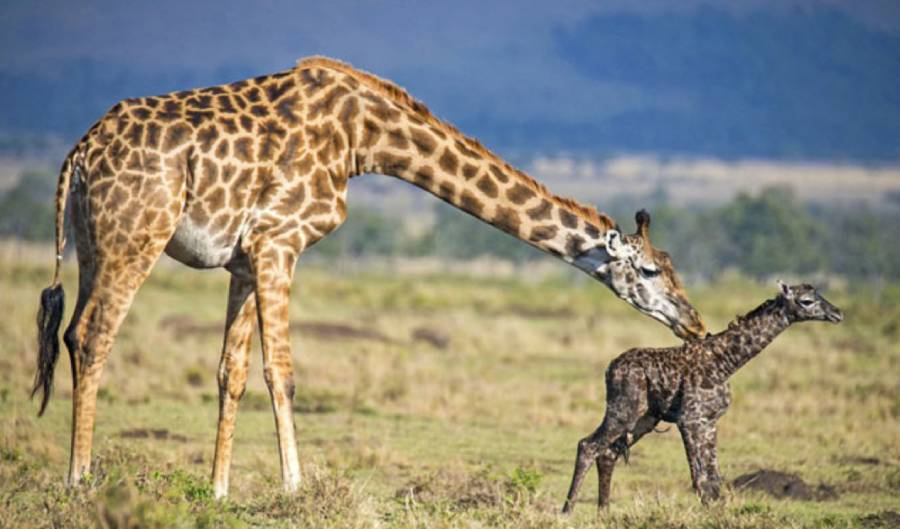
Fawns are typically born in spring and early summer, with many white-tailed deer giving birth from May through June in northern parts of their range. The exact timing varies by …

Attracting deer fast requires concentrating the resources deer already seek—food, water, secure cover, and established travel routes—within an area they are willing to use. The fastest results generally come from …
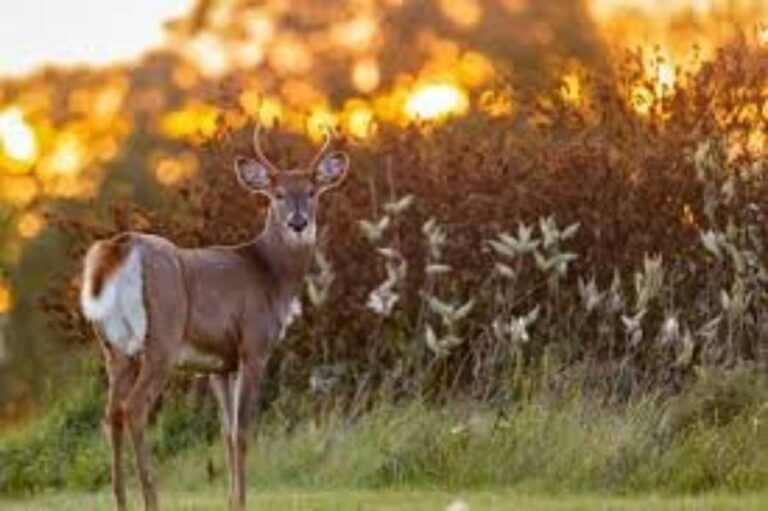
The best deer feeding times are generally around dawn and dusk, when white-tailed deer are most likely to move between bedding areas and primary food sources. Morning activity commonly occurs …

A deer with visible tumors or unusual lumps does not automatically have a disease that makes the animal unsafe to hunt or eat. Hunters may encounter wart-like growths, dark masses, …