
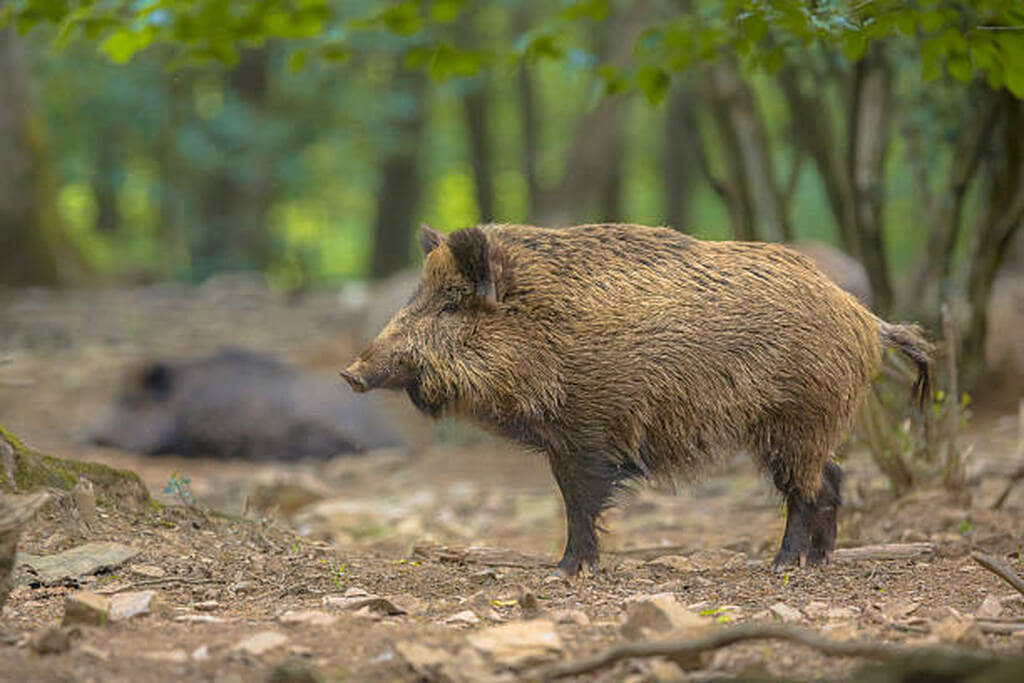
One day, feral hogs are showing up like clockwork. Trail cameras capture them feeding every night, fresh tracks cover the ground, and signs of rooting seem to appear everywhere. Then, after a few hunting attempts, increased human activity, or a sudden disturbance, they seemingly vanish without a trace.
If you have ever wondered why hogs disappear after pressure, you are not alone. Hunters, landowners, and wildlife managers frequently encounter this frustrating situation. A property that appeared full of hog activity can suddenly seem empty, leading many people to believe the animals have permanently left the area.
The reality is often more complicated. Feral hogs are highly intelligent, adaptable animals with strong survival instincts. When they detect danger, they can quickly change their behavior, travel routes, feeding schedules, and bedding locations. In many cases, they have not truly disappeared at all. They have simply become harder to find.
Understanding how hogs respond to pressure is essential for anyone trying to monitor, manage, or hunt them successfully. By learning how these animals react to hunting activity, human presence, and environmental disturbances, you can better predict where they go and when they are likely to return.
In this article, we will explore the reasons hogs disappear after pressure, where they typically relocate, and the signs that can reveal they are still closer than you think.
What Does Pressure Mean to Feral Hogs?
To understand why hogs disappear after pressure, it is important to first understand what “pressure” actually means from a hog’s perspective.
Most people associate pressure with hunting, but feral hogs respond to many forms of disturbance. Any activity that repeatedly exposes them to danger can influence their behavior. Because hogs rely heavily on their senses to survive, they are often aware of threats long before humans realize they have been detected.
Common sources of pressure include:
Hunting Activity
Repeated hunting attempts are one of the most significant forms of pressure. Gunshots, vehicle movement, hunting blinds, and human scent can quickly teach hogs that a particular area is no longer safe.
Even when no hogs are harvested, repeated encounters can alter their behavior. Mature boars are especially known for becoming cautious after experiencing hunting pressure.
Human Presence
Regular human activity can also affect hog movement. Farm work, land maintenance, construction projects, hiking, and recreational vehicle use may cause hogs to avoid certain locations.
Areas that once provided reliable feeding opportunities can become less attractive when human traffic increases.
Scent Contamination
A hog’s sense of smell is one of its most powerful survival tools. Frequent visits to feeders, trail cameras, or bait sites can leave behind human scent that alerts hogs to potential danger.
While hogs may not abandon the area completely, they often begin approaching those locations more cautiously and at different times.
Noise and Environmental Disturbance
Chainsaws, machinery, livestock operations, barking dogs, and other sudden disturbances can temporarily push hogs away from their normal routines.
The more often these disturbances occur, the more likely hogs are to modify their movement patterns.
In short, pressure is anything that causes hogs to associate a location with risk. Once that happens, their behavior can change remarkably fast.
Why Hogs Seem to Disappear Overnight
One of the biggest misconceptions about feral hogs is that they simply leave whenever pressure increases. While this can happen in some situations, it is far more common for hogs to adjust their behavior rather than completely abandon an area.
These behavioral changes often create the illusion that the animals have disappeared.
They Become More Nocturnal
One of the first responses to pressure is a shift in activity timing.
Hogs that previously fed during daylight or around dusk may begin moving almost exclusively after dark. This allows them to avoid human encounters while continuing to access the same food and water sources.
As a result, hunters and landowners may stop seeing hogs altogether even though the animals remain nearby.
They Change Travel Routes
Feral hogs rarely use random movement patterns. They often follow predictable travel corridors between bedding areas, water sources, and feeding locations.
When pressure increases, they may abandon heavily used routes and begin traveling through thicker cover or less accessible terrain. A trail that was active for months can suddenly go cold while a new route develops only a few hundred yards away.
They Relocate Bedding Areas
During the day, hogs spend much of their time resting in secure bedding locations.
After experiencing pressure, they frequently move to areas that provide better protection. Dense brush, swampy ground, steep ravines, and remote timber stands often become preferred hiding spots.
This change alone can make a local hog population seem to vanish.
They Reduce Exposure
Survival depends on avoiding danger. As pressure increases, hogs become more selective about when and where they expose themselves.
They may spend less time in open fields, approach food sources more cautiously, and avoid locations where they previously felt secure.
From a human perspective, this sudden change can look like disappearance. In reality, it is often a sign that the hogs have successfully adapted to the pressure around them.
Do Hogs Actually Leave the Area?
When hog activity suddenly drops, the first assumption is often that the animals have left for good. While that is possible, it is usually not the whole story.
In many cases, feral hogs remain surprisingly close to the locations where they were originally observed. The challenge is that they become much harder to detect after experiencing pressure.
In Many Cases, They Stay Nearby
Research and field observations consistently show that hogs often maintain access to the same food sources, water sources, and shelter even after their behavior changes.
Instead of abandoning their home range, they simply alter how they use it.
For example, a sounder that previously entered a field at sunset may begin arriving several hours later. They may approach from a different direction, spend less time feeding, and leave before daylight. To an observer who is only present during familiar activity periods, it can appear as though the hogs have disappeared.
Temporary Relocation Is Common
If pressure becomes intense, hogs may move to another section of their range or seek refuge on neighboring properties.
This temporary relocation often occurs when:
- Hunting pressure becomes frequent.
- Human activity increases dramatically.
- Feeding areas become unsafe.
- Bedding sites are repeatedly disturbed.
Depending on habitat conditions, hogs may move several hundred yards or several miles away. Once the perceived threat decreases, many eventually return.
Long-Term Movement Can Happen
There are situations where hogs genuinely leave an area for an extended period.
This is more likely when multiple factors occur at the same time, such as heavy hunting pressure combined with habitat changes, reduced food availability, drought conditions, or increased competition from other hog groups.
Even then, the movement is usually driven by survival needs rather than fear alone.
Why They Rarely Disappear Completely
Feral hogs are opportunistic animals. If an area continues to provide food, water, and cover, they often find ways to use it while minimizing risk.
That is why a property that appears empty today may suddenly show fresh tracks, rooting damage, and trail camera photos again a few weeks later.
The hogs did not necessarily vanish. They simply adjusted faster than the people trying to find them.
Where Do Hogs Go After Pressure?
When hogs decide to reduce their exposure to danger, they typically move toward locations that offer greater security. Understanding these destinations can dramatically improve your ability to locate them again.
Dense Cover and Thick Vegetation
One of the most common destinations is heavy cover.
Dense brush, overgrown creek bottoms, thickets, and young timber stands provide protection from both predators and humans. These areas allow hogs to remain hidden during daylight hours while still maintaining access to nearby food and water.
The thicker the cover, the more attractive it becomes after pressure increases.
Remote Bedding Areas
Hogs often establish new bedding locations farther away from roads, trails, and frequently traveled paths.
These sites may not be ideal from a comfort perspective, but they offer a critical advantage: reduced human contact.
Mature boars are especially known for selecting isolated bedding areas after repeated disturbances.
Areas With Reliable Water
Water plays a major role in feral hog survival, especially during warmer months.
When pressured, hogs often concentrate around secluded ponds, marshes, creeks, and swampy habitats where human activity is limited. These areas provide both hydration and cooling opportunities while offering natural concealment.
Alternative Food Sources
Many hunters focus on feeders, bait sites, or agricultural fields. Pressured hogs often respond by shifting toward less obvious food sources.
They may begin feeding in hardwood bottoms, natural mast-producing areas, hay fields, recently harvested cropland, or locations with abundant roots and insects.
This shift allows them to continue feeding while avoiding locations associated with danger.
Neighboring Properties
In regions with fragmented land ownership, hogs frequently move onto adjacent properties that experience less pressure.
A group that seems to disappear from one ranch may simply be spending more time on neighboring land where human activity is lower.
This is one reason why coordinated management efforts often produce better results than isolated hunting pressure on a single property.
The key takeaway is that hogs generally move toward security rather than randomly wandering away. If food, water, and cover remain available, they usually stay within a reasonable distance and continue using the landscape in ways that reduce their risk of detection.
How Hunting Pressure Changes Hog Behavior
Feral hogs have survived and expanded across vast regions because of their remarkable ability to adapt. Once they associate an area with danger, they can modify their behavior in ways that make them significantly harder to locate.
These changes are often subtle at first but can become more pronounced as pressure continues.
Increased Caution Around Feeding Areas
One of the earliest behavioral shifts occurs at feeding sites.
Hogs that previously approached feeders or bait stations confidently may begin circling downwind before entering. Some groups spend less time feeding, while others approach only when environmental conditions provide additional cover, such as darkness, fog, or heavy rain.
This heightened caution can make a productive location appear inactive even when hogs are still visiting regularly.
Smaller and Less Predictable Movement Windows
Under low pressure, hogs often follow relatively consistent schedules. After repeated disturbances, their movement becomes less predictable.
Instead of arriving at the same location every evening, they may vary their timing from one day to the next. This unpredictability reduces the chances of encountering humans and increases their overall survival rate.
Greater Reliance on Cover
As pressure rises, hogs spend more time using terrain and vegetation to conceal their movements.
Creek bottoms, brush lines, timber edges, and dense vegetation become preferred travel corridors. Open fields that once attracted large groups may be used only briefly or avoided altogether during daylight hours.
Behavioral Differences Between Boars and Sounders
Not all hogs react in the same way.
Mature boars tend to be more cautious and independent. They often respond quickly to pressure by changing travel routes and bedding locations.
Sounders, which are family groups led by adult females, may remain in an area longer if food and water are abundant. However, they also become increasingly wary when disturbances continue.
Understanding these differences can help explain why trail cameras may still capture some hogs while others seem to disappear completely.
Learning From Experience
Perhaps the most important factor is that hogs learn.
Animals that survive hunting encounters often become more difficult to hunt in the future. They remember locations associated with danger and adjust their behavior accordingly.
This ability to learn is one of the primary reasons pressured hog populations can be challenging to monitor and manage.
Signs Hogs Are Still Nearby
Just because you are no longer seeing hogs does not mean they have left the area. In many cases, evidence of their presence remains visible if you know what to look for.
Recognizing these signs can prevent you from abandoning a productive area too soon.
Fresh Tracks
Tracks are one of the most reliable indicators of recent activity.
Look for sharp edges, clear impressions, and signs of recent soil disturbance. Fresh tracks near water sources, trails, or feeding areas often indicate that hogs are still using the area despite reduced visibility.
Pay attention to track size as well. Large tracks may suggest mature boars, while clusters of smaller tracks often indicate a sounder.
Rooting Damage
Feral hogs spend a significant amount of time rooting through soil in search of roots, tubers, insects, and other food sources.
Fresh rooting typically appears darker and more recently disturbed than older damage. New rooting activity is a strong indication that hogs remain nearby.
Wallows
Hogs frequently create shallow depressions filled with mud and water, known as wallows.
These areas help regulate body temperature and protect against parasites. Fresh mud, recent tracks, and wet vegetation around a wallow often signal ongoing use.
Rub Trees and Posts
After wallowing, hogs commonly rub against trees, fence posts, and other objects to remove mud and parasites.
Look for smooth bark, mud stains, coarse hair, and fresh markings. These signs can reveal travel corridors and frequently used resting areas.
Trail Camera Activity
Many landowners assume hogs have disappeared because they stop seeing them in person. Trail cameras often tell a different story.
It is common to discover that hogs are still visiting the area but have shifted their activity to late-night hours. Reviewing timestamps can reveal important changes in movement patterns and help identify new opportunities for observation or management.
Water Source Activity
During warm weather, water becomes one of the most valuable clues.
Fresh tracks, muddy banks, and disturbed vegetation around ponds, creeks, and watering holes often indicate that hogs remain active nearby, even when other signs are limited.
The key is to focus on evidence rather than sightings. Pressured hogs may avoid people successfully, but they still leave behind a trail of clues that reveal their presence.
How Long Do Hogs Stay Away After Pressure?
One of the most common questions among hunters and landowners is how long hogs remain absent after experiencing pressure. Unfortunately, there is no single answer because the response varies depending on the level of disturbance, habitat conditions, and the availability of resources.
However, certain patterns are commonly observed.
Light Pressure
When the disturbance is relatively minor, such as occasional human activity or a single hunting event, hogs may alter their behavior for only a short period.
In these situations, they often become more cautious for a few days before gradually returning to their normal routines. Activity may shift toward nighttime, but their overall use of the area remains largely unchanged.
Moderate Pressure
Repeated hunting attempts, frequent visits to feeding sites, or ongoing human presence can produce a stronger response.
Hogs may temporarily relocate to nearby cover, change travel routes, and avoid previously productive locations for one to three weeks. During this period, signs of activity often decrease even though the animals remain within the broader area.
Heavy Pressure
Intense pressure can cause more significant movement.
Examples include frequent hunting, repeated disturbances to bedding areas, constant vehicle traffic, or multiple encounters that reinforce the perception of danger. In these cases, hogs may avoid a specific location for several weeks or even months.
The larger and older the animals, the more likely they are to maintain these avoidance behaviors.
Factors That Influence Return Time
Several variables determine how quickly hogs return:
- Availability of food.
- Access to water.
- Quality of cover.
- Season and weather conditions.
- Population density.
- Competition from other hog groups.
- Consistency of human activity.
If a location offers abundant resources, hogs often have a strong incentive to return once the threat level decreases.
Why Patience Matters
Many people abandon a location too quickly after activity declines.
In reality, hogs frequently reappear after enough time has passed. Monitoring signs, reviewing trail camera data, and minimizing additional disturbance can improve the chances of detecting their return.
The absence of sightings does not necessarily mean the absence of hogs.
How to Find Pressured Hogs Again
Finding pressured hogs requires a different approach than locating animals that have not yet been disturbed. Instead of focusing solely on previous hotspots, successful hunters and land managers adapt to the hogs’ new behavior patterns.
Expand Your Search Area
One of the biggest mistakes is concentrating only on locations where hogs were previously active.
When pressure increases, begin searching nearby areas that provide thicker cover, reduced human activity, and easier escape routes. Sometimes the new location is only a few hundred yards away from the original hotspot.
Focus on Water Sources
Water remains a daily necessity regardless of pressure.
Creeks, ponds, marshes, and secluded watering holes often become gathering points for hogs attempting to avoid disturbance. Fresh tracks and mud activity around these locations can quickly reveal where animals have relocated.
Scout for New Bedding Areas
Pressured hogs often spend more time in secure bedding cover.
Look for dense vegetation, creek bottoms, overgrown thickets, and remote sections of timber. These areas may contain fresh tracks, wallows, rub marks, and other evidence of recent use.
Use Trail Cameras Strategically
Trail cameras remain one of the most effective tools for tracking behavioral changes.
Rather than placing cameras only at feeders or bait sites, consider monitoring:
- Travel corridors.
- Water sources.
- Funnel points.
- Creek crossings.
- Thick cover edges.
This broader approach often reveals movement patterns that would otherwise go unnoticed.
Reduce Human Disturbance
Sometimes the best strategy is to do less.
Frequent scouting trips, excessive vehicle use, and repeated visits to the same locations can reinforce the very pressure that caused the problem in the first place.
Minimizing disturbance allows hogs to regain confidence and resume more predictable movement patterns.
Follow the Sign, Not the Memory
Perhaps the most important lesson is to avoid relying on old information.
The fact that hogs used a specific field, feeder, or trail last month does not mean they are using it today. Successful tracking depends on current evidence, not past habits.
Fresh tracks, recent rooting, active wallows, and camera data provide a far more accurate picture of where hogs are now.
Conclusion
Understanding why hogs disappear after pressure and where they go can dramatically improve your ability to locate and manage feral hog populations.
In most cases, hogs do not simply vanish. Instead, they respond to perceived danger by becoming more nocturnal, changing travel routes, relocating bedding areas, and seeking locations that offer greater security. These adaptations make them harder to detect, leading many people to believe they have left entirely.
The key is recognizing that pressured hogs continue to leave clues behind. Fresh tracks, rooting damage, wallows, rub trees, and trail camera activity can all reveal their presence even when direct sightings become rare.
Rather than assuming the hogs are gone, focus on understanding how their behavior has changed. By identifying new movement patterns, reducing unnecessary disturbance, and concentrating on food, water, and cover, you can often relocate hogs that seem to have disappeared overnight.
The next time hog activity suddenly drops, remember that the animals may be much closer than you think. The challenge is not whether they are still there. The challenge is learning where they moved and why they chose to move there.