
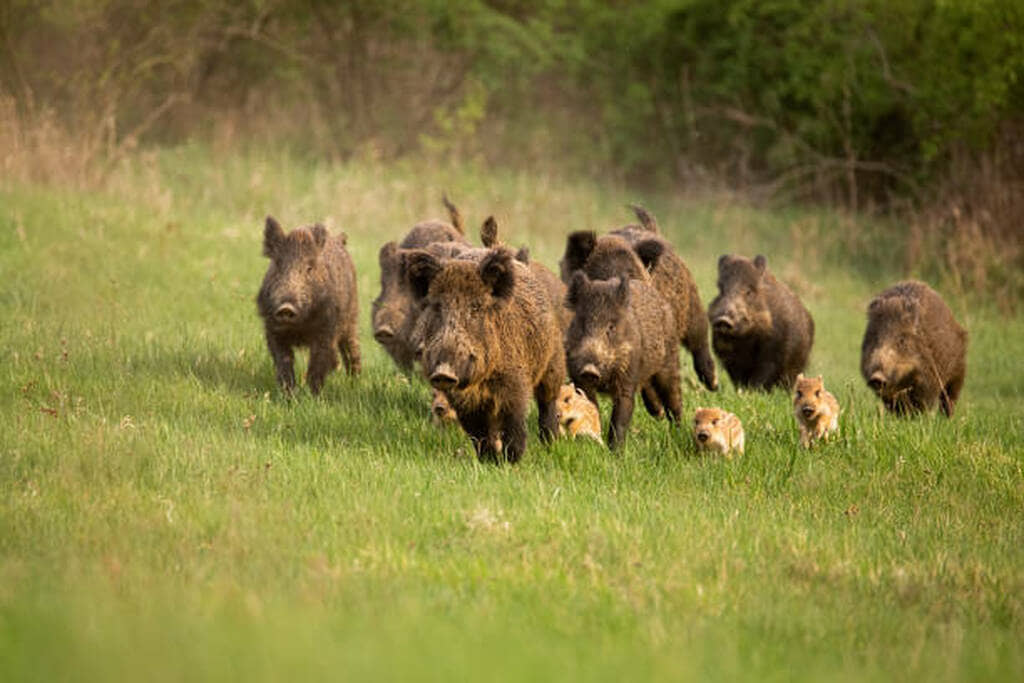
Finding wild hogs consistently is one of the biggest challenges hunters and landowners face. Many people focus their efforts on feeders, crop fields, rooting damage, or bait sites, only to discover that hogs seem to disappear when it matters most. The reason is simple: feeding areas tell you where hogs have been, but bedding areas reveal where they spend the majority of their daylight hours.
Understanding how to find hog bedding areas can dramatically improve your scouting success. Whether your goal is hunting feral hogs, monitoring their movements, or reducing property damage, locating their preferred resting locations provides valuable insight into their daily patterns. Once you identify a bedding area, you can often uncover nearby travel routes, water sources, and feeding locations that form the core of a hog’s territory.
Wild hogs are highly adaptable animals capable of thriving in forests, swamps, agricultural land, and brush-covered terrain. Despite this adaptability, they share several common bedding preferences. They seek security, shade, comfortable temperatures, and quick access to food and water. By learning to recognize these patterns, you can narrow down vast areas of habitat and focus your efforts where hogs are most likely to be found.
In this guide, you will learn how to find hog bedding areas by identifying key habitat features, reading hog sign, analyzing terrain, and using effective scouting techniques. These strategies can help you spend less time searching and more time locating active hog populations.
What Is a Hog Bedding Area?
A hog bedding area is a location where wild hogs spend most of their daytime hours resting, sleeping, and seeking protection from heat, predators, and human activity. Unlike feeding areas, where hogs actively search for food, bedding areas are selected primarily for security and comfort.
Feral hogs are generally nocturnal, especially in regions with significant hunting pressure. They often leave their bedding sites shortly before sunset, travel to feeding locations throughout the night, and return to their bedding cover before daylight. Because of this predictable behavior, bedding areas can provide valuable clues about a hog’s daily routine.
A typical bedding area contains dense vegetation that offers concealment from predators and humans. Thick brush, palmetto stands, young pine plantations, overgrown creek bottoms, and swamp edges are among the most common bedding habitats. These locations help hogs remain hidden while also providing protection from extreme temperatures.
Wild hogs frequently choose bedding sites near water sources. Streams, ponds, marshes, and river corridors provide cooler microclimates during hot weather and easy access to drinking water. In warmer regions, hogs may also select bedding locations close to wallows, allowing them to regulate body temperature and reduce insect activity.
Many hunters make the mistake of confusing bedding areas with feeding areas. Rooting damage, crop fields, and bait sites may show heavy hog activity, but these locations are often visited only during specific periods. Bedding areas, on the other hand, serve as the foundation of a hog’s daily movement pattern. Once you locate a bedding area, you can often identify nearby travel corridors and feeding zones with much greater accuracy.
Understanding the difference between where hogs feed and where they rest is the first step toward consistently locating feral hogs in the field.
Why Finding Bedding Areas Matters
Locating a bedding area is one of the most effective ways to understand how wild hogs use a property. While food sources can change throughout the year, bedding areas often remain consistent because they provide the security and environmental conditions hogs need for survival.
For hunters, bedding areas dramatically improve scouting efficiency. Instead of covering large areas in search of fresh sign, hunters can focus on locations where hogs are most likely to spend daylight hours. This approach increases the chances of finding fresh tracks, recent rooting activity, and active travel routes.
Identifying bedding locations also helps predict movement patterns. Hogs typically follow the same routes between bedding areas, water sources, and feeding locations. Once these routes are discovered, it becomes much easier to determine where and when hogs are likely to appear.
Landowners and farmers can benefit from locating bedding areas as well. Many people focus on crop damage without understanding where the animals are actually living. By identifying bedding cover, property owners can better assess the size of local populations and develop more effective management strategies.
Trail camera placement becomes significantly more productive when bedding areas are known. Cameras positioned near bedding access trails often capture more consistent activity than cameras placed randomly across a property. This provides better information about group size, travel times, and the presence of mature boars.
Another important advantage is reducing wasted effort. Many beginners spend weeks monitoring feeding sites that are only used intermittently. Bedding areas reveal where hogs feel safest, making them one of the most reliable indicators of long-term hog presence.
Whether your goal is hunting, wildlife management, or damage control, learning how to find hog bedding areas allows you to understand the core of a hog’s daily behavior. This knowledge can turn scattered observations into a clear picture of how feral hogs move across the landscape.
Where Wild Hogs Typically Bed During the Day
One of the most effective ways to find hog bedding areas is understanding the type of habitat wild hogs prefer during daylight hours. Although feral hogs can adapt to a wide range of environments, they consistently select locations that provide security, shade, and easy access to water.
Thick Brush and Dense Cover
Dense vegetation is one of the most reliable indicators of potential bedding habitat. Wild hogs prefer areas where they can remain hidden from predators and human activity. Thick brush creates natural barriers that make it difficult for people and other animals to approach unnoticed.
Look for locations such as:
• Briar patches
• Palmetto thickets
• Overgrown field edges
• Young pine plantations
• Dense cedar stands
Large sounders often create multiple bedding pockets within the same block of cover, allowing different groups to rest while maintaining access to nearby resources.
Creek Bottoms and River Corridors
Creek bottoms are among the most productive areas for locating hog bedding sites. These locations provide water, cooler temperatures, and thick vegetation throughout much of the year.
The combination of moisture and plant growth often creates ideal bedding conditions. Hogs can remain concealed while staying close to drinking water and feeding opportunities.
When scouting creek bottoms, pay special attention to bends in the creek, thick drainage systems, and brush-covered banks that offer additional protection.
Swamps and Marshes
In many regions, swamps and marshes serve as prime daytime refuges. These environments are difficult for humans to access and often contain abundant food, water, and cover.
Mature boars frequently select isolated sections of marshland where disturbance is minimal. Sounders may use slightly elevated islands within swamps to avoid standing water while still benefiting from the surrounding protection.
Pine Plantations and Timber Blocks
Commercial timber properties often create ideal bedding conditions. Young pine stands provide thick cover close to the ground, limiting visibility and making them attractive to hogs.
As plantations mature, hogs may shift toward areas with thicker understory vegetation, logging debris, or brush-filled clearings. Recently harvested timber blocks can also attract hogs due to new vegetation growth and reduced competition from larger animals.
Hillsides and Slopes
In hilly terrain, hogs often use slopes to regulate body temperature. During colder months, south-facing slopes receive more sunlight and can provide warmer bedding conditions. During summer, shaded north-facing slopes often become preferred resting locations.
These subtle terrain differences may seem insignificant, but experienced scouts often use them to narrow down likely bedding locations and improve search efficiency.
Understanding where wild hogs prefer to bed during the day allows you to eliminate large portions of unsuitable habitat and focus your efforts on areas with the highest probability of success.
10 Signs of an Active Hog Bedding Area
Finding the right habitat is only part of the process. To confirm that a bedding area is currently being used, you must learn how to identify the physical signs left behind by wild hogs. The more signs you find in one location, the greater the likelihood that you have discovered an active bedding area.
1. Flattened Vegetation
One of the clearest indicators of a bedding area is vegetation that has been compressed into oval or irregular depressions. These flattened spots are often found beneath thick cover and may contain multiple beds when a sounder is present.
Fresh bedding sites usually have vegetation that remains green and recently disturbed.
2. Fresh Tracks
Tracks reveal both recent activity and the number of animals using an area. Multiple track sizes often indicate a family group rather than a solitary boar.
Look for tracks entering and exiting dense cover rather than scattered randomly throughout the landscape.
3. Multiple Entry and Exit Trails
Wild hogs commonly use the same travel routes repeatedly. Active bedding areas frequently contain several narrow trails leading toward feeding areas, water sources, and wallows.
Well-worn trails are often visible even in dense vegetation.
4. Recent Rooting Activity Nearby
Although rooting typically occurs outside the bedding area itself, fresh rooting damage nearby suggests that hogs are actively using the surrounding habitat.
The closer the rooting activity is to secure cover, the more likely the bedding area remains active.
5. Fresh Droppings
Hog droppings provide valuable information about recent use. Fresh scat generally appears moist and dark in color, while older droppings become dry and faded.
Finding multiple droppings within or near bedding cover often indicates frequent occupancy.
6. Mud-Covered Trees
After using wallows, hogs often rub against nearby trees to remove excess mud and parasites. These rubbing sites leave visible mud stains, hair, and polished bark.
The presence of multiple rub trees can signal a heavily used bedding complex.
7. Nearby Wallows
Wallows are shallow depressions filled with mud and water. Hogs use them to cool down and protect themselves from insects.
An active wallow located near dense cover is often a strong indicator that bedding sites are close by.
8. Strong Odor
Experienced scouts frequently identify bedding areas by smell before seeing physical evidence. Concentrated hog activity often produces a distinct musky odor, especially during warm weather.
While odor alone is not proof, it becomes significant when combined with other signs.
9. Hair on Vegetation
As hogs move through tight cover, coarse hair can become caught on branches, briars, and fencing. Hair samples often appear near bedding entrances and heavily used travel routes.
This sign is particularly useful in thick vegetation where tracks may be difficult to locate.
10. Consistent Trail Camera Activity
Trail cameras provide the most reliable confirmation of an active bedding area. Repeated daytime photographs of hogs entering or leaving dense cover strongly suggest that bedding sites are nearby.
Pay attention to travel direction, time stamps, and group size. These details can help pinpoint the exact location of the bedding area and reveal how frequently it is being used.
The most productive bedding areas rarely display just one sign. Instead, they often contain several indicators concentrated within a relatively small area. When flattened vegetation, fresh tracks, nearby wallows, and consistent camera activity appear together, there is a high probability that you have located an active hog bedding area.
How to Find Hog Bedding Areas in 5 Steps
Knowing what a bedding area looks like is important, but having a systematic scouting process is what consistently produces results. The following five-step method can help hunters and landowners locate active hog bedding areas more efficiently while minimizing wasted time in the field.
Step 1: Study Aerial Maps Before Entering the Field
Many successful scouting trips begin long before you step onto the property. Modern satellite imagery allows you to identify potential bedding habitat from a distance.
Look for:
• Dense vegetation blocks
• Swamps and marshes
• Creek bottoms
• River corridors
• Thick timber stands
• Brush-covered drainages
Large areas of uninterrupted cover are often more attractive to hogs than isolated patches. Mark these locations on a map and prioritize them during field scouting.
Step 2: Locate Reliable Water Sources
Water is one of the most important factors influencing hog movement. Wild hogs require frequent access to water, especially during hot weather.
Focus your search around:
• Ponds
• Creeks
• Rivers
• Wetlands
• Stock tanks
• Seasonal water holes
The best bedding areas are often located within a short walking distance of a dependable water source.
Step 3: Identify Security Cover
Not every patch of vegetation makes suitable bedding habitat. Hogs prefer areas where they feel protected from predators and human disturbance.
As you scout, ask yourself:
Can a hog remain hidden here during daylight hours?
Would approaching animals be detected quickly?
Does the vegetation provide shade and protection?
The more secure a location feels, the greater the chance hogs may use it as a bedding site.
Step 4: Search for Concentrated Hog Sign
Once you identify promising habitat, begin searching for evidence of current hog activity.
Key signs include:
• Fresh tracks
• Rooting damage
• Mud rubs
• Wallows
• Hair on vegetation
• Droppings
Finding a single sign may indicate occasional use. Finding multiple signs concentrated in one area often suggests active bedding habitat.
Step 5: Confirm Activity with Trail Cameras
Trail cameras provide confirmation that no amount of guesswork can match. Install cameras along entry trails leading into dense cover rather than directly inside the bedding area.
This strategy reduces disturbance while still capturing valuable information about:
• Group size
• Travel direction
• Daily movement patterns
• Peak activity periods
If cameras repeatedly capture hogs entering cover before sunrise and exiting after sunset, you have likely identified an active bedding area.
Common Scouting Mistakes
Many beginners make the mistake of walking directly into suspected bedding cover. Excessive disturbance can cause hogs to temporarily abandon the area or shift their bedding location.
Instead, scout carefully, minimize scent contamination, and rely on observation and camera data whenever possible.
By following these five steps, you can transform random scouting into a structured process that consistently identifies high-probability bedding locations.
Best Terrain Features to Scout
While hogs can bed almost anywhere that offers security and comfort, certain terrain features repeatedly attract feral hogs across different regions. Learning to recognize these landscape characteristics can significantly reduce scouting time and improve success rates.
Creek Crossings
Creek crossings often function as natural travel hubs. Hogs moving between bedding areas, feeding sites, and water sources frequently use the same crossing points.
Signs to look for include:
• Multiple tracks
• Worn trails
• Mud disturbances
• Nearby thick cover
Although hogs may not bed directly at the crossing, these locations often lead to nearby bedding habitat.
Dense Drainages
Drainages combine several factors that hogs prefer, including moisture, cover, and reduced human activity.
Brush-filled drainages often remain cooler than surrounding terrain and provide natural travel corridors. During dry periods, these areas may retain water longer than exposed ground, making them even more attractive.
When scouting large properties, drainages are often among the first locations worth investigating.
Brushy Ridges
In regions with rolling terrain, brush-covered ridges can serve as excellent bedding habitat.
These ridges provide:
• Good visibility
• Dry bedding conditions
• Wind protection
• Easy access to lower feeding areas
Mature boars frequently select isolated ridge systems where human pressure is minimal.
Swamp Edges
While many hogs use swamps for security, they often prefer bedding along the edges rather than deep inside flooded areas.
Swamp edges offer:
• Dense vegetation
• Nearby water
• Better footing
• Easier travel routes
These transition zones frequently contain some of the highest concentrations of hog sign on a property.
Abandoned Agricultural Fields
Old fields that have become overgrown with brush and weeds can develop into excellent bedding habitat.
These locations often provide:
• Thick vegetation
• Limited disturbance
• Nearby food sources
• Easy access to travel corridors
Because many people associate fields with feeding activity, overgrown agricultural areas are often overlooked as potential bedding locations.
Habitat Transitions Are Often the Key
One of the most productive scouting strategies is focusing on habitat transitions rather than a single terrain feature.
Pay special attention to areas where:
• Timber meets open ground
• Swamps meet uplands
• Brush borders agricultural land
• Creek bottoms connect to forests
These transition zones provide access to multiple resources while allowing hogs to remain concealed throughout the day.
Experienced hog hunters often discover that the best bedding areas are not located in the middle of a habitat type but along the edges where several habitat features come together. Understanding these terrain relationships can dramatically improve your ability to locate active hog bedding areas year after year.
Using Trail Cameras to Confirm Bedding Locations
Trail cameras have become one of the most valuable tools for locating and verifying active hog bedding areas. While tracks, rooting, wallows, and rubs provide clues, trail cameras deliver direct evidence of how hogs are using a particular area. They can reveal movement patterns, group size, activity periods, and even the exact routes hogs use when entering and leaving bedding cover.
Why Trail Cameras Matter
Many bedding areas contain signs that appear fresh but may actually be several days old. A trail camera removes uncertainty by documenting current activity.
With consistent camera data, you can determine:
• Whether the bedding area is actively being used
• How many hogs are present
• The size of the sounder
• Peak movement times
• Travel direction to and from feeding areas
This information helps transform a suspected bedding location into a confirmed one.
Best Camera Placement Strategies
One of the most common mistakes hunters make is placing cameras directly inside a bedding area. While this may seem logical, frequent visits to check cameras can disturb hogs and alter their behavior.
Instead, focus on:
Entry and Exit Trails
Trails leading into dense cover often provide the best camera locations. These routes capture hogs traveling between bedding and feeding areas while minimizing disturbance.
Travel Corridors
Funnels such as creek crossings, drainage channels, and narrow strips of cover can produce consistent camera activity because hogs naturally concentrate movement through these areas.
Water Sources Near Bedding Areas
Water holes, ponds, and wallows located close to bedding cover often generate activity throughout the day, especially during warmer months.
Camera Setup Tips
Proper setup can significantly improve image quality and detection rates.
For best results:
• Position cameras 24 to 36 inches above ground level
• Angle cameras slightly downward
• Avoid direct sunrise and sunset exposure
• Clear vegetation that may trigger false images
• Use high-capacity memory cards and fresh batteries
Many experienced scouts also use video mode rather than still images because it provides additional information about behavior and travel direction.
Interpreting Camera Data
The goal is not simply to capture hog photos. The goal is to understand patterns.
Pay attention to:
• Arrival times
• Departure times
• Group composition
• Travel direction
• Frequency of visits
For example, if hogs consistently enter a dense thicket before sunrise and emerge shortly after sunset, there is a strong probability that the bedding area is located within or immediately adjacent to that cover.
Avoid Excessive Disturbance
Checking cameras too frequently is one of the fastest ways to reduce daytime activity.
Whenever possible:
• Check cameras during midday
• Minimize scent contamination
• Use established access routes
• Limit unnecessary visits
A trail camera is most effective when it gathers information without alerting the animals being monitored.
When combined with physical sign and habitat analysis, trail cameras provide one of the most reliable methods for confirming active hog bedding areas and understanding how feral hogs use the landscape.
Seasonal Changes in Hog Bedding Behavior
One of the biggest mistakes beginners make when learning how to find hog bedding areas is assuming that hogs use the same bedding locations throughout the year. In reality, bedding behavior changes significantly as weather conditions, food availability, water levels, and hunting pressure fluctuate.
Understanding these seasonal shifts can dramatically improve scouting success.
Spring Bedding Behavior
Spring often brings increased vegetation growth, creating abundant cover across the landscape. During this period, hogs have more bedding options than at any other time of year.
Common spring bedding locations include:
• Newly greened creek bottoms
• Brushy field edges
• Regenerating timber harvests
• Dense understory vegetation
Because cover is widespread, hogs may spread out across larger areas rather than concentrating in a few predictable locations.
Spring is also an important season for sows raising piglets. Security becomes a primary concern, leading many groups to select thick cover away from frequent disturbance.
Summer Bedding Behavior
Summer heat dramatically influences bedding site selection.
As temperatures rise, hogs seek locations that offer:
• Shade
• Moisture
• Air circulation
• Access to water
Creek bottoms, swamps, marsh edges, and heavily shaded timber become especially important during this season.
In extremely hot climates, hogs may remain close to wallows throughout the day. Mud helps regulate body temperature and protects against insects, making nearby bedding sites highly attractive.
For many hunters, summer is the easiest season to narrow down bedding habitat because water becomes such a critical resource.
Fall Bedding Behavior
During fall, food availability begins to influence movement patterns more heavily.
Depending on the region, hogs may focus on:
• Agricultural crops
• Acorns
• Mast-producing trees
• Natural forage sources
As feeding opportunities shift, bedding locations may move closer to these food resources.
Fall can create highly predictable travel routes between bedding areas and feeding locations, making it an excellent season for scouting.
Winter Bedding Behavior
Cold weather changes bedding priorities once again.
During winter, hogs often seek:
• South-facing slopes
• Wind-protected cover
• Dense evergreen vegetation
• Thick brush that retains warmth
These locations help reduce energy expenditure and provide protection from harsh weather conditions.
Mature boars are particularly likely to select isolated bedding sites that offer both warmth and security.
Hunting Pressure and Seasonal Adaptation
Weather is not the only factor influencing bedding behavior. Hunting pressure can cause hogs to alter bedding locations at any time of year.
In heavily hunted areas, hogs often:
• Move deeper into cover
• Become more nocturnal
• Shift bedding sites more frequently
• Select harder-to-access terrain
This adaptability explains why previously productive bedding areas may suddenly become inactive.
Using Seasonal Knowledge to Improve Scouting
The most successful hog hunters adjust their scouting strategies throughout the year.
Instead of searching for hogs in the same locations every season, focus on the factors that matter most during that specific time period:
• Spring: security and vegetation growth
• Summer: shade and water
• Fall: food availability
• Winter: warmth and wind protection
Understanding these seasonal preferences allows you to predict where hogs are most likely to bed before ever stepping into the field. This knowledge can save countless hours of scouting and dramatically increase your ability to locate active bedding areas throughout the year.
Read more: Can Hogs Smell Hunters Better Than Deer?
Common Mistakes to Avoid When Searching for Hog Bedding Areas
Even experienced hunters sometimes struggle to locate active hog bedding areas because they focus on the wrong signs or use ineffective scouting methods. Understanding the most common mistakes can save valuable time and help you identify productive bedding locations more consistently.
Mistake #1: Confusing Feeding Areas with Bedding Areas
One of the most frequent errors is assuming that heavy feeding activity automatically indicates nearby bedding cover.
Fresh rooting, crop damage, and bait site activity certainly confirm hog presence, but they do not necessarily reveal where hogs spend the day. In many cases, hogs travel significant distances between feeding and bedding locations.
A productive scouting strategy focuses on connecting feeding areas to nearby secure cover rather than assuming both occur in the same place.
Mistake #2: Ignoring Wind Direction
Wild hogs rely heavily on their sense of smell to detect danger. Hunters who approach suspected bedding areas without considering wind direction often alert hogs before ever seeing them.
Always evaluate:
• Prevailing wind patterns
• Access routes
• Scent dispersal
• Terrain effects on airflow
A poor approach can cause hogs to abandon an area temporarily and make scouting results misleading.
Mistake #3: Overlooking Water Sources
Many beginners search dense cover without considering nearby water availability.
In reality, water is often one of the strongest predictors of bedding habitat. Areas that combine thick cover with reliable water sources consistently attract hog activity throughout the year.
When scouting large properties, start with water and work outward toward likely bedding cover.
Mistake #4: Checking Trail Cameras Too Frequently
Trail cameras are powerful scouting tools, but excessive camera checks can create unnecessary disturbance.
Repeated visits introduce:
• Human scent
• Noise
• Vehicle traffic
• Habitat disruption
These disturbances may encourage hogs to alter movement patterns or temporarily relocate.
Checking cameras only when necessary helps maintain natural behavior and improves data accuracy.
Mistake #5: Scouting During Peak Activity Periods
Many people unknowingly enter bedding areas during the same periods hogs are using them.
This often results in:
• Spooked animals
• Incomplete observations
• Reduced future activity
Midday scouting typically minimizes encounters and reduces pressure on bedding sites.
Mistake #6: Focusing on a Single Sign
Finding one track or one rooting patch does not automatically indicate a bedding area.
Successful scouts look for multiple indicators occurring together, including:
• Tracks
• Beds
• Droppings
• Rubs
• Wallows
• Travel corridors
The more evidence concentrated in one location, the greater the likelihood that the area serves as active bedding habitat.
Mistake #7: Assuming Bedding Areas Never Change
Hogs are highly adaptable animals. Seasonal changes, food availability, weather conditions, and hunting pressure can all influence bedding behavior.
A bedding area that was productive during summer may become inactive during winter.
Regular scouting and monitoring are essential for staying ahead of these shifts.
The Key Lesson
Most scouting failures occur because hunters focus on isolated signs rather than understanding the complete habitat picture. Combining terrain analysis, hog sign, seasonal patterns, and trail camera data provides a much more reliable approach to locating active bedding areas.
Conclusion
Learning how to find hog bedding areas is one of the most valuable skills a hunter, landowner, or wildlife manager can develop. While wild hogs are highly adaptable and capable of thriving in a wide range of environments, they consistently select bedding locations that provide security, shade, comfort, and convenient access to water and food sources.
Throughout this guide, we explored the key characteristics of productive bedding habitat, including dense vegetation, creek bottoms, swamps, timber stands, and protected terrain features. We also covered the most reliable signs of active bedding areas, from flattened vegetation and fresh tracks to wallows, rub trees, and trail camera evidence.
Perhaps the most important takeaway is that successful scouting requires a systematic approach. Rather than relying on a single sign, focus on identifying multiple indicators that work together to tell the complete story of how hogs use a property. Habitat analysis, terrain evaluation, seasonal behavior patterns, and strategic trail camera placement all contribute to a more accurate understanding of feral hog movement.
Remember that bedding locations can change throughout the year in response to weather conditions, food availability, and hunting pressure. Continual observation and adaptation are essential for long-term success.
Whether your goal is improving hunting opportunities, reducing agricultural damage, or simply gaining a better understanding of feral hog behavior, the ability to locate bedding areas provides a significant advantage. By applying the techniques outlined in this guide, you can spend less time guessing and more time identifying the areas where hogs are most likely to be found.
What signs have been most helpful in helping you locate hog bedding areas? Share your experiences, observations, and scouting tips in the comments below. Your insights may help other hunters and landowners improve their understanding of wild hog behavior.