
You can wear the best camouflage money can buy, move silently through the woods, and still watch your hunt fall apart in seconds. One sudden snort, a quick head turn, and the entire animal group disappears before you even raise your rifle. Many hunters blame movement or noise, but the real problem is often something invisible: human scent.
Among hunters, one debate never seems to go away. Can hogs smell hunters better than deer? Deer have long been known for their incredible noses and hyper-alert behavior, while wild hogs are famous for tracking food underground and detecting danger from surprising distances. Both animals rely heavily on scent for survival, but they use their senses differently in the wild.
Understanding how hogs and deer detect human odor can completely change your hunting strategy. A single mistake with wind direction, sweaty clothing, scented soap, or contaminated gear can ruin hours of preparation. Many hunters spend thousands on optics and weapons while ignoring the one factor animals notice first.
In this guide, we will break down the truth about hog and deer scent detection, compare their abilities side by side, and explain how hunters can reduce their chances of being detected in the field.
How Strong Is a Wild Hog’s Sense of Smell?
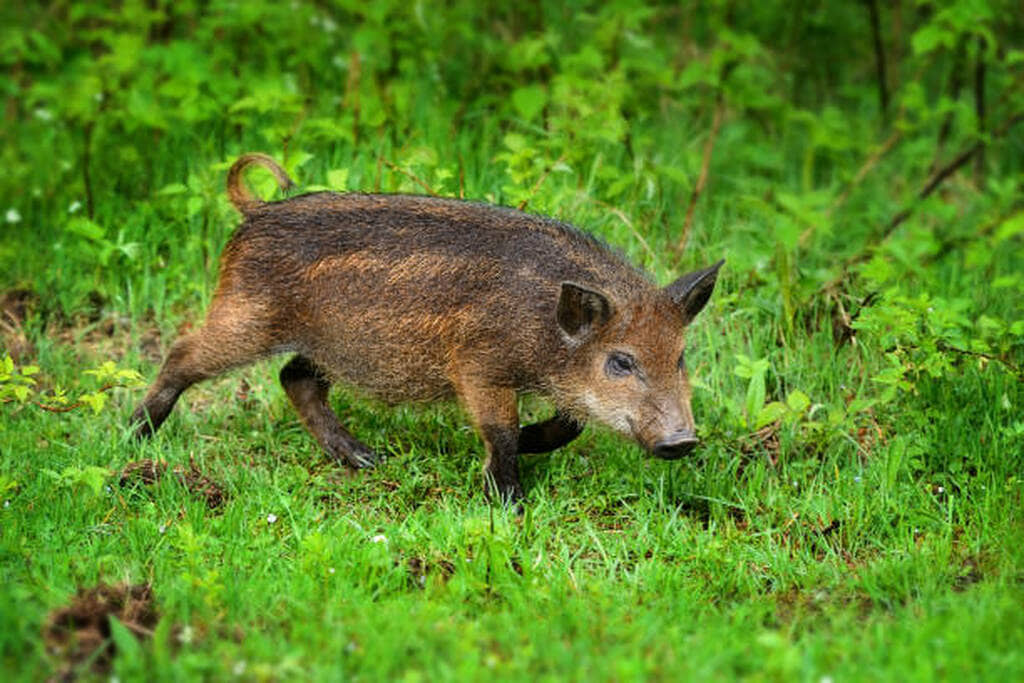
Wild hogs may not have the sharp eyesight of some game animals, but what they lack in vision they make up for with an incredibly powerful nose. In fact, a wild hog’s sense of smell is considered one of its greatest survival tools. Hunters who underestimate this ability often discover very quickly why mature boars are so difficult to approach.
A hog’s long snout is designed specifically for scent detection and rooting behavior. Inside that snout are millions of olfactory receptors that help hogs identify food, predators, territory markers, and human scent. Their noses are so sensitive that they can locate roots, insects, buried food, and even underground crops hidden beneath layers of soil.
Unlike animals that rely mainly on vision, wild hogs depend heavily on smell to interpret their surroundings. This is especially true at night when hog activity increases. Even in complete darkness, hogs can navigate feeding areas and detect danger through scent alone. That is one reason nighttime hog hunting can become frustrating for inexperienced hunters who ignore wind direction.
Another factor that makes hogs dangerous to hunt is their ability to recognize unfamiliar odors. Human sweat, laundry detergent, gasoline residue, cigarette smoke, and food odors can immediately alert them that something is wrong. A hunter may feel perfectly hidden behind brush or in a blind, but a shifting breeze can expose everything within seconds.
Interestingly, domestic pigs and wild boars have been used in some parts of Europe to locate truffles underground because of their extraordinary scent-tracking abilities. That same biological advantage helps wild hogs survive intense hunting pressure in many regions today.
Although hogs sometimes appear less cautious than deer, experienced hunters know large boars can become extremely difficult to fool once they associate human scent with danger. Older hogs that survive multiple hunting seasons often become more nocturnal and more sensitive to disturbances in their environment.
For hunters, this creates a major challenge. You are not simply hiding from an animal’s eyes. You are trying to beat a nose designed by nature to detect even the slightest environmental change.
How Powerful Is a Deer’s Nose Compared to Hogs?
If wild hogs have an elite sense of smell, deer are often considered the gold standard of scent detection in the hunting world. Many experienced hunters believe a mature whitetail deer can detect human odor long before the hunter ever sees the animal.
Deer survive by staying alert to predators at all times. Their noses constantly sample the air for danger, and their brains process scent information incredibly fast. Even faint traces of human odor drifting through the woods can trigger immediate caution. Unlike hogs, which may pause and investigate unfamiliar smells, deer are more likely to react instantly and flee.
One reason deer are so difficult to hunt is their ability to combine multiple survival senses at once. Their hearing is extremely sensitive, their vision is excellent at detecting movement, and their sense of smell acts as an early warning system. This combination makes mature bucks especially challenging during pressured hunting seasons.
Wind direction becomes critical when hunting deer. A hunter can remain perfectly still and silent, but if scent travels into a deer’s path, the hunt is often over immediately. Many hunters learn this lesson the hard way after spending hours in a tree stand only to watch deer suddenly stop, lift their noses, and disappear without warning.
Some wildlife researchers estimate that deer possess hundreds of millions of scent receptors inside their noses. While exact numbers vary by species, there is no doubt that deer evolved to identify airborne odors with remarkable precision. Moist air conditions, cool temperatures, and steady wind can make their scent detection even more effective.
Human odor is not the only thing deer notice. They can also detect unnatural smells from soap, shampoo, laundry products, fuel, insect repellent, and even metal contamination on hunting equipment. That is why serious hunters often wash gear with scent-free detergent and store clothing away from household odors before entering the field.
The biggest mistake inexperienced hunters make is assuming camouflage alone is enough. In reality, scent control matters far more than expensive camo patterns in many hunting situations. Deer may never see you, but they often smell you first.
This is where the comparison between deer and hogs becomes fascinating. Both animals possess incredible noses, but they respond to danger differently. Understanding those differences can determine whether a hunter succeeds or goes home empty-handed.
Can Hogs Smell Hunters Better Than Deer?
This question has sparked debate among hunters for years, and the honest answer is more complicated than a simple yes or no. Both wild hogs and deer possess incredibly advanced senses of smell, but they use those abilities differently based on how they survive in the wild.
In terms of raw scent detection, deer are often considered slightly superior when it comes to detecting airborne human odor. Their survival depends heavily on recognizing predators from long distances and reacting immediately. A mature deer can catch human scent carried by the wind and disappear before the hunter realizes the animal was even nearby.
Wild hogs, however, are far from easy targets. While they may not always react as quickly as deer, hogs are exceptional at identifying ground scent, lingering odors, and environmental disturbances. They use their noses almost constantly while feeding and traveling. This allows them to pick up traces that many hunters overlook.
One major difference is behavioral response. Deer tend to operate with a “detect and escape” mindset. The moment something feels wrong, they often leave the area immediately. Hogs can behave differently. Instead of instantly fleeing, they may stop, circle downwind, investigate cautiously, or become defensive if they feel cornered. This behavior sometimes creates the false impression that hogs have weaker noses, when in reality they are simply reacting differently.
Experienced hunters often notice that older boars become much harder to approach after surviving repeated hunting pressure. Mature hogs learn patterns, recognize danger zones, and grow increasingly cautious around human scent. In heavily hunted regions, wild hogs may shift feeding times deeper into the night specifically to reduce encounters with humans.
When comparing the two animals directly, deer usually win in terms of rapid airborne scent detection and immediate survival response. Hogs excel in scent tracking, ground odor recognition, and persistence in identifying unfamiliar smells. In practical hunting situations, both animals can detect careless hunters with ease.
The bigger lesson for hunters is this: it does not matter whether deer or hogs technically smell better if your scent control strategy is poor. A single mistake with wind direction, sweaty clothing, or contaminated gear can alert both species long before you get within shooting range.
Many inexperienced hunters assume hogs are easier to fool because they sometimes travel in groups and appear less nervous than deer. That assumption often leads to failed stalks and empty coolers. Large boars that survive multiple seasons can become every bit as difficult to hunt as mature bucks.
Ultimately, the debate is less about which animal has the stronger nose and more about understanding how each animal uses scent to survive. Hunters who respect both species and adapt accordingly usually achieve the most success in the field.
Factors That Affect Whether Hogs Smell Hunters
Even the best camouflage and expensive hunting equipment cannot save a hunter who ignores scent control. Both hogs and deer rely heavily on smell, and several environmental factors can dramatically increase the chances of being detected.
The most important factor is wind direction. Many veteran hunters believe wind matters more than movement or noise. If you approach from downwind, your scent travels directly toward the animals. In many cases, the hunt ends before you ever spot them. Smart hunters constantly monitor wind patterns and plan their movement routes carefully to avoid exposing their scent cone.
Humidity also affects scent behavior. Moist air tends to hold odor particles longer, allowing scent to travel more effectively through the environment. Cool mornings with damp conditions can create especially difficult hunting situations because human odor remains concentrated near the ground and vegetation.
Human sweat is another major problem. During long walks through thick terrain, hunters naturally sweat, especially in warm climates where hog hunting is popular. Sweat carries strong body odor that animals immediately recognize as unnatural. Even hunters using scent-control sprays may struggle if their clothing becomes soaked with perspiration.
Scent contamination is one of the most overlooked mistakes in hunting. Clothing can absorb odors from gasoline, restaurants, cigarette smoke, pets, household cleaners, and vehicle interiors. Many hunters unknowingly bring dozens of foreign scents into the woods before the hunt even begins.
Soap and laundry products can also create problems. Strong fragrances stand out sharply in natural environments. This is why many experienced hunters switch to scent-free soaps, shampoos, and detergents during hunting season. Some even store hunting clothes in sealed containers with leaves, dirt, or natural vegetation from the hunting area to reduce unnatural odors.
Ground disturbance matters more with hogs than many people realize. Wild hogs constantly use their noses while rooting and feeding, which means they can detect fresh footprints, crushed vegetation, and recently disturbed soil. A careless approach through feeding zones may alert hogs even if wind conditions seem favorable.
Temperature shifts can influence scent movement as well. Early mornings often produce stable scent patterns, while midday heat can create swirling winds that move odor unpredictably. In hilly or wooded terrain, wind currents may shift constantly, making scent management far more difficult than hunters expect.
The harsh reality is that animals usually detect hunters long before hunters notice them. Many failed hunts happen without the hunter ever realizing they were smelled first. Understanding these environmental factors can dramatically improve success rates and prevent the frustration that comes from repeatedly spooking game animals.
Best Ways to Avoid Detection by Wild Hogs and Deer
Becoming a successful hog or deer hunter is not only about shooting accuracy or expensive equipment. In many situations, the hunters who consistently succeed are simply the ones who manage their scent better than everyone else. Since both wild hogs and deer rely heavily on smell for survival, reducing human odor should be part of every hunting strategy.
One of the first steps is using scent-free hygiene products before entering the field. Regular soaps, shampoos, deodorants, and laundry detergents often contain strong fragrances that stand out immediately in natural environments. Hunters who switch to scent-free products remove one of the easiest warning signs animals can detect.
Clothing management is equally important. Hunting gear should never be stored near gasoline, cooking smells, cigarette smoke, or household chemicals. Even sitting inside a fast-food restaurant while wearing hunting clothes can contaminate fabric with odors that linger for hours. Many experienced hunters keep their gear sealed inside airtight containers until they arrive at the hunting location.
Rubber boots are another useful tool because they reduce ground scent left behind while walking. Since hogs are especially skilled at detecting lingering odor near the ground, minimizing scent trails can improve your chances during close-range stalks.
Wind direction remains the single most important factor in avoiding detection. Hunters should always attempt to approach from upwind so their scent travels away from the target area. Constantly checking wind conditions with powder indicators, grass movement, or lightweight wind checkers can prevent costly mistakes in the field.
Movement control still matters even though this article focuses on scent. Deer, in particular, are extremely sensitive to sudden motion. A hunter who controls scent perfectly but moves carelessly can still ruin the hunt instantly. Slow, controlled movement combined with proper wind management creates the best overall strategy.
Food and drink odors are commonly underestimated. Coffee, alcohol, tobacco, energy drinks, and greasy food scents can remain on clothing and breath for long periods. Some hunters avoid strong-smelling foods entirely before major hunts because they know mature animals can notice even subtle foreign odors.
Another useful tactic involves allowing hunting gear to absorb natural environmental smells. Some hunters place leaves, dirt, pine needles, or local vegetation inside storage bins with their clothing. While this does not completely eliminate human scent, it may help reduce unnatural odor intensity.
Patience also plays a major role. Many hunters rush into feeding areas too aggressively and spread scent throughout the location before animals arrive. Taking extra time to plan entry routes, monitor wind, and avoid unnecessary movement often leads to far better results.
The truth is simple. You will probably never eliminate all human odor completely. However, reducing scent as much as possible can dramatically improve your odds against both hogs and deer. In hunting, small details often separate success from failure.
Conclusion
So, can hogs smell hunters better than deer? The answer depends on how you define “better.” Deer are generally faster and more reactive when detecting airborne human scent, making them incredibly difficult to approach undetected. Wild hogs, on the other hand, excel at tracking ground odor, identifying lingering smells, and investigating environmental disturbances with remarkable persistence.
Both animals possess highly advanced survival instincts built around scent detection. That means hunters who ignore wind direction, scent contamination, or basic odor control are likely to fail regardless of how good their camouflage or equipment may be.
Understanding the behavioral differences between hogs and deer is what truly matters. Deer often react instantly and disappear the moment danger is detected. Hogs may investigate more cautiously, but experienced boars can become just as challenging to hunt after repeated exposure to humans.
In the end, successful hunting is rarely about luck alone. Preparation, patience, and scent management often determine the outcome long before the animal enters shooting range. Hunters who learn to respect the power of an animal’s nose gain a major advantage in the field.
Whether you prefer chasing wild hogs at night or tracking mature deer during the rut, one lesson remains constant: the wind never lies.
What do you think? Have you had more trouble avoiding detection from hogs or deer during your hunts? Share your experience and hunting strategies in the comments below.