
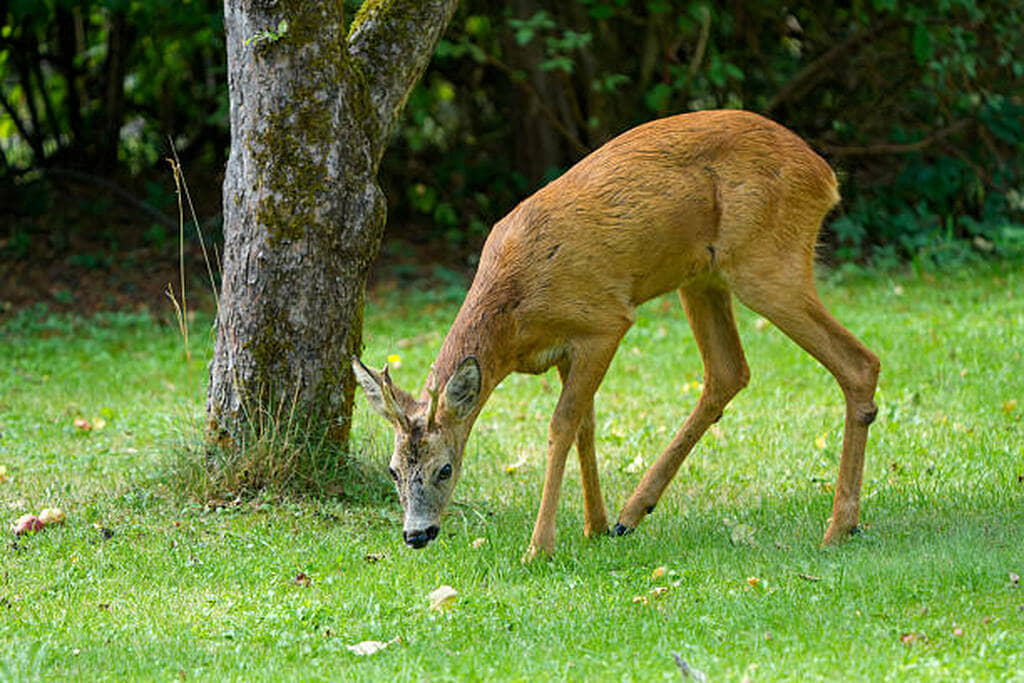
Deer can safely eat natural forage, native plants, browse, and a limited amount of fruits, vegetables, grains, and hay when natural food is scarce. However, not every food that seems harmless is suitable for wild deer. Common backyard foods such as bread, processed snacks, or large amounts of corn can disrupt digestion, increase the risk of disease, and encourage deer to rely on people instead of natural food sources.
If deer regularly visit your backyard, understanding what to feed them—and when not to feed them—is just as important as choosing the right food. Seasonal changes, local food availability, wildlife regulations, and the potential impact on the surrounding ecosystem all influence whether supplemental feeding is appropriate. In many situations, improving natural habitat is a healthier long-term solution than placing food out every day.
This guide explains the safest foods for backyard deer, which foods should be avoided, the best times to provide supplemental feed, and how to support wild deer without harming their health or changing their natural behavior. By the end of this article, you’ll know how to make informed decisions that benefit both the deer visiting your property and the local wildlife ecosystem.
What Can You Safely Feed Deer in Your Backyard?
The safest foods for backyard deer are the foods they naturally eat in the wild, including leaves, twigs, buds, acorns, grasses, and native shrubs. A deer’s digestive system is adapted to process high-fiber vegetation that changes with the seasons. Whenever possible, these natural food sources should make up the majority of a deer’s diet rather than human-provided food.
When natural forage becomes limited, small amounts of supplemental food can help deer maintain their energy without causing digestive stress. Suitable options include apples, pears, carrots, pumpkins, oats, and high-quality alfalfa hay. These foods should be offered in moderation and introduced gradually, especially during winter when a deer’s digestive microbes are adapted to woody browse instead of sugary or starchy foods.
Fresh water is equally important. Deer require access to clean water throughout the year for digestion, body temperature regulation, and overall health. During dry summers or freezing winters, providing a shallow, clean water source often benefits deer more than offering additional food.
The table below summarizes common foods and whether they are appropriate for wild deer.
| Food | Safe? | Notes |
|---|---|---|
| Native leaves and shrubs | ✓ Best choice | Primary natural diet |
| Acorns | ✓ | Excellent seasonal food in autumn |
| Apples and pears | ✓ In moderation | Remove spoiled fruit |
| Carrots | ✓ | Offer as an occasional treat |
| Pumpkin | ✓ | Fresh pumpkin is safe in small amounts |
| Oats | ✓ | Easier to digest than large amounts of corn |
| Alfalfa hay | ✓ | Suitable as supplemental forage |
| Fresh water | ✓ Essential | Keep containers clean |
What Foods Should You Never Feed Deer?
Several common human foods can seriously harm deer because their digestive system is highly specialized. Feeding the wrong food may cause digestive disorders, poor nutrition, or increase the likelihood of disease spreading within local deer populations.
Bread, crackers, chips, cookies, and other processed foods should never be offered. These products contain refined flour, sugar, salt, oils, and preservatives that provide little nutritional value while disrupting the microorganisms that deer rely on to digest natural forage.
Large quantities of corn should also be avoided. Although corn is frequently associated with deer feed, suddenly introducing high-starch foods—particularly during winter—can overwhelm the rumen’s microbial balance. This condition, sometimes called grain overload or ruminal acidosis, may lead to severe digestive illness or even death.
Other foods that should not be placed in a backyard feeding area include moldy produce, spoiled fruit, lawn clippings, pet food, livestock feed formulated for other animals, and heavily salted foods. Mold can produce toxins, while pet food contains protein and fat levels that are unsuitable for herbivorous wildlife.
As a general rule, if a food is highly processed, heavily seasoned, moldy, or intended for humans or domestic animals, it should not be fed to wild deer. Supporting their natural diet is almost always healthier than providing foods that their digestive system did not evolve to handle.
Is Feeding Wild Deer in Your Backyard a Good Idea?
Feeding wild deer is generally not necessary if natural food is abundant. In healthy habitats, deer obtain the nutrients they need from browse, grasses, shrubs, mast crops such as acorns, and seasonal vegetation. Supplemental feeding should only be considered when natural forage is temporarily limited, and even then, it should never replace a deer’s natural diet.
The biggest benefit of supplemental feeding is helping deer during periods of extreme environmental stress, such as prolonged snow cover or severe drought. Providing small amounts of appropriate food may reduce short-term nutritional stress until natural forage becomes available again. However, this practice should be viewed as temporary support rather than routine feeding.
Regular feeding also creates several risks. Deer quickly learn where food is available and may gather in unusually high numbers. Higher deer density increases competition for food and makes it easier for diseases and parasites to spread through direct contact or contaminated feeding areas. Concentrating deer in one location can also attract predators, increase vehicle collisions near residential areas, and cause greater damage to gardens and landscaping.
Another concern is behavioral change. Deer that become accustomed to human-provided food may lose part of their natural foraging behavior and become less wary of people. This dependence is especially problematic if feeding suddenly stops or if deer begin approaching homes in search of food.
For most homeowners, improving natural habitat by planting native trees, shrubs, and ground cover is a more sustainable approach than establishing a permanent feeding station. Natural food sources provide balanced nutrition while encouraging normal wildlife behavior and supporting the broader ecosystem.
When Should You Feed Deer?
The best time to provide supplemental food is when natural forage is genuinely scarce, not simply because deer visit your backyard. Seasonal changes greatly influence what deer eat, and their digestive system adapts throughout the year to match available vegetation.
Winter is the season most commonly associated with supplemental feeding because snow and frozen ground can reduce access to natural browse. Even during winter, however, sudden changes in diet should be avoided. Offering large quantities of unfamiliar food can be more harmful than providing no supplemental food at all. If feeding is necessary, introduce appropriate foods gradually and continue providing the same type of feed until natural forage becomes available again.
During spring and summer, deer usually have access to abundant fresh vegetation, including grasses, leaves, buds, wildflowers, and agricultural crops in rural areas. Additional feeding is rarely needed and may simply encourage deer to spend more time around residential properties.
Autumn is another period when natural food is widely available. Acorns, beechnuts, fruits, and other mast crops provide high-energy nutrition that helps deer build fat reserves before winter. In many regions, these natural food sources are more nutritious than backyard supplements.
If you decide to offer supplemental food, keep portions small, feed consistently rather than sporadically, and stop immediately if local wildlife authorities advise against feeding because of disease outbreaks or other conservation concerns. Feeding responsibly means supporting wildlife only when necessary while allowing deer to maintain their natural feeding patterns whenever possible.
How Do You Feed Deer Safely?
If you choose to feed deer, do so in a way that minimizes health risks and preserves their natural behavior. The goal is to supplement natural forage rather than replace it, while reducing the chance of disease transmission and unnecessary dependence on humans.
Choose a feeding location that is quiet, open, and away from busy roads, driveways, and areas where pets frequently roam. Deer need a clear escape route to feel secure, and placing food too close to your home can encourage unwanted interactions. Avoid feeding in the same small spot every day, as concentrated feeding areas quickly become contaminated with feces, urine, and leftover food.
Offer only small portions that deer can finish within a short period. Excess food attracts rodents, raccoons, and other wildlife while increasing the likelihood of mold growth. Fresh produce should be firm and free of rot, and hay or grains should always be dry and stored properly before use.
Providing clean water is often one of the most valuable ways to support backyard wildlife. A shallow water source should be cleaned regularly to reduce algae, bacteria, and mosquito breeding. During freezing weather, replace ice with fresh water instead of adding chemicals or salt.
Good hygiene is equally important. Remove spoiled food promptly, rotate feeding locations when possible, and discontinue feeding if deer appear sick or if wildlife officials issue advisories about diseases such as chronic wasting disease (CWD). In areas where CWD has been detected, supplemental feeding may be restricted or prohibited because concentrating deer increases the likelihood of disease transmission.
The safest long-term strategy is to make your backyard naturally attractive to deer through habitat improvements instead of relying on year-round feeding. Native vegetation provides food, shelter, and cover while allowing deer to maintain normal foraging behavior.
What Do Deer Naturally Eat in the Wild?
Wild deer are browsing herbivores that eat a wide variety of plants throughout the year. Their diet changes with the seasons as different food sources become available, allowing them to meet changing nutritional needs without relying on a single type of food.
During spring, deer feed heavily on tender shoots, fresh grasses, young leaves, and wildflowers. These plants are rich in protein and moisture, supporting body recovery after winter and providing nutrients needed for antler growth, pregnancy, and nursing fawns.
Summer brings an even greater variety of vegetation. Deer consume broadleaf plants, vines, berries, mushrooms, agricultural crops where available, and the leaves of shrubs and trees. Because water is more abundant during this season, deer also obtain significant hydration from the plants they eat.
In autumn, deer shift toward energy-rich foods that help them prepare for colder weather. Acorns are among the most important seasonal foods because they are high in carbohydrates and fats. Deer also eat beechnuts, chestnuts, fallen fruits, and other mast crops whenever they are available.
Winter is often the most challenging season. As green vegetation becomes scarce, deer rely on woody browse such as twigs, buds, evergreen leaves, cedar, dogwood, maple, willow, and other shrubs. Their digestive system gradually adapts to this fibrous diet, which is why sudden changes to high-starch supplemental foods can cause digestive problems.
Understanding a deer’s natural diet helps explain why habitat improvement is usually more beneficial than routine feeding. Planting native shrubs, preserving woodland edges, and maintaining diverse vegetation provide food throughout the year while supporting healthier deer populations and a more balanced backyard ecosystem.
Read more: Are Deer Color Blind? The Answers You Need to Know!
How Can You Attract Deer Naturally Without Feeding Them?
Creating a deer-friendly habitat is a healthier and more sustainable approach than providing supplemental food. A backyard that offers natural forage, water, and shelter encourages deer to behave as they would in the wild while reducing the risk of dependency on human feeding.
Planting native trees, shrubs, and perennial plants is one of the most effective ways to attract deer naturally. Oaks, dogwoods, maples, willows, serviceberries, and blackberry bushes provide browse, fruits, buds, and cover throughout the year. Native vegetation is also better adapted to local soils and supports other wildlife such as birds and pollinators.
Water is another essential resource. A shallow pond, birdbath, or wildlife water basin can attract deer, particularly during hot, dry weather. Place water sources away from areas with heavy human activity and clean them regularly to maintain water quality.
Providing cover is just as important as providing food. Deer prefer landscapes with woodland edges, brush piles, hedgerows, or dense shrubs where they can rest and quickly escape from perceived threats. Open lawns alone rarely provide the security deer need.
Avoid using pesticides or herbicides excessively around deer habitat. These chemicals can reduce the availability of native plants and may contaminate food and water sources. Maintaining a diverse landscape with a mixture of trees, shrubs, grasses, and wildflowers creates a healthier environment for deer and many other native species.
Are There Laws About Feeding Deer in Your Area?
Many states, provinces, and local governments regulate or prohibit feeding wild deer. The rules vary widely, so homeowners should always check local wildlife regulations before placing food outdoors.
One common reason for these restrictions is disease prevention. Wildlife agencies often ban feeding in areas where chronic wasting disease (CWD), bovine tuberculosis, or other infectious diseases have been detected. Artificial feeding sites concentrate deer into small areas, increasing contact between animals and making disease transmission more likely.
Public safety is another consideration. Feeding deer near roads or residential neighborhoods may increase vehicle collisions, property damage, and conflicts between people and wildlife. Some jurisdictions also prohibit feeding because it alters natural migration patterns or encourages deer populations to exceed the habitat’s carrying capacity.
Before starting any supplemental feeding program, consult your state or provincial wildlife agency. Following local regulations helps protect both deer populations and the surrounding ecosystem while ensuring you avoid potential fines or penalties.
What Are the Most Common Mistakes When Feeding Backyard Deer?
Most problems associated with backyard deer feeding result from good intentions combined with poor feeding practices. Avoiding a few common mistakes can significantly reduce risks for both deer and other wildlife.
The first mistake is feeding processed human food. Bread, cereal, crackers, snack foods, and kitchen leftovers do not meet a deer’s nutritional requirements and may interfere with normal digestion.
The second mistake is providing too much food at once. Large piles encourage deer to gather closely together, increasing competition, contamination, and the spread of disease.
A third mistake is changing feed suddenly. Deer rely on microorganisms in the rumen to digest food, and abrupt dietary changes can disrupt this balance, especially during winter.
Another common error is leaving spoiled food outdoors. Moldy fruits, wet grain, and rotten vegetables can expose deer to harmful toxins while attracting rodents and unwanted scavengers.
Finally, many homeowners feed deer throughout the year even when natural forage is abundant. Continuous feeding may encourage dependence, reduce natural foraging behavior, and increase human-wildlife conflicts. Supporting natural habitat is usually the better long-term solution.
Frequently Asked Questions
Can deer eat apples?
Yes. Fresh apples are safe for deer when offered in moderation. Remove spoiled or moldy fruit before placing it outdoors, and avoid making apples a major part of their diet.
Can deer eat carrots?
Yes. Carrots are a safe supplemental food. They should be offered in small amounts alongside natural forage rather than as a primary food source.
Can deer eat bananas?
Yes, but only occasionally. Bananas are not toxic to deer, but their high sugar content means they should be treated as an occasional supplement rather than a regular food. Remove the peel if possible to make them easier to eat.
Can deer eat bird seed?
Sometimes, but bird seed is not recommended as deer feed. Many commercial bird seed mixes contain ingredients that are not appropriate for deer, and feeding from bird feeders can encourage overcrowding beneath the feeder.
Should you feed baby deer?
No. Healthy fawns should not be fed by people. Fawns receive the nutrition they need from their mother’s milk and gradually transition to natural vegetation. If you find a fawn alone, it is usually not abandoned. Contact a licensed wildlife rehabilitator only if the animal appears injured, visibly weak, or has been confirmed orphaned.