
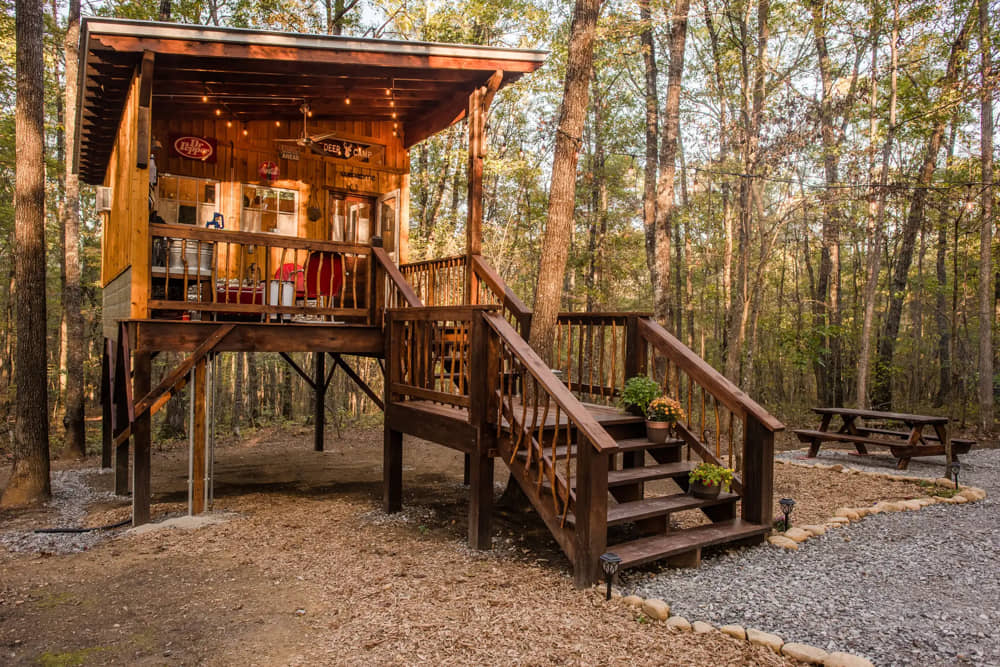
A comfortable deer camp doesn’t have to cost thousands of dollars. Many of the most practical upgrades are inexpensive DIY projects built with reclaimed lumber, shipping pallets, concrete blocks, or secondhand materials. With thoughtful planning, you can create a hunting camp that provides a warm place to sleep, an efficient cooking area, organized gear storage, and reliable outdoor workspaces while staying within a limited budget.
The key to building a budget-friendly deer camp is investing in projects that improve everyday functionality instead of expensive finishes. A sturdy bunk platform, a safe fire pit, weather-resistant storage shelves, and a simple camp kitchen deliver greater long-term value than decorative features. Many experienced hunters also upgrade their camps gradually, completing one project each season as their needs and budget evolve.
This guide covers practical DIY deer camp ideas that are affordable, durable, and easy to build with basic tools. You’ll learn which projects provide the best return on your investment, how to use low-cost or recycled building materials, how to organize your camp efficiently, and which common construction mistakes to avoid. Whether you’re building your first hunting camp or upgrading an older cabin, these ideas will help you create a more comfortable and functional deer camp without overspending.
What are the best DIY deer camp ideas on a budget?
The best DIY deer camp ideas focus on improving comfort, organization, and durability with inexpensive materials. Projects such as pallet furniture, simple outdoor kitchens, fire pits, and gear storage systems require basic tools and can often be completed over a weekend. Prioritizing these upgrades allows you to build a more functional hunting camp without exceeding your budget.
Build pallet furniture for sleeping and seating
Pallet furniture is one of the lowest-cost improvements for a deer camp because reclaimed pallets are often available from warehouses, local businesses, or construction sites at little or no cost. Heat-treated pallets can be disassembled into usable lumber for beds, benches, tables, and shelving.
A raised sleeping platform keeps bedding off the floor, improves airflow, and creates valuable storage underneath for hunting gear or plastic bins. Adding a plywood top, a foam mattress, and weather-resistant wood stain produces a durable bunk that can withstand years of hunting seasons. Matching pallet benches and a simple dining table create a gathering space for meals, planning hunts, and relaxing after long days in the field.
Build a simple fire pit
A fire pit serves as the social center of many deer camps while providing heat for cool evenings and a place to cook outdoors. A simple design using concrete retaining wall blocks or salvaged stones offers durability at a fraction of the cost of prefabricated fire pits.
Place the fire pit on level ground with adequate clearance from tents, cabins, vehicles, and overhanging trees. Surrounding the pit with gravel helps reduce mud and lowers the risk of stray embers igniting dry vegetation. Adding log benches or inexpensive wooden seating creates a comfortable gathering area without requiring expensive outdoor furniture.
Create an outdoor camp kitchen
An outdoor kitchen improves meal preparation while keeping cooking odors, grease, and clutter outside the sleeping area. A practical setup can be built from reclaimed lumber, a used countertop, and concrete blocks to create a sturdy food preparation station.
Include shelves for cookware, hooks for utensils, and weather-resistant containers for dry food storage. A folding table, propane camp stove, and washable food prep surface make the kitchen suitable for everything from quick breakfasts to processing game meat after a successful hunt.
Build organized gear storage
Keeping hunting equipment organized saves time during early morning departures and protects expensive gear from moisture and damage. A simple storage wall made from plywood or reclaimed lumber allows rifles, backpacks, bows, binoculars, and clothing to be stored in dedicated locations.
Pegboards, heavy-duty hooks, and labeled plastic storage bins provide an inexpensive organization system that is easy to expand as your equipment collection grows. Elevated shelving also keeps boots, coolers, and camping supplies off damp floors, reducing wear caused by dirt and standing water.
Install affordable lighting
Reliable lighting improves safety and comfort without requiring a permanent electrical system. Solar-powered lights, rechargeable LED lanterns, and battery-operated motion lights provide dependable illumination while keeping installation costs low.
Install task lighting around the cooking area, entrances, storage spaces, and outdoor walkways. Motion-activated lights improve nighttime visibility while conserving battery power, making them especially useful for camps that operate without generators or grid electricity.
How can you build a comfortable deer camp with inexpensive materials?
Building a comfortable deer camp does not require premium building supplies. Reclaimed wood, surplus construction materials, and secondhand furniture can reduce construction costs significantly while providing the durability needed for repeated hunting seasons. The goal is to spend money where it improves safety and comfort, while reusing materials that still have years of service left.
Use reclaimed lumber whenever possible
Reclaimed lumber is one of the best materials for budget deer camp projects because it is inexpensive, durable, and widely available. Barn wood, dismantled decks, old fencing, and construction leftovers can all be repurposed into wall framing, shelving, benches, tables, or bunk platforms.
Before using reclaimed wood, remove old nails, inspect for rot, and sand rough surfaces. Applying an exterior wood sealer or stain extends the life of the material by protecting it from moisture, insects, and seasonal weather changes. Spending a few hours preparing reclaimed lumber can save hundreds of dollars compared to purchasing new dimensional lumber.
Repurpose shipping pallets for multiple projects
Shipping pallets are among the most versatile materials for a DIY deer camp. Instead of using them only for furniture, break them down into individual boards for wall paneling, storage racks, firewood holders, and outdoor workbenches.
Only use pallets marked HT (Heat Treated), as these are treated with heat rather than chemicals and are generally considered the safer option for DIY construction. Avoid pallets labeled MB (Methyl Bromide) because they have been chemically fumigated and are not suitable for indoor furniture or enclosed camp structures.
Buy surplus and secondhand building materials
Many building supply stores sell discontinued or surplus materials at substantial discounts. Habitat for Humanity ReStores, salvage yards, online marketplaces, and local classified listings are also excellent sources for affordable windows, doors, cabinets, roofing panels, insulation, and countertops.
Buying these materials allows you to improve weather protection and interior comfort without paying retail prices. For example, a used exterior door or insulated window often costs a fraction of a new unit while providing similar performance once properly installed.
Reuse household furniture and equipment
Older household furniture often works well in a hunting camp where appearance matters less than durability. Solid wood dining tables, metal shelving units, filing cabinets, kitchen cabinets, and office chairs can all be repurposed into practical camp furnishings.
Instead of purchasing expensive camp-specific products, consider refinishing or repainting used furniture with weather-resistant coatings. This approach extends the life of existing items while keeping overall project costs low.
Add affordable insulation for year-round comfort
Insulation delivers one of the highest returns on investment for any deer camp. Even basic insulation helps retain heat during late-season hunts, reduces condensation, and makes propane or wood heating systems more efficient.
Fiberglass batts remain one of the most economical options for framed walls and ceilings. For smaller cabins, sealing air leaks around doors, windows, and roof joints with expanding foam and weather stripping can noticeably improve indoor comfort before adding additional insulation. Combining insulation with proper ventilation also helps prevent moisture buildup, mold growth, and wood deterioration over time.
Which DIY deer camp projects give the best value for the money?
The highest-value DIY deer camp projects solve problems that hunters face every trip. Improving sleeping conditions, cooking efficiency, firewood storage, water access, and game processing makes the camp more comfortable, reduces daily setup time, and extends the usable life of your equipment. These upgrades typically cost far less than cosmetic improvements while delivering benefits throughout every hunting season.
Build a raised sleeping platform
A raised sleeping platform is one of the first projects worth completing because it improves comfort and maximizes available space. Elevating mattresses keeps them away from damp floors, cold air, insects, and rodents while creating storage underneath for coolers, duffel bags, and hunting gear.
Construct the frame using 2×4 or 2×6 lumber with a plywood deck capable of supporting multiple adults. If space is limited, build bunk-style platforms instead of individual beds to increase sleeping capacity without expanding the cabin footprint. Adding removable storage totes beneath each bunk also helps keep personal gear organized.
Build a functional camp kitchen
A dedicated camp kitchen reduces clutter and speeds up meal preparation before and after hunting trips. Instead of scattering cookware throughout the cabin, organize cooking supplies into one workspace with clearly defined storage.
A practical budget kitchen includes a sturdy countertop, lower shelving for cookware, hooks for utensils, enclosed food storage, and space for a propane stove. If electricity is available, a small refrigerator or chest freezer can improve food storage. Otherwise, a high-quality cooler with block ice provides an economical alternative for several days.
Build a covered firewood storage rack
Dry firewood burns more efficiently, produces less smoke, and generates more heat than wood exposed to rain or snow. A simple wood rack built from pressure-treated lumber or reclaimed materials protects your firewood supply while improving airflow for faster drying.
Position the rack slightly above ground level using concrete blocks or treated skids to prevent moisture from soaking into the bottom layer. Installing a simple metal or corrugated plastic roof keeps precipitation off the stack while leaving the sides open for ventilation.
Install a simple rainwater collection system
A rainwater collection system provides a convenient source of non-potable water for cleaning boots, washing equipment, extinguishing campfires, or rinsing outdoor work surfaces. It also reduces the number of water containers that must be transported to camp.
A basic system consists of gutters, a downspout diverter, and one or more food-grade storage barrels. Covering the barrel with a screened lid helps keep leaves, insects, and debris out of the water. If you intend to use collected water for drinking or cooking, install an appropriate filtration and purification system before consumption.
Build a game processing table
Processing harvested deer is easier, cleaner, and safer when you have a dedicated work surface. A sturdy processing table also protects knives, keeps meat off the ground, and simplifies cleanup after field dressing.
Build the table using pressure-treated lumber or a welded steel frame topped with food-safe stainless steel or high-density polyethylene (HDPE). Position it near a water source if possible, and include lower shelves for tubs, knives, gloves, and cleaning supplies. Adding locking caster wheels allows the table to be moved when space is limited or stored indoors between hunting seasons.
How do you organize a deer camp without spending much money?
An organized deer camp improves efficiency, protects expensive hunting equipment, and makes daily routines easier during hunting season. Instead of buying expensive storage systems, use simple DIY solutions that maximize vertical space, repurpose inexpensive containers, and assign every item a permanent location. A well-organized camp also reduces packing time and prevents gear from being misplaced before an early morning hunt.
Install wall-mounted storage
Wall space is often underused in small hunting cabins. Installing plywood panels, pegboards, or horizontal rails creates an organized storage area without reducing valuable floor space.
Use heavy-duty hooks to hang backpacks, binocular harnesses, safety harnesses, flashlights, and hunting jackets. Install rifle or bow racks above shoulder height to keep firearms and archery equipment secure while preventing accidental damage. Frequently used items should remain within easy reach, while seasonal equipment can be stored higher on the wall.
Maximize ceiling and overhead space
Ceiling storage is ideal for lightweight equipment that is only needed occasionally. Overhead shelves built from dimensional lumber or suspended wire racks can hold sleeping bags, folding chairs, spare tents, decoys, and extra blankets without cluttering the cabin.
Leave enough clearance to move safely underneath the shelves and avoid storing excessively heavy objects overhead. Plastic totes with locking lids help protect stored items from dust, insects, and moisture while making them easier to identify and transport.
Organize supplies with labeled storage bins
Plastic storage bins provide one of the most affordable and effective storage solutions for a deer camp. Unlike cardboard boxes, sealed containers resist moisture, rodents, and rough transportation between home and camp.
Group equipment by purpose rather than by owner. For example, dedicate separate bins for cooking supplies, first aid equipment, electrical tools, game processing gear, firearm maintenance products, and spare hardware. Apply large waterproof labels on multiple sides so each container can be identified even when stacked.
Create dedicated zones for food and cooking supplies
Separating food storage from hunting equipment improves cleanliness and reduces the chance of attracting insects or wildlife. Dry foods should be stored in sealed containers, while coolers and refrigerated items should remain in a designated food preparation area.
Install simple shelves or stackable crates to organize canned goods, seasonings, paper products, and cookware. Keeping frequently used cooking items together reduces meal preparation time and makes cleanup more efficient after every meal.
Build a gear-ready station near the entrance
A gear-ready station helps every hunter prepare quickly before leaving camp. Position this area close to the main entrance so boots, outerwear, and essential equipment can be collected in one place before daylight.
Install boot trays to keep mud and snow off the floor, wall hooks for jackets and rain gear, and small shelves for gloves, headlamps, radios, and rangefinders. A bench with storage underneath provides a convenient place to change boots while keeping frequently used items organized. This simple addition reduces clutter throughout the cabin and helps everyone return equipment to the same location after each hunt.
What tools and materials do you need for DIY deer camp projects?
Most DIY deer camp projects can be completed with a basic collection of hand tools, a few power tools, and affordable building materials. Buying every tool at once isn’t necessary. Start with the essentials and add specialized equipment as your camp expands. Investing in quality tools also reduces project time and ensures safer, more accurate construction.
Essential hand tools
A reliable set of hand tools is enough to complete many deer camp upgrades, from building furniture to installing storage systems. Prioritize durable tools that can withstand outdoor use and require minimal maintenance.
The most useful hand tools include:
- Tape measure for accurate layout and cutting
- Claw hammer for framing and demolition
- Speed square for marking straight angles
- Utility knife for trimming insulation and roofing materials
- Adjustable wrench and socket set for assembling hardware
- Screwdriver set with multiple bit sizes
- Handsaw for quick cuts when power isn’t available
- Level to ensure shelves, bunks, and cabinets are installed correctly
- Pry bar for dismantling pallets and removing old nails
Store these tools in a weather-resistant toolbox so they remain protected during transport and between hunting seasons.
Power tools that provide the best value
Power tools dramatically reduce construction time and improve build quality. Instead of purchasing every available tool, focus on a few versatile options that can handle most deer camp projects.
The highest-value power tools include:
| Tool | Primary Uses |
|---|---|
| Circular saw | Cutting framing lumber, plywood, and decking |
| Cordless drill/driver | Installing screws, drilling pilot holes, assembling furniture |
| Impact driver | Driving long structural screws and lag bolts |
| Jigsaw | Cutting curves, sink openings, and irregular shapes |
| Random orbital sander | Smoothing reclaimed wood and preparing surfaces for paint or stain |
| Oscillating multi-tool | Flush cuts, trim work, and repair projects |
Battery-powered tools are especially practical for remote camps because they eliminate the need for long extension cords or continuous generator use. Keeping multiple charged batteries allows work to continue even when electrical power is unavailable.
Affordable building materials
Choosing economical materials has a greater impact on your budget than reducing the number of projects. Many reclaimed or surplus materials perform nearly as well as new products while costing significantly less.
Consider using:
- Reclaimed dimensional lumber
- Heat-treated shipping pallets
- Plywood and OSB panels
- Corrugated metal roofing
- Concrete blocks
- PVC pipe
- Pressure-treated posts
- Exterior deck screws
- Heavy-duty construction adhesive
- Weather-resistant paint and wood sealer
Before purchasing new materials, check local salvage yards, construction surplus stores, and online marketplaces. Many contractors also sell leftover materials from completed jobs at discounted prices.
Safety equipment you should never skip
Safety equipment protects you from common construction injuries and should be considered part of every project budget. Even simple tasks such as cutting lumber or dismantling pallets can create hazards if proper protection isn’t used.
Essential safety equipment includes safety glasses, hearing protection, heavy-duty work gloves, dust masks or respirators, knee pads, steel-toe boots, and a stocked first aid kit. When using ladders or working on roofs, ensure the ground is stable and avoid working alone whenever possible.
Taking a few extra precautions not only prevents injuries but also allows projects to be completed more efficiently without unnecessary interruptions.
What mistakes should you avoid when building a budget deer camp?
Many DIY deer camp projects fail because builders focus on saving money instead of building for long-term durability and safety. A low-cost camp should still withstand harsh weather, protect hunting equipment, and remain comfortable throughout the hunting season. Avoiding a few common mistakes can save hundreds of dollars in future repairs and reduce maintenance year after year.
Ignoring ventilation and moisture control
Poor ventilation is one of the fastest ways to damage a deer camp. Moisture from cooking, wet clothing, propane heaters, and changing weather condenses inside the cabin, leading to mold, mildew, wood rot, and unpleasant odors.
Install roof vents, gable vents, or screened windows to improve airflow. Leave space between stored gear and exterior walls so air can circulate, and avoid stacking damp boots or clothing in enclosed areas. If electricity is available, a small exhaust fan or portable dehumidifier can further reduce humidity during extended hunting trips.
Building an unsafe fire pit
A fire pit placed too close to a cabin, vehicle, or overhanging tree creates a serious fire hazard. Sparks can ignite dry grass, leaves, or nearby firewood, especially during windy conditions.
Position the fire pit on bare soil, gravel, or another non-combustible surface at least several feet away from structures and combustible materials. Surround it with concrete blocks, natural stone, or steel fire rings, and always keep a bucket of water, sand, or a fire extinguisher nearby. Regularly remove ash buildup to maintain proper airflow and reduce the chance of stray embers.
Using weak storage and furniture
Budget construction should never compromise structural strength. Lightweight shelving, undersized fasteners, or poorly braced bunks may fail when loaded with coolers, generators, or hunting gear.
Use structural screws instead of small finish nails for load-bearing projects, reinforce shelves with diagonal braces, and anchor tall storage units to wall studs whenever possible. Spending slightly more on quality fasteners usually prevents expensive repairs and improves overall safety.
Skipping weatherproofing
Many first-time builders concentrate on the interior while overlooking exterior protection. Rainwater entering through small roof leaks, wall gaps, or poorly sealed windows can quickly damage insulation, flooring, furniture, and stored equipment.
Seal exterior joints with high-quality caulk, install flashing around doors and windows, and apply weather-resistant paint or wood stain to exposed lumber. Check the roof before every hunting season to identify loose fasteners, damaged panels, or deteriorated sealant before leaks develop.
Failing to protect food and gear from wildlife
Rodents, raccoons, and insects are common visitors to hunting camps, especially when food is left exposed. Besides contaminating supplies, pests can chew wiring, damage insulation, and destroy expensive equipment.
Store food in airtight containers, remove trash daily, and keep coolers closed when not in use. Elevate feed, pet food, and cooking supplies off the floor, and inspect the cabin regularly for gaps around doors, vents, and utility openings where animals can enter. Installing simple door sweeps and wire mesh over ventilation openings provides inexpensive long-term protection against unwanted visitors.
Read more: How to Attract Deer Without Baiting: Tips You Should Try
How much does it cost to build a DIY deer camp on a budget?
A DIY deer camp can cost anywhere from less than $500 to over $3,000, depending on its size, available materials, and level of comfort. Reusing reclaimed lumber, secondhand furniture, and surplus building supplies can reduce costs by 30–60% compared to buying everything new. Instead of completing every project at once, many hunters spread upgrades over several seasons, allowing them to improve the camp without exceeding their annual budget.
Estimated budget by project size
| Budget | What You Can Build | Best For |
|---|---|---|
| Under $500 | Basic shelter improvements, pallet bunks, fire pit, storage shelves, LED lighting | Weekend hunting trips |
| $500–$1,500 | Camp kitchen, insulated sleeping area, gear organization, rainwater collection, upgraded furniture | Small hunting groups |
| $1,500–$3,000 | Fully insulated cabin, solar lighting, permanent workstations, outdoor cooking shelter, multiple bunk beds | Frequent hunters and seasonal camps |
The most affordable option is upgrading an existing cabin or shed instead of constructing a new structure. Reusing the existing frame allows you to invest more of the budget in features that directly improve comfort and functionality.
Typical material costs
The table below shows approximate costs for common DIY deer camp projects.
| Project | Estimated Cost |
|---|---|
| Pallet bunk bed | $50–150 |
| Fire pit | $75–250 |
| Camp kitchen | $150–500 |
| Storage shelves | $40–150 |
| Gear wall with hooks | $30–120 |
| Rainwater collection system | $100–300 |
| Firewood rack | $50–150 |
| Solar lighting | $100–400 |
| Basic insulation | $200–700 |
| Processing table | $100–350 |
Actual costs vary depending on local material prices and the amount of reclaimed supplies you can source.
Where can you save the most money?
The largest savings usually come from sourcing materials rather than reducing the number of projects. Many useful building supplies can be purchased secondhand or obtained free from local businesses and construction sites.
Look for savings through:
- Heat-treated shipping pallets
- Reclaimed dimensional lumber
- Used kitchen cabinets
- Secondhand windows and exterior doors
- Surplus roofing panels
- Marketplace listings for tools and furniture
- Habitat ReStore and local salvage yards
These materials often cost a fraction of retail prices while remaining durable enough for hunting camp construction.
Which upgrades are worth spending more on?
Some components should prioritize quality over the lowest price because they affect safety, weather resistance, and long-term maintenance.
Spend more on:
- Roofing materials to prevent leaks
- Exterior doors and locks for security
- Structural framing lumber
- Deck screws and structural fasteners
- Smoke and carbon monoxide detectors
- Fire extinguishers
- Quality mattresses for better sleep
- Weatherproof sealants and exterior coatings
Investing in these essentials reduces future repair costs and extends the lifespan of the camp.
Build in phases to stay within budget
Building a deer camp over multiple seasons is often the most practical strategy. Complete the projects that provide the greatest day-to-day benefit first, then expand the camp as your budget allows.
A typical upgrade sequence looks like this:
- Repair the structure and roof.
- Build sleeping platforms.
- Add storage and organization.
- Construct a camp kitchen.
- Install a fire pit and seating area.
- Improve insulation and weatherproofing.
- Add solar lighting or electrical upgrades.
- Build comfort features such as an outdoor shower or game processing station.
This phased approach keeps the camp usable throughout construction while avoiding large upfront expenses.
Which upgrades should you add as your deer camp grows?
Once the basic structure is complete, focus on upgrades that improve comfort, efficiency, and long-term usability. Expanding a deer camp gradually allows you to spread costs over multiple hunting seasons while ensuring every new addition provides practical value. Prioritize upgrades that reduce maintenance, increase self-sufficiency, and make extended stays more enjoyable.
Install a solar power system
A solar power system is one of the most valuable long-term upgrades for an off-grid deer camp. Even a small setup can power LED lights, charge phones and radios, operate trail camera batteries, and run small appliances without relying on a noisy generator.
A starter system typically includes one or two solar panels, a charge controller, a deep-cycle battery, and a pure sine wave inverter. As your energy needs increase, additional panels and battery capacity can be added without replacing the entire system. Pairing solar power with energy-efficient LED lighting helps maximize battery life during multi-day hunting trips.
Upgrade sleeping areas
Comfortable sleeping arrangements improve recovery after long days in the field. Replacing thin foam pads with quality mattresses, adding insulated bed platforms, and installing privacy curtains make the cabin more functional for families or larger hunting groups.
If space allows, build permanent bunk beds with integrated storage drawers underneath. Each bunk can include individual shelves, charging ports powered by solar energy, and wall-mounted reading lights to keep personal items organized without cluttering shared spaces.
Build an outdoor shower and wash station
An outdoor shower makes extended hunting trips more comfortable by providing a convenient place to rinse off mud, sweat, and game-processing residue. A basic system can be built using a privacy enclosure, gravity-fed water tank, or portable propane water heater.
Locate the shower on well-drained ground and use gravel or pavers to reduce standing water. Adding a nearby wash station with a utility sink simplifies cleaning cookware, boots, and equipment while keeping dirt outside the cabin.
Upgrade your water system
As camp usage increases, improving water storage and filtration becomes more important. Larger storage tanks reduce the need to transport water, while filtration systems improve water quality for washing and cooking.
A complete system may include rainwater collection, sediment filtration, activated carbon filters, and a portable purifier for drinking water. In colder climates, bury exposed pipes below the frost line or insulate them to prevent freezing during late-season hunts.
Build a permanent outdoor cooking shelter
A covered cooking area allows meals to be prepared regardless of weather conditions while keeping heat and food odors outside the cabin. It also creates a central gathering place where hunters can cook, eat, and socialize after returning from the field.
A practical shelter includes a metal roof, open sides for ventilation, weather-resistant countertops, storage cabinets, and dedicated space for grills, smokers, or propane stoves. Adding nearby firewood storage and task lighting further improves convenience during early mornings and late evenings.
Frequently Asked Questions
What is the cheapest way to build a deer camp?
The cheapest approach is to renovate an existing shed, cabin, or trailer instead of building from scratch. Reclaimed lumber, heat-treated pallets, secondhand furniture, and surplus building materials can reduce construction costs substantially while still providing a durable and functional hunting camp.
Can you build a deer camp with pallets?
Yes. Heat-treated pallets can be used to build bunk beds, tables, benches, storage shelves, firewood racks, wall paneling, and workbenches. Always check for the HT stamp and avoid chemically treated pallets marked MB.
How large should a deer camp be?
The ideal size depends on the number of hunters and the intended length of stay. A small camp for two people typically requires 150–250 square feet, while groups of four to six hunters often prefer 400–800 square feet to provide adequate sleeping, cooking, storage, and gathering space.
Do you need electricity in a deer camp?
No. Many deer camps operate successfully without grid electricity by using propane appliances, rechargeable battery systems, solar panels, and portable generators. The best solution depends on how often the camp is used and the electrical demands of your equipment.
How do you keep a deer camp warm in winter?
Insulating walls and ceilings, sealing air leaks, installing weather stripping around doors and windows, and using a properly vented wood stove or propane heater are the most effective ways to retain heat. Keeping firewood dry and maintaining good ventilation also improves heating efficiency while reducing condensation inside the cabin.