
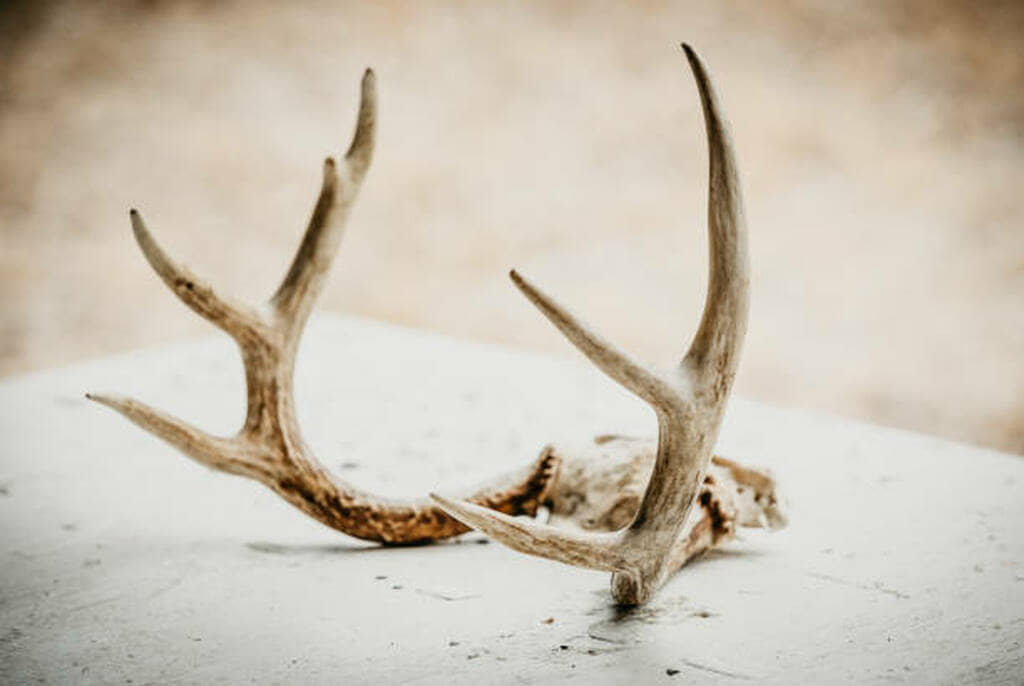
Sterilizing deer antlers before giving them to your dog removes dirt, blood residue, bacteria, and organic material that can remain on harvested antlers after a hunt. Although antlers are dense bone and naturally durable, they can pick up contaminants during field dressing, transport, and storage. Cleaning and disinfecting them properly makes them safer for your dog while preserving the hardness that makes antlers such a long-lasting chew.
Hunters often save antlers instead of discarding them because they provide a natural, durable alternative to many manufactured dog chews. However, not every harvested antler is immediately ready for use. Fresh antlers may contain dried blood, tissue remnants, or debris around the burr and pedicle, while shed antlers collected outdoors can carry dirt, mold spores, bacteria, and weather-related damage. Preparing the antlers correctly is just as important as selecting healthy antlers in the first place.
This guide explains how to sterilize deer antlers for dog chews using methods that clean and disinfect the surface without unnecessarily weakening the antler. You’ll learn how to inspect antlers after a hunt, choose safe cleaning products, avoid common mistakes such as prolonged boiling or bleach, cut antlers into appropriate chew sizes, and identify signs that an antler should never be given to a dog. By following the complete preparation process, you can safely turn harvested deer antlers into durable chews while making the most of your hunting harvest.
Why Should You Sterilize Deer Antlers Before Giving Them to Dogs?
Sterilizing deer antlers reduces the risk of exposing your dog to bacteria, organic residue, mold, and other contaminants that may remain after hunting or outdoor collection. While antlers are much denser than ordinary bones, their surfaces can still retain blood, dirt, dried tissue, and microorganisms that develop during transport or storage. Cleaning alone removes visible debris, but sterilization helps reduce microbes that are not visible to the naked eye.
Freshly harvested antlers require more preparation than many hunters realize. During field dressing and skull processing, blood, fat, and connective tissue can remain around the burr or base of the antler. If these residues are left in place, they can produce odors, encourage bacterial growth, and attract insects during storage. Sterilizing the antlers after thoroughly cleaning them creates a more hygienic chew without significantly affecting their natural hardness.
Shed antlers also benefit from sterilization, although the contamination differs from harvested antlers. Because they remain outdoors for weeks or months, shed antlers collect mud, animal saliva, mold spores, fungi, and environmental bacteria. Weather exposure may also create surface cracks that trap dirt more deeply than a simple rinse can remove. Every shed antler should be inspected carefully before deciding whether it is suitable for a dog chew.
Sterilization is only one part of producing a safe dog chew. Hunters should also discard antlers with deep cracks, soft or chalky interiors, visible rot, or heavy weathering. Cleaning cannot restore structural strength, and damaged antlers are more likely to splinter during aggressive chewing. Starting with a healthy, solid antler is the first step toward making a durable and safer chew.
What Supplies Do You Need to Sterilize Deer Antlers?
Using the right cleaning supplies removes contamination while preserving the antler’s strength. Harsh chemicals or excessive heat may disinfect the surface, but they can also leave residues or reduce the durability that makes deer antlers an excellent long-lasting chew.
Prepare the following supplies before beginning:
- Warm water for loosening dirt and dried blood.
- Mild dish soap to remove grease, organic residue, and surface debris.
- A stiff nylon brush to scrub grooves, burrs, and textured areas without damaging the antler.
- 3% hydrogen peroxide to disinfect the surface and help lift remaining organic stains.
- Clean microfiber towels or paper towels for drying after rinsing.
- Protective gloves to improve hygiene while handling harvested antlers.
- A saw designed for bone or antler if you plan to cut the antler into chew-sized sections after sterilization.
Avoid using household bleach, chlorine-based cleaners, or strong chemical disinfectants. Although these products kill bacteria effectively, they may leave residues that are unsafe if ingested by dogs. Bleach can also discolor the antler and produce lingering odors that remain even after rinsing.
Likewise, avoid pressure washing at extremely high pressure or soaking antlers in harsh degreasers for extended periods. Excessive mechanical force can open existing cracks, while aggressive chemicals may alter the surface texture. Mild cleaning products combined with proper sterilization provide sufficient hygiene for most harvested deer antlers without compromising their durability.
How to Sterilize Deer Antlers for Dog Chews Step by Step
Sterilize deer antlers by inspecting them, removing organic material, washing thoroughly, disinfecting with 3% hydrogen peroxide, rinsing, and allowing them to dry completely before giving them to your dog. This process reduces surface contamination while preserving the dense structure that makes antlers a durable chew.
Begin by inspecting each antler under good lighting. Look for deep cracks, soft or chalky sections, signs of rot, mold, or excessive weathering. Small surface scratches are generally cosmetic, but structural damage increases the chance of the antler splintering during chewing. Discard any antler that shows internal decay or significant deterioration instead of attempting to clean it.
Remove any remaining blood, dried tissue, dirt, or plant material before disinfecting. Rinse the antler under warm running water and scrub every surface with a stiff nylon brush and mild dish soap. Pay extra attention to the burr, grooves, and textured areas where organic material can become trapped. Continue scrubbing until all visible residue has been removed, then rinse away any soap completely.
After cleaning, disinfect the antler using 3% hydrogen peroxide, which is widely used for cleaning hard, non-porous natural materials. Either spray the entire surface generously or soak the antler for approximately 10–15 minutes. Hydrogen peroxide helps reduce bacteria and organic contamination without exposing the antler to excessive heat or leaving the chemical residues associated with bleach.
Rinse the antler thoroughly with clean water after disinfecting. This removes any remaining peroxide and loose debris from the cleaning process. Pat the antler dry with a clean towel before placing it in a well-ventilated area.
Allow the antler to air dry for 24–48 hours, depending on its size and the surrounding humidity. Complete drying is essential because trapped moisture can encourage mold growth during storage. Avoid accelerating the process with high oven temperatures or direct flames, as excessive heat may dry the antler unevenly and increase the likelihood of cracking over time.
If you plan to cut the antler into smaller chews, do so only after it has dried completely. Use a clean bone saw or band saw to create pieces appropriate for your dog’s size, then sand any sharp edges that could injure the mouth or gums.
Should You Boil Deer Antlers Before Giving Them to Dogs?
Boiling deer antlers is generally not the preferred sterilization method because prolonged heat can weaken the antler’s natural structure. Although boiling water kills many bacteria and helps loosen dried tissue, it may also remove moisture from the dense outer layer, increasing the likelihood of cracking as the antler ages.
Many hunters boil antlers briefly while preparing European skull mounts because the objective is to clean the skull rather than preserve the antler for chewing. Dog chews have different requirements. The goal is to maintain maximum density and durability so the antler withstands repeated chewing without becoming brittle.
Extended boiling can also affect the appearance of the antler. High temperatures may fade the natural color, soften the outer surface temporarily, and reduce the rich finish that many hunters prefer to preserve. These cosmetic changes do not always make the antler unsafe, but they indicate unnecessary exposure to heat that offers little advantage over gentler sterilization methods.
A better approach is to combine thorough washing with a 3% hydrogen peroxide treatment followed by complete air drying. This method effectively reduces surface contamination while minimizing the risk of heat-related damage. If stubborn tissue remains attached to a freshly harvested antler, a brief soak in warm—not boiling—water can help loosen debris before scrubbing without exposing the entire antler to prolonged high temperatures.
Can You Use Bleach or Other Disinfectants?
Avoid using bleach to sterilize deer antlers for dog chews because it can leave chemical residues that are unsafe if ingested and may damage the antler’s natural appearance. While bleach is an effective disinfectant, it is designed for hard household surfaces rather than items intended for repeated chewing.
Even after rinsing, bleach residue can remain in small pores, grooves, and rough areas around the burr. Dogs repeatedly lick and chew the same surface for extended periods, increasing the chance of ingesting trace amounts of chemicals. Bleach can also whiten the antler unnaturally and leave a strong odor that is difficult to remove completely.
Other harsh disinfectants, including chlorine-based cleaners, ammonia, and industrial sanitizers, should also be avoided. These products are formulated for non-food-contact applications and offer little benefit compared with safer cleaning methods. Likewise, wood preservatives, varnishes, or sealants should never be applied to antlers because they create artificial coatings that are not intended for animal consumption.
A safer option is 3% hydrogen peroxide, which helps reduce surface bacteria and organic residue without exposing the antler to excessive heat or harsh chemicals. Combined with thorough scrubbing, complete rinsing, and proper drying, hydrogen peroxide provides an effective balance between hygiene and preserving the antler’s durability.
How Do You Cut Deer Antlers into Safe Dog Chews?
Cut deer antlers into sizes that match your dog’s breed, jaw strength, and chewing habits. Proper sizing improves safety because dogs are less likely to swallow pieces that are too small or struggle with antlers that are too large.
Select the densest portions of the main beam whenever possible. These sections typically have thicker walls and provide the longest-lasting chew. Very thin tips break more easily, while the porous base near the pedicle may wear down faster under heavy chewing. Choosing solid sections improves durability and reduces the chance of splintering.
Use a clean band saw or bone saw to make straight, controlled cuts. Cutting slowly helps prevent unnecessary fractures that can occur when excessive force is applied. After cutting, inspect every edge carefully. Fresh cuts often leave sharp corners or rough surfaces that can scratch a dog’s gums or tongue.
Smooth every cut edge with medium- to fine-grit sandpaper until no sharp points remain. The goal is not to polish the antler but to eliminate areas that could cause cuts during chewing. Wipe away all sanding dust before offering the antler to your dog.
Match the finished chew to your dog’s size. Small breeds should receive shorter, narrower sections they can hold comfortably without attempting to swallow them. Medium and large breeds benefit from thicker pieces that withstand stronger bite forces. For aggressive chewers, choose antlers that are large enough that the dog cannot fit the entire chew inside its mouth.
How Can You Tell If a Deer Antler Is Unsafe?
Discard any deer antler that shows structural damage, decay, or contamination that cannot be removed through cleaning. Sterilization reduces bacteria on the surface, but it cannot repair weakened antlers or eliminate damage caused by age and weather exposure.
Deep cracks are one of the clearest warning signs. Surface scratches are usually harmless, but fractures that extend into the interior weaken the antler and increase the risk of pieces breaking away during chewing. Antlers with multiple cracks should not be reused, regardless of how clean they appear.
Soft or chalky areas indicate that the antler has begun to deteriorate. This condition is more common in shed antlers that have remained outdoors through repeated cycles of moisture, sunlight, and freezing temperatures. As the dense outer layer breaks down, the antler becomes easier to fracture and less suitable as a durable chew.
Visible mold, dark discoloration accompanied by a musty odor, or signs of insect activity are additional reasons to discard an antler. Although surface dirt can be removed, mold that has penetrated cracks or porous areas is difficult to eliminate completely. Likewise, antlers contaminated with oil, fuel, pesticides, or other environmental chemicals should never be repurposed for dogs.
Inspect every antler before each use, not just during preparation. Dogs gradually wear down antlers over time, and repeated chewing can expose hidden cracks that were not visible initially. Replace the antler immediately if it develops sharp edges, begins to splinter, or becomes small enough for your dog to swallow.
Are Fresh or Shed Deer Antlers Better for Dog Chews?
Both fresh and shed deer antlers can make excellent dog chews, but fresh harvested antlers generally offer better durability and more predictable quality. The best choice depends on the antler’s condition rather than whether it came from a harvested deer or was naturally shed.
Fresh antlers are easier to evaluate because their history is known. Hunters can inspect the antlers immediately after harvest, remove blood and tissue before bacteria have time to develop, and store them under controlled conditions. Since they have not been exposed to months of rain, sunlight, freezing temperatures, or wildlife, fresh antlers are less likely to contain hidden cracks or weather-related deterioration.
Shed antlers can also be safe, but they require more careful inspection. An antler that has remained outdoors through multiple seasons may absorb moisture, develop mold, or become brittle from prolonged exposure to ultraviolet light and temperature changes. Rodents also frequently gnaw shed antlers for calcium, leaving grooves that weaken the structure. Any shed antler with excessive weathering, chew marks, soft spots, or internal decay should be discarded.
Regardless of the source, always select dense, solid antlers with no signs of structural damage. Proper cleaning and sterilization improve hygiene, but they cannot restore strength to an antler that has already begun to deteriorate.
Which Dogs Should Not Chew Deer Antlers?
Deer antlers are not suitable for every dog because their hardness can increase the risk of dental injuries in certain animals. Choosing an appropriate chew should take your dog’s age, chewing style, and oral health into account.
Puppies that still have developing teeth should not receive hard antlers. Their teeth and jaws are less developed than those of adult dogs, making them more susceptible to fractures. Softer chew products designed for puppies are generally a safer choice until the permanent teeth have fully erupted.
Senior dogs may also benefit from alternatives if they have worn teeth, periodontal disease, or previous dental work. Teeth naturally become more fragile with age, and repeated chewing on extremely hard materials can increase the likelihood of cracks or broken teeth.
Aggressive chewers deserve special consideration. Dogs that attempt to crush objects with their back molars instead of gradually wearing them down generate much greater bite force. Even a high-quality antler can contribute to tooth fractures if the dog consistently bites with maximum pressure rather than gnawing on the surface.
Before introducing an antler chew, consult your veterinarian if your dog has a history of broken teeth, dental disease, jaw abnormalities, or oral surgery. Regularly monitor chewing sessions and remove the antler if it becomes small enough to present a choking hazard.
Read more: The Proper Way on How to Clean Deer Antlers
How Should You Store Sterilized Deer Antlers?
Store sterilized deer antlers in a cool, dry location to prevent moisture buildup and preserve their structural integrity. Proper storage helps maintain cleanliness between chewing sessions and reduces the likelihood of mold developing on the surface.
Allow every antler to dry completely before placing it into storage. Even small amounts of trapped moisture can encourage mold growth, particularly if the antler is stored inside a sealed plastic container immediately after cleaning. Air drying for at least 24–48 hours before storage helps eliminate this risk.
Choose a clean, well-ventilated storage container or shelf away from direct sunlight and excessive humidity. Basements, damp garages, or outdoor sheds with poor ventilation may expose antlers to fluctuating moisture levels that accelerate deterioration. Indoor storage at normal room temperature provides the most consistent conditions.
Inspect stored antlers periodically, especially if they are kept for several months before being used. Look for new cracks, unusual odors, discoloration, or mold growth. A quick inspection before each use ensures the antler remains safe and in good condition.
If an antler has been heavily chewed, rinse it with clean water to remove saliva and allow it to dry thoroughly before returning it to storage. Keeping chews clean between uses extends their lifespan and maintains better hygiene.
What Mistakes Should Hunters Avoid When Preparing Deer Antlers?
Most problems with homemade deer antler dog chews result from improper preparation rather than the antlers themselves. Avoiding a few common mistakes significantly improves both safety and durability.
The first mistake is using antlers without inspecting them. Even freshly harvested antlers can develop cracks during transport or storage, while shed antlers may already have internal decay that is not immediately visible.
The second mistake is relying on prolonged boiling as the primary sterilization method. Although boiling destroys many microorganisms, excessive heat can dry the antler, reduce its natural toughness, and increase the risk of cracking over time.
Another frequent error is using bleach or other harsh household disinfectants. These chemicals may leave residues, alter the antler’s appearance, and expose dogs to substances that are not intended for repeated oral contact.
Many hunters also overlook proper drying. Storing damp antlers inside sealed containers creates conditions that encourage mold growth. Always allow antlers to dry completely before storage or use.
Finally, never give dogs antlers with sharp cut edges, severe weathering, soft interiors, or heavy rodent damage. Discarding questionable antlers is safer than attempting to repair them, as structural defects cannot be reversed through cleaning or sterilization.
Frequently Asked Questions
Can bacteria survive on deer antlers?
Yes. Blood, tissue residue, dirt, and environmental contamination can allow bacteria to remain on harvested or shed antlers. Proper cleaning followed by sterilization significantly reduces surface contamination.
Do shed deer antlers need to be sterilized?
Yes. Shed antlers should always be cleaned and sterilized before being given to a dog because they may have been exposed to mud, wildlife, mold, bacteria, and insects while outdoors.
Can dogs get sick from untreated deer antlers?
They can. Although healthy dogs often tolerate minor environmental bacteria, untreated antlers contaminated with decaying organic matter, mold, or harmful microorganisms increase the risk of gastrointestinal illness or other health problems.
How often should you replace a deer antler chew?
Replace the antler once it becomes small enough to present a choking hazard, develops sharp edges, or shows cracks and splintering. Regular inspections are more important than replacing antlers on a fixed schedule.
Can you bake deer antlers instead of boiling them?
Baking is generally not recommended. Like prolonged boiling, high temperatures can dry the antler and increase the likelihood of cracking. Washing thoroughly, disinfecting with 3% hydrogen peroxide, and allowing the antler to air dry remain the preferred preparation method for most hunters.