
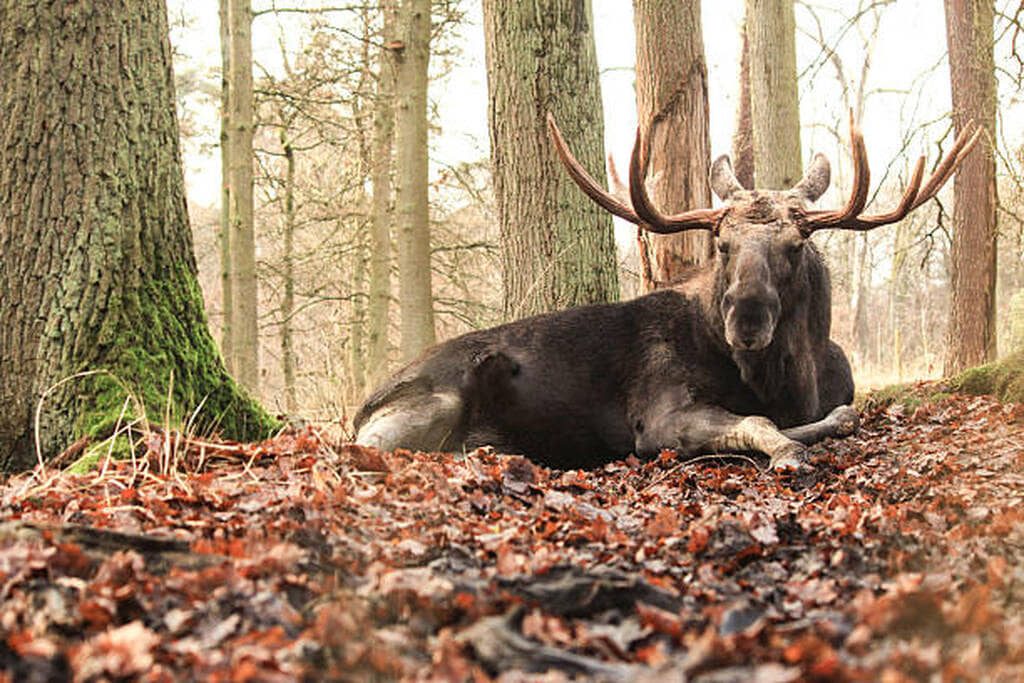
Yes, bull moose shed their antlers every year as part of a natural growth cycle. After the breeding season ends, hormone levels—especially testosterone—drop, causing the antlers to detach from the skull and fall off. New antlers begin growing again in spring, making moose one of the fastest antler-growing mammals in the world. Female moose, on the other hand, typically do not grow antlers, so they do not go through this annual shedding process.
Although antler shedding may look unusual, it is a normal biological adaptation that helps bull moose prepare for the next breeding season. Each year, they grow an entirely new set of antlers that are often larger and stronger than the previous year’s, provided they have good nutrition, suitable habitat, and are in good health. The timing of shedding and regrowth can also vary depending on age, climate, and geographic location.
This guide explains why moose shed their antlers, when the process occurs, how new antlers develop, and the factors that influence their size and shape. You’ll also learn how moose compare with other members of the deer family, what happens to shed antlers in the wild, and answers to the most common questions about the annual antler cycle.
Do moose shed their antlers every year?
Yes, bull moose shed their antlers every year as part of their natural antler growth cycle. Unlike permanent horns, antlers are living bone structures that are grown, used during the breeding season, and then discarded once they are no longer needed. This annual cycle allows bull moose to develop a new set of antlers before the next rut, often producing larger and more complex antlers as they mature.
Only male moose (bulls) normally grow antlers. Female moose (cows) generally do not develop antlers, so they do not experience seasonal shedding. This differs from caribou, where both males and females grow antlers. Because antler growth requires large amounts of energy and minerals, it is primarily associated with male reproductive competition rather than everyday survival.
Each year, the cycle follows the same pattern. New antlers begin growing in spring, remain covered in a nutrient-rich layer called velvet throughout summer, harden before the autumn breeding season, and are shed during late fall or winter after hormone levels decline. Healthy adult bulls repeat this process throughout their lives, making antler shedding one of the most recognizable seasonal changes in moose biology.
Why do moose shed their antlers?
Moose shed their antlers because changing hormone levels signal that the breeding season has ended. During the autumn rut, testosterone reaches its highest level, keeping the antlers firmly attached to the skull and allowing bulls to spar with rivals and display their fitness to females. Once mating season is over, testosterone levels fall rapidly, triggering a biological process that causes the antlers to detach.
The separation occurs at the pedicle, the permanent bony base where each antler connects to the skull. Specialized cells gradually dissolve a thin layer of bone at this junction, weakening the attachment until the antler drops naturally. The process is usually quick, and a bull may shed both antlers within hours or several days of each other. Because the bone is resorbed rather than broken by force, healthy moose generally experience little to no bleeding when the antlers fall.
Shedding antlers also provides an important biological advantage. Growing a fresh set each year allows a bull to replace antlers that were damaged during fights, adapt to changes in age and body condition, and invest resources into producing larger, stronger antlers when food is abundant. Since antlers are used mainly for competition during the breeding season, carrying their considerable weight throughout winter would waste energy when they are no longer needed.
When do moose lose their antlers?
Most mature bull moose shed their antlers between late fall and mid-winter, typically from November through January. The exact timing depends on when the breeding season ends and how quickly testosterone levels decline. Bulls that finish the rut earlier often shed their antlers sooner, while younger males may retain them for several additional weeks.
Age is one of the biggest factors influencing shedding time. Mature bulls usually lose their antlers first because they invest more energy in breeding and experience a sharper hormonal decline after the rut. Younger bulls, which participate less in competition, often maintain higher hormone levels for longer and may not shed their antlers until January or even February in some regions.
Geographic location also affects the annual schedule. Moose living in northern latitudes experience greater seasonal changes in daylight, which influence hormone production and the timing of the rut. In areas with milder climates or slightly different breeding seasons, antler shedding may occur a little earlier or later. However, regardless of location, bull moose complete this cycle only once each year.
Finding freshly shed antlers in the wild is uncommon because they often fall in dense forests, wetlands, or deep snow. Many are quickly chewed by rodents such as squirrels, mice, and porcupines, which use the mineral-rich bone as a source of calcium and other nutrients.
How do moose grow new antlers?
New antlers begin growing only a few weeks after the old ones are shed. As daylight increases in spring, rising testosterone and other growth hormones stimulate cells in the pedicle to produce new bone tissue. This process transforms the bare pedicle into rapidly growing antlers that can reach impressive sizes within just a few months.
During the early growth stage, the antlers are covered with a soft, fuzzy skin known as velvet. Velvet contains an extensive network of blood vessels and nerves that delivers oxygen, protein, calcium, and phosphorus to the developing bone. Because this tissue is highly sensitive, bull moose avoid damaging their growing antlers during this period.
Moose antlers are among the fastest-growing bones in the animal kingdom. Under favorable conditions, they can grow more than an inch (about 2.5 centimeters) per day during peak development. By late summer, the antlers have reached their full size, and blood flow to the velvet gradually stops. The velvet dries, peels away, and is rubbed off against trees and shrubs, exposing the hard bone beneath.
These hardened antlers are used throughout the autumn breeding season to display dominance, attract females, and compete with rival bulls. After the rut ends and hormone levels fall again, the entire cycle repeats with the next annual shedding.
Read more: Deer Drinking Water: How, When, and Why Deer Stay Hydrated
What factors affect antler size and growth?
Four primary factors determine the size, shape, and quality of a moose’s antlers: age, nutrition, genetics, and overall health. These factors work together throughout the growing season, influencing how much bone a bull can produce before the antlers fully harden.
Age has the greatest impact on antler development. Young bulls grow relatively small, narrow antlers during their first few years because much of their energy is devoted to body growth rather than antler production. As bulls reach full maturity—typically between 5 and 10 years of age—they produce their largest and widest antlers. After reaching old age, antler size often declines as hormone production decreases and the animal’s physical condition gradually deteriorates.
Nutrition directly affects how much bone a bull can build each year. Growing antlers requires large amounts of protein, calcium, phosphorus, and other minerals. Moose that have access to abundant aquatic vegetation, shrubs, willow, birch, and nutrient-rich summer forage generally develop heavier and broader antlers than bulls living in habitats with limited food resources. Poor nutrition during spring and summer can reduce antler mass, limit the number of points, and slow overall growth.
Genetics establish the natural potential for antler shape and size. Even when two bulls have access to the same habitat and food supply, their antlers may differ because inherited traits influence beam width, palm size, symmetry, and the number of tines. Genetics determine the upper limit of antler development, while nutrition and health determine how closely a bull reaches that potential each year.
Disease and injuries can also alter antler growth. Illness, severe parasite infestations, broken pedicles, or injuries sustained before or during the growing season may produce smaller, misshapen, or uneven antlers. In some cases, damage to one side of the body can affect antler development on the opposite side because of the complex relationship between the nervous and skeletal systems.
Do female moose have antlers?
No, female moose do not normally grow antlers. Antler development is a characteristic of bull moose and is controlled primarily by testosterone. Because cows produce much lower levels of this hormone, they do not develop the annual antler cycle seen in males.
Bull moose rely on antlers during the autumn rut to compete with rivals and attract mates. Large antlers serve as both weapons and visual displays of strength, allowing many contests to be settled through intimidation before physical fights occur. Since female moose do not compete for mates in the same way, they have no biological need to invest the significant energy required to grow and replace antlers every year.
Although extremely uncommon, a female moose may develop antler-like growth if she has an abnormal hormonal condition or reproductive disorder that increases testosterone production. These cases are rare and should be considered exceptions rather than normal behavior.
This difference also helps distinguish moose from other members of the deer family. For example, female caribou regularly grow and shed antlers, while female moose, deer, and elk generally do not. Understanding these species-specific differences prevents one of the most common misconceptions about antlered mammals.
Do moose and deer shed their antlers in the same way?
Yes, moose and other members of the deer family shed their antlers through the same biological process, but the timing, size, and purpose of the antlers vary by species. In moose, deer, and elk, declining testosterone levels after the breeding season trigger bone resorption at the pedicle, causing the antlers to detach naturally. New antlers then begin growing the following spring.
The most noticeable difference is the shape and size of the antlers. Moose have broad, flattened antlers with large palm-like surfaces that help display dominance during the rut. Most deer species develop narrower, branching antlers with multiple tines, while elk grow long, sweeping antlers that curve backward rather than forming broad palms. These structural differences reflect each species’ evolutionary adaptations and mating behavior.
The timing of shedding also differs. Mature bull moose generally lose their antlers between November and January, while many deer species shed theirs later in winter or early spring. Elk often follow a similar schedule to deer, although exact timing varies with latitude, climate, and local breeding seasons.
One important exception is caribou. Unlike moose, deer, and elk, both male and female caribou grow antlers. Bulls usually shed their antlers shortly after the rut, whereas pregnant females often retain theirs until after giving birth in spring. This unique adaptation allows females to compete for limited food resources during winter when they are carrying calves.
Can a moose survive without antlers?
Yes, a moose can survive perfectly well without antlers because antlers are used primarily for reproduction rather than survival. After shedding their antlers, bull moose continue feeding, traveling, and conserving energy throughout winter without any significant disadvantage in their daily lives.
The primary function of antlers is to improve breeding success during the autumn rut. Bulls use them to display their physical condition, intimidate rivals, and engage in contests for access to females. Once the mating season ends, these functions are no longer necessary, making the heavy antlers an unnecessary energy burden during the colder months.
Shedding antlers before winter provides several advantages. A mature pair of moose antlers can weigh more than 30 kilograms (66 pounds), requiring substantial energy to carry and maintain. By dropping them after the rut, bulls reduce body weight and redirect valuable nutrients toward surviving winter, when food becomes scarce and environmental conditions are more demanding.
Even without antlers, bull moose remain capable of defending themselves against predators. Their large body size, powerful legs, and sharp front hooves are their primary defensive tools. Adult moose often deter predators by kicking with tremendous force, making antlers only one part of their overall defense strategy.
What happens to shed antlers in the wild?
Shed antlers rarely remain on the forest floor for long because they become valuable sources of minerals for other wildlife. Although antlers are made of bone, they contain calcium, phosphorus, and other nutrients that many animals consume after the antlers are discarded.
Rodents are among the most common animals that gnaw on shed antlers. Squirrels, mice, chipmunks, porcupines, and other small mammals chew the hard bone to obtain essential minerals that support tooth growth and skeletal health. This natural recycling process can reduce a freshly shed antler to small fragments within a single season.
Environmental conditions also contribute to the disappearance of shed antlers. Moisture, sunlight, fungi, bacteria, and repeated freeze-thaw cycles gradually break down the bone over time. In dense forests, tall vegetation, wetlands, and deep snow, antlers can also become hidden beneath leaf litter or buried before they are discovered.
These factors explain why finding a naturally shed moose antler is relatively uncommon despite thousands of bulls shedding them every year. The combination of scavenging wildlife, natural decomposition, and remote habitat means that most antlers are recycled back into the ecosystem long before people ever encounter them.
Frequently Asked Questions About Moose Antlers
Do moose feel pain when they shed their antlers?
No, healthy moose do not appear to feel pain when their antlers are shed. By the time an antler falls off, the blood vessels that once supplied it have already closed, and the bone connection at the pedicle has been dissolved through a natural biological process. The antler detaches on its own with little or no bleeding.
Can a moose regrow a broken antler?
Yes, but only during the next antler-growing season. If a bull breaks an antler after it has fully hardened, the damage usually remains for the rest of that year. Once the antlers are shed, an entirely new pair begins growing the following spring, often restoring the original shape if the pedicle has not been permanently injured.
How much do moose antlers weigh?
A mature bull moose can carry antlers weighing between 15 and 30 kilograms (33–66 pounds), while exceptionally large antlers may weigh even more. Weight depends on the bull’s age, genetics, nutrition, and overall health. Because antlers require substantial energy to produce and carry, shedding them before winter helps conserve valuable resources.
Why aren’t a moose’s antlers the same every year?
A moose’s antlers change from year to year because they are grown from scratch every spring. As a bull ages, antlers generally become larger and more elaborate until the animal reaches peak maturity. Annual differences in food availability, health, weather conditions, and injuries can also influence antler size, symmetry, and the number of points produced each year.
Key Takeaways
Bull moose shed their antlers every year as a normal part of their annual life cycle. The process is controlled by seasonal hormone changes that occur after the breeding season, allowing old antlers to fall and a completely new set to develop the following spring.
Antler growth depends on several factors, including age, nutrition, genetics, and overall health. Although antlers play an important role during the rut by helping bulls compete for mates, they are not essential for surviving winter. Shedding them reduces energy demands, while new antlers provide another opportunity for reproduction in the next breeding season.
Understanding the annual antler cycle also highlights the remarkable biology of moose and explains why shed antlers are rarely found in the wild. From rapid bone growth under velvet to natural recycling by wildlife, every stage of the cycle contributes to the health of the animal and the surrounding ecosystem.