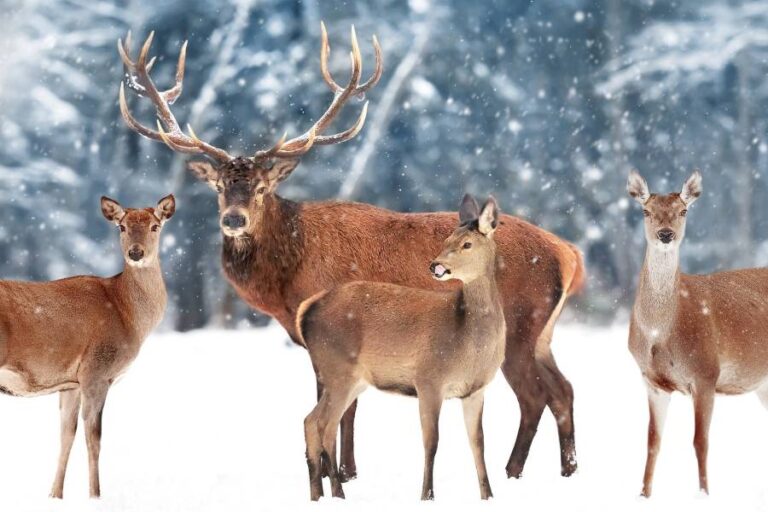
Do Deer Migrate in Winter? What Hunters Should Know
Some deer migrate in winter, but not every deer population does. Winter migration is a seasonal movement from one geographic range to another, typically driven by changes in snow conditions, …

Some deer migrate in winter, but not every deer population does. Winter migration is a seasonal movement from one geographic range to another, typically driven by changes in snow conditions, …
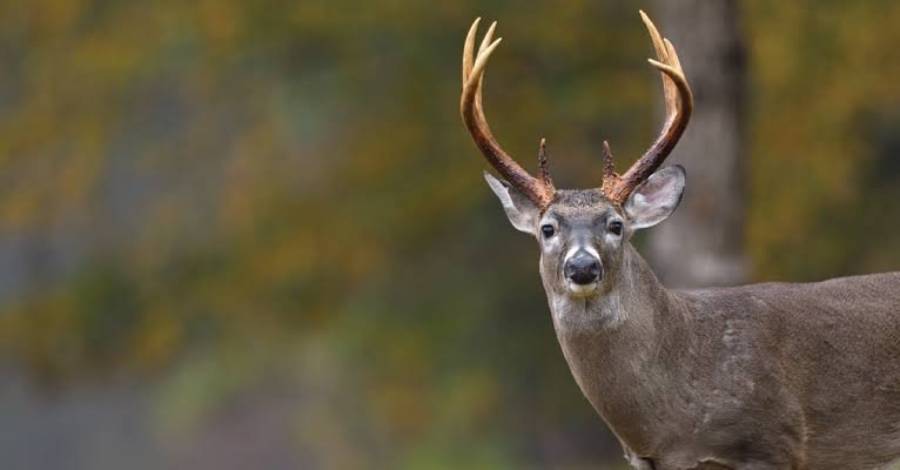
Yes, deer can hear some dog whistles when the sound falls within their hearing range, but they cannot necessarily hear every frequency a dog whistle produces. The key factor is …
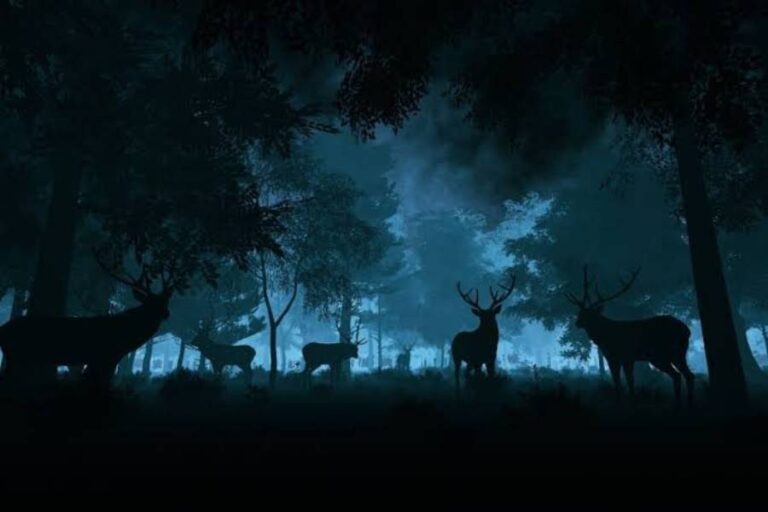
Deer cannot see in complete darkness because their eyes still need light to create a visual image. However, deer can see much better than humans in low-light conditions, which is …
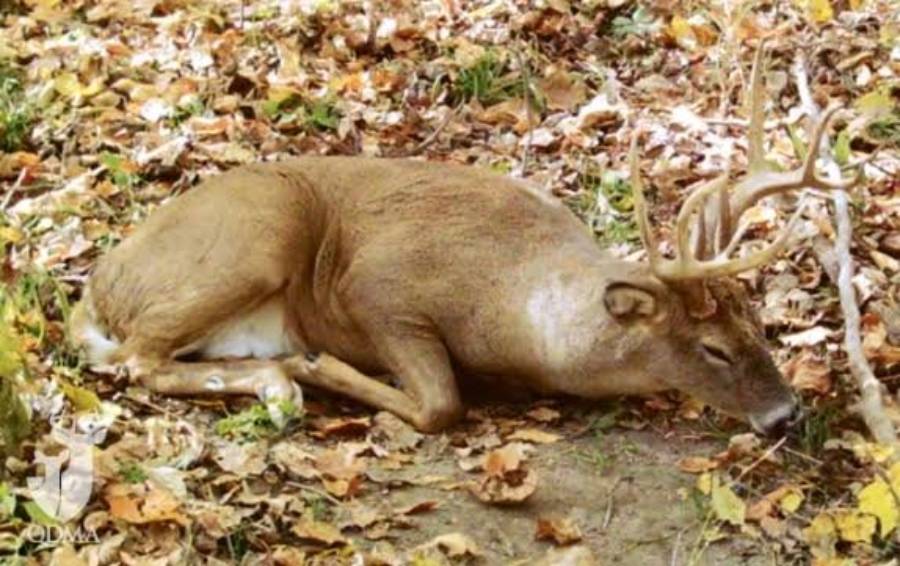
Deer generally close their eyes when they sleep, but they can lie still with their eyes open or partially open while resting and remaining alert. This behavior can make a …
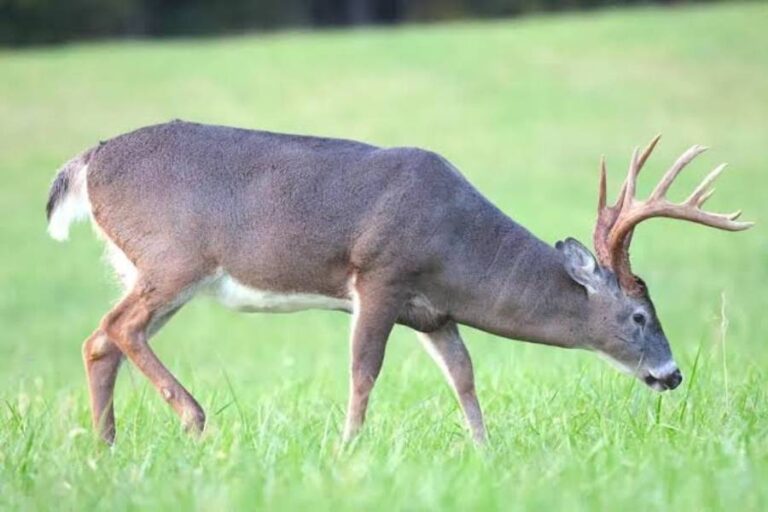
Deer can react to human footprints because a person walking through an area leaves human scent and physical disturbance on the ground and surrounding vegetation. The visible boot print itself …
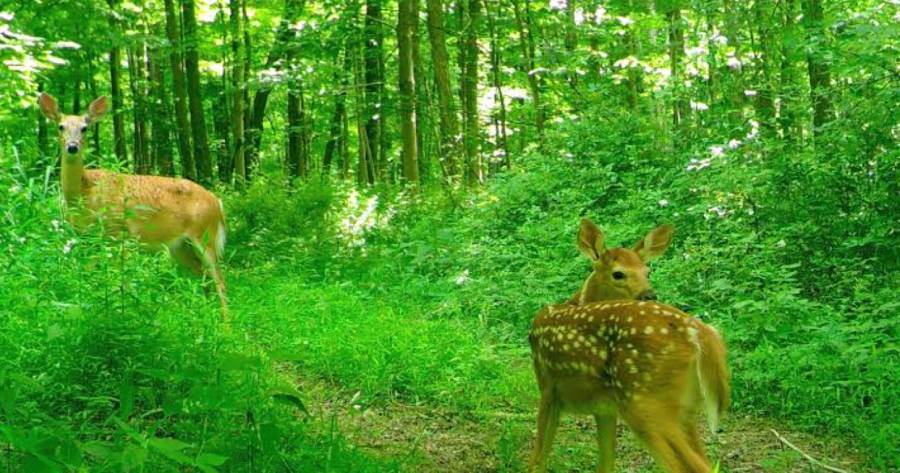
Yes, deer can get used to trail cameras when repeated exposure does not result in a perceived threat. A deer may initially stare at, approach, sniff, or move away from …
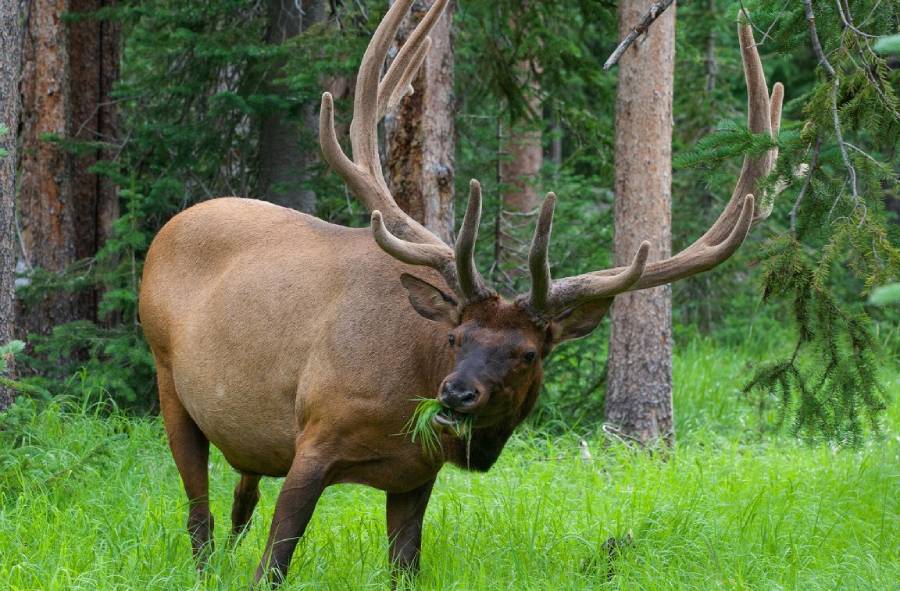
Deer cannot see through the solid walls of a hunting blind, but they can see through open windows and may detect a hunter behind mesh. Whether a deer sees you …
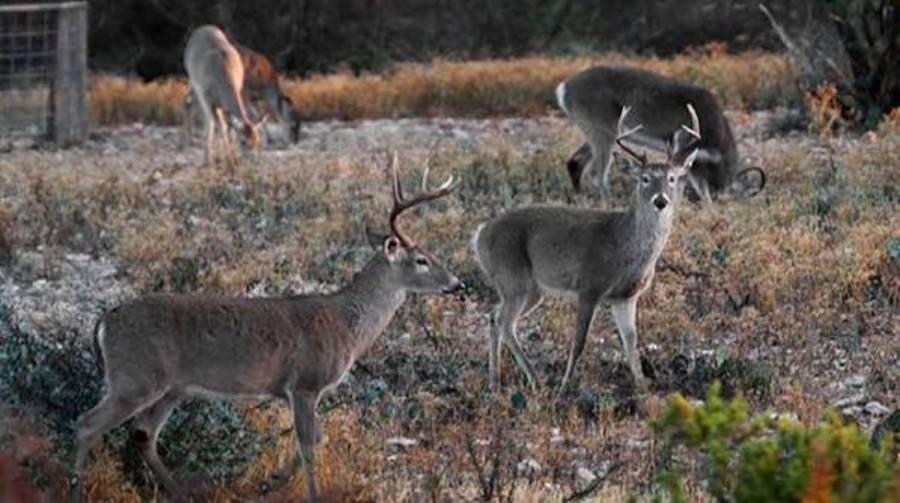
Deer can remember dangerous encounters with hunters, including situations where they have been shot at. However, this does not necessarily mean a deer remembers the event as a person would. …
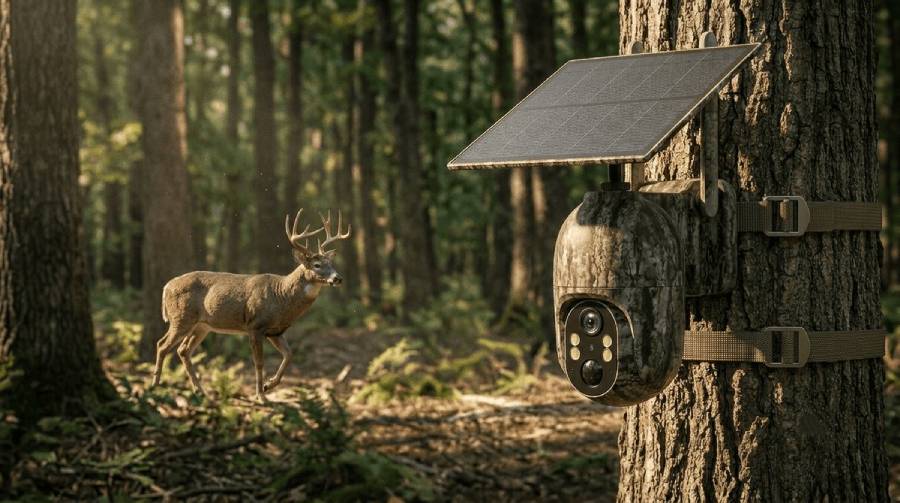
Deer can hear some sounds produced by trail cameras, particularly mechanical clicks and electronic noises generated when a camera detects movement or captures an image. However, hearing a trail camera …
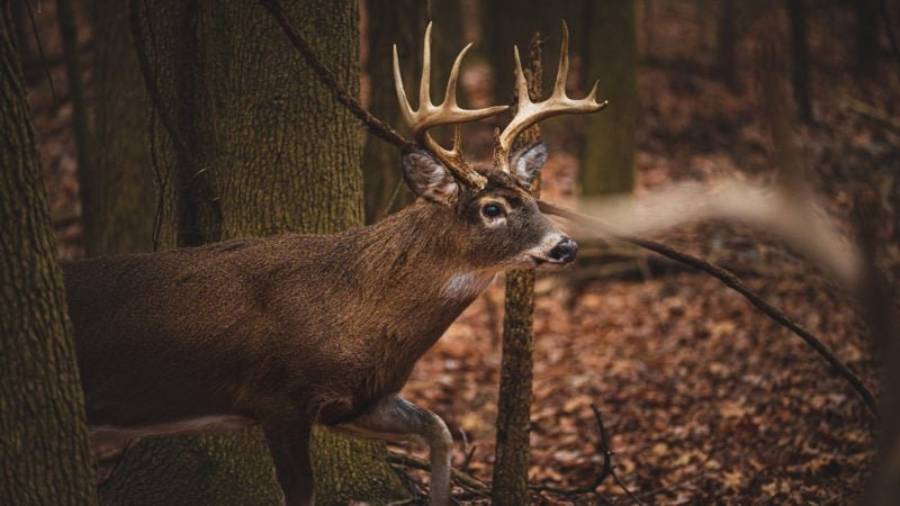
Yes, deer can smell blood because their highly developed sense of smell allows them to detect blood and other odors in their environment. However, detecting blood does not automatically cause …
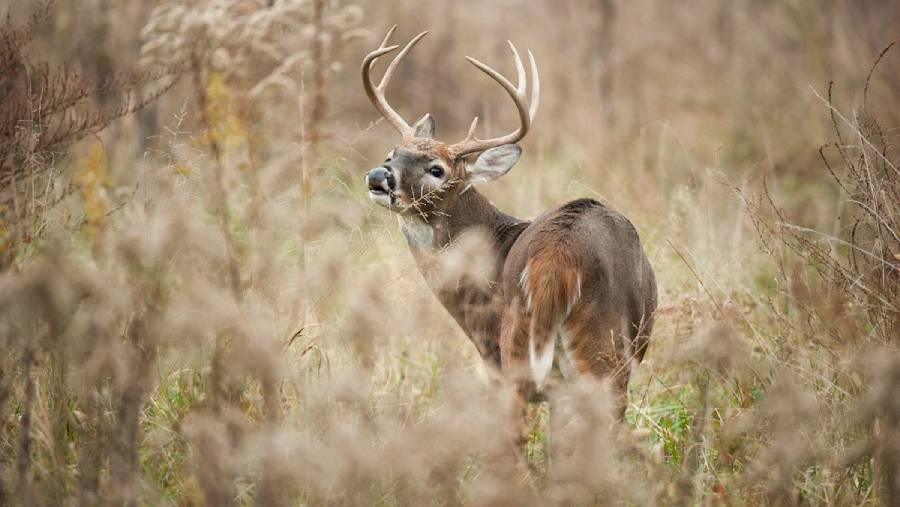
Yes, deer can smell blood, but detecting blood does not automatically cause a deer to identify danger or leave an area. Deer rely heavily on their sense of smell to …
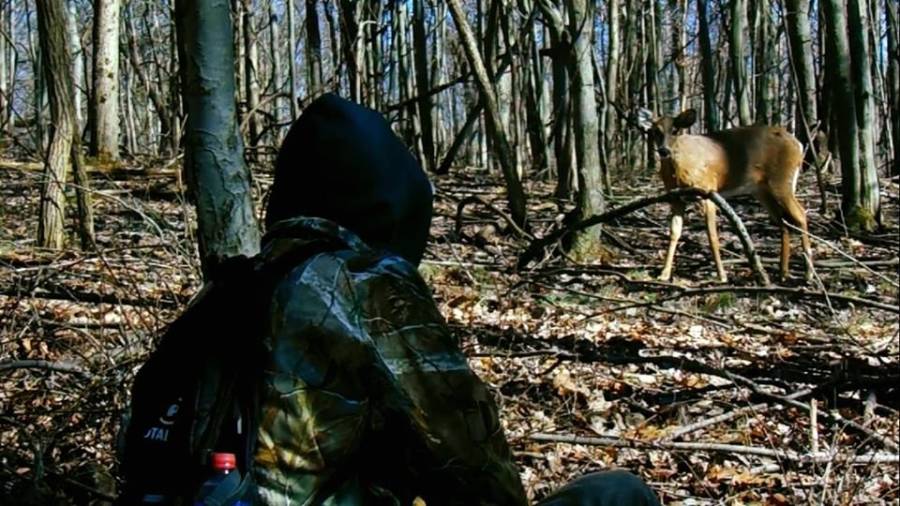
Deer can distinguish between individual humans when repeated encounters allow them to associate specific sensory cues with a person, but this does not mean they recognize human identity in the …
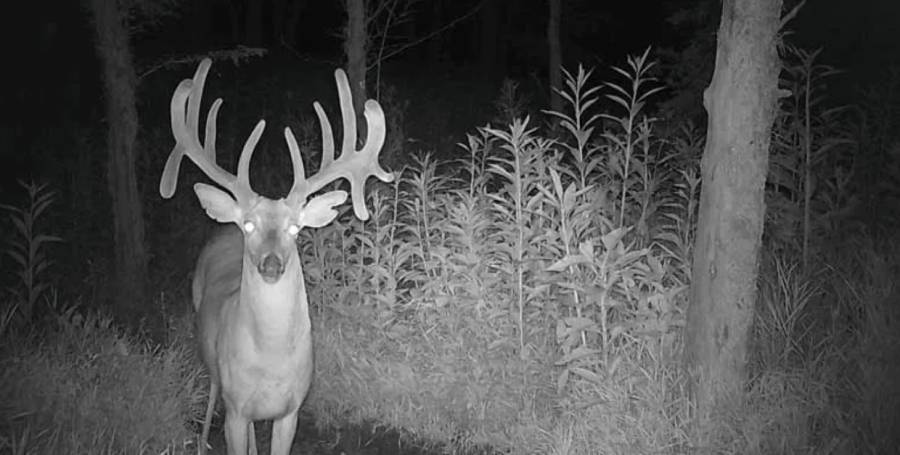
Yes, deer can see some types of trail camera flash, but how noticeable the flash is depends on the technology used. White-flash trail cameras produce visible light that deer can …
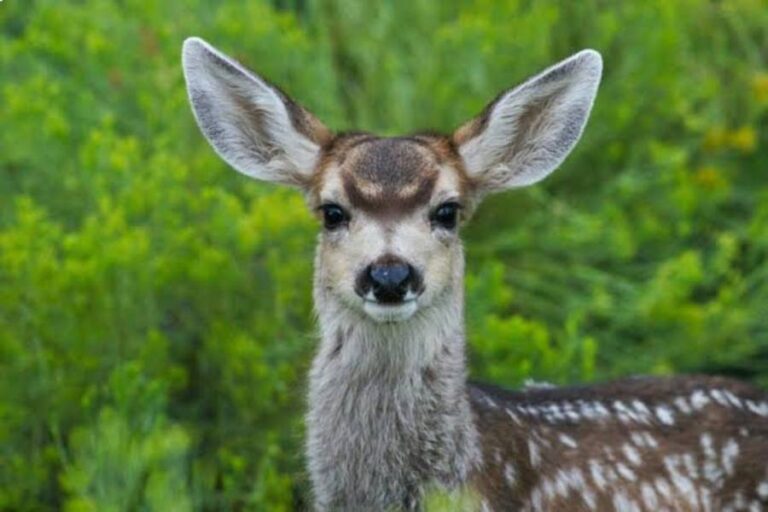
Deer primarily sleep lying down rather than standing up. A deer may remain motionless while standing and appear to be asleep, but standing is primarily associated with resting or maintaining …
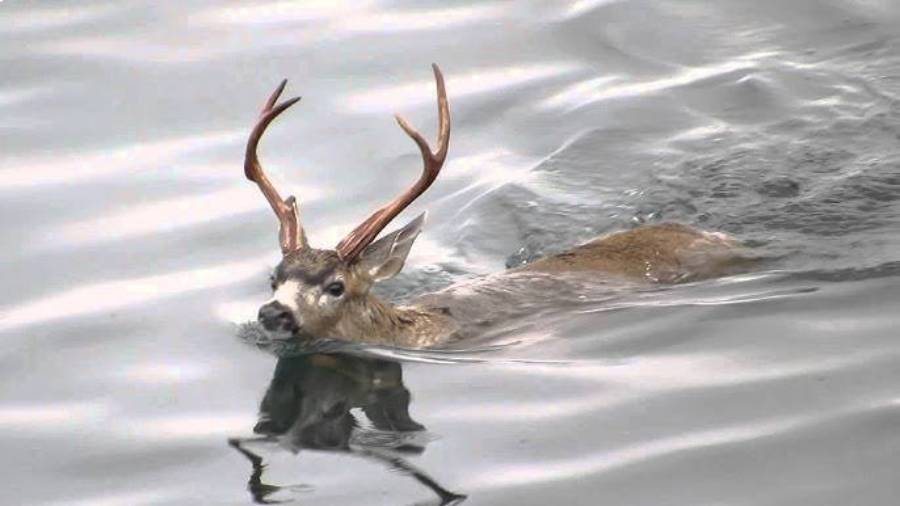
Deer can swim long distances and are strong enough swimmers to cross rivers, lakes, and other bodies of water when necessary. Their exact swimming range is not fixed because endurance …