
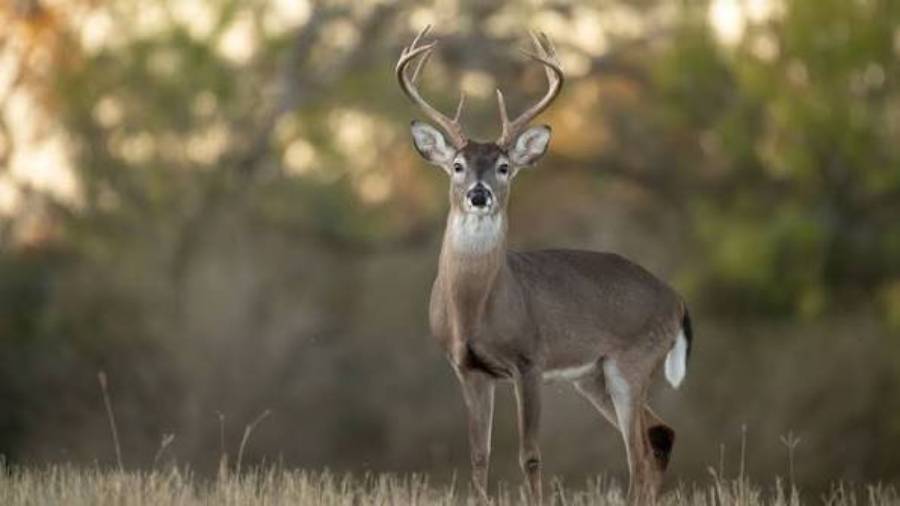
Doe estrus scent is most useful when whitetail bucks are actively searching for does that are approaching or entering estrus, particularly during the seeking and chasing phases of the rut. Using it simply because the rut season has started does not guarantee a response. Its effectiveness depends on whether the scent matches current breeding behavior, where a buck is traveling, and whether the wind carries the odor into an area the buck is likely to investigate.
Timing matters because buck behavior changes throughout the rut. During the early pre-rut, bucks may be checking does and increasing scrape activity, but an estrous signal can be premature. As more does approach breeding readiness, bucks spend more time searching and chasing, creating a stronger behavioral context for doe estrus scent. During peak breeding and lockdown, however, a buck already accompanying a receptive doe may have less reason to investigate another scent source. Estrus scent can become relevant again later when bucks search for remaining receptive does or during secondary breeding activity.
This guide explains when doe estrus scent fits each phase of the whitetail rut, then covers daily timing, scent placement, wind direction, application methods, and the conditions that can cause a buck to ignore the setup.
When Should You Use Doe Estrus During the Whitetail Rut?
You should use doe estrus scent when bucks begin actively searching for does that are ready to breed, with the seeking and chasing phases providing the strongest behavioral match. The goal is to introduce an estrous-doe signal when a buck has a reason to investigate that signal. Using it too early can create a scent that does not match the breeding activity occurring around the hunting area, while using it during active seeking puts the scent in front of bucks already looking for receptive does.
The best starting point is therefore determined by rut activity rather than a fixed calendar date. Whitetail breeding timing varies by region, and individual deer do not enter each rut phase simultaneously. Hunters should watch for behavioral indicators such as increasing scrape activity, bucks checking doe groups, more frequent daylight buck movement, and the transition from bucks simply investigating does to actively following or chasing them. When these behaviors increase, doe estrus becomes more relevant to what bucks are already trying to locate.
The seeking phase creates a particularly useful opportunity because bucks are covering ground to locate receptive does. A scent source positioned along a travel corridor, scrape area, or another location bucks naturally investigate can give a searching buck an additional reason to approach the setup. During the chasing phase, estrus scent also matches the breeding context because bucks are actively pursuing does rather than merely establishing dominance or checking their presence.
Doe estrus should not automatically be treated as more effective as the rut progresses. During peak breeding or lockdown, mature bucks may spend extended periods with individual receptive does. A buck already tending a doe has less motivation to abandon her to investigate an artificial estrous scent. The scent itself has not necessarily become irrelevant; the buck’s immediate behavioral priority has changed.
Estrus scent can become relevant again after peak breeding when bucks resume searching for does that were not bred during the primary breeding window. Secondary breeding activity can therefore create another opportunity, although buck numbers, hunting pressure, food patterns, and post-rut movement can make the hunting situation different from the primary seeking phase.
Should You Use Doe Estrus During the Pre-Rut?
Doe estrus can be used during the late pre-rut, but it should not be the default scent throughout the entire pre-rut. Early in this period, bucks are primarily establishing social relationships, working rubs and scrapes, and monitoring does rather than responding to widespread estrous activity. A general deer or doe scent can therefore fit the existing behavioral context better than a strong estrous signal.
The distinction becomes more important as the pre-rut advances. Increased scrape activity alone does not prove that does are entering estrus. Scrapes communicate information between deer and can be active before the primary breeding period. A better indicator is a combination of behaviors: bucks spending more time around doe groups, checking individual does, increasing daylight movement, and beginning to follow does for longer distances. These changes indicate that the hunting area is moving closer to the seeking phase.
Late pre-rut is the transition point where doe estrus becomes more useful. Bucks approaching the seeking phase increasingly search for the first receptive does, so an estrous scent begins to represent something they expect to encounter. This creates a logical window for introducing doe estrus near established buck travel routes instead of waiting until breeding activity has already peaked.
Using estrus scent prematurely also introduces an unnecessary variable into the setup. The scent cannot compensate for poor stand placement, an unfavorable wind, or a location that bucks are not using. A hunter who introduces doe estrus during the pre-rut should still place the setup around observed deer movement and allow the prevailing wind to carry the scent toward an area where a traveling buck can detect it without first detecting the hunter.
The practical transition is therefore regular deer communication first, estrous signaling as breeding behavior develops. Hunters do not need to switch scents on a predetermined date. The more reliable approach is to match the scent to the rut behavior occurring in the hunting area.
Does Doe Estrus Work During the Seeking and Chasing Phases?
Doe estrus scent is especially relevant during the seeking and chasing phases because bucks are actively trying to locate receptive does. During the seeking phase, bucks increase movement between bedding areas, feeding areas, doe concentrations, scrapes, and travel corridors. This creates a behavioral match between what the buck is searching for and the estrous signal introduced by the hunter.
The seeking phase provides an important advantage: the buck may be searching without already being committed to a specific doe. A buck moving through an area to locate breeding opportunities has a reason to investigate scent associated with a receptive doe. Estrus scent works as an additional signal within that existing search behavior; it does not create the behavior by itself. For example, placing scent near an active travel corridor is more logical than placing it in an area with little evidence of buck movement and expecting the scent to pull deer across a large distance.
The chasing phase can also provide favorable conditions because bucks are actively following and testing does as breeding approaches. At this point, an estrous signal fits the biological context of the area better than it does during the early pre-rut. A buck that detects the scent may approach directly, circle the source, or move downwind before committing. The hunter should therefore anticipate where the buck is likely to check the scent rather than focusing only on the location of the scent wick or drag line.
Wind direction becomes part of the setup for this reason. The scent needs to travel toward a location used by deer while the hunter remains positioned so an approaching buck does not detect human odor first. A setup that allows the estrus scent and the hunter’s scent to travel through the same area can eliminate the intended advantage. Doe estrus works best as part of a hunting setup built around existing movement, favorable wind, and predictable approach routes.
Does Doe Estrus Work During Peak Rut and Lockdown?
Doe estrus can work during peak rut, but peak breeding does not automatically mean peak effectiveness for estrus scent. The important distinction is whether a buck is searching for a receptive doe or already tending one. A searching buck has a reason to investigate another estrous signal, while a buck already paired with a receptive doe may have little reason to leave her.
This difference becomes especially important during lockdown. Hunters can see less mature-buck movement even though breeding activity is intense because individual bucks may remain close to receptive does. The apparent decline in movement does not mean the rut has stopped. It means the buck’s behavior has shifted from finding a doe to staying with a doe, reducing the number of opportunities for an artificial scent source to influence his route.
Real does also compete with an artificial scent source during this period. A scent setup provides an olfactory signal, whereas an actual receptive doe provides scent, movement, sound, and continuous behavioral cues. A buck that already has access to that doe does not need to search for the source represented by a scent wick or drag line. This explains why increasing the amount of doe estrus during lockdown does not necessarily increase the probability of attracting a buck.
Doe estrus remains useful during peak rut when it reaches a buck that is between does, traveling between doe-use areas, or resuming his search after leaving a breeding pair. Travel corridors connecting doe bedding and feeding areas can therefore remain relevant locations. The objective is not to overpower natural breeding activity with more scent. It is to position a believable estrous signal where a searching buck can encounter it during his normal movement.
For hunting strategy, the key distinction is straightforward: the seeking and chasing phases generally provide a stronger behavioral context for doe estrus than lockdown because more bucks are actively searching. During peak rut, hunters should evaluate current buck behavior instead of assuming that maximum breeding activity automatically requires maximum scent use.
Does Doe Estrus Work After the Peak Rut?
Doe estrus can still work after the peak rut because bucks may resume searching for does that were not bred during the primary breeding period. Its usefulness, however, depends more heavily on whether active breeding opportunities remain in the area. The post-rut should not be treated as a complete end to breeding behavior; it is a transition in which the number of receptive does decreases and buck priorities begin shifting toward recovery, food, and security.
A buck that spent part of the peak rut tending individual does can begin traveling again after those breeding opportunities end. This creates another period of searching, particularly where unbred does remain available. An estrous scent positioned along a route connecting doe-use areas can therefore match the buck’s behavior. The important factor is still existing deer movement: scent should complement a location that bucks already have a reason to travel through.
The second rut can create another practical window for doe estrus scent. Does that were not successfully bred during the primary rut may cycle again, while younger does can also contribute to later breeding activity. Bucks capable of breeding can respond to these opportunities, making an estrous signal relevant again. Hunters should nevertheless avoid assuming that second-rut activity will resemble the primary rut in intensity. Fewer receptive does and changes in buck movement can produce a more limited hunting window.
Hunting pressure also becomes increasingly important after the peak rut. Bucks that have experienced repeated encounters with hunters may reduce daylight movement, shift toward thicker cover, or use less exposed travel routes. Under these conditions, adding more doe estrus does not solve the underlying problem. The setup must first intersect post-rut buck movement, with estrus scent serving as an additional reason for a searching buck to investigate.
Food can also influence late-rut movement more strongly as bucks recover from the physical demands of breeding. Travel routes between secure bedding cover and concentrated food sources can become important places to monitor. Where does gather around those resources, bucks searching for remaining breeding opportunities have an additional reason to visit. Doe estrus is therefore most useful after peak rut when fresh deer activity, remaining breeding behavior, and the scent setup occur in the same location.
What Time of Day Should You Use Doe Estrus Scent?
Use doe estrus scent during the periods when bucks are most likely to travel through your hunting location rather than relying on one universal time of day. Morning and evening remain important because they overlap with common movements between bedding and feeding areas, but rutting bucks can also move during daylight as they search for receptive does.
During a morning hunt, estrus scent can be positioned near travel routes leading toward bedding cover. Bucks may be returning from nighttime movement, checking doe-use areas, or continuing to search as daylight develops. The setup should account for morning thermals and prevailing wind because a buck approaching from downwind can encounter the hunter’s odor before reaching the intended scent source.
Evening setups operate under a different movement context. Does moving toward feeding areas can create predictable travel patterns, and bucks may monitor those movements during the rut. Placing doe estrus around an established travel corridor can complement this behavior. The scent should not be used as a substitute for scouting; a location with fresh tracks, rubs, scrapes, or observed deer movement provides a stronger foundation than an arbitrary location selected only because it offers a convenient place to hang a scent wick.
Midday use becomes more relevant when rutting bucks increase daylight searching behavior. A buck moving between doe bedding areas does not follow the same feeding schedule as a buck focused primarily on food. During the seeking and chasing phases, this expanded movement can create hunting opportunities beyond the first and last hours of daylight. Keeping a scent setup active through midday can therefore make sense when current rut behavior supports an all-day sit.
The best daily timing ultimately combines rut phase, current buck movement, stand location, and wind conditions. Doe estrus does not become effective simply because it is used at dawn, midday, or evening. It becomes more useful when the scent is present at a place and time where a searching buck can naturally encounter it.
Where Should You Put Doe Estrus Scent When Hunting?
Put doe estrus scent where a buck can detect it from a natural travel route and investigate the source without entering your human scent stream first. Effective placement therefore depends on three elements working together: existing deer movement, wind direction, and the position from which you expect to take a shot. Hanging scent in an arbitrary location simply because it is close to the stand does not create an effective setup.
Travel corridors between doe bedding areas, feeding areas, and other frequently used locations are logical places to introduce doe estrus during the rut. Bucks searching for receptive does already have a reason to move through these areas. The estrous odor adds another relevant signal instead of attempting to draw a buck into an area he would otherwise have little reason to visit. Fresh tracks, active scrapes, rubs, and direct observations of deer movement can help identify these routes.
Place the scent away from your exact stand position and within a location where an investigating buck can offer a practical shot opportunity. There is no single distance that works for every setup because terrain, vegetation, wind, shooting equipment, and expected approach routes differ. The objective is to keep the scent source separated from the hunter while positioning it where a buck can be observed or intercepted as he approaches.
Wind determines which side of the setup a buck can detect the scent from. The wind should carry doe estrus toward an area where bucks are expected to travel without simultaneously carrying concentrated human odor through the same route. Bucks commonly use the wind to gather information, so an interested animal may attempt to circle toward the downwind side of the scent source rather than walking directly to it. Hunters should account for that possible approach when selecting both scent and stand locations.
Active scrapes can also provide a context for scent placement because bucks already visit them to investigate chemical signals left by other deer. Estrus scent should still match the stage of the rut, however. A scrape being active does not automatically mean that estrous scent is the most appropriate odor at that location. During the seeking and chasing phases, the combination becomes more contextually relevant because bucks are both communicating through scrapes and searching for breeding opportunities.
How Should You Use Doe Estrus Scent in the Woods?
There are 3 practical ways to introduce doe estrus scent around a hunting setup: a scent wick, a drag line, or a mock scrape. Each method serves a different purpose. A wick establishes a concentrated scent source, a drag line creates a trail leading through the hunting area, and a mock scrape places the scent within an existing deer-communication context.
How Do You Use Doe Estrus on a Scent Wick?
Apply doe estrus to a scent wick and position the wick where the wind can carry its odor toward expected buck movement. The wick keeps the scent off the ground and provides a defined source that can be positioned according to the stand setup. It also allows the hunter to remove the scent source after the hunt rather than leaving unnecessary foreign material in the area.
Handle the wick carefully because human odor can become part of the scent setup during application. The location should also be selected before introducing the scent so the hunter does not spend unnecessary time moving around the immediate hunting area. The purpose of the wick is to create a believable scent source within an already favorable setup, not to compensate for excessive ground disturbance or poor wind.
How Do You Make a Doe Estrus Drag Line?
Create a doe estrus drag line by applying the scent to a dedicated drag material and pulling it along a planned route toward the hunting setup. This produces a scent trail that an investigating buck can encounter and potentially follow. The route should lead toward a controlled area rather than directly to the hunter’s position.
Direction matters because the end of the drag line can become a focal point. Finishing the trail near a scent wick or another strategically positioned scent source gives the odor trail a destination away from the hunter. The drag route should also avoid contaminating important deer trails with unnecessary human odor. A poorly planned drag line can introduce both doe estrus and hunter scent along the same path.
A drag line is particularly relevant when the objective is to intercept a searching buck that crosses the scent trail rather than relying on the wind to distribute scent from a single point. Its effectiveness still depends on rut timing. A buck actively seeking receptive does has a stronger behavioral reason to investigate the trail than a buck whose attention is focused elsewhere.
Can You Put Doe Estrus in a Mock Scrape?
Doe estrus can be used around a mock scrape when the scent matches current rut behavior, but the scrape itself should remain the primary deer-communication setup. Mock scrapes attempt to reproduce a location where deer investigate scent information, making them a logical place to introduce breeding-related odor during the appropriate stage of the rut.
The advantage is contextual rather than simply increasing scent concentration. A buck encountering a scrape already has a reason to stop, smell, and investigate the location. Adding an estrous signal during active breeding periods can introduce information associated with a receptive doe into that communication point. During the early pre-rut, however, using estrus scent merely because a mock scrape exists can be premature.
The same principle applies to all 3 application methods. A wick distributes scent from a point, a drag line creates a trail, and a mock scrape places scent within a communication site, but none of them replaces correct rut timing, buck movement, or wind management. The application method should support the hunting situation rather than determine it.
How Does Wind Affect Doe Estrus Scent?
Wind determines where doe estrus scent travels and which bucks have an opportunity to detect it. Estrus scent does not attract a buck from every direction around the setup. Air movement carries odor through a scent cone, so a buck generally needs to enter that downwind scent stream before the scent can influence his movement.
This makes wind direction part of scent placement rather than a separate hunting consideration. Position doe estrus so the prevailing wind carries it toward a travel corridor, scrape area, or other location where bucks are expected to move. At the same time, the hunter’s scent stream should not create an easy path for an approaching buck to identify human presence. A buck that encounters human odor before reaching the estrus scent can become alert and avoid the setup.
A buck may also approach the scent from the downwind side instead of walking directly toward its source. This behavior allows the deer to gather information before committing to the location. The practical consequence is that hunters need to consider where a buck is likely to circle, not only where the scent wick is hanging. A setup can place the estrus scent in an appropriate location but still fail when the buck’s downwind approach takes it directly through the hunter’s scent stream.
Thermals add another variable, especially in terrain where air movement changes as temperatures rise and fall. Warming air can rise during the morning, while cooling conditions can cause air to settle later in the day. Valleys, ridges, slopes, and dense cover can further alter scent movement. Hunters should evaluate actual air movement at the stand instead of assuming that the general forecast describes exactly where both doe estrus and human odor will travel.
The correct wind setup gives the buck access to the doe estrus scent without giving it the same access to the hunter’s odor. This principle matters regardless of whether the scent is applied to a wick, drag line, or mock scrape.
Can Using Too Much Doe Estrus Scent Hurt Your Hunt?
Using more doe estrus scent does not automatically make a hunting setup more attractive to bucks. Once enough scent is present to create a detectable odor source, increasing the amount cannot correct wrong timing, poor placement, unfavorable wind, or a lack of buck movement.
Overapplication can also make scent management more difficult. Applying scent to multiple objects requires the hunter to move around the setup, touch additional equipment, and potentially leave more ground scent. The result can be a larger area containing both estrus odor and human contamination. A concentrated scent strategy is easier to position according to the expected buck approach and easier to remove or adjust when conditions change.
The amount used should also follow the instructions for the specific scent product. Doe estrus products differ in formulation, concentration, dispensing method, and recommended application. There is therefore no universal number of drops or ounces that applies to every product and every hunting situation. Use enough scent according to the product directions to establish the intended scent source, rather than assuming that doubling the quantity doubles attraction.
Fresh application also matters more than simply accumulating scent at a location. Rain, environmental exposure, application surface, and changing wind conditions can alter how odor is distributed. Hunters should evaluate whether the existing setup still serves its purpose before automatically adding more scent.
Why Might a Buck Ignore Doe Estrus Scent?
There are 6 main reasons a buck may ignore doe estrus scent: wrong rut timing, access to real receptive does, unfavorable wind, hunting pressure, human scent contamination, and failure to enter the scent cone. A lack of response does not necessarily mean the product itself failed. Estrus scent is only one signal within a hunting environment containing competing odors, deer behavior, terrain, weather, and hunting pressure.
The first reason is wrong rut timing. A buck in the early pre-rut may not respond to an estrous signal the same way as a buck actively seeking receptive does. At the opposite end of the rut, breeding activity may have declined enough that food and security have become stronger influences on movement. Matching the scent to the current rut phase therefore remains the first requirement.
The second reason is the presence of a real receptive doe. A buck tending an actual doe receives scent along with visual and behavioral information from that animal. An artificial scent source offers less information by comparison. This is particularly relevant during lockdown, when mature bucks can remain close to individual does instead of traveling extensively in search of new breeding opportunities.
The third reason is unfavorable wind. A buck cannot respond to an odor it never detects. If the wind carries doe estrus away from the travel route, deer moving nearby can pass through the area without entering the scent stream. Variable or swirling wind can make the problem harder to predict because the scent cone changes direction throughout the hunt.
The fourth reason is hunting pressure. Repeated human activity can change when and where bucks move. A scent setup positioned on a previously active route becomes less useful when pressured deer shift toward thicker cover, alternative trails, or reduced daylight movement. Adding additional doe estrus does not restore a travel pattern that hunting pressure has changed.
The fifth reason is human scent contamination. Walking unnecessarily through deer travel routes, repeatedly handling vegetation around the scent site, or placing scent equipment without considering the hunter’s odor can create conflicting information. A buck attempting to investigate doe estrus from downwind may detect the hunter first and leave without approaching the scent source.
The sixth reason is failure to enter the scent cone. A buck can travel relatively close to a setup without encountering the estrus odor when the wind carries it in another direction. This explains why observing a buck that does not approach is not automatically evidence that the deer detected and rejected the scent.
Doe estrus works within buck behavior rather than overriding it. The strongest setup combines the appropriate rut phase, an existing buck travel route, controlled scent placement, favorable wind, and minimal human contamination. When one of those conditions is missing, increasing the amount of estrus scent is unlikely to solve the underlying problem.
What Is the Difference Between Doe Estrus and Regular Doe Urine?
The main difference between doe estrus scent and regular doe urine is the breeding context each scent is intended to represent. Regular doe urine signals the presence of a female deer without specifically representing a doe that is ready to breed. Doe estrus scent is intended to represent a doe in estrus, making it more directly relevant to bucks searching for breeding opportunities.
This distinction changes when each scent fits a hunting setup. Regular doe urine has a broader application because a doe can naturally be present in an area before, during, and after the rut. During the early pre-rut, when bucks are interacting with deer but widespread breeding behavior has not started, a general doe scent can fit the surrounding activity without introducing an estrous signal prematurely.
Doe estrus becomes more contextually relevant as bucks transition into seeking and chasing behavior. A buck that is actively checking does and searching for receptive females has a stronger reason to investigate an estrous signal. This is why doe estrus should be matched to breeding behavior rather than used as a stronger version of regular doe urine throughout the entire season.
The choice between the two scents should therefore follow the purpose of the setup. Use regular doe urine when the objective is to represent the general presence of a doe. Use doe estrus when the objective is to introduce a breeding-related signal during a period when bucks are actively interested in receptive does.
Can Doe Estrus Scent Spook Deer?
Doe estrus scent can contribute to a failed setup when the odor, placement, or surrounding human activity does not match what a deer expects to encounter. However, a buck moving away from a scent location does not prove that the estrus odor itself caused the reaction. The deer may have detected human odor, encountered an unfavorable setup, or responded to another disturbance.
Human contamination is one of the most important variables. Applying scent requires entering the hunting area, handling scent equipment, and sometimes walking close to deer travel routes. Each action can leave additional odor. A buck approaching from downwind may therefore detect human scent associated with the setup before it reaches the doe estrus source.
Timing can also affect how believable the setup is. An estrous signal has a clearer behavioral context when does are approaching breeding readiness and bucks are searching for them. During the early pre-rut, the same scent may provide less relevant information. Hunters should therefore avoid treating doe estrus as a universal attractant that needs to be present during every stage of deer season.
Mature bucks can add another layer of uncertainty because previous hunting encounters may influence how they use pressured areas. A cautious buck may circle downwind, stop short of the source, or avoid exposed locations. A buck that refuses to walk directly to a scent source has not necessarily ignored the odor; it may be investigating the setup from a position the hunter cannot see.
Read more: Best Food to Plant for Deer: 10 Top Food Plot Crops
How Long Does Doe Estrus Scent Last in the Woods?
There is no single field-life duration that applies to every doe estrus scent because longevity depends on the product, application method, weather, and exposure. Hunters should follow the manufacturer’s directions for the specific product rather than assuming that every estrus scent remains effective for the same number of hours.
Rain can dilute or wash scent from exposed surfaces, while wind influences how quickly odor disperses away from its source. A wick and a ground application also expose scent differently to the environment. Temperature, direct sunlight, moisture, and the material holding the scent can further change how long a detectable odor remains around the setup.
This means scent longevity should be evaluated together with scent distribution. A source can remain on a wick while an unfavorable wind prevents the odor from reaching the travel corridor being hunted. Conversely, refreshing a scent repeatedly does not improve the setup when deer are approaching from a direction outside its scent cone.
Refresh or replace doe estrus according to the product instructions and current field conditions rather than on an arbitrary schedule. Hunters should also avoid repeatedly entering a high-value hunting location solely to add more scent, because the additional disturbance and human odor can outweigh the benefit of refreshing the source.
Does Doe Estrus Scent Expire?
Doe estrus scent can lose its intended quality over time, so hunters should follow the expiration, refrigeration, and storage instructions provided for the specific product. Storage requirements are especially important because doe estrus products are not all formulated or preserved in the same way.
Heat and direct sunlight are poor storage conditions for scent products. Containers should remain properly sealed when they are not being used, both to limit unnecessary exposure and to prevent leakage or contamination. Hunters should also avoid transferring unused scent back into its original container after it has contacted a wick or another field application material.
Product-specific directions should take priority over a universal storage rule. If a manufacturer specifies refrigeration, an expiration date, or a limited period after opening, follow that guidance. A bottle left in a hot vehicle or stored incorrectly between seasons should not automatically be treated as equivalent to a properly stored product.
The broader hunting principle remains the same throughout the article: doe estrus is most useful when the scent, rut phase, buck behavior, location, and wind all support the same hunting objective. Choosing the right time to use it is more important than simply putting more scent in the woods.