
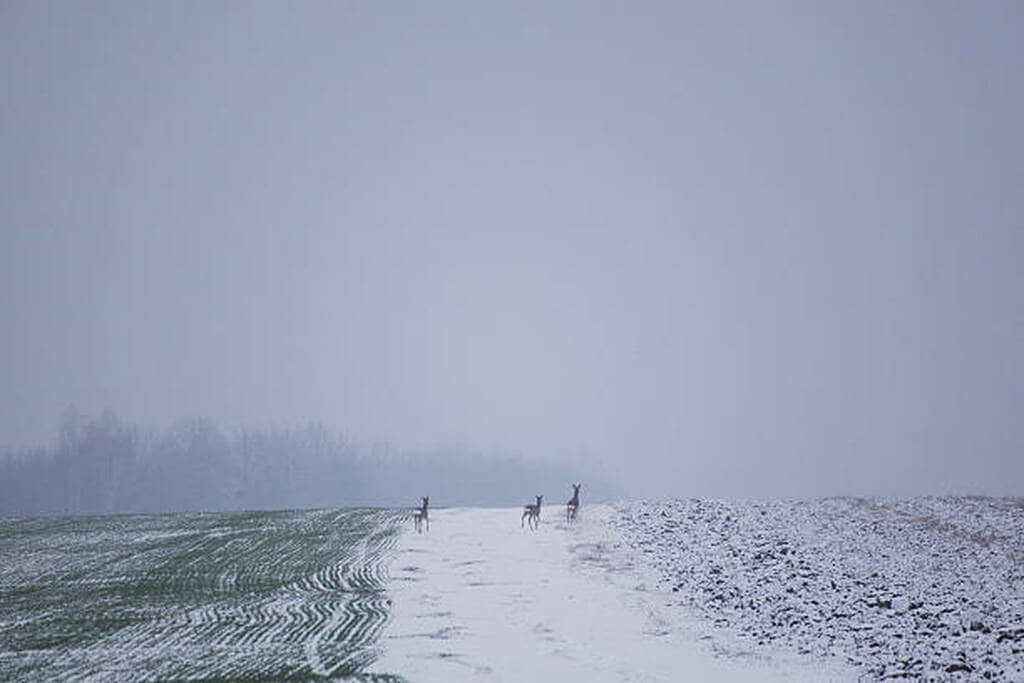
The best time to plant winter wheat for deer is typically 4–6 weeks before your area’s first average fall frost. Planting within this window gives the crop enough time to establish a healthy root system and produce tender green growth that attracts whitetails throughout the early hunting season. Plant too early, and mature wheat becomes less palatable. Plant too late, and seedlings may not develop enough forage before cold weather slows growth.
Choosing the right planting date is only one part of building a productive deer food plot. Soil temperature, rainfall, soil moisture, and regional climate all influence germination and forage production. Hunters in northern states often plant in late August, while those in the Midwest usually seed during September. In many southern states, planting extends into October because warmer temperatures allow winter wheat to establish later in the season.
This guide explains when to plant winter wheat for deer based on your region, frost dates, and growing conditions. You’ll also learn how late you can plant, what soil conditions produce the best results, how to establish a healthy food plot, and whether winter wheat performs better alone or in a seed mix with crops such as clover, brassicas, oats, or rye. By the end of this article, you’ll know how to maximize forage availability and keep deer returning to your food plot throughout the hunting season.
When Is the Best Time to Plant Winter Wheat for Deer?
The best time to plant winter wheat for deer is 4–6 weeks before the average first fall frost in your area. This planting window allows winter wheat to germinate, establish a strong root system, and produce fresh, highly palatable forage before cold temperatures slow growth. Young wheat is rich in moisture and nutrients, making it especially attractive to whitetail deer during early fall.
Planting within this timeframe also extends the period during which deer regularly visit the food plot. Instead of producing a flush of mature stems before hunting season, the wheat remains in an active vegetative stage that deer prefer to browse. As temperatures cool, natural food sources such as native forbs and agricultural crops begin to decline, increasing the value of a healthy winter wheat plot.
The ideal planting date should always be determined by local frost timing rather than the calendar alone. Areas with earlier frosts require earlier planting, while regions with longer growing seasons can delay seeding without sacrificing forage production. Using your local first frost date as the starting point produces more consistent results than planting on the same date every year.
Avoid planting too early or too late. Wheat seeded several months before the first frost may become overly mature, reducing its attractiveness to deer. Conversely, wheat planted shortly before freezing temperatures may not establish enough leaf growth to provide meaningful forage during the early hunting season.
When Should You Plant Winter Wheat in Different U.S. Regions?
Winter wheat planting dates vary across the United States because frost dates, soil temperatures, and growing seasons differ by region. Adjusting your planting schedule to local conditions is more effective than following a single nationwide recommendation.
Northern States
Hunters in northern states such as Minnesota, Wisconsin, Michigan, and northern New York generally achieve the best results by planting from late August through early September. The growing season is shorter, and early establishment helps the crop produce adequate forage before freezing temperatures arrive.
Midwest
In much of the Midwest, including Iowa, Illinois, Indiana, Missouri, Ohio, and Kansas, early to late September is typically the ideal planting period. Soil temperatures remain warm enough for rapid germination while cooler fall weather supports steady vegetative growth throughout hunting season.
Southern States
Hunters across southern regions, including Alabama, Georgia, Mississippi, Louisiana, Arkansas, Texas, and the Carolinas, often plant from late September through October, with some areas extending into early November. Warmer autumn temperatures allow winter wheat to establish later while still producing abundant forage during fall and winter.
Regardless of location, monitor both the weather forecast and soil moisture before planting. A timely rainfall shortly after seeding improves germination, promotes uniform emergence, and helps create a dense food plot that continues attracting deer throughout the hunting season.
What Conditions Help Winter Wheat Grow Successfully?
Winter wheat grows best when soil temperature, moisture, fertility, and seedbed preparation support rapid germination and early root development. Even if you plant at the right time, poor growing conditions can reduce emergence and limit the amount of forage available to deer.
Soil Temperature
The ideal soil temperature for winter wheat germination ranges from 50°F to 65°F (10–18°C). Within this range, seeds typically emerge within 5–10 days if adequate moisture is available. Germination slows as soil temperatures drop below 50°F and becomes inconsistent in colder soils.
Warm soil also encourages faster root development, allowing seedlings to establish before the first hard frost. This early growth increases forage production during the first weeks of hunting season.
Soil Moisture
Consistent soil moisture is essential for uniform germination. Winter wheat absorbs water immediately after planting, and dry conditions can delay or reduce emergence. If rainfall is not expected, many land managers wait until a forecast predicts at least 0.5–1 inch of rain within a few days after seeding.
Planting immediately before a soaking rain improves seed-to-soil contact naturally and helps seedlings emerge evenly across the food plot.
Soil pH and Fertility
Winter wheat performs best in soil with a pH between 6.0 and 7.0. Soil outside this range reduces nutrient availability and slows plant growth, even when fertilizer is applied.
A soil test should be completed before planting whenever possible. It identifies nutrient deficiencies and recommends the correct amount of lime, nitrogen, phosphorus, and potassium. Correcting soil fertility before planting produces healthier plants and increases forage yield throughout fall and winter.
Seedbed Preparation
Good seed-to-soil contact improves germination more than simply increasing the seeding rate. Remove excessive weeds, loosen compacted soil, and create a firm seedbed before broadcasting or drilling seed. After planting, lightly cultipacking or rolling the plot presses seed into the soil without burying it too deeply.
A well-prepared seedbed produces more uniform stands, allowing deer to browse evenly across the entire food plot instead of concentrating on isolated patches.
How Late Can You Plant Winter Wheat for Deer?
You can plant winter wheat later than the recommended window, but forage production declines as planting is delayed. The farther you move beyond the ideal planting period, the less time seedlings have to establish before cold weather slows growth.
Planting one to three weeks late usually produces acceptable results if soil temperatures remain warm enough for germination. Although growth may be reduced, the plot can still provide attractive green forage during portions of the hunting season.
Planting after the first hard frost carries greater risk. Seeds may still germinate if soil temperatures remain above freezing, but emergence is slower, root systems are weaker, and forage production is significantly lower. In northern states, late planting often limits food availability until spring. In southern states with mild winters, however, later planting can still produce productive food plots because the growing season continues well into the winter months.
If late planting is unavoidable, focus on maximizing germination. Plant immediately before rainfall, ensure excellent seed-to-soil contact, avoid planting too deeply, and apply fertilizer according to soil test recommendations. These practices help offset some of the disadvantages associated with delayed planting.
For hunters, the goal is not simply to establish winter wheat but to produce enough fresh forage during the weeks when deer movement is highest. A slightly late planting under favorable conditions is generally more productive than planting on schedule into dry, compacted soil.
How Do You Plant Winter Wheat for a Productive Deer Food Plot?
A productive winter wheat food plot depends on proper soil preparation, correct seeding depth, an appropriate seeding rate, and balanced soil fertility. These factors determine how quickly the crop establishes and how much forage it produces throughout the hunting season.
Prepare the Soil Before Planting
Start with a clean, firm seedbed. Remove existing weeds and vegetation using herbicides, tillage, or mowing, depending on your food plot management system. Excessive plant residue prevents seeds from reaching the soil and leads to uneven germination.
Before planting, perform a soil test to determine pH and nutrient levels. If the soil is too acidic, apply lime several months in advance to raise the pH into the recommended range of 6.0–7.0. Correcting soil chemistry improves nutrient uptake and promotes stronger root development.
Use the Correct Seeding Rate
Most deer food plots require 100–150 pounds of winter wheat seed per acre when planted alone. This seeding rate creates a dense stand capable of withstanding repeated browsing by deer.
When winter wheat is included in a seed mix with clover or brassicas, reduce the wheat rate according to the seed blend. Lower seeding rates minimize competition and allow companion crops to establish successfully.
Plant at the Right Depth
Plant winter wheat 1–1.5 inches deep for the highest germination rate. Seeds placed too close to the surface can dry out before sprouting, while seeds buried deeper than 2 inches often emerge slowly or fail to establish.
Whether broadcasting or drilling seed, achieving good seed-to-soil contact is more important than covering the seed with excessive soil. After broadcasting, lightly drag, cultipack, or roll the plot to press seed into the soil and improve moisture absorption.
Apply Fertilizer Based on Soil Test Results
Balanced fertility increases forage production and helps winter wheat recover from repeated deer browsing. Nitrogen drives leaf growth, phosphorus supports root development, and potassium improves plant health and cold tolerance.
Many food plot managers apply fertilizer at planting and, when appropriate, make a light nitrogen application later in the fall to encourage additional leafy growth. Avoid applying fertilizer without a soil test, as unnecessary nutrients increase costs without guaranteeing better results.
Should You Plant Winter Wheat Alone or in a Seed Mix?
Winter wheat performs well both as a standalone crop and as part of a diverse food plot mixture. The best option depends on your management goals, hunting strategy, and the length of time you want the plot to remain attractive to deer.
Plant Winter Wheat Alone
Plant winter wheat by itself if your primary goal is producing abundant, highly attractive forage during fall and early winter. A pure stand establishes quickly, tolerates heavy browsing, and is simple to manage. It is an excellent choice for newly established food plots or properties that receive significant hunting pressure.
Mix Winter Wheat with Clover
Combining winter wheat with clover extends the productivity of a food plot into spring and summer. Winter wheat provides rapid fall forage while clover develops more slowly and becomes the dominant food source after the wheat matures.
This combination also improves soil health because clover fixes atmospheric nitrogen, helping reduce future fertilizer requirements.
Mix Winter Wheat with Brassicas
A winter wheat and brassica blend creates multiple food sources throughout the hunting season. Deer typically browse young wheat soon after emergence, while brassicas become increasingly attractive after several frosts convert stored starches into sugars.
This seasonal transition helps maintain deer activity in the food plot from early fall through late winter.
Mix Winter Wheat with Oats or Rye
Adding oats or cereal rye increases resilience under changing weather conditions. Oats establish rapidly and attract deer early in the season but become less productive after hard freezes. Cereal rye tolerates poor soils, survives colder temperatures than winter wheat, and continues growing earlier in spring.
Using all three cereal grains creates a more consistent food source across a wider range of weather conditions.
Choose the Right Strategy for Your Property
A diverse seed mix generally produces the longest-lasting food plot, while a pure stand of winter wheat offers simpler management and predictable performance. Hunters managing larger properties often dedicate separate plots to different forage species, whereas smaller properties benefit from carefully balanced seed mixtures that provide nutrition throughout multiple seasons.
Why Do Deer Prefer Winter Wheat During Hunting Season?
Deer prefer winter wheat because it provides highly digestible, nutrient-rich forage when many natural food sources begin to decline. Young winter wheat contains high moisture levels and tender leaves, making it easier for whitetails to digest than mature grasses or woody browse.
During early fall, deer are recovering from summer stress and preparing for the rut. Bucks increase food intake to build energy reserves, while does continue supporting body maintenance before winter. Fresh winter wheat supplies carbohydrates and protein that help meet these seasonal nutritional demands.
Another reason winter wheat consistently attracts deer is its extended growing period. Unlike crops that mature quickly, winter wheat continues producing fresh leaves throughout much of fall and, in many regions, remains green well into winter. This steady forage availability encourages deer to return to the same food plot repeatedly.
Food plots planted near bedding cover or along established travel corridors become even more effective. Deer naturally prefer feeding areas that offer quick access to security cover, especially during daylight hours when hunting pressure increases.
Read more: Best Deer Food Plots for Sandy Soil | Complete Hunting Guide
What Mistakes Reduce the Success of a Winter Wheat Food Plot?
Most winter wheat failures result from a small number of preventable mistakes rather than poor seed quality. Correcting these issues significantly improves germination, forage production, and deer activity.
Planting Too Early
Planting far ahead of the recommended window allows winter wheat to mature before hunting season. Older plants become less tender, reducing their attractiveness compared with newly emerging vegetation.
Planting Too Late
Waiting until temperatures drop too low shortens the establishment period. Seedlings produce fewer leaves before winter, limiting the amount of forage available when deer begin relying on food plots.
Ignoring Soil Conditions
Poor soil pH, low fertility, and compacted ground reduce nutrient uptake and root development. Even high-quality seed cannot perform well if growing conditions are unfavorable.
Planting at the Wrong Depth
Seeds planted deeper than about 2 inches often emerge slowly or fail altogether, while seed left exposed on the surface is vulnerable to drying out or being eaten by birds. Maintaining the recommended planting depth and ensuring firm seed-to-soil contact greatly improve emergence.
Skipping Soil Testing
Applying fertilizer without understanding existing soil conditions often wastes money and may leave important nutrient deficiencies uncorrected. A soil test provides a reliable foundation for fertilizer and lime recommendations.
Overgrazing
Properties with exceptionally high deer populations may experience heavy browsing shortly after emergence. If young plants are repeatedly grazed before becoming established, forage production can decline throughout the season. Larger plots, multiple food plots, or temporary exclusion fencing can reduce grazing pressure during establishment.
Frequently Asked Questions About Planting Winter Wheat for Deer
Can you plant winter wheat after the first frost?
Yes, but success depends on soil temperature and regional climate. In southern states with mild winters, planting after the first frost can still produce useful forage. In northern regions, delayed planting often results in slower establishment and lower forage production.
Will deer eat winter wheat immediately after germination?
Yes. Deer often begin browsing winter wheat shortly after the first green shoots emerge. Heavy deer populations may start feeding within days of germination, especially when alternative forage is limited.
How many acres of winter wheat should you plant for deer?
The ideal food plot size depends on the local deer population and hunting property. Small hunting properties often establish plots between 0.5 and 2 acres, while larger properties may maintain multiple food plots totaling several acres to distribute browsing pressure and attract deer across different hunting locations.
Does winter wheat come back every year?
Winter wheat is generally grown as an annual forage crop. If allowed to mature and produce seed, some volunteer plants may emerge the following season, but most hunters replant each year to ensure consistent forage quality and optimal food plot performance.
Is winter wheat better than oats for hunting season?
Neither crop is universally better because each performs differently under changing conditions. Oats establish quickly and provide excellent early-season attraction but lose productivity after prolonged freezing temperatures. Winter wheat grows slightly more slowly, tolerates colder weather, and typically provides forage deeper into winter. Many hunters combine both crops to extend attraction throughout the hunting season.