
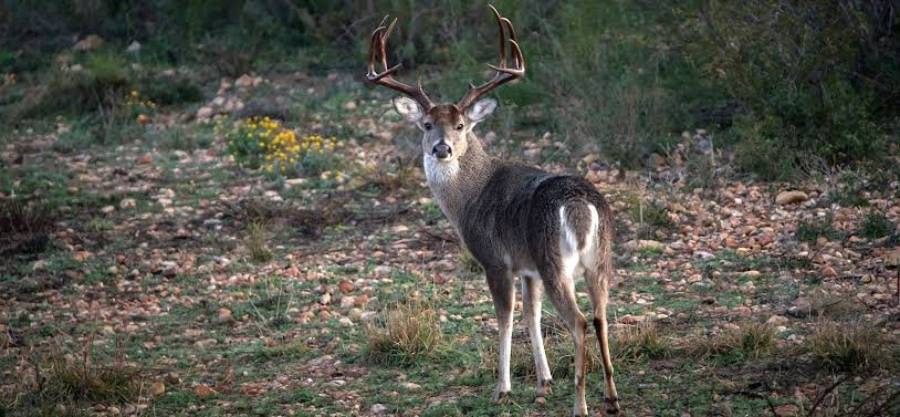
Yes, deer can remember reliable food sources and return to locations where they have previously found food. Deer use spatial memory and repeated experience within their home range to associate specific locations with resources such as acorns, agricultural crops, browse, food plots, and other dependable feeding opportunities.
Remembering a food source, however, does not guarantee that a deer will continue visiting it on the same schedule. Food availability, seasonal preference, and perceived danger are 3 major factors that determine whether a known feeding area remains worth visiting. A deer may remember exactly where a productive oak stand or food plot is located but reduce its visits when the food disappears, a more attractive resource becomes available, or human activity increases around the area.
This distinction between memory and actual use matters to hunters. A familiar food source can influence deer travel routes and feeding patterns, but hunting pressure can change when and how deer approach it. Deer may use different routes, reduce daylight activity, or shift their feeding behavior rather than simply forgetting the location. Understanding how deer remember food sources therefore helps hunters interpret movement patterns, trail-camera activity, seasonal feeding changes, and signs of hunting pressure more accurately.
Do Deer Remember Food Sources?
Yes, deer remember food sources and can return to feeding locations that have provided reliable food in the past. Deer do not need to rediscover every feeding area each day. Familiarity with their home range allows them to reuse locations where previous feeding attempts were successful, particularly when those locations continue to provide an attractive food source.
A remembered food source can include a specific location rather than just a particular type of food. For example, a deer that repeatedly feeds around a productive group of oak trees can become familiar with that feeding area, the surrounding cover, and the routes connecting it with other parts of its range. The same principle applies to agricultural fields, food plots, natural browse, fruit-producing trees, and other recurring food sources. Repeated successful visits give the location continued value within the deer’s movement pattern.
Remembering a food source and returning to it are not the same behavior. Memory gives deer information about where food has been available, while current conditions determine whether using that location is worthwhile. A remembered feeding area becomes less attractive when its food is depleted, another resource becomes more nutritious or abundant, or the risk associated with reaching the location increases.
This distinction is especially important for hunters. The sudden disappearance of a deer from a food plot does not prove that the animal has forgotten the location. The deer may still recognize the food source while changing its route, timing, or frequency of use. A hunter therefore needs to evaluate both the food source and the conditions surrounding it before assuming that a previously consistent feeding pattern has ended.
How Do Deer Remember Where Food Is Located?
Deer remember where food is located by learning the spatial relationships between feeding areas and other familiar locations within their home range. Repeated movement through the same landscape gives a deer experience with where resources occur and how those resources can be reached from bedding cover, travel corridors, and other frequently used areas.
Repeated feeding reinforces this familiarity. A location that consistently provides food gives the deer a reason to revisit it, while successful return trips provide additional experience with the same area. For example, repeated access to an oak stand producing acorns gives a deer information not only about the food itself but also about the location of the stand and the routes used to reach it. When that resource remains valuable, previous experience can contribute to repeated use.
Environmental features also help make feeding locations part of a larger spatial pattern. Deer move through landscapes containing recognizable terrain, vegetation, cover, openings, bedding areas, and travel routes. A food source therefore does not exist as an isolated point. Its usefulness is connected with where it sits within the deer’s familiar range and how safely the animal can move between that food and other resources.
For hunting purposes, this means a food source should be evaluated together with the surrounding landscape. Finding a heavily used food plot or mast-producing area identifies only one part of the movement pattern. The routes between bedding cover, secure travel corridors, and the remembered food source can provide more useful information about where deer are likely to move, especially before they reach an exposed feeding area.
How Long Do Deer Remember a Food Source?
There is no established number of days, months, or years that defines exactly how long deer remember a food source. Deer can retain familiarity with feeding locations through repeated experience, but the practical value of that memory depends on whether the location continues to provide food. For hunters, the more useful question is not simply how long a deer remembers a location, but how long that location remains relevant to the deer.
A frequently used feeding area has greater behavioral importance when it repeatedly provides a valuable resource. For example, deer may become familiar with an oak-covered ridge that produces acorns, an agricultural field that provides seasonal crops, or an established food plot within their home range. When the same resource becomes attractive again, familiarity with the location can contribute to renewed use without requiring the deer to encounter the area as if it were completely unfamiliar.
Food-source memory should therefore be separated from a daily feeding routine. A deer can stop visiting a location regularly while retaining familiarity with it. An acorn-producing area may receive heavy use when mast is available and little use after that food has been consumed. Likewise, changes in crop availability, browse quality, or alternative forage can shift feeding activity elsewhere even though the original location remains within the deer’s familiar range.
Hunters should avoid treating an old feeding pattern as a permanent pattern. Historical trail-camera activity, tracks, droppings, and previous sightings can show that deer have used an area, but current food conditions determine whether that information remains useful. Past use identifies a known food source; fresh sign confirms that deer are currently using it.
Will Deer Keep Returning to the Same Food Source?
Deer can repeatedly return to the same food source when it continues to provide attractive food and the perceived risk of using the area remains acceptable. A dependable feeding location can become part of a recurring movement pattern, particularly when it lies within practical traveling distance of secure cover or bedding areas.
Three conditions are especially important: food must remain available, competing food sources must not become substantially more attractive, and the deer must be willing to accept the risk associated with visiting the location. When these conditions remain relatively stable, repeated visits can produce recognizable patterns. Hunters may observe the same deer using a field edge, food plot, oak stand, or travel corridor on multiple occasions.
Repeated use does not mean deer will arrive at exactly the same time every day. Location consistency and timing consistency are separate behaviors. A deer may continue returning to the same feeding area while changing when it arrives. Weather conditions, human disturbance, hunting pressure, bedding location, and changes in surrounding cover can alter the timing or route of a visit without eliminating use of the food source itself.
This distinction matters when interpreting trail-camera data. For example, a buck that previously appeared at a food plot before sunset may begin appearing there after dark while continuing to use the same location. The food source has not necessarily lost its value, and the deer has not necessarily forgotten it. Instead, the conditions surrounding access to that food source may have changed.
Hunters should therefore look for changes in frequency, timing, and approach routes rather than treating deer movement as a simple pattern of returning versus not returning. A remembered food source provides one predictable element, but current food value and perceived risk determine how that memory translates into actual movement.
Which Food Sources Are Deer Most Likely to Remember?
Deer are most likely to repeatedly use food sources that are reliable, valuable, and accessible within their familiar range. For hunters, important examples include food plots, agricultural crops, acorns and other mast, natural browse, fruit-producing trees, and established feeding locations. The key factor is not simply the type of food but whether a location repeatedly provides a worthwhile feeding opportunity.
Reliability strengthens the relationship between a deer and a feeding location. A productive food plot, for example, can provide forage over an extended period, while a concentrated mast source can create a temporary but highly attractive feeding area. Repeated successful feeding gives deer experience with the location and the routes used to reach it. This makes established food sources more useful for predicting movement than isolated food discoveries that disappear quickly.
Food value also changes throughout the year. Deer do not treat every remembered feeding area as equally important at all times. An agricultural field can become attractive when a preferred crop is available, while an oak stand can gain importance when acorns begin falling. Natural browse can become more important when other concentrated resources decline. A remembered food source becomes behaviorally important when memory and current food availability overlap.
Hunters should therefore identify both the food source and its current condition. A location that produced substantial deer activity several weeks earlier may lose that activity when the resource declines or another food becomes more attractive nearby. Fresh tracks, droppings, browsing evidence, trail-camera activity, and observations can help distinguish a historically productive food source from one deer are actively using now.
Do Deer Return to Seasonal Food Sources Each Year?
Deer can return to familiar seasonal feeding areas when those locations begin providing attractive food again. Seasonal resources create recurring opportunities because their availability changes throughout the year rather than remaining constant. Familiarity with these locations can help deer reuse them when conditions again make the resource valuable.
Mast-producing areas provide a clear example. An oak stand can receive relatively little feeding activity when acorns are unavailable and substantially more activity when acorns begin falling. Similar shifts can occur around agricultural crops and fruit-producing trees. The location may remain familiar throughout the year even though its importance within the deer’s feeding pattern rises and falls with food availability.
Annual return should not be interpreted as a guaranteed schedule. A deer remembering a seasonal food source does not guarantee that the same location will produce identical deer activity every year. Food production can change, competing resources can become available elsewhere, habitat conditions can shift, and human disturbance can alter how deer use the surrounding area. Individual deer may also change their movement patterns over time.
This variability has practical consequences for hunters scouting locations that were productive during previous seasons. Historical knowledge can identify areas worth checking, but current conditions should determine whether those areas deserve hunting attention. A productive oak stand from the previous season, for example, becomes more relevant when current mast production and fresh deer sign confirm active use.
The strongest approach is therefore to combine historical feeding patterns with current evidence. Previous use indicates that deer are familiar with a location, while current food availability and fresh sign show whether that remembered location has again become part of their active feeding pattern.
What Makes Deer Stop Returning to a Food Source?
There are 6 main reasons deer stop regularly returning to a known food source: declining food availability, better food elsewhere, human disturbance, hunting pressure, changes in cover or access, and seasonal shifts in feeding priorities. A deer can remain familiar with a feeding location even after its actual use of that location decreases or stops.
Food availability is the most direct reason for a change. A feeding area loses value when deer consume much of the available forage, crops mature or are harvested, mast becomes scarce, or the nutritional quality of vegetation changes. Memory does not make an unproductive location valuable. Deer can shift toward another known feeding area when it provides a better current food opportunity.
Alternative food sources can cause an abrupt change even when food remains at the original location. For example, deer using a food plot may redirect their feeding activity when acorns become abundant in nearby timber. This change does not necessarily indicate that something disturbed the deer at the food plot. The alternative resource may simply provide a more attractive feeding opportunity at that point in the season.
Human disturbance and hunting pressure add another variable: perceived risk. Repeated human activity near a feeding area, access routes, or surrounding cover can affect how deer use the location. A deer does not have to completely abandon the food source. It can reduce visit frequency, approach from another direction, spend less time in exposed areas, or use the location at a different time.
Changes in habitat can also alter the value of a remembered feeding area. Logging, agricultural activity, vegetation growth, loss of screening cover, new access routes, and other landscape changes can affect how securely deer can travel between feeding and bedding areas. The food may remain available while the route required to reach it becomes less attractive.
Seasonal movement creates another reason for declining use. Deer feeding priorities change as available resources change, so a heavily used location during one part of the season can receive substantially less activity later. A decline in visits should therefore be interpreted as a change in current food value or movement conditions before it is interpreted as evidence that deer forgot the location.
For hunters, fresh evidence is more useful than relying exclusively on past activity. Compare current food availability with tracks, droppings, browsing, trail-camera observations, and travel-route activity. This helps determine whether deer have abandoned the general area, shifted to another food source, or simply changed how they approach a familiar one.
Do Deer Remember Places Where They Were Spooked?
Deer can associate familiar areas with danger, so being disturbed near a food source can change how they use that location without requiring them to forget the food source itself. For a hunter, the important consequence is behavioral change: a deer that still has a reason to use the food source may alter when, how often, or from which direction it approaches.
The intensity and repetition of disturbance matter. A single disturbance does not automatically mean a deer will permanently abandon a productive feeding area. Continued human presence around the same location creates a different situation because the deer repeatedly encounters risk where it previously obtained food. The resulting trade-off is between the value of the food and the perceived cost of reaching it.
A deer can respond by changing its approach rather than completely leaving. For example, an animal that previously entered an exposed food plot through one travel route may spend more time in surrounding cover, use another route, or delay entering the open area. This distinction matters because a hunter watching only the food source could conclude that the deer disappeared even when it continues moving nearby.
This is also why hunter access can influence a feeding-area setup before the actual hunt begins. Repeatedly walking through a travel corridor, checking a location, or creating disturbance near cover can change the conditions surrounding a known food source. The deer may still recognize the feeding opportunity while becoming less willing to use it under the same circumstances.
Food memory and danger association can therefore exist at the same time. A deer can know where a valuable food source is located while also treating the surrounding area as risky. For hunters, recognizing that distinction helps explain why deer sometimes continue using productive feeding areas but become harder to observe during expected hunting periods.
How Does Hunting Pressure Change Deer Behavior Around Food Sources?
Hunting pressure can change when, how often, and by which route deer approach a familiar food source. The presence of attractive food does not remove the need for security. When deer repeatedly encounter human activity around a feeding area, the perceived risk of using that location increases, which can change an established feeding pattern even when the food remains available.
This behavioral change is important because reduced daylight activity does not necessarily mean deer have stopped using the food source. A deer may continue traveling toward the same food plot, agricultural field, or mast-producing area while spending more time in cover before entering it. It may also approach from a different direction or reduce the frequency of visits. From a hunter’s perspective, the food source appears less productive even though deer still include it within their movement pattern.
The location of hunting pressure also matters. Disturbance directly at a feeding area can affect use of the destination, while disturbance along an access route can affect how deer reach it. Repeated activity between bedding cover and a food source can therefore alter movement before deer ever reach the feeding location. This is why evaluating only the food itself provides an incomplete picture of deer behavior.
Hunters should compare activity before and after increased pressure instead of assuming every change has the same cause. Trail-camera timestamps, fresh tracks, entry routes, and observations from surrounding cover can reveal whether deer have reduced their use of the area or simply changed the timing and route of their visits. The practical distinction is between food-source abandonment and behavioral adjustment around a remembered food source.
Can Hunting Pressure Make Deer Visit Food Sources After Dark?
Hunting pressure can contribute to deer shifting their use of exposed food sources toward lower-risk periods, including after dark. However, nighttime trail-camera activity alone does not prove that hunting pressure caused the shift. Deer movement also changes with season, weather, food availability, reproductive behavior, and conditions elsewhere within the home range.
The shift can occur when a deer continues to value a food source but becomes less willing to enter it during periods associated with human activity. For example, a deer may remain within secure cover during daylight and enter an open food plot later. In this situation, the feeding location remains part of its routine, but the timing of use has changed.
This distinction prevents hunters from drawing the wrong conclusion from trail-camera data. If a buck disappears from daylight photos but continues appearing at the same food source at night, the evidence shows a change in timing rather than proof that the buck abandoned the area. Cameras placed along surrounding travel routes can help determine whether the deer is reaching the general area earlier and staging in cover before entering the food source.
Hunters can reduce unnecessary pressure by considering how they enter, hunt, monitor, and leave a feeding area. The goal is not to assume that a remembered food source makes deer movement permanently predictable. Food gives deer a reason to return, while perceived risk helps determine when and how they make that return.
How Can Hunters Use Food Sources to Predict Deer Movement?
Hunters can use repeatedly visited food sources to identify likely deer movement patterns, but the most useful prediction comes from connecting food with bedding cover, secure travel routes, wind, and hunting pressure. A food source identifies where deer have a reason to go. It does not by itself reveal exactly when they will arrive or which route they will use.
Start by examining the relationship between a feeding area and nearby security cover. Deer traveling from bedding areas toward food must move through the landscape between these two resources. Terrain features, vegetation, edges, creek crossings, funnels, and dense cover can concentrate or influence that movement. A productive food source therefore becomes more useful to a hunter when its likely connections with bedding and travel cover are also identified.
The basic relationship can be viewed as bedding area → secure travel route → food source. However, deer do not necessarily follow one fixed route every time. Wind conditions, disturbance, changes in cover, alternative foods, and previous encounters with danger can alter how an animal approaches a familiar feeding location. Hunters should treat a travel route as a probable movement path rather than a guaranteed one.
Fresh sign can help determine whether a predicted route is currently active. Tracks, droppings, browsed vegetation, trails, and repeated observations provide evidence that deer are moving between specific areas. The location of sign also matters. Heavy sign directly inside a feeding area confirms use of the destination, while fresh sign along connecting cover can reveal how deer are reaching it.
Hunters should also distinguish between where deer feed and where they can realistically be encountered during legal hunting hours. A deer may remember and consistently use a food source but reach an exposed feeding area only after dark. In that situation, movement through secure cover between bedding and feeding locations may provide more information than activity directly on the food source.
How Can Trail Cameras Confirm Deer Are Returning to a Food Source?
Trail cameras can confirm repeated food-source use by documenting individual deer, visit frequency, time of use, direction of travel, and changes in activity over multiple observations. A single image confirms presence at one moment; a sequence of observations provides stronger evidence of a recurring movement pattern.
Camera data becomes more useful when hunters compare visits rather than focusing on individual photographs. For example, repeated images of the same buck approaching a feeding area from the same direction can indicate a frequently used route. If its appearance shifts from daylight to nighttime while the deer continues visiting, the data indicates a change in timing rather than complete abandonment of the food source.
Camera placement can also help separate feeding activity from travel activity. A camera positioned only at a food plot shows when deer reach that destination. A camera positioned on a connecting trail can provide information about when deer approach or leave the area. Comparing these observations can help determine whether deer spend time in nearby cover before entering an exposed food source.
Hunters should look for patterns across multiple observations, including which deer appear, when they appear, how frequently they return, and where they come from. Changes in these variables can indicate shifts in food availability or perceived risk. For example, continued nighttime photographs combined with declining daylight activity may justify examining hunting pressure or access patterns rather than concluding that deer no longer value the food source.
Trail-camera information is most valuable when combined with current field conditions. Cameras document behavior at specific locations, while food availability, fresh sign, bedding cover, wind, and hunting pressure provide the context needed to interpret that behavior. Together, these observations help hunters determine whether a remembered food source is still influencing current deer movement.
Read more: Do Deer Change Home Ranges as They Age?
Do Mature Bucks Remember Food Sources?
Mature bucks can remember familiar food sources, but there is not enough evidence to conclude that mature bucks have better food-source memory than younger deer. The more useful distinction for hunters is how age, accumulated experience, and risk avoidance can affect the way a mature buck uses a known feeding location.
An older buck has had more opportunities to experience food sources, travel routes, seasonal changes, and human disturbance within areas it has previously occupied. That experience can influence behavior around familiar feeding locations. However, greater experience should not be treated as evidence of a biologically superior memory system. The observable difference may instead come from how the animal responds to risk while using information gained through previous experience.
This distinction becomes important around exposed food sources. A mature buck can remain familiar with a productive field, food plot, or mast area without consistently entering it during daylight. It may approach through thicker cover, use a different travel route, stage near the feeding area, or arrive later than other deer. A hunter who monitors only the open feeding location could therefore underestimate how frequently the buck uses the surrounding area.
For hunting purposes, do not assume that the absence of a mature buck from a food source means it has forgotten the location. Examine nearby cover, travel routes, fresh sign, and trail-camera activity before reaching that conclusion. The buck may still be using the food source as part of its movement pattern while reducing its exposure in areas where it perceives greater risk.
Do Deer Remember Food Plots and Feeders?
Deer can remember the locations of food plots and established feeders when those places repeatedly provide food. Both can become familiar feeding locations through repeated use, although the way deer use them depends on food availability, surrounding cover, disturbance, and perceived risk.
Food plots can provide a recurring resource within a deer’s familiar range. Deer that repeatedly feed in a plot can become familiar with both the feeding location and the routes surrounding it. However, use can increase or decrease as plant growth, forage quality, alternative foods, hunting pressure, and seasonal feeding priorities change. A known food plot therefore does not guarantee consistent daily activity.
Feeders can also create a predictable food location where their use is permitted. Repeated access gives deer opportunities to associate the location with food, which can produce recurring visits. Predictable food availability, however, does not make deer indifferent to danger. Human activity around a feeder can influence when and how deer approach it, just as disturbance can affect the use of other concentrated food sources.
Do Deer Remember Food Plots?
Yes, deer can remember food plots that have repeatedly provided an attractive food source. Familiarity with a plot can contribute to repeated use when the forage remains valuable and the surrounding conditions allow deer to access it at an acceptable level of risk.
Hunters should not assume that planting a food plot creates a permanent movement pattern. Forage quality changes during the growing season, competing natural foods become available, and hunting activity can alter visitation. Current deer sign and repeated observations are therefore more useful than the existence of the plot alone when determining whether deer are actively using it.
Do Deer Remember Where Feeders Are?
Yes, deer can learn and remember locations where feeders repeatedly provide food. A consistent feeder can become one of several known feeding opportunities within a deer’s range, and repeated successful visits can contribute to recurring use of the location.
A remembered feeder should still be evaluated as part of the surrounding landscape. Bedding cover, approach routes, human activity, and alternative food sources can influence when deer visit it. A deer may continue using the feeder while changing its visitation time or approach after disturbance.
Hunters must also consider local wildlife and hunting regulations before using feeders or hunting around them. Rules governing supplemental feeding, baiting, feeder placement, and hunting near feed vary by jurisdiction. The fact that deer can remember and repeatedly visit a feeder does not determine whether using that feeder for hunting purposes is legal.