
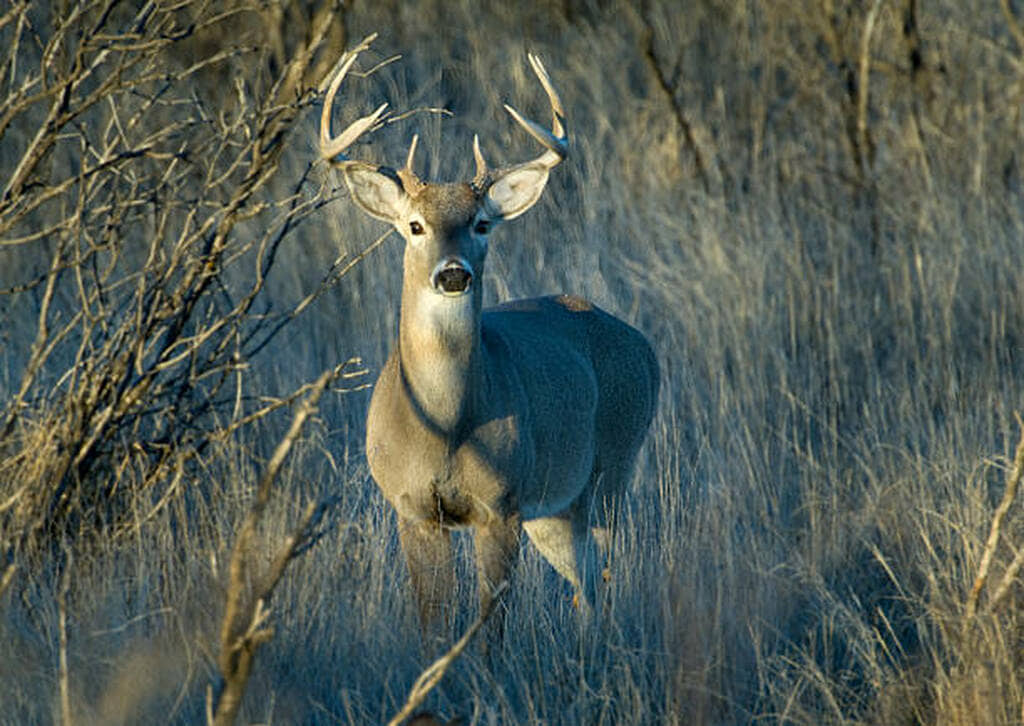
Texas deer season does not start on a single statewide date. The opening day depends on the hunting season, such as archery, general, youth-only, or muzzleloader, as well as the hunting zone where you plan to hunt. The Texas Parks and Wildlife Department (TPWD) sets these dates annually to manage deer populations, support conservation efforts, and provide fair hunting opportunities across different regions of the state.
Knowing when deer season starts is only one part of planning a successful hunt. Hunters also need to understand which season applies to their location, what license is required, and which regulations govern legal hunting. Requirements such as bag limits, antler restrictions, legal shooting hours, and tagging rules can vary depending on the species, county, and hunting area. Reviewing these details before opening day helps hunters avoid violations and prepare for a safe, legal hunt.
This guide explains when deer season starts in Texas, breaks down the different season dates, compares the North Zone and South Zone schedules, and covers the licenses, regulations, and preparation steps every hunter should know before heading into the field. Whether you are hunting white-tailed deer for the first time or planning another season in Texas, this article provides the essential information to help you hunt confidently and legally.
When does deer season start in Texas?
Texas deer season starts on different dates depending on the hunting season and the area where you plan to hunt. There is no single opening day that applies across the entire state. Instead, the Texas Parks and Wildlife Department (TPWD) establishes separate schedules for archery, general, youth-only, and muzzleloader seasons while also dividing much of the state into the North Zone and South Zone for white-tailed deer hunting.
This approach allows wildlife managers to align hunting opportunities with regional deer populations, breeding cycles, and habitat conditions. Because deer behavior and population density vary across Texas, season dates are designed to support sustainable harvests while maintaining healthy herds. Hunters should always confirm the current year’s season dates before making travel plans or purchasing permits, as annual adjustments may occur.
For most hunters, the general deer season receives the most attention because it offers the longest hunting period and applies to the majority of licensed hunters. However, archery hunters can begin earlier, while youth-only and muzzleloader seasons provide additional opportunities under specific regulations. Understanding which season applies to your hunting method is the first step toward planning a legal and successful hunt.
What are the Texas deer season dates?
Texas offers four primary deer hunting seasons, each serving a different group of hunters and hunting methods. Knowing the purpose of each season helps you determine when you can legally hunt and what equipment you may use.
Archery season
Archery season is typically the first deer season to open each year. It allows hunters using legal archery equipment, such as compound bows, recurve bows, longbows, and approved crossbows where permitted, to hunt before the general firearm season begins. Early-season conditions often feature warmer weather and predictable deer feeding patterns, making scouting especially valuable.
General deer season
General deer season is the primary hunting season for most Texas deer hunters. During this period, hunters may use legal firearms or archery equipment in accordance with state regulations and local restrictions. The exact opening and closing dates vary between the North Zone and South Zone, making it essential to identify the correct hunting area before planning a trip.
Youth-only season
Youth-only season gives young hunters an opportunity to hunt before or after the general season under adult supervision. The season is designed to introduce new hunters to safe and ethical hunting practices while reducing hunting pressure compared with regular season dates. Participants must meet the state’s age and licensing requirements.
Muzzleloader season
Muzzleloader season provides an additional hunting opportunity after the general season in eligible counties. Hunters may only use legal muzzleloading firearms that meet Texas regulations. Because this season is available only in designated areas, hunters should verify county eligibility before heading into the field.
How do deer season dates differ between the North Zone and South Zone?
Texas divides most white-tailed deer hunting into the North Zone and South Zone, with each zone following its own season schedule. These separate calendars allow the Texas Parks and Wildlife Department (TPWD) to manage deer populations based on regional habitat, breeding activity, and herd health rather than applying a single statewide season.
The North Zone generally opens earlier in the fall and closes earlier than the South Zone. Hunters in this region typically experience cooler temperatures during the opening weeks of the season, while deer activity gradually increases as the rut approaches. Because environmental conditions vary across northern Texas, the season is structured to balance hunting opportunities with long-term wildlife management goals.
The South Zone usually has a later opening date and a longer hunting period. South Texas supports one of the nation’s most recognized white-tailed deer habitats, and the breeding season occurs later than in many northern counties. Extending the season helps align hunting opportunities with local deer behavior and provides additional flexibility for hunters pursuing mature bucks.
Although most counties fall within either the North Zone or South Zone, some counties have special regulations or additional opportunities. Hunters should always verify the county where they intend to hunt before opening day, since season dates, legal methods, and harvest restrictions may differ from neighboring counties.
What hunting license and regulations do you need before deer season?
Every deer hunter in Texas must meet the state’s licensing and hunting requirements before entering the field. Purchasing a hunting license is only the first step. Hunters are also responsible for understanding season-specific regulations that determine when, where, and how deer may be harvested.
A valid Texas hunting license is required for both residents and nonresidents unless a legal exemption applies. Depending on the hunting location, additional permits or access permits may also be required, particularly for certain public hunting areas. Purchasing the correct license before opening day helps avoid penalties and ensures compliance with state law.
Hunter education is another important requirement. Texas requires many hunters born after a specified date to complete an approved hunter education course or meet the state’s temporary deferral requirements. The program covers firearm safety, ethical hunting practices, wildlife conservation, and safe hunting techniques, reducing the risk of accidents in the field.
Hunters must also follow bag limits and antler restrictions. Bag limits determine the maximum number of deer that may be harvested during a season, while antler restrictions help protect younger bucks and promote healthier age structures within deer populations. These regulations vary by county, so checking local rules before hunting is essential.
In addition, hunters must comply with legal shooting hours and tagging requirements. Deer harvested during the season must be tagged according to TPWD regulations before being transported. Following these procedures supports wildlife management, improves harvest reporting, and helps conservation officers enforce hunting laws throughout the state.
Reviewing all applicable regulations before opening day prevents costly violations and allows hunters to focus on a safe, ethical, and successful deer season.
Where can you hunt deer in Texas?
Texas offers deer hunting opportunities on both private and public land, but the rules and access requirements differ significantly. Choosing the right hunting location affects not only your chances of success but also the permits, regulations, and hunting methods you must follow.
Private land accounts for the vast majority of deer hunting in Texas. Many hunters own property, lease hunting land, or book guided hunts through outfitters. Private properties often provide better habitat management, lower hunting pressure, and greater flexibility in planning a hunt. However, hunters must always obtain permission from the landowner before entering private property.
Public hunting land provides an affordable alternative for hunters who do not have access to private property. Texas manages hundreds of public hunting areas, including Wildlife Management Areas (WMAs), state parks with designated hunting programs, and federal lands. Some locations require an Annual Public Hunting Permit in addition to a valid hunting license, while others operate through drawn hunts or special access programs.
Another option is the Managed Lands Deer Program (MLDP). This wildlife management program allows qualified landowners to manage deer populations under customized harvest plans approved by TPWD. Properties enrolled in the program may follow season dates and harvest recommendations that differ from the standard statewide schedule. Hunters participating in an MLDP property should follow the property’s specific management plan rather than relying solely on the general season calendar.
Regardless of where you hunt, always confirm property boundaries, local regulations, and access requirements before opening day.
Read more: How to Field Dress a Deer Step by Step for Beginners
How can you prepare before deer season starts?
Preparing before opening day increases both hunting success and safety. Completing several essential tasks ahead of the season helps avoid unnecessary delays and ensures compliance with Texas hunting regulations.
Purchase your hunting license well before the season begins. Waiting until the last minute can create unnecessary complications, especially if additional permits or public hunting access are required.
Review the current TPWD Outdoor Annual to confirm season dates, county regulations, bag limits, and any changes introduced for the current year. Hunting regulations may change from one season to the next, making last year’s information unreliable.
Scout your hunting location before opening day whenever possible. Identifying travel corridors, feeding areas, bedding cover, and water sources allows you to develop a hunting strategy before deer become pressured by increased hunting activity.
Inspect all hunting equipment in advance. Firearms should be cleaned and sighted in, bows should be properly tuned, and essential gear such as binoculars, rangefinders, safety harnesses, knives, first aid supplies, and navigation devices should be checked for proper operation.
Finally, monitor weather forecasts during the days leading up to the hunt. Temperature changes, wind direction, and rainfall can influence deer movement and help determine the most productive hunting locations and times.
What are the most common questions about Texas deer season?
Does deer season start on the same date every year?
No. While many season dates remain similar from year to year, TPWD publishes official hunting regulations annually. Hunters should always verify the current season schedule before planning a hunt.
Can nonresidents hunt deer in Texas?
Yes. Nonresidents may legally hunt deer in Texas after purchasing the appropriate nonresident hunting license and meeting all applicable state regulations, including hunter education requirements when required.
Can you hunt deer without a license?
No. Most hunters must possess a valid Texas hunting license before harvesting deer. Hunting without the required license may result in citations, fines, loss of hunting privileges, or other legal penalties unless a specific exemption applies under state law.
Where can you find the official Texas deer season dates?
The official deer season dates are published each year by the Texas Parks and Wildlife Department (TPWD). Hunters should use the current TPWD Outdoor Annual as the primary source for season dates, county regulations, legal hunting methods, bag limits, and any emergency rule changes that may affect the upcoming season.