
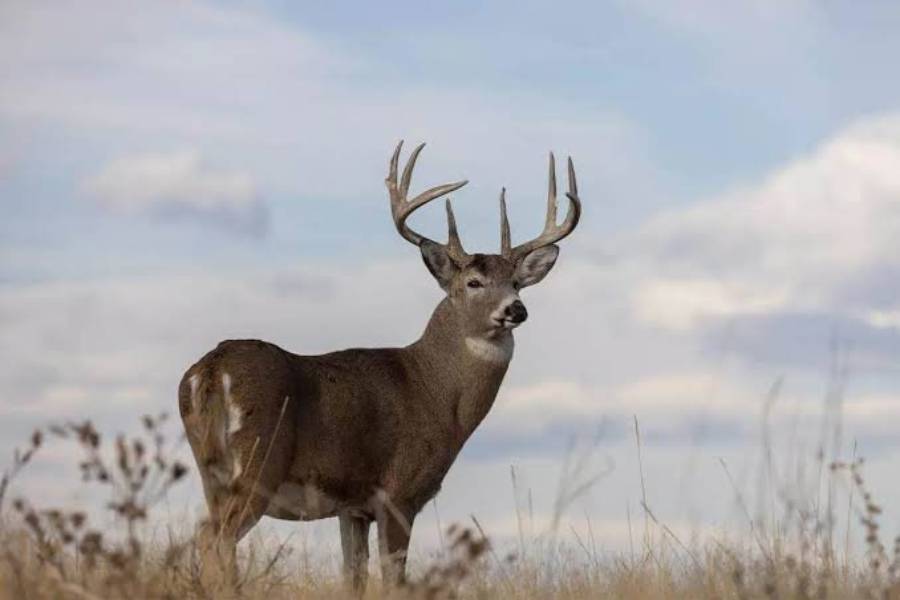
Deer suddenly start moving more during daylight when breeding activity, weather changes, shifting food sources, or changes in hunting pressure alter their normal movement patterns. Whitetail deer are commonly most active around dawn and dusk, but their daily schedule is not fixed. A change in seasonal conditions or immediate surroundings can cause deer to leave bedding areas, visit feeding areas, or travel between cover during full daylight.
The timing of the change provides an important clue. Increased buck movement during the rut is often connected to searching for does rather than feeding. A cold front or sharp temperature change can coincide with a temporary shift in activity, while changing food availability can redirect deer toward different feeding areas and travel corridors. Hunting pressure also matters because repeated human disturbance can change when and where deer are willing to move.
For hunters, one daylight sighting does not establish a new pattern. The useful question is what changed immediately before daylight activity increased and whether the same conditions are likely to occur again. Comparing rut activity, recent weather, active food sources, hunting pressure, and trail-camera observations helps determine why deer are suddenly moving during daylight and whether that movement represents a repeatable hunting opportunity.
Why Are Deer Suddenly Moving During Daylight?
Deer suddenly move during daylight mainly because breeding activity, weather changes, food-source shifts, or hunting pressure has changed their normal movement schedule. Deer movement is dynamic rather than fixed, so a buck or doe that previously traveled after dark can begin using the same route during legal shooting hours when one of these conditions changes.
Breeding activity is one of the strongest seasonal reasons for a noticeable change. As the rut approaches, bucks spend more time traveling, checking areas used by does, and searching for breeding opportunities. This additional travel can extend beyond their previous dawn, dusk, or nighttime movement windows. A hunter who has recorded a buck only after dark may therefore begin seeing the same animal on a trail camera at 9 a.m., noon, or in the afternoon as breeding activity increases.
Weather can also coincide with abrupt changes in deer activity. A substantial temperature drop, an approaching or departing weather system, strong wind, or precipitation can change when deer feed and travel. The important variable is not simply whether the day is cold. Hunters should compare current conditions with those of the preceding days because a rapid change in conditions can be more informative than the absolute temperature alone.
Food availability creates another movement trigger. Deer adjust their travel when preferred foods become available, decline, or disappear. Acorn drops, changing mast availability, crop harvests, and changes in agricultural food sources can redirect deer from one feeding area to another. This can make daylight activity appear to increase even when the more significant change is where deer are traveling.
Hunting pressure works in the opposite direction in many situations. Repeated encounters with hunters, scent around access routes, vehicle traffic, and disturbance near bedding or feeding areas can cause deer to alter when and where they travel. A later reduction or relocation of that pressure can correspond with deer appearing in daylight again. For this reason, a sudden increase in daylight sightings should be evaluated against both natural conditions and recent human activity.
The key is to identify what changed at approximately the same time as the deer movement changed. A single daylight encounter provides limited evidence. Several observations under similar conditions are more useful for distinguishing a repeatable movement pattern from an isolated event.
Does the Rut Make Deer Move More During Daylight?
The rut can increase daylight deer movement because breeding activity causes bucks to spend more time traveling and searching for receptive does. This changes the purpose of their movement. A buck that previously followed a relatively predictable bedding-to-feeding pattern may travel through additional cover, doe-use areas, and travel corridors as breeding activity intensifies.
The effect develops across the breeding season rather than appearing uniformly throughout it. Before peak breeding activity, bucks can increase travel as they check areas occupied by does and respond to changing breeding opportunities. As rut activity intensifies, a buck’s movement is less dependent on reaching a specific food source at the same time each day. Its location can instead be influenced by where does are located and whether those does are approaching or entering estrus.
This distinction matters to hunters because rut-related daylight movement is not the same as a new daylight feeding pattern. For example, a mature buck appearing near a doe bedding area at 11 a.m. during active breeding conditions may be traveling there because of does. Assuming that the buck has simply started feeding later in the morning can lead a hunter to misinterpret why the animal was present.
Rut activity can also make movement less predictable at the individual-deer level. A buck may leave an established range of trail-camera observations while searching elsewhere and then reappear later. Conversely, a buck that was previously recorded mostly at night may suddenly appear during daylight because its breeding-related travel now intersects the camera or hunting area.
Why Do Bucks Move More During Daylight During the Rut?
Bucks move more during daylight during the rut because finding and breeding receptive does requires additional travel that is not restricted to their previous feeding schedule. Searching behavior increases the number of locations a buck may visit and can extend movement into portions of the day when that individual was previously less visible.
The location of does becomes especially relevant under this pattern. Doe bedding areas, routes connecting concentrations of does, and cover used between these locations can become more important than the food-centered movement that hunters observed earlier in the season. A sudden daylight buck appearance should therefore be interpreted alongside signs of increasing breeding activity rather than treated as an isolated change in time of day.
Hunters can distinguish rut-related movement from other triggers by examining several observations together. An increase in daylight buck travel accompanied by greater activity around does supports a breeding-related explanation more strongly than daylight movement alone. If bucks and does both change their movement immediately after a major weather or food-source change, another environmental trigger may better explain the pattern.
The practical implication is that the reason behind daylight movement matters as much as the sighting itself. Identifying rut-driven movement tells a hunter what the buck is likely traveling for, which locations are relevant to that movement, and why a pattern that appeared suddenly may change again as breeding activity progresses.
Do Cold Fronts Make Deer Move More During Daylight?
Cold fronts can coincide with increased daylight deer movement when a rapid change in temperature and weather conditions alters when deer feed and travel. The most useful signal for hunters is the change from recent conditions rather than cold temperature by itself. A day that is 45°F after several days near 70°F represents a different environmental shift than a 45°F day during a week when temperatures have remained near that level.
A temperature drop can change the timing of feeding-related movement. Deer still need to move between bedding cover, food sources, and other parts of their range, but changing conditions can shift when that movement occurs. This is why hunters may see deer entering feeding areas earlier in the afternoon or remaining active later in the morning after conditions change. The resulting movement can place activity that previously occurred after sunset or before sunrise into daylight.
Cold-front observations should still be interpreted alongside season and food availability. For example, a temperature drop during the rut occurs while breeding behavior is already affecting buck travel. A similar temperature change earlier in the season may coincide more closely with bedding-to-feeding movement. The same weather event can therefore produce different observations depending on what deer are doing at that point in the hunting season.
Barometric pressure is another weather variable hunters commonly associate with deer activity, but it should not be treated as a standalone predictor. Pressure changes occur as weather systems arrive and depart, meaning temperature, wind, precipitation, cloud cover, and pressure can change within the same period. Seeing deer move when pressure rises does not establish that pressure alone caused the movement. Hunters get a clearer picture by comparing the complete weather transition with actual deer observations.
The strongest practical evidence comes from repeated local patterns. If trail-camera records or direct observations repeatedly show earlier movement after comparable temperature drops, that relationship is more useful than assuming every cold front will produce the same result. A cold front should be treated as a movement trigger to evaluate, not a guarantee that deer will appear during daylight.
Do Wind and Rain Change When Deer Move?
Wind and rain can change when and where hunters observe deer, but reduced sightings do not automatically mean deer have stopped moving. Both conditions affect the environment in which deer travel and the hunter’s ability to detect that movement. This makes wind and precipitation particularly easy to misinterpret when evaluating a sudden change in daylight activity.
Wind should be evaluated by both speed and direction. Changing wind conditions can affect how deer use particular travel routes, bedding cover, and exposed areas. At the same time, wind affects a hunter’s scent distribution and the amount of environmental noise in the woods. A deer that no longer appears on one familiar route may therefore be using another location rather than remaining inactive.
This distinction is important with trail-camera data. A camera monitors a limited area, not the deer’s complete daily movement. If changing conditions cause deer to shift 100 yards away from a monitored trail, camera activity can fall sharply even though the animals continue moving elsewhere. The reverse can also occur: a route change can suddenly produce more daylight photographs without an equivalent increase in total daily movement.
Rain creates a similar interpretation problem. Precipitation can alter visibility, sound, temperature, and the conditions under which deer and hunters move. The timing and intensity of rain also matter. A short weather event followed by improving conditions is different from persistent precipitation lasting throughout the day, so “rain” should not be treated as a single uniform movement condition.
Hunters should consequently compare weather observations with location data before concluding that wind or rain increased or decreased deer activity. Look for changes in the time deer appear, the routes they use, and the food or bedding areas associated with those appearances. The useful hunting signal is a repeatable change in deer movement under specific conditions, not wind or rainfall by itself.
Weather also needs to be considered together with the other major movement triggers. If a cold front arrives during increasing rut activity while a major food source is changing, daylight sightings can reflect several variables at once. Identifying which explanation is strongest requires comparing observations across multiple days rather than assigning every new daylight appearance to the most obvious weather event.
Can Changing Food Sources Cause Deer to Move During Daylight?
Changing food sources can cause deer to begin moving during daylight by altering where they feed, which routes they travel, and when they leave bedding cover. Deer do not rely on the same feeding location throughout the hunting season. When a preferred food becomes available or an existing source declines, movement can shift quickly enough for hunters to notice a new daylight pattern.
Acorns are a common example of this type of change. When productive oaks begin dropping acorns, deer that had been regularly visiting fields or other open feeding areas can redirect their movement into timber. A hunter may see fewer deer in a previously productive field while simultaneously recording more activity along wooded travel routes. The apparent disappearance of deer does not necessarily represent a decline in overall movement; it can represent a change in destination.
Agricultural changes can produce a similar shift. Harvesting crops changes both food availability and the physical environment deer have been using. When standing crops are removed, deer may lose a feeding opportunity, cover, or both. Their routes between bedding and feeding areas can then change, which can place deer closer to one hunting location while moving them away from another.
Food availability can also affect the timing of movement. A productive food source positioned close to secure bedding cover requires less travel than a feeding area located farther away. Deer using the closer source may reach it during daylight because they have a shorter distance to travel through exposed or transitional cover. In contrast, deer traveling toward a more distant destination may begin the trip during daylight but not reach the visible feeding area until after sunset.
This distinction prevents hunters from confusing increased daylight movement with increased total movement. Suppose a buck previously appeared on a field-edge camera only after sunset. If acorns begin dropping and the same buck starts appearing on a timber camera at 4 p.m., its daily activity may not have increased dramatically. The food change may simply have redirected its normal movement through a location where the hunter can now detect it earlier.
Hunters should therefore compare new daylight activity with current food availability before assuming weather or the rut is responsible. Check whether preferred mast has become available, agricultural fields have changed, or a previously active food source has declined. When daylight sightings shift at approximately the same time as food availability, the new food pattern provides a plausible explanation for the movement change.
A food-driven daylight pattern remains useful only while the food source and surrounding conditions continue to support it. Once availability declines or deer switch to another preferred source, the route and timing that produced repeated daylight encounters can change again.
Does Hunting Pressure Change Deer Daylight Movement?
Hunting pressure can change deer daylight movement by causing deer to adjust their travel times, routes, and use of areas where they repeatedly encounter human disturbance. Pressure is especially important because hunters themselves can influence the movement pattern they are attempting to observe.
Hunting pressure includes more than encounters between deer and hunters. Repeated stand access, scent left along entry routes, vehicle activity, walking near bedding cover, and frequent disturbance around feeding areas all provide evidence of human presence. When disturbance becomes predictable, deer can respond by avoiding a location, using heavier cover, taking another route, or traveling through the disturbed area at a different time.
This means a decline in daylight sightings does not necessarily indicate that deer have left the property. A buck that stops appearing at a stand during shooting hours may still be using the surrounding area while bypassing the hunter’s position or passing through later. Trail-camera records from several locations are more informative than observations from one stand because they can reveal whether timing changed or the travel route simply moved.
Pressure can also accumulate. One entry into a hunting area does not create the same conditions as repeated disturbance along the same access route. When hunters repeatedly enter a location, the relationship between the disturbance and subsequent deer observations becomes more useful for diagnosing the movement change. For example, if daylight activity consistently decreases after several consecutive days of human activity around the same cover, pressure deserves greater consideration than if one deer disappears after one hunt.
Can Reduced Hunting Pressure Bring Deer Back Into Daylight?
Reduced hunting pressure can correspond with deer returning to daylight movement when the disturbance that caused them to alter their behavior declines. This is one reason a deer can seem to appear “suddenly” during the day even though it has remained within the general area.
A location that receives heavy activity for several days and then becomes quiet presents different conditions to deer. If human disturbance decreases, travel through that area may become less risky from the animal’s perspective. Daylight observations can then increase again, particularly when the route connects secure cover with an important food source or an area being used during the breeding season.
However, a daylight reappearance should not immediately be interpreted as proof that reduced pressure caused it. Weather, rut activity, and food availability may have changed during the same period. Hunters should compare the timing of all four variables before assigning the movement shift to a single cause.
A useful pattern requires repetition. If a buck returns to daylight movement after several low-disturbance periods but repeatedly shifts later after hunting activity increases, the relationship becomes more informative. If the buck appears once at noon and then disappears, there is not enough information to establish a pressure-related pattern.
Hunters should also examine their own access before assuming pressure comes from neighboring properties. The route used to reach a stand can intersect deer travel corridors or approach bedding cover even when the stand itself is well positioned. Repeated disturbance along that route can influence the observations collected from the hunting location.
Hunting pressure is therefore both a cause of movement changes and a variable hunters can monitor directly. When deer suddenly begin appearing during daylight, compare recent human activity with trail-camera timestamps, food-source changes, weather conditions, and rut activity. That comparison helps determine whether deer have genuinely changed their daily schedule, shifted their route, or simply become visible again after a period of increased disturbance.
What Time of Day Are Deer Most Likely to Move?
Deer are most likely to be active around dawn and dusk, but movement can extend farther into daylight when breeding activity, weather, food availability, or hunting pressure changes. Dawn and dusk provide a useful baseline for hunters because movement outside these periods can indicate that one or more conditions affecting a deer’s normal schedule have shifted.
Morning movement often includes deer traveling toward bedding cover after feeding or traveling during breeding activity. Evening movement commonly involves deer leaving bedding areas and moving toward feeding locations. These patterns are not fixed schedules. The distance between bedding and feeding areas, available cover, seasonal behavior, and human disturbance can change both the route and the time deer use it.
Midday movement deserves different interpretation. A deer moving at 11 a.m. or 1 p.m. is not automatically behaving abnormally. During the rut, a buck can continue traveling while searching for does. A deer can also make a shorter movement between bedding locations, use a nearby food source, or respond to a recent disturbance. Hunters should therefore identify the purpose and context of midday movement rather than assuming all daylight activity has the same cause.
The relationship between movement location and time is equally important. A buck may leave secure bedding cover during daylight but remain inside dense cover until after sunset. A hunter watching an open field would record that deer as a nighttime mover, while a trail camera positioned closer to bedding cover could record the same movement an hour earlier. Both observations describe the same deer but sample different portions of its travel route.
Sunrise and sunset also change throughout the hunting season. As daylight hours shorten, a movement pattern occurring at approximately the same clock time can shift relative to legal shooting light. Hunters comparing trail-camera records across several weeks should therefore consider both the timestamp and its relationship to sunrise or sunset.
For hunting purposes, the most valuable question is not simply what hour deer move most. The useful question is when a specific deer begins moving through a specific part of its range under repeatable conditions. A general dawn-and-dusk pattern establishes the baseline, while repeated daylight observations reveal whether local conditions have shifted that baseline.
Why Are Bucks Suddenly Showing Up on Trail Cameras During Daylight?
Bucks can suddenly appear on trail cameras during daylight because their movement timing changed, their travel route changed, or the camera began capturing a different part of an existing movement pattern. A daylight photograph confirms that the buck occupied the camera location at that time; it does not prove that its total daily activity increased.
The first explanation is a genuine change in timing. Rut activity, changing weather, a new food source, or reduced hunting pressure can result in a buck using an established route earlier than it did previously. If the same buck had consistently appeared after dark and then produces several daylight photographs under similar new conditions, the timestamps provide evidence of a meaningful shift.
The second explanation is a change in travel route. Bucks do not need to increase their total movement to become more visible on a particular camera. A changing food source can redirect travel through timber, while breeding activity can pull a buck toward areas used by does. Changes in human pressure can also make one route more or less attractive. A camera positioned on the new route may suddenly record frequent daylight activity even though the buck was already active elsewhere.
The third explanation is camera placement. A trail camera samples one location within a much larger movement system. A camera close to secure bedding cover can record a buck before a field-edge camera because the animal reaches those two locations at different points in the same trip. For example, a buck could pass a camera inside cover at 4:30 p.m. and reach an open feeding area after sunset. Moving the camera deeper into the travel corridor would appear to transform the buck from a nighttime deer into a daylight deer even if its actual schedule had barely changed.
Multiple cameras can help distinguish these possibilities. If a buck begins appearing earlier across several locations, a genuine timing shift becomes a stronger explanation. If daylight photographs increase at one camera while activity disappears from another, a route change deserves greater attention. Comparing timestamps with weather conditions, food availability, breeding activity, and recent hunting pressure provides additional context.
Individual photographs should still be treated cautiously. One daylight image can result from a temporary disturbance or an isolated movement. Three or more daylight appearances under comparable conditions provide stronger evidence that a pattern is developing, although the number alone does not establish what caused it.
Hunters should also separate buck-specific changes from property-wide changes. If several bucks and does begin appearing earlier after the same weather transition, the cause may affect deer across the area. If one buck changes while other deer maintain their previous schedules, breeding behavior, an individual travel-route change, or a local disturbance may provide a better explanation.
A sudden daylight trail-camera appearance becomes useful when it can be connected to timing, location, and conditions. Instead of treating a daylight photograph as proof that a buck is now consistently active during hunting hours, hunters should determine whether the appearance repeats, identify what changed beforehand, and establish whether the camera is recording a genuine schedule change or simply a different section of the buck’s existing movement route.
How Can You Tell What Is Causing Deer to Move During Daylight?
You can identify what is causing deer to move during daylight by comparing when the movement changed with four variables: weather, rut activity, food availability, and hunting pressure. The factor that changed at approximately the same time as repeated daylight activity is the strongest starting point, but hunters should use several observations before identifying it as the primary cause.
Start with weather because abrupt changes are easy to document. Compare the temperature, wind, precipitation, and broader weather pattern on days with daylight activity against the conditions on previous days. If several deer begin appearing earlier immediately after a substantial temperature change, weather deserves attention. If only one buck changes its behavior while other deer maintain their previous patterns, weather alone provides a weaker explanation.
Next, compare the movement change with breeding activity. Rut-related movement is more likely when bucks begin traveling more extensively, appearing around areas used by does, or showing less attachment to their previous feeding schedule. The distinction matters because a buck traveling through an area at midday while searching for does represents a different pattern from a buck repeatedly leaving the same bedding area early to reach food.
Food sources provide another diagnostic signal. Check whether acorns or other mast have become available, agricultural conditions have changed, or deer have stopped using a previously productive feeding location. A food-driven shift often changes location as well as timing. If deer disappear from one destination while daylight activity increases along routes leading toward another food source, the apparent increase may primarily reflect a redistribution of movement.
Hunting pressure should then be compared with the same timeline. Record when stands were hunted, how hunters entered and exited, where vehicle or foot traffic increased, and whether surrounding areas received greater human activity. A pattern in which daylight observations decline after repeated disturbance and return during quieter periods provides more useful evidence than simply labeling the property as pressured.
Trail-camera data becomes more valuable when these variables are recorded together. Instead of reviewing photographs only by deer or date, compare time of appearance, camera location, weather conditions, food-source status, rut activity, and recent hunting pressure. These details help separate a timing change from a route change.
For example, suppose a buck that normally appears after sunset produces daylight photographs on three afternoons. A temperature drop occurred before the first photograph, but acorns also began falling near the camera. If does and other bucks also move earlier across several cameras, the weather transition deserves greater weight. If activity increases only around the new food source, food availability provides the stronger explanation.
Avoid assigning a cause from one observation. Deer movement results from interacting conditions, and two or more variables can change simultaneously. The strongest explanation is the one that repeatedly matches the timing, location, and behavior of the deer being observed.
Read more: Why Do Deer Abandon a Property? 9 Common Reasons
How Long Will Increased Daylight Deer Movement Last?
Increased daylight deer movement lasts as long as the conditions producing that movement remain relevant, so its duration depends on whether the trigger is weather, breeding activity, food availability, or hunting pressure. Some changes can disappear quickly, while others can influence movement across a larger portion of the hunting season.
Weather-driven movement is often tied to the duration of the weather transition rather than to a permanent schedule change. A deer that moves earlier under one set of conditions can return to its previous timing when those conditions change again. This is why a productive daylight observation associated with a cold front should not automatically be projected across the following week.
Rut-driven daylight movement follows breeding conditions. A buck can increase travel as breeding activity develops and then alter that behavior as breeding opportunities change. Its daylight appearances may also shift geographically because the buck is responding to the location and reproductive status of does rather than following one fixed travel route.
Food-driven movement can continue while a preferred food source remains attractive and accessible. Acorn availability, agricultural changes, and other seasonal foods can create repeatable travel patterns, but those patterns weaken when the food is depleted or another source becomes more attractive. A hunter who identifies the food source behind a daylight pattern should therefore continue monitoring the source itself rather than assuming the movement time will remain unchanged.
Pressure-driven patterns depend on human activity. Reduced disturbance can correspond with deer using an area during daylight again, while renewed hunting activity can alter that pattern. Because pressure can change from one part of a property to another, deer may also shift location instead of simply moving later.
The persistence of a pattern can be evaluated through repeated observations. A single daylight sighting establishes only that the deer moved at that time on that day. Several appearances along the same route and under similar conditions provide stronger evidence that the movement is repeatable. When the conditions change and the daylight appearances stop, the relationship also helps identify what was maintaining the pattern.
Hunters should treat sudden daylight movement as a condition-dependent opportunity rather than a permanent behavioral change. Identify the trigger, monitor whether it remains present, and compare new observations with the original pattern. This makes it easier to determine whether the daylight activity is likely to continue or whether the window that produced it is already closing.
Should You Change Your Hunting Strategy When Deer Start Moving During Daylight?
You should change your hunting strategy when daylight deer movement forms a repeatable pattern with an identifiable trigger, location, and timing. One daylight sighting is not enough to justify a major adjustment. A useful pattern exists when multiple observations indicate that deer are using a particular area during daylight under similar conditions.
First, identify what caused the change before responding to it. Rut-driven movement, weather-driven movement, changing food sources, and reduced hunting pressure create different hunting situations. A buck traveling at midday because it is searching for does should not be approached in the same way as deer consistently reaching a new food source earlier in the afternoon. The observation may look similar on a trail camera, but the reason for the movement determines whether it is likely to repeat.
Location is the second factor to evaluate. Determine where the deer is during daylight rather than focusing only on the timestamp. A buck photographed at 4 p.m. near secure cover provides different information from a buck photographed at the same time near an exposed feeding area. The first observation may indicate that the animal begins its evening movement well before sunset but takes considerable time to reach its final destination.
This distinction can help hunters interpret movement without assuming that the destination is the best place to intercept the deer. If several observations show a buck traveling from bedding cover toward a food source during daylight, the travel corridor may reveal more about the pattern than the feeding area itself. Conversely, repeated daylight appearances directly at a food source indicate a different movement sequence.
Timing should then be compared across several observations. Look for repeated appearances within a similar portion of the day rather than requiring identical timestamps. A buck recorded at 3:50 p.m., 4:15 p.m., and 4:05 p.m. under comparable conditions provides stronger evidence of a pattern than a single photograph at 4 p.m. The relevant signal is repeated daylight use of the location, not precision to the exact minute.
Hunters should also determine whether the trigger is still active before changing their approach. A weather-driven opportunity can disappear when conditions change. A food-driven pattern can weaken when the food source declines. Rut-related travel can change as breeding activity progresses, while pressure-related movement can shift after additional human disturbance. The conditions that created the daylight pattern also determine how quickly that pattern can disappear.
Avoid increasing pressure simply because a desirable buck has appeared during daylight. Repeatedly entering the same area to confirm the pattern can alter the behavior being monitored. Trail-camera observations, previous sightings, weather records, and knowledge of current food and breeding conditions can provide additional evidence without requiring constant disturbance around the location.
The strongest daylight patterns combine three elements: repeatable timing, consistent location, and an identifiable movement trigger. For example, several afternoon appearances along the same travel route following a change in food availability provide more actionable information than one midday photograph with no supporting pattern. The same principle applies to rut, weather, and pressure-related movement.
A sudden daylight appearance should therefore change a hunter’s strategy only after it changes the hunter’s understanding of the deer. Determine why the animal is moving, where that movement begins or passes through, and whether the conditions are likely to repeat. When cause, location, and timing align across multiple observations, daylight deer movement becomes a pattern that can inform a hunting decision rather than an isolated sighting.