
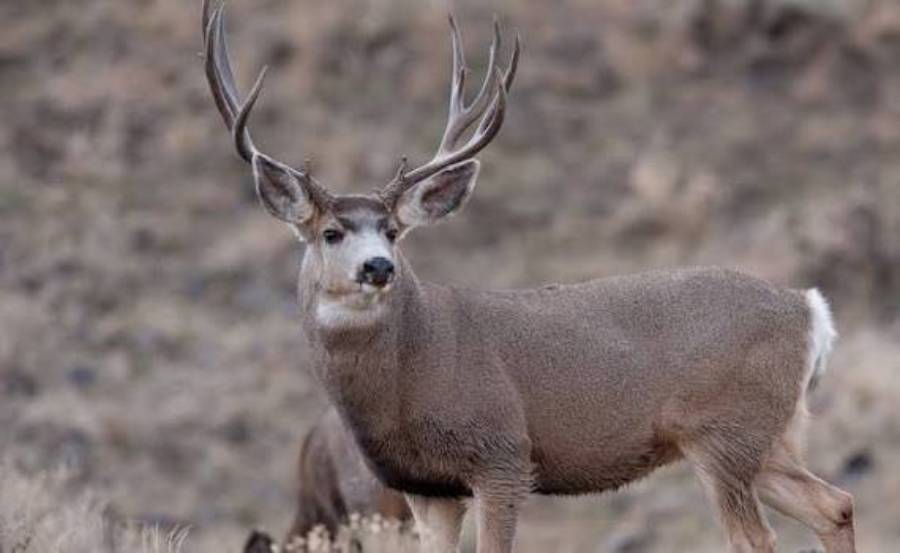
Yes, deer use cattle trails, especially when these established paths provide easier travel between bedding cover, feeding areas, water sources, and other parts of their home range. Cattle can create well-defined trails through grass, brush, steep terrain, and other vegetation, and deer may incorporate these paths into their existing movement patterns when doing so provides an efficient route. However, the presence of a cattle trail does not mean deer regularly travel it or that the trail is automatically a productive place to hunt.
For hunters, the important question is whether deer are using a specific cattle trail repeatedly. Fresh deer tracks, droppings, rubs, scrapes, intersecting deer trails, and trail-camera activity can help distinguish an active deer travel route from a path used primarily by livestock. The trail’s location also matters. A cattle trail connecting thick cover with food, water, or a natural terrain funnel has different hunting value from an exposed trail that leads only between livestock areas.
Understanding why and when deer use cattle trails helps hunters interpret these features correctly while scouting. The goal is not simply to find cattle trails, but to identify where deer movement overlaps with them consistently enough to create a huntable pattern.
Do Deer Use Cattle Trails?
Yes, deer use cattle trails when those trails provide a practical route through the habitat. A path does not need to be created by deer for deer to travel on it. Whitetails can incorporate established cattle paths into their normal movement when the path leads toward cover, food, water, or another area they already intend to visit. In this situation, the cattle trail functions as one segment of a larger deer travel route rather than as a destination itself.
Cattle trails can be especially relevant where vegetation or terrain restricts movement. Repeated livestock traffic creates defined paths through tall grass, brush, slopes, fence lines, and similar obstacles. Deer encountering these paths can use the existing opening instead of moving through denser vegetation beside it. This does not mean deer will always choose the easiest visible trail. Cover, disturbance, destination, terrain, and perceived danger also influence how deer move through an area.
Hunters should therefore distinguish between a cattle trail that deer occasionally cross and a cattle trail that deer repeatedly use for travel. A single deer track on a cattle path confirms that a deer was there, but it does not establish a predictable movement pattern. Multiple fresh tracks, repeated trail-camera observations, deer trails entering or leaving the cattle path, droppings, rubs, or scrapes provide stronger evidence that deer regularly incorporate the trail into their movements.
The origin of the trail is less important than the movement occurring on it. A cattle trail with consistent deer sign can have hunting value, while a heavily worn cattle trail with no deer-specific evidence provides little reason to assume deer regularly use it.
Why Do Deer Use Cattle Trails?
Deer use cattle trails primarily because an existing path can provide efficient access through the habitat and connect areas deer already use. Three factors make a cattle trail particularly relevant to deer movement: easier travel through restrictive vegetation or terrain, access to resources such as food and water, and connections between bedding cover and feeding areas.
Reduced travel resistance is the first factor. Cattle repeatedly walking the same route can flatten vegetation and establish an unobstructed path through grass, brush, and other cover. When this path runs in the direction a deer already wants to travel, using it requires less movement through physical obstacles. The relationship is important: deer do not need to seek cattle trails specifically. They can simply take advantage of a convenient path that overlaps with their preferred direction of travel.
Food and water provide a second reason for shared trail use. Cattle paths frequently connect locations used by livestock, including pastures and water sources. Deer can also use some of these resources or travel through the same habitat to reach their own feeding and watering locations. A cattle trail leading toward a productive feeding area, water source, or adjacent cover therefore deserves more attention from a hunter than a trail considered without its destination. Where the trail leads is often more informative than how prominent the trail looks.
Bedding-to-feeding movement creates a third important connection. If an established cattle trail passes between secure cover and a feeding area, deer may use part of it during their regular movement. They may enter the cattle trail from a smaller deer trail, follow it for a distance, and leave it again where another route provides better access or cover. This creates specific intersections and entry or exit points that can reveal more about deer movement than the entire cattle trail.
For scouting purposes, hunters should evaluate a cattle trail as part of the surrounding habitat rather than as an isolated feature. Its relationship with bedding cover, feeding areas, water, terrain, vegetation, and intersecting deer trails determines whether it provides a logical route for deer. The strongest cattle trails for deer movement are therefore not necessarily the widest or most heavily worn trails. They are the trails that overlap with places deer already have a reason to travel.
When Are Deer Most Likely to Use Cattle Trails?
Deer are most likely to use cattle trails when the trails match their preferred direction of travel without exposing them to excessive disturbance. The existence of a well-worn path alone does not determine deer use. Current cattle activity, human activity, surrounding cover, hunting pressure, and the availability of alternative routes can all affect whether deer continue along a cattle trail, use only a short section of it, or avoid it.
The distinction between an existing cattle trail and active cattle presence is important. A trail can remain usable long after cattle have moved to another pasture or section of a property. Deer can continue taking advantage of the cleared route when it connects useful habitat. In contrast, frequent livestock movement can change how deer use the same location. A deer may cross the trail, enter it after cattle leave, or shift onto a parallel route with more cover rather than following the entire path.
Human activity associated with cattle can also matter. Checking livestock, driving farm vehicles, maintaining fences, moving cattle, and accessing water or feeding areas add disturbance beyond the presence of the animals themselves. Hunters should therefore avoid assuming that every apparent change in deer movement results directly from cattle. The surrounding human activity and changes in habitat use need to be considered at the same time.
Hunting pressure adds another variable. An open cattle trail may provide easy travel, but it can also place deer in a more exposed position. Deer using pressured habitat may favor covered sections, intersections, or smaller trails running near the main cattle path rather than remaining on an exposed trail for a long distance. This makes the transition between a cattle trail and nearby cover particularly useful to investigate during scouting.
The practical approach is to evaluate when deer actually use the trail rather than assuming they use it whenever cattle are absent. Tracks can show recent passage, while repeated trail-camera observations can reveal whether movement occurs consistently at particular times or under particular conditions. When fresh deer sign continues to appear after changes in cattle activity, the hunter has stronger evidence that the trail forms part of an established deer movement pattern.
How Can You Tell If Deer Are Using a Cattle Trail?
You can tell deer are using a cattle trail by finding deer-specific evidence such as tracks, droppings, rubs, scrapes, connecting deer trails, and repeated trail-camera observations. The strongest scouting conclusion comes from combining several signs rather than relying on the appearance of the cattle trail itself.
Tracks provide the most direct starting point. Deer hoofprints on the trail confirm deer passage, while their direction can help determine how deer move along or across the path. Hunters should pay particular attention to locations where deer tracks repeatedly enter the cattle trail from cover and leave it farther along. These entry and exit points can reveal that deer are using only part of a cattle trail instead of following it from one end to the other.
Freshness and repetition matter more than finding one isolated track. A single hoofprint establishes deer presence at one point in time. Multiple sets of deer tracks appearing after different scouting periods provide stronger evidence of repeated use. Tracks traveling in both directions can also suggest a route connected to areas deer visit regularly rather than a one-time crossing.
Other deer-specific sign adds context to those tracks. Droppings confirm deer presence, while rubs and scrapes can indicate deer activity in the surrounding area. Smaller deer trails intersecting the cattle path are especially useful because they can show where deer enter or leave the easier travel corridor. A cattle trail with fresh deer tracks plus an established side trail leading into security cover provides a more meaningful movement clue than cattle tracks alone.
Trail cameras provide another layer of evidence because they can record information that tracks cannot reliably provide by themselves. A properly positioned camera can show which deer use the trail, which direction they travel, how frequently they appear, and whether their movements occur during daylight or after dark. Several observations of deer moving through the same location are more useful for hunting decisions than a single photograph.
Camera placement should focus on the part of the trail that answers a specific scouting question. For example, a hunter trying to determine whether deer follow a cattle trail should monitor a section where deer tracks appear along the path. A hunter investigating where deer enter the cattle trail should instead monitor an intersection or transition into cover. This turns the camera from a simple inventory tool into a way to test a movement pattern.
The most convincing evidence is therefore a combination of physical sign and repeated observation. Fresh tracks establish recent use, deer-specific sign provides surrounding context, connecting trails reveal movement direction, and trail cameras help confirm frequency and timing. When several of these signals occur at the same location, a hunter has a much stronger basis for treating the cattle trail as part of a deer travel route.
How Can You Tell a Deer Trail From a Cattle Trail?
You can tell a deer trail from a cattle trail by comparing trail width, hoofprints, vegetation disturbance, droppings, deer-specific sign, and the way smaller trails connect to the main path. Cattle generally create broader and more heavily disturbed paths because of their larger bodies, heavier weight, and repeated herd movement. Deer trails tend to be narrower, but trail width alone is not enough to identify which animal is using a path.
Tracks provide stronger evidence than trail size. Deer tracks consist of two pointed hoof impressions that generally form a narrower, more tapered print. Cattle also have cloven hooves, but their tracks are substantially larger and broader. Mud, snow, sand, creek crossings, and other exposed soil can make this distinction easier to see. Hunters should inspect several sections of a trail because heavy cattle traffic can destroy or overlap smaller deer tracks.
Vegetation disturbance provides another clue. Regular cattle movement can produce a wide path with heavily trampled vegetation, exposed soil, mud, and substantial disturbance around gates, water sources, feeding locations, and fence crossings. A deer trail generally creates a narrower passage through vegetation. In thick cover, deer trails may appear as small openings beneath or between vegetation rather than the broad corridor produced by livestock.
Deer-specific sign becomes important when both species use the same path. Droppings, rubs, scrapes, and smaller side trails can establish deer activity even when cattle tracks dominate the main trail. For example, a wide cattle path may contain relatively little obvious deer sign along its center but have a narrow deer trail entering from thick cover. Fresh deer tracks at that intersection show that the two travel systems overlap.
Mixed-use trails are therefore common enough that hunters should avoid forcing every path into a simple deer-or-cattle classification. A trail created primarily by cattle can still function as a deer travel route. The hunting question is not which animal originally made the path, but whether deer currently and repeatedly use it.
| Feature | Deer Trail | Cattle Trail | Mixed-Use Trail |
|---|---|---|---|
| Trail width | Usually narrower | Usually wider | Often resembles a cattle trail |
| Hoofprints | Smaller, pointed deer tracks | Larger, broader cattle tracks | Both track types present |
| Vegetation | Narrow passage | Heavy trampling and exposed ground | Heavy disturbance with deer sign |
| Droppings | Deer pellets may be present | Cattle manure may be present | Evidence from both species |
| Rubs and scrapes | May occur nearby | Not created by cattle | Deer sign may occur beside the main path |
| Side trails | Smaller deer paths may branch off | Often connects livestock-use areas | Deer trails may enter and exit the cattle path |
The most useful places to inspect are intersections, fence crossings, creek crossings, muddy sections, transitions into thick cover, and locations where the cattle trail changes direction. These areas concentrate tracks or create exposed ground where hoofprints are easier to identify. They can also reveal whether deer follow the cattle trail or merely cross it.
For hunters, species-specific sign should take priority over trail appearance. A narrow trail without fresh deer evidence is not automatically a productive deer trail, just as a wide cattle path containing repeated deer tracks should not be dismissed simply because livestock created it.
Do Cattle Affect Deer Movement?
Cattle can affect deer movement, but their influence depends on livestock activity, associated human disturbance, habitat conditions, available cover, and alternative travel routes. Hunters should not assume that the presence of cattle automatically causes deer to abandon an area. Instead, cattle activity should be treated as one variable that can alter where and when deer travel.
The intensity of cattle activity is particularly important. A few cattle moving periodically through a large area create a different level of disturbance from a concentrated herd repeatedly using the same pasture, trail, water source, or feeding location. Heavy livestock use can change vegetation, increase ground disturbance, and increase traffic on established trails. Deer can respond by changing the section of habitat they use or by shifting onto nearby routes.
Cattle activity can also bring human disturbance. Ranchers may use trucks, ATVs, tractors, or other equipment to check animals, repair fences, maintain water systems, and move livestock. A hunter observing reduced deer activity around cattle should therefore consider both livestock pressure and the human activity associated with livestock management. Attributing the change to cattle alone can lead to an incorrect interpretation of the movement pattern.
Cover and alternative routes help determine how deer respond. If thick cover exists beside a heavily used cattle path, deer may move along a parallel trail rather than abandoning the broader area. They may also use a cattle trail for only a short distance before entering cover. This is one reason hunters should scout beyond the obvious trail and inspect adjacent vegetation for deer tracks and smaller connecting paths.
Changes in cattle activity can create useful scouting opportunities. When cattle are moved away from a pasture or their activity declines, an established trail remains physically available. Deer that have a reason to travel through the area can use that path without encountering the same level of livestock disturbance. Fresh tracks and trail-camera observations after such a change can show whether deer use increases.
Hunters should therefore evaluate cattle and deer movement over time instead of relying on a single observation. Compare deer sign before, during, and after periods of concentrated cattle activity when possible. Trail cameras can make this comparison more reliable by showing changes in deer frequency, travel direction, and timing.
The key distinction is between cattle trails and cattle pressure. A cattle trail is a physical travel feature that deer may use. Active cattle and the human activity surrounding them represent potential sources of disturbance. Separating these two factors allows hunters to determine whether an established livestock path is helping deer travel through the habitat or whether current activity is changing how deer use that location.
Are Cattle Trails Good Places to Hunt Deer?
Cattle trails can be good places to hunt deer when fresh sign shows that deer repeatedly use them as part of a predictable travel route. The presence of a large, obvious cattle trail is not enough to make a location productive. Hunting value comes from deer movement, so hunters should prioritize cattle trails that overlap with bedding cover, feeding areas, water sources, terrain funnels, or established deer trails.
A cattle trail becomes more valuable when several pieces of evidence point to repeated deer use. Fresh deer tracks show recent passage, while tracks found during multiple scouting visits indicate repeated movement. Droppings, rubs, scrapes, and smaller trails entering the cattle path strengthen that evidence. Trail-camera photos taken across several days can further establish direction, frequency, and timing. Together, these signs provide a stronger reason to hunt the location than trail size or cattle activity alone.
Location also determines hunting value. A cattle trail crossing an open pasture may provide convenient travel but little security for deer. The same trail becomes more interesting where it passes through thick vegetation, follows a terrain feature, approaches a water source, or intersects a smaller deer trail leading toward bedding cover. These locations give deer a reason to incorporate part of the cattle trail into a larger movement route.
Hunters should pay particular attention to entry and exit points. Deer may not follow a cattle trail for its entire length. A buck could enter the path from thick cover, travel along it for a short section, and leave where another trail leads toward a feeding area. Hunting the entire cattle trail as though deer use every section equally ignores this movement pattern. The entry point, exit point, or intersection may provide a more concentrated location for deer activity.
The amount of current livestock activity should also influence the decision. Heavy cattle traffic can make a trail difficult to interpret because cattle tracks disturb the ground and erase deer sign. Livestock and associated human activity can also change deer movement. Hunters should compare the trail itself with nearby parallel routes and cover to determine whether deer are still using the main path or traveling around the most active cattle areas.
A useful rule is to evaluate cattle trails as travel corridors, not hunting spots by default. The best candidate is a trail where deer-specific evidence, habitat features, and repeated movement occur together. Without those elements, a prominent cattle trail may be visually impressive while providing little useful information about where deer can be encountered.
Read more: Do Deer Travel Through Pine Forests? Hunting Guide
Where Should You Hunt When Deer Are Using Cattle Trails?
Hunt where deer enter, leave, cross, or consistently follow a cattle trail rather than automatically setting up over the most obvious section of the path. These transition points concentrate information about deer movement and can reveal how the cattle trail fits into a larger route between bedding cover, food, water, and security cover.
A deer-trail intersection is one of the first locations to investigate. When a narrow trail containing deer tracks crosses or joins a larger cattle trail, the intersection establishes a relationship between the two travel systems. Determine which direction the deer tracks travel and follow the smaller trail far enough to understand what habitat it connects to. A trail leading toward thick bedding cover provides different information from one terminating in an open livestock area.
Entry and exit points near cover also deserve attention. Deer may take advantage of an open cattle trail while remaining close to vegetation that provides security. A section where the path enters timber, brush, tall grass, or another form of cover can therefore reveal more concentrated deer movement than the middle of an exposed cattle trail. Fresh tracks at these transitions help establish whether deer are actually using them.
Food and water connections provide another location to investigate. When a cattle trail leads toward a feeding area or water source, hunters should determine where deer join the route rather than assuming they travel directly down the center of the path. Deer may approach from adjacent cover, follow the trail briefly, and leave it before reaching the destination. Tracks and trail-camera observations can identify these transitions.
Terrain can further concentrate movement. A cattle trail that passes through a convenient gap, crosses a drainage, follows a contour, reaches an accessible creek crossing, or passes around a difficult obstacle may overlap with a natural deer travel route. In these situations, the surrounding terrain explains why deer use the location. The cattle trail makes the route more visible, but the underlying terrain can be the feature concentrating movement.
Stand placement should also account for hunter access and disturbance. A location with abundant deer sign loses practical value if reaching it requires walking through the route deer are using or repeatedly disturbing nearby security cover. Hunters should consider how they can enter and leave a setup while minimizing contact with the travel corridor. Wind direction, available cover, and the expected direction of deer movement should be evaluated together before selecting the exact location.
Should You Hunt Directly Over a Cattle Trail?
Hunt directly over a cattle trail only when repeated deer sign confirms that deer consistently travel that exact section and the setup allows you to hunt it without excessive disturbance. A cattle trail should not receive priority merely because it creates an open shooting lane or is easier for a hunter to access.
In many situations, the better location is adjacent to the main trail. A smaller deer trail may join the cattle path inside cover, or deer may cross it at a consistent point while moving between two habitat features. Setting up around that intersection allows the hunter to focus on deer-specific movement rather than all traffic using the cattle trail.
A parallel deer trail can be equally important. Deer may travel beside a cattle path while remaining within thicker vegetation, especially where the main path is exposed or receives frequent livestock activity. Finding fresh tracks on a subtle route running beside the obvious cattle trail is a reason to investigate that secondary path before choosing a setup.
The final decision should be based on where deer movement is most repeatable and huntable. Use tracks to establish direction, trail cameras to evaluate frequency and timing, and surrounding habitat to understand why deer use the route. If all three point toward the cattle trail itself, hunting it can make sense. If the evidence concentrates at an intersection, cover edge, crossing, or parallel trail, that location deserves priority instead.
What Should Hunters Look for Before Hunting a Cattle Trail?
Hunters should confirm 5 signals before treating a cattle trail as a deer hunting location: fresh deer tracks, repeated deer-specific sign, trail-camera confirmation, a connection to important habitat, and a predictable movement pattern. These signals help separate a trail that deer occasionally cross from one they repeatedly incorporate into their travel.
Fresh deer tracks provide the first signal. Tracks establish that deer have recently traveled along or across the cattle trail, and their direction can reveal where deer enter and leave the path. Inspect soft soil, mud, creek crossings, fence openings, trail intersections, and other locations where hoofprints remain visible. Finding deer tracks along several sections of the cattle trail provides stronger evidence of trail use than finding one isolated print at a crossing.
Repeated deer-specific sign provides the second signal. Droppings, rubs, scrapes, and established side trails show how deer activity relates to the cattle path. The spatial relationship between these signs matters. For example, repeated tracks on a cattle trail combined with a smaller deer trail entering from thick cover provide more useful information than an isolated rub located far from the travel route. Hunters should look for clusters of related evidence that indicate consistent use of the same area.
Trail-camera confirmation provides the third signal. Cameras can establish how frequently deer appear, which direction they travel, and whether they follow the cattle trail or simply cross it. Multiple observations also help separate occasional passage from a repeatable pattern. A camera positioned at an intersection, entry point, or section containing repeated tracks can therefore answer a specific scouting question instead of simply documenting that deer exist in the area.
A connection to important habitat provides the fourth signal. The most relevant cattle trails connect or intersect areas deer have a reason to visit, including bedding cover, feeding areas, water sources, thick security cover, and natural travel corridors. Hunters should identify both ends of the trail and examine the surrounding terrain. A cattle trail leading nowhere relevant to deer movement has less hunting value than one that forms a convenient segment between two regularly used habitat features.
Predictable movement provides the fifth and most important signal. Tracks, sign, camera observations, and habitat relationships should collectively indicate where deer enter the trail, which section they use, where they leave it, and what destination may be influencing that movement. This pattern does not require deer to follow the entire cattle trail. A short section connecting two deer-specific routes can be more valuable than a long livestock path with scattered deer activity.
Hunters should also evaluate whether the movement pattern can be hunted without disrupting it. Easy hunter access is not automatically good access. Walking directly down an active travel corridor, repeatedly checking cameras near bedding cover, or approaching through the area deer use can add pressure to the location. The setup needs to account for access, surrounding cover, expected deer direction, and wind before the trail becomes a practical hunting location.
The final decision should therefore come from multiple pieces of evidence rather than the visibility of the trail. Hunt the deer movement, not the cattle trail. A cattle trail is simply an established path through the habitat. Its hunting value comes from deer repeatedly incorporating that path, an intersection, or a nearby transition into a movement pattern that a hunter can identify and hunt.