
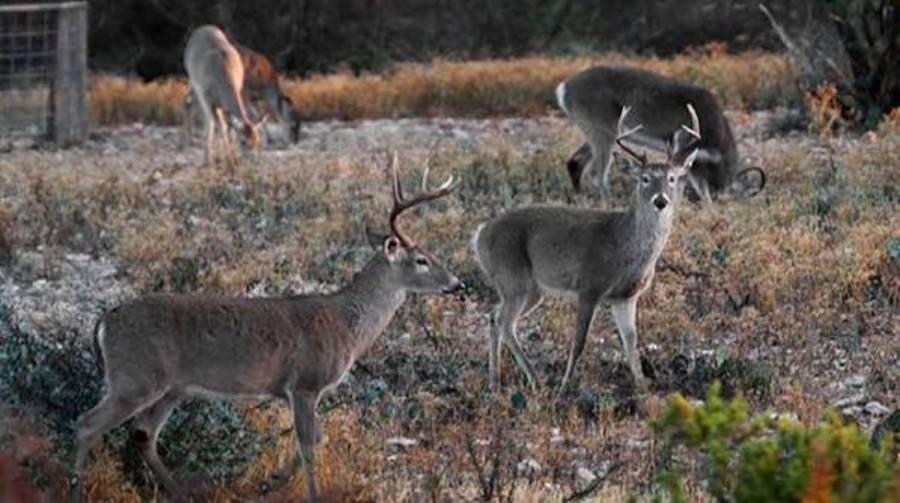
Deer can remember dangerous encounters with hunters, including situations where they have been shot at. However, this does not necessarily mean a deer remembers the event as a person would. Deer learn through association, connecting a threatening encounter with cues such as human scent, a specific location, unusual movement, or repeated hunting activity. These associations can influence where and when the animal moves during later encounters.
A single missed shot does not automatically cause a deer to abandon an area. Its response depends on factors such as how close the hunter was, whether the deer detected human scent, whether it was wounded, and how frequently it encounters hunting pressure in the same location. A valuable feeding area, bedding area, or travel corridor can also give the deer a reason to return despite an earlier disturbance.
This distinction matters for hunters because a deer that returns has not necessarily forgotten what happened. It may return at a different time, approach from another direction, use heavier cover, or become more cautious around the location associated with danger. Understanding what deer remember, how long learned avoidance can influence their behavior, and how they respond to repeated hunting pressure helps explain what happens after a failed shot and whether hunting the same area again makes sense.
Do Deer Remember Being Shot At?
Yes, deer can remember dangerous encounters associated with being shot at and use those experiences to change their later behavior. The important distinction is that deer do not need to understand a firearm or mentally replay the shooting event to learn from it. They can associate the sights, sounds, scents, and locations surrounding a threatening encounter with danger. When the same cues appear again, the deer may respond more cautiously or avoid the situation altogether.
This type of response is better explained through associative learning than through human-like memory. A deer that hears a shot while simultaneously detecting a hunter’s scent, seeing human movement, and fleeing from a particular location receives several danger cues at once. The location itself can then become part of the association. For example, a deer may continue using the same general property while becoming more cautious near the trail, stand, field edge, or access route where the encounter occurred.
The strength of this learned response depends on the encounter. Being wounded creates a different experience from hearing a distant gunshot, while a close missed shot can create a stronger disturbance than a shot that occurs far from the deer. Repeated encounters also matter because they reinforce the relationship between human activity and danger. This is why hunting pressure can influence deer behavior even when individual deer have never been physically injured by a hunter.
What Does a Deer Remember After Being Shot At?
A deer is more likely to retain associations with danger cues than to remember the shooting event in the detailed way a human would. These cues can include human scent, a particular location, movement, noise, access routes, and repeated activity around a hunting stand. Each cue provides information that the deer can use when deciding whether an area is safe.
Location is especially relevant because deer repeatedly use feeding areas, bedding cover, travel corridors, and established portions of their home range. A threatening encounter along one of these routes can alter how the animal uses it without causing complete abandonment. For example, a deer could continue traveling between the same bedding and feeding areas while taking a different route, moving through thicker cover, or entering the area at a different time.
Human scent can reinforce the same association. A shot followed by repeated hunter activity, tracking, walking near bedding cover, or using the same access route creates more disturbance than the sound of the shot alone. Consequently, what hunters describe as a deer “remembering where it was shot at” can involve several connected cues rather than memory of one isolated event.
The available sample article you provided discusses deer only indirectly and does not provide evidence about deer memory, so I am not using it as scientific support for these deer-specific claims. Its useful role here is as a structural reference for direct-answer, mechanism-first writing. The wording also follows your Algorithmic Authorship rule of answering the heading immediately rather than delaying the answer with background information.
How Long Do Deer Remember Being Shot At?
There is no scientifically established number of days, weeks, or months that a deer will remember being shot at. The duration of the behavioral response depends on the intensity of the encounter, the cues the deer associated with danger, and whether later experiences reinforce that association. For hunters, this means claims such as “a deer forgets after three days” or “a buck remembers a hunter for an entire season” should not be treated as fixed biological rules without supporting evidence.
The intensity of the encounter can affect how strongly the deer responds afterward. A distant gunshot that causes a deer to briefly flee does not provide the same combination of danger cues as a close-range missed shot accompanied by human scent and movement. A wounded deer experiences an even more direct threat. In practical terms, the more cues connected to the dangerous encounter, the more opportunities the deer has to associate a particular situation with risk.
Repeated hunting pressure can reinforce this learned avoidance. A deer that encounters human scent near the same stand, sees hunters repeatedly using the same access route, or is disturbed several times around the same feeding area receives recurring information that the location is risky. In contrast, the behavioral effect of a single disturbance can weaken when the deer returns without encountering another threat. This is why the frequency and consistency of hunting pressure matter alongside the original shot.
Memory also should not be measured only by whether the deer returns. A deer can continue using the same home range while changing how it uses one part of that range. It may travel later, approach from another direction, spend more time in cover, or avoid a specific route. These behavioral adjustments can make the animal appear to have left even when it remains nearby.
Will a Deer Come Back After Being Shot At?
Yes, a deer can come back after being shot at, especially when the area provides an important resource such as food, bedding cover, water, or an established travel route. Returning to the area does not mean the deer has forgotten the encounter. It means the value of using the location can outweigh the perceived risk under certain conditions.
A deer does not necessarily treat an entire property as dangerous because of one encounter at one location. Its response can be more specific. For example, a deer disturbed near one field entrance may still use the field while approaching from another side. A deer pressured along an exposed trail may shift into heavier cover while continuing to move between the same general bedding and feeding areas. The result can be a change in where, when, or how the deer appears rather than complete abandonment.
The amount of subsequent disturbance matters as well. A shot followed by prolonged searching, repeated walking through cover, vehicle activity, and several additional hunting attempts introduces more human cues into the area. These activities can reinforce perceived risk beyond the original gunshot. By comparison, an isolated encounter followed by little additional disturbance gives the deer fewer repeated danger cues associated with that location.
This explains why hunters should distinguish return behavior from return pattern. The useful question is not simply whether the deer will come back. Hunters also need to consider whether it will return during daylight, use the same trail, approach from the same direction, or expose itself in the same location. A returning deer can modify any of these behaviors while continuing to use the property.
Will a Deer Return to the Same Spot After a Missed Shot?
A deer can return to the same spot after a missed shot, but there is no universal waiting period that guarantees its return. A missed shot removes one important factor—physical injury—but the deer can still experience the event as a serious threat. The gunshot, sudden movement, human odor, and escape response can all contribute to the association.
A missed shot is therefore not equivalent to an undisturbed encounter. If the deer fled without locating the hunter or encountering substantial human scent, the disturbance may be relatively limited. If it saw the hunter, crossed the hunter’s scent trail, or was repeatedly pursued afterward, the encounter contains more identifiable danger cues. Those differences help explain why two deer can respond differently to apparently similar missed shots.
Food availability, bedding security, established travel patterns, and competing hunting pressure elsewhere can also influence whether the deer uses the location again. A productive food source may remain valuable enough for the deer to revisit, but its timing or approach can change. For example, returning after dark rather than during legal shooting hours would technically constitute a return while substantially reducing the hunter’s opportunity to encounter the deer again.
For this reason, hunters should evaluate fresh evidence of deer activity rather than assuming either that the deer has permanently abandoned the spot or that it will return on a fixed schedule. Tracks, trail-camera activity, feeding sign, and changes in travel routes can provide more useful information about current area use than a generalized rule about how quickly deer forget danger.
Does a Gunshot Make Deer Avoid an Area?
A gunshot can make a deer temporarily avoid an area, but a single shot does not automatically cause permanent abandonment. The behavioral effect depends on whether the deer associates the sound with a direct threat and whether other danger cues, such as human scent, pursuit, or repeated disturbance, occur at the same time.
The distinction between a startle response and learned avoidance is important. A sudden gunshot can cause an immediate flight response because it is a loud, abrupt stimulus. That reaction alone does not establish that the deer will avoid the location long term. A stronger association can develop when the shot occurs together with additional evidence of danger. For example, a deer that hears a shot, sees a hunter, crosses fresh human scent, and is subsequently pursued receives more information about the source and location of the threat.
Repeated exposure also changes the context of gunshots. Deer living around farms, shooting ranges, roads, or other environments with frequent loud noises can encounter sounds that are not followed by direct threats. Repeated exposure to a stimulus without a negative consequence can reduce the behavioral response to that stimulus. A hunting situation is different because gunfire may occur together with human intrusion, pursuit, wounded animals, or repeated disturbance of feeding and bedding areas.
For hunters, this means the amount of pressure surrounding the shot can matter more than the sound alone. Firing once and leaving an area relatively undisturbed creates a different set of cues from repeatedly entering cover, checking trails, moving stands, driving through the property, or hunting the same location on consecutive occasions. These activities increase the number of opportunities for deer to detect human presence and associate the area with risk.
How Does Hunting Pressure Change Deer Behavior?
Hunting pressure can change when deer move, where they travel, and how much exposure they accept while moving between resources. Rather than assuming pressured deer simply disappear, hunters should distinguish among changes in movement timing, route selection, cover use, and temporary displacement.
One behavioral adjustment involves reducing exposure during periods of human activity. A deer that repeatedly encounters hunters along an access route or near a feeding area can continue using the same general habitat while altering the timing of its movements. This creates an important hunting distinction: lower daylight visibility does not necessarily mean fewer deer are using the property. The animals may be moving when human activity is lower or using locations where hunters are less likely to detect them.
Route selection can change for the same reason. Deer have several options when moving between bedding cover, food, and other resources. Increased disturbance along one trail can favor another route that provides greater cover or distance from human activity. A hunter who continues watching only the original trail may therefore conclude that a deer has left, even though its movement has shifted within the surrounding area.
Hunting pressure can also affect how deer use cover. Dense vegetation, terrain features, and less accessible portions of habitat reduce visual exposure and can make human approaches more difficult. Increased use of these areas gives deer another way to remain within familiar habitat while lowering encounter risk. This behavioral adjustment is different from abandoning a home range entirely.
Complete displacement should therefore not be assumed every time a deer is spooked or shot at. A deer can temporarily leave the immediate location and later resume using nearby habitat. The scale of the response depends on the intensity and repetition of disturbance as well as the resources available within the surrounding landscape.
Do Deer Move More at Night After Hunting Pressure?
Hunting pressure can shift deer activity toward periods when human disturbance is lower, including nighttime, but it does not make every pressured deer exclusively nocturnal. The more precise interpretation is that deer can adjust movement timing in response to perceived risk.
This distinction matters because deer still need to feed, bed, travel, and meet seasonal biological needs. They cannot simply stop moving. Instead, changing the timing of movement provides a way to access resources while reducing encounters with hunters. If human activity repeatedly occurs at predictable times, lower-risk periods can become more favorable for movement.
A shift toward nighttime activity also does not prove that a particular deer remembers a specific shot. Multiple sources of pressure can operate simultaneously, including hunters entering and leaving stands, vehicles, scent left along access routes, repeated encounters, and activity on neighboring properties. The observed movement pattern reflects the deer’s response to this broader risk environment rather than necessarily one isolated event.
For the same reason, hunters should avoid treating nighttime trail-camera photographs as proof that a deer has permanently become “nocturnal.” Camera records show when a deer passed a particular location, not every movement it made during the day. A buck photographed only after dark at one food source could still be moving during daylight in thicker cover or another portion of its range.
The practical implication is that hunting pressure can make deer harder to encounter without making them disappear. Changes in movement timing, travel routes, and cover use can collectively reduce daylight encounters. These behavioral changes also explain why repeatedly pressuring the same location after a failed shot can produce diminishing opportunities even when the deer continues living nearby.
Can Deer Remember Human Scent?
Deer can learn to associate human scent with danger, particularly when that scent repeatedly occurs alongside hunting pressure. For a deer, human odor provides information about recent human presence. When the same odor is repeatedly encountered near a stand, access trail, bedding area, or other location where the deer has experienced disturbance, it can become one of several cues associated with risk.
The important distinction is between detecting human scent and remembering a specific hunter. A deer does not need to identify an individual person for scent to affect its behavior. Detecting human odor in a location where the animal expects security can be enough to trigger caution, avoidance, or a change in movement. For example, a deer approaching a feeding area may encounter scent left along a hunter’s access route and change direction before reaching the stand itself.
Scent can become particularly relevant after a failed shot because the original encounter may be followed by additional human activity. A hunter who climbs down immediately, walks through the deer’s escape route, searches the surrounding cover, or repeatedly returns to the location leaves more evidence of human presence than the gunshot alone. This creates multiple overlapping danger cues: the sound of the shot, the location of the encounter, visual detection of the hunter, and human odor.
A hunting stand can become part of the same association, but hunters should not assume the physical stand itself is always what the deer recognizes as dangerous. The combination of the stand location, hunter access, scent, movement, and previous encounters provides a stronger explanation for avoidance behavior. A deer can pass a stand without reacting when no hunter is present yet become cautious when fresh human odor or movement signals recent activity.
This is also why access routes matter when hunting a deer that has previously been disturbed. Repeatedly approaching a stand through an area used by deer can introduce hunting pressure before the hunter even reaches the stand. Bedding cover and frequently used travel routes are particularly relevant because disturbance there can interfere with locations deer rely on for security or movement.
Read more: Can Deer Hear Trail Cameras? What Hunters Should Know
Do Bucks and Does React Differently After Being Shot At?
Bucks and does can respond differently to hunting encounters, but sex alone does not determine whether a deer will remember or avoid a dangerous location. Age, previous experience, seasonal behavior, habitat, resource availability, and the intensity of hunting pressure can all influence the response. For this reason, a simple rule such as “bucks remember longer than does” would overstate what can be concluded from the animal’s sex.
Previous experience is especially important when discussing mature bucks. An older buck has survived more seasons than a young deer and therefore has had more opportunities to encounter human activity and hunting pressure. Survival experience can contribute to cautious behavioral patterns, but describing this simply as an older buck being “smarter” hides the mechanism. Repeated exposure gives the animal more opportunities to learn which locations, times, scents, and activities are associated with risk.
Seasonal priorities can also alter the response to danger. A deer balances risk against access to resources and biological needs rather than making avoidance decisions in isolation. Food availability, secure bedding cover, breeding activity, and movement between habitat features can provide reasons to continue using an area despite previous disturbance. Consequently, the same deer may tolerate a level of risk under one set of conditions and alter its movement under another.
Does face similar trade-offs. A doe using an established feeding or bedding area does not necessarily abandon it permanently because of one hunting encounter. She may modify the timing or route of her return instead. The same principle applies to bucks: continued use of an area does not demonstrate that the animal forgot the encounter, while absence from one trail does not prove it left the property.
Hunters should therefore evaluate individual behavior rather than relying solely on buck-versus-doe assumptions. Recent trail-camera records, tracks, changes in entry routes, daylight observations, and evidence of continued use of feeding or bedding areas provide more relevant information about how a particular deer responded to pressure.
These distinctions keep the section focused on the central entity and hunting context rather than expanding into a general discussion of deer biology, consistent with the source-context approach in the topical-map framework you provided.
How Should Hunters Hunt a Deer That Has Been Shot At Before?
Hunters should reduce additional pressure and adjust their approach according to how the deer changed its movement after the previous encounter. A deer that has been shot at does not necessarily leave the property, so immediately abandoning a productive hunting area can be unnecessary. The more useful approach is to determine whether the deer changed its movement time, travel route, use of cover, or approach to the location where the shot occurred.
Start by limiting unnecessary disturbance. Repeatedly walking through bedding cover, checking the same trail, moving equipment, or entering the area to look for sign adds human scent and activity to a location the deer may already associate with danger. One failed shot can therefore develop into broader hunting pressure when followed by repeated intrusion. Reducing that activity gives hunters a better opportunity to determine whether the deer is still using the area without continually reinforcing the threat.
Next, look for evidence of a changed movement pattern. Trail-camera records, tracks, feeding sign, and observations from a distance can indicate whether the deer continues to use the general area. A deer that stops appearing on one trail may have shifted to thicker cover or another route rather than leaving its home range. Similarly, a deer that previously appeared during daylight but is now recorded after dark may have changed its timing in response to disturbance.
Stand placement should follow that evidence rather than the assumption that the deer will repeat its previous behavior. If activity shifts to another travel corridor, changing the hunting position can make sense. However, repeatedly relocating stands without evidence can create additional disturbance and spread human scent across more of the property. The objective is to adapt to the deer’s current behavior while creating as little new hunting pressure as possible.
Access also matters. A productive stand can become difficult to hunt effectively when reaching it requires crossing the same trails deer use or moving close to bedding cover. Hunters should consider not only where the stand is located but also how they enter and leave it. A low-disturbance access route can reduce the number of human cues deer encounter before they reach the hunting location.
Should You Hunt the Same Spot Again After a Missed Shot?
You can hunt the same spot again after a missed shot when fresh evidence shows the deer is still using the location, but returning immediately and repeatedly can increase hunting pressure. There is no universal number of hours or days a hunter should wait after missing a deer. The appropriate decision depends on what happened during the encounter and what the deer does afterward.
Consider the severity of the disturbance first. A deer that fled after a shot without seeing or smelling the hunter experienced a different set of cues from one that detected the hunter, crossed a scent trail, and was then followed through cover. The second situation provides several signals identifying the area with human danger. Hunting the exact setup repeatedly can reinforce those associations.
Fresh deer activity provides a better basis for the decision than an arbitrary waiting period. If trail-camera images, tracks, or observations show that the deer has resumed using the same feeding area or travel corridor, the location can remain viable. Hunters should still check whether the timing or direction of travel changed. A deer returning only after dark, for example, requires a different strategy from one that resumes its previous daylight pattern.
Changing stand location is most useful when there is evidence that the deer has changed its route or is avoiding the immediate area around the original setup. The adjustment does not need to involve moving a long distance. A different approach to the same feeding or bedding pattern can sometimes address the behavioral change while preserving the broader reason the deer uses the area.
Finally, avoid turning one missed opportunity into repeated disturbance. A deer can survive a failed hunting encounter, continue using the same general area, and still become harder to encounter because it changes when and how it moves. Reducing human intrusion, monitoring current movement, protecting secure cover, and adjusting only when evidence supports the change provide a more defensible strategy than assuming the deer either forgot the shot or permanently abandoned the area.