
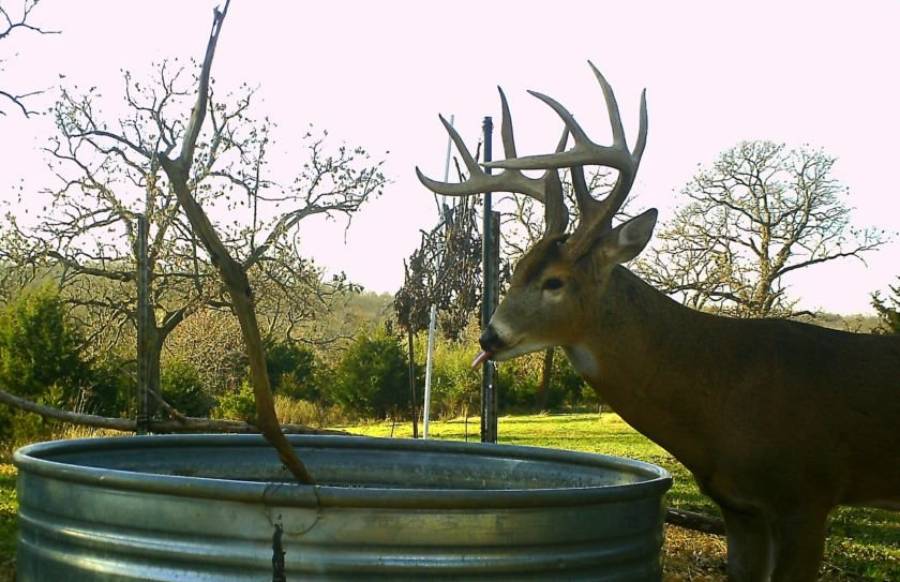
Deer may not drink from your water hole because they have a better water source nearby, the hole is outside their normal travel route, or they do not feel secure enough to use it. Human scent, hunting pressure, poor access, water conditions, seasonal changes, and the age of a newly established water hole can also reduce deer activity around the site.
There are 9 main reasons deer may not be drinking from your water hole: alternative water sources, poor placement, insufficient cover, human scent, hunting pressure, difficult access, poor water conditions, weather and seasonal changes, and insufficient time for deer to discover or adopt the water source. A deer that ignores a water hole is not necessarily avoiding water. It may simply be drinking from a creek, pond, spring, puddle, or another source that requires less travel and provides greater security.
For hunters, the key is determining whether deer have not found the water hole, have found it but do not need it, or are actively avoiding it. Deer tracks, existing travel routes, trail-camera activity, nearby water sources, cover, and signs of human disturbance can help separate these situations. Identifying the specific cause allows you to correct the water-hole setup instead of repeatedly changing a location that deer may already be willing to use.
Why Are Deer Not Drinking From My Water Hole?
There are 9 main reasons deer may not drink from your water hole: better water sources nearby, poor placement, insufficient cover, human scent, hunting pressure, difficult access, poor water conditions, weather and seasonal changes, and insufficient time to adopt a new water source. Each factor affects either the need for the water hole, the effort required to reach it, or how safe deer feel while approaching and drinking.
A water hole can contain usable water without attracting deer because water availability alone does not determine deer movement. The location must fit into an existing movement pattern between bedding areas, feeding areas, and security cover. A water hole positioned away from established deer travel may receive little activity even when deer live on the property. The same problem occurs when deer already have easier access to a creek, pond, spring, or temporary water source closer to their normal route.
Security also affects whether deer use a water hole and when they visit it. Frequent human activity, scent around the water, exposed terrain, and repeated hunting pressure can make a location less attractive. Deer may continue using the general area while shifting their route or visiting the water after dark. For this reason, a lack of daytime trail-camera photos does not by itself prove that deer never use the water source.
The first step is to determine whether deer are not finding the water hole, not needing it, or avoiding it. Check for tracks around the water, trails passing nearby, alternative water sources, and trail-camera activity before modifying the site. These observations provide stronger diagnostic evidence than assuming the water itself is the problem.
Are Deer Using Another Water Source Instead?
Deer may ignore your water hole because another water source is easier, safer, or closer to their established movement route. Creeks, ponds, springs, drainage areas, livestock water sources, and rain-filled depressions can reduce the value of an artificial water hole, especially when deer can reach them without leaving security cover.
The important factor is not simply how much water exists on the property. Its location relative to deer movement matters. For example, a buck traveling from a bedding area toward an evening feeding area may pass a small creek without making a meaningful detour. A water hole located several hundred yards away from that established route gives the deer little reason to change its movement solely to drink there. A smaller natural source can therefore receive more use than a larger artificial water hole when it offers a more convenient route.
Recent rainfall can make this competition stronger. Rain creates temporary sources such as puddles, drainage pools, and water held in low areas. Deer that previously traveled to a permanent water source may temporarily obtain water elsewhere. As those temporary sources disappear during dry conditions, activity around reliable water can change again. This is why several days of low water-hole activity should be interpreted alongside recent weather rather than treated as proof that the setup has failed.
Check nearby water before relocating or rebuilding your water hole. Scout likely travel corridors for tracks and inspect natural water sources for deer sign. Trail cameras can also be placed on the water hole and nearby travel routes to determine whether deer are present but choosing another direction. If deer regularly move through the area without approaching your water hole, competing water or poor placement becomes a stronger explanation than a lack of deer.
Is Your Deer Water Hole in the Wrong Location?
A poorly located water hole can receive little deer activity even when deer regularly travel across the property. The most effective location is one that fits naturally into existing deer movement rather than forcing deer to make a significant detour solely to reach water. Bedding areas, feeding areas, travel corridors, terrain, and security cover all influence whether a water hole becomes part of that movement pattern.
Start by evaluating the water hole in relation to existing deer trails. Deer commonly move between areas that provide bedding, food, water, and security, so a water source positioned near an established travel corridor has a greater opportunity to intercept existing movement. For example, if a heavily used trail connects thick bedding cover with an evening feeding area, placing water close to that route requires less deviation than placing it in an open area away from the trail. Tracks, droppings, rubs, trail-camera observations, and repeated trail use can help identify these established movement patterns.
Distance from bedding cover also matters, but there is no single distance that makes a water hole effective on every hunting property. Terrain, vegetation, existing water, hunting access, and deer pressure change the value of each location. A water hole positioned relatively close to secure bedding cover may provide an accessible drinking opportunity before deer move toward feeding areas. However, repeatedly entering that area to check cameras, maintain the water hole, or hunt can introduce enough disturbance to reduce that advantage.
Evaluate the entire approach route rather than the water hole alone. A good location allows deer to reach water through familiar terrain and return to cover without unnecessary exposure. If deer trails consistently pass 50 or 100 yards away while the water hole receives no tracks, the location itself deserves closer examination. Moving the water closer to established movement can be more effective than trying to make deer create a new travel pattern around an inconvenient water source.
Does a Lack of Cover Keep Deer Away From a Water Hole?
A lack of security cover can reduce water-hole use because deer must remain exposed while approaching, drinking, and leaving the site. A water hole surrounded by open ground may provide adequate water but still be less attractive than another source accessible through timber, brush, tall vegetation, or terrain that limits exposure.
Cover matters because drinking creates a temporary constraint on a deer’s ability to monitor its surroundings. The animal must approach the edge, lower its head, drink, and then leave the site. A location with nearby security cover provides multiple opportunities to approach and retreat without spending extended time in an exposed area. In contrast, a water hole in the middle of an opening can require deer to cross visible ground before they receive any benefit from the water.
This difference can also affect the timing of water-hole activity. Deer may use an exposed source after dark while avoiding it during legal hunting hours. For example, trail-camera images showing deer on nearby trails before sunset but water-hole activity only several hours later suggest that the issue may involve security or disturbance rather than water availability. The water source is being used, but not under the conditions the hunter expected.
Improve security by working with existing vegetation and terrain rather than automatically clearing the area around the water. Brush, timber edges, terrain changes, and established approach trails can help connect the water hole to surrounding cover. At the same time, avoid making the site so obstructed that deer have difficulty reaching the water. The goal is to provide a water source that feels connected to secure deer movement while remaining easy to approach and leave.
Can Human Scent Make Deer Avoid a Water Hole?
Human scent can reduce deer activity around a water hole when repeated visits make the site or its approach routes less secure. The problem is not limited to scent directly beside the water. Walking trails, camera locations, access routes, equipment, and surrounding vegetation can all carry evidence of recent human activity.
Installing a water hole naturally creates disturbance because the site may require digging, clearing vegetation, moving equipment, or carrying a container into position. That initial disturbance differs from repeatedly returning to the site. A hunter who walks to the water hole every few days to check water levels or retrieve trail-camera cards continually introduces fresh scent and activity. Even when deer continue using the surrounding property, their movement around that specific location can change.
Your access route can create as much disturbance as the water hole itself. For example, walking across a primary deer trail before reaching the water may leave human scent along the exact route deer use between bedding and feeding areas. Deer can then encounter evidence of human activity before reaching the water source. A better approach is to use an access route that minimizes contact with established trails and important security cover while also considering wind direction.
Trail cameras can help determine whether human intrusion is contributing to the problem, but checking them too frequently can create additional disturbance. Compare deer activity before and after your visits when sufficient camera history is available. If activity repeatedly declines or shifts after site visits, reduce unnecessary entries and allow the location to remain undisturbed for longer periods. The objective is simple: monitor the water hole without making your monitoring activity one of the reasons deer avoid it.
Can Hunting Pressure Stop Deer From Using a Water Hole?
Hunting pressure can cause deer to reduce water-hole visits, change their approach route, or shift their visits toward periods with less human activity. A water hole therefore does not need to be completely abandoned for hunting pressure to make it less useful to a hunter.
Hunting pressure is broader than human scent alone. Repeated stand access, ATV or vehicle traffic, frequent scouting, camera checks, encounters with deer, and regular movement through nearby cover can increase disturbance around the site. The effect becomes particularly important when the water hole sits close to bedding cover or along a travel corridor that deer otherwise use because of its security.
Changes in timing provide an important clue. Suppose trail-camera records initially show deer drinking before sunset, but activity gradually shifts later into the night after hunting and scouting activity increases. Deer are still using the water hole, so water quality or physical access is unlikely to explain the entire change. Increased disturbance around the site becomes a more relevant factor to investigate. Compare several days or weeks of camera records rather than drawing conclusions from a single evening.
Reducing pressure requires controlling how often, when, and from which direction you enter the area. Use low-impact access where the property allows it, avoid unnecessary trips through major deer trails, and combine maintenance tasks so the site does not require repeated visits. Consider wind direction when approaching a hunting setup so your scent is less likely to move toward the water hole or expected deer approach.
A water hole becomes more valuable for hunting when deer can incorporate it into a predictable movement pattern without repeated interruption. If deer use the water at night but consistently avoid it during the hunting period, evaluate hunting pressure and security before assuming the water hole itself has failed.
Is the Water Hole Difficult for Deer to Access?
Deer may avoid a water hole when steep banks, deep mud, unstable footing, fencing, dense vegetation, or other obstacles make drinking unnecessarily difficult. Having deer close to the water does not guarantee they will use it. The final approach must allow them to reach the water, drink, and return to cover without navigating an awkward or exposed route.
Inspect the water’s edge for physical barriers first. A container or excavated hole with steep sides may provide water but lack a comfortable approach point. Heavy rain can also turn the surrounding soil into deep mud, while erosion can create unstable banks. Dense fallen branches, fencing, or thick vegetation may further restrict the routes deer can use. These conditions become more significant when another accessible water source is available nearby.
Tracks can reveal whether access is part of the problem. Deer tracks that approach the water and stop or turn away before reaching the edge indicate a different situation from a site with no deer sign at all. Tracks concentrated around one side of the water hole can also identify the approach deer already prefer. Instead of redesigning the entire site, improving that existing approach may be enough to make the water easier to use.
Keep the solution simple. Maintain at least one stable approach to the water, remove unnecessary obstacles, and avoid creating an excessively open area in the process. Accessibility and security need to work together. The best approach is not merely the easiest path to the water; it is an easy path that also connects naturally with the routes and cover deer already use.
Can Poor Water Quality Keep Deer From Drinking?
Poor water conditions can make a water hole less useful, but water that looks dirty to a hunter does not automatically mean deer will refuse to drink it. Evaluate actual changes in the water source alongside deer activity instead of judging the water only by its appearance.
Small artificial water holes can accumulate leaves, sediment, insects, algae, and other organic material. Water levels can also fall during dry periods, concentrating debris and reducing the amount of usable water. More concerning conditions include obvious contamination, strong unusual odors, excessive decaying material, or a water hole that repeatedly dries out. A source that cannot retain water reliably cannot become a dependable part of a deer movement pattern.
The surrounding site can provide evidence about whether water condition is actually responsible for low use. For example, deer tracks reaching the edge without evidence of continued visits may justify inspecting the water and access conditions. In contrast, a water hole with no tracks while heavily traveled deer trails remain far away points more strongly toward location, alternative water, or movement patterns. Water quality should therefore be evaluated as one part of the diagnosis rather than assumed to be the primary cause.
Maintain the water hole enough to keep it functional without creating unnecessary human disturbance. Remove major obstructions or excessive decaying debris when required, confirm that the source continues holding water, and avoid frequent maintenance visits simply to make the water look clean. A reliable, accessible water source in a secure location is more important than making an outdoor deer water hole look clean by human standards.
Do Weather and Seasonal Changes Affect Deer Water Hole Use?
Weather and seasonal changes can alter how often deer use a specific water hole because temperature, rainfall, and the availability of competing water sources change throughout the year. A water hole that receives consistent activity during a dry period may receive little attention after several days of rain without anything being wrong with its location or design.
Hot, dry conditions can increase the relative value of a reliable water source. Temporary puddles and shallow drainage areas disappear as conditions become drier, reducing the number of places deer can obtain water. A permanent water hole located along an established travel route can become more important under these conditions. Hunters who compare trail-camera activity across dry and wet periods may therefore see substantial differences at the same water source.
Rain can produce the opposite effect by distributing water across the landscape. Puddles, low spots, drainage channels, and other temporary sources allow deer to obtain water without traveling to the water hole they previously used. For example, deer may continue traveling between the same bedding and feeding areas while stopping at temporary water closer to that route. Activity at your water hole can decline even though the local deer population and general movement remain similar.
Seasonal changes can also modify deer movement itself. Changes in food availability, cover, hunting pressure, and breeding behavior can alter the routes deer use, which can indirectly change water-hole activity. A water hole positioned effectively for one movement pattern may become less convenient when deer begin using different bedding areas, feeding destinations, or travel corridors.
Evaluate water-hole activity over a meaningful period and compare it with weather and deer movement elsewhere on the property. A sudden decline after rainfall points toward increased water availability, while low activity that continues through dry conditions gives you a stronger reason to investigate placement, security, access, or hunting pressure.
How Long Does It Take Deer to Start Using a New Water Hole?
There is no fixed amount of time that every deer needs to begin using a new water hole. The important distinction is whether deer have not discovered the water, have discovered it but have another preferred source, or have discovered it and are avoiding the site because of its location or surrounding conditions.
A newly installed water hole does not automatically become part of an established deer movement pattern. Deer that already have dependable water along their normal routes have little reason to make an immediate detour. Discovery is more likely when the new source intersects movement deer already make between bedding areas, feeding areas, and secure cover. This is why location can influence adoption more than simply waiting longer.
Use physical sign and trail-camera observations to determine which situation applies. No tracks at the water combined with little deer activity in the immediate area suggests deer may not be encountering the source. Regular deer activity on a nearby trail without visits to the water suggests they know or can easily encounter the area but have little reason to change their route. Tracks approaching the site followed by limited use can justify examining cover, human disturbance, access, and water conditions.
Avoid repeatedly visiting a new water hole to see whether deer have started using it. Frequent checks add a new variable to the experiment by increasing human disturbance. Instead, position a trail camera where it can monitor both the water and, when practical, the primary approach route while minimizing site visits.
Give a new water hole time to become part of normal deer movement, but do not rely on time alone to fix a poor setup. If deer consistently travel nearby without using the water, identify what the existing site lacks before assuming they simply need more time.
Read more: Why Do Bucks Stop Using Rubs? 7 Main Reasons
How Can You Tell Why Deer Are Avoiding Your Water Hole?
Determine why deer are avoiding your water hole by checking alternative water sources, confirming nearby deer traffic, evaluating the location and cover, reducing human disturbance, inspecting access, and comparing activity across weather conditions. Change one major variable at a time whenever possible. Changing the location, access, cover, and water conditions simultaneously makes it difficult to identify what caused deer activity to increase or decrease.
Start with alternative water because deer may have no reason to visit your water hole when a more convenient source exists. Scout creeks, ponds, springs, drainage areas, puddles, and other available water within the surrounding habitat. Look for tracks, trails, and other deer sign around these sources. If another source consistently receives deer traffic while your water hole does not, compare its position relative to bedding cover, feeding areas, and established travel corridors.
Next, confirm that deer actually travel close enough to encounter your water hole. Use tracks and trail-camera activity to compare the water with nearby trails. Deer regularly appearing 50 or 100 yards away without approaching the water present a different problem from deer that rarely appear anywhere around the site. The first pattern points toward placement, competing water, security, or access. The second suggests the water hole may simply be outside the current movement area.
Then evaluate signs of avoidance. Deer approaching the site but turning away can justify checking steep banks, mud, obstacles, exposed surroundings, recent human activity, and the condition of the water. Deer using the water exclusively at night can indicate that the source itself is functional while security or hunting pressure affects the timing of visits. Trail-camera timestamps are especially useful because they show whether the problem is total avoidance or a shift away from hunting hours.
Finally, compare these observations across several weather conditions instead of relying on a single camera check. Rain can temporarily create competing water, while dry conditions can increase the relative importance of a reliable source. The objective is to identify whether the problem is availability, location, security, disturbance, accessibility, or adoption before modifying the water hole.
How Can You Get Deer to Use Your Water Hole More Often?
Increase deer use of a water hole by making the source convenient, secure, accessible, reliable, and minimally disturbed. The most effective correction depends on why deer are currently ignoring it, so improvements should address observed problems rather than follow a single water-hole formula.
Improve placement first if deer consistently travel nearby but never approach the water. Positioning the source closer to an established travel corridor can reduce the distance deer must leave their normal route. Connect the water to existing movement between bedding cover and feeding areas rather than attempting to force deer across open or unfamiliar terrain solely to drink.
Increase security when the water hole is exposed. Existing timber, brush, vegetation, terrain changes, and edge cover can make the approach less exposed without blocking access to the water. Maintain at least one stable entry point so deer do not have to negotiate steep banks, deep mud, fallen branches, or other obstacles. The approach should combine easy footing with nearby security cover.
Reduce human disturbance when trail-camera records or field observations suggest deer activity changes after repeated visits. Limit unnecessary camera checks, maintenance trips, scouting, and traffic around the site. Use access routes that avoid major deer trails and sensitive bedding cover when the property allows it. A water hole that requires constant human attention can lose part of the security advantage that made the location attractive in the first place.
Keep the source dependable rather than trying to make it look artificially clean. Confirm that it retains usable water, remove major obstructions when necessary, and investigate obvious contamination or excessive decaying material. Avoid unnecessary maintenance visits when the water hole is functioning normally.
Most importantly, judge success by how the water hole changes deer movement, not simply by whether one deer eventually drinks from it. For hunting purposes, a useful water hole creates or strengthens repeatable movement through a location that can be monitored and approached without excessive disturbance. If deer already have a safer and more convenient natural source, improving the artificial water hole may produce less value than relocating it to fit an existing travel pattern.
A successful setup therefore connects five elements: water, existing deer movement, security cover, easy access, and low human pressure. When these elements work together, the water hole has a stronger chance of becoming part of regular deer movement instead of remaining an isolated source that deer have little reason to visit.