
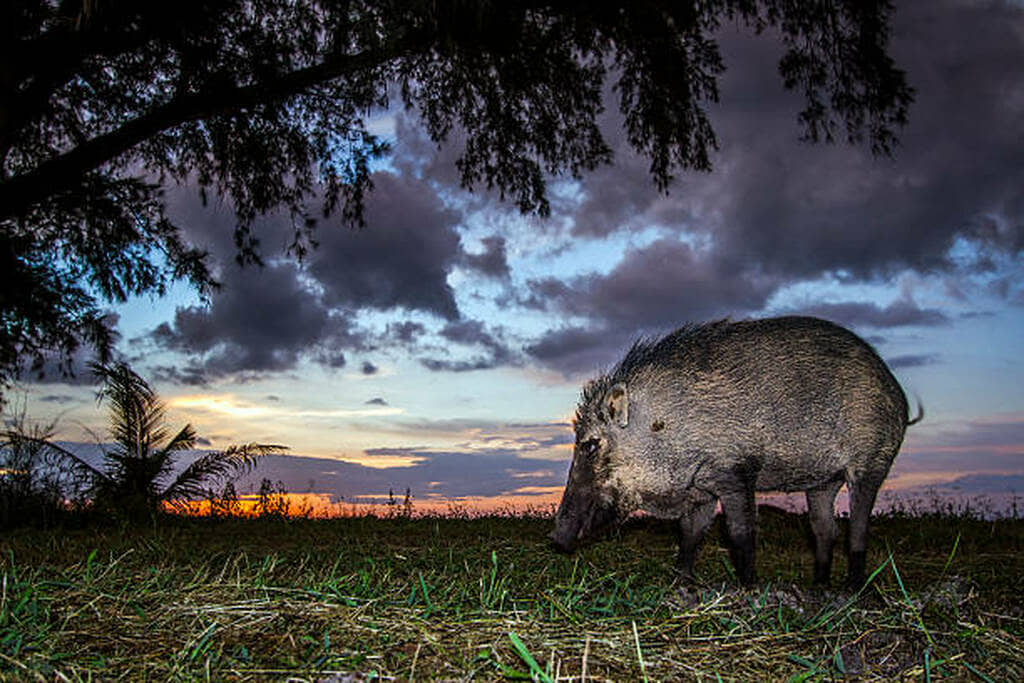
Why do some hunters consistently find feral hogs while others spend entire nights scanning empty fields and silent tree lines? The answer often has less to do with expensive gear and more to do with understanding nature itself. Moon phase and weather conditions can dramatically influence hog movement, feeding behavior, and overall hunting success.
Feral hogs are highly intelligent, adaptable animals with powerful survival instincts. Unlike deer or other common game species, hogs rely heavily on scent, temperature changes, darkness, and environmental pressure to determine when and where they move. A hunter who ignores weather patterns or moonlight conditions may unknowingly choose the worst possible night to hunt.
Many hunters experience the same frustrations repeatedly. They place bait correctly, use quality optics, and scout promising land, yet still come home empty-handed. Often, the real problem is poor timing. Bright full moons may shift feeding hours. Extreme heat can keep hogs buried deep in thick cover. Swirling wind can alert an entire sounder before the first shot opportunity appears.
Understanding how moon phases and weather affect hog hunting gives hunters a major advantage in the field. In this guide, you will learn how moonlight, temperature, rain, wind, and barometric pressure influence feral hog behavior and how to use those conditions to improve your odds of success dramatically.
Understanding Hog Behavior at Night
Feral hogs are naturally nocturnal animals, especially in areas with heavy hunting pressure or human activity. During daylight hours, they often remain hidden in thick brush, swamps, creek bottoms, or shaded bedding areas where temperatures stay cooler and visibility remains low. Once the sun sets, their behavior changes dramatically.
Unlike predators that depend heavily on vision, hogs rely primarily on their sense of smell and hearing to survive. Their eyesight is relatively weak, but their ability to detect scent on shifting wind currents is extremely advanced. This is one reason weather conditions play such a critical role in hog hunting success. A slight wind change can instantly alert an entire sounder and push them out of the area before hunters ever notice movement.
Temperature also heavily influences feeding patterns. During hot weather, feral hogs typically wait until late evening or early morning to move toward feeding zones. In cooler temperatures, especially during fall and winter, hogs may remain active for longer periods and occasionally feed during daylight hours.
Moonlight further affects nighttime confidence and movement routes. On darker nights, hogs often travel farther from bedding cover because they feel more protected. During bright full moons, they may alter movement schedules and feed later at night when pressure and visibility decrease.
Hunters who understand these behavioral patterns gain a major advantage. Instead of relying purely on luck, they can predict likely movement windows based on environmental conditions. This reduces wasted hunts and increases opportunities for close encounters and cleaner shots.
Best Moon Phases for Hog Hunting
The best moon phase for hog hunting usually depends on visibility, feeding confidence, and hunting pressure. Different lunar conditions change how safely hogs move across open terrain and when they choose to feed. New moons, full moons, and partial moon phases each create different hunting opportunities and
New Moon
For many experienced hunters, the new moon is considered one of the best moon phases for hog hunting. During this phase, nights are extremely dark, giving feral hogs a stronger sense of security as they move between bedding and feeding areas.
Because visibility is limited, hogs often travel farther into open fields, agricultural land, and bait sites. Their feeding activity tends to increase, especially in regions where hunting pressure is high. Darkness provides natural cover, making hogs more comfortable staying active for longer periods.
This can create outstanding opportunities for hunters using thermal optics or night vision equipment. With minimal ambient light, thermal signatures become easier to identify, especially near feeders, trails, and watering holes.
However, the new moon also creates challenges. Hunters without quality optics may struggle with target identification and safe shot placement. Navigation through thick terrain becomes more difficult, increasing noise and reducing stealth.
Despite these challenges, many hunters consistently report higher hog movement during dark moon conditions compared to brighter lunar phases.
Full Moon
Full moon hunting produces mixed results depending on hunting pressure, habitat, and weather conditions. Bright moonlight increases visibility across fields and open terrain, which can make hogs more cautious.
In many cases, feral hogs shift their feeding patterns during full moons. Instead of appearing shortly after sunset, they may delay movement until very late at night or just before dawn. Some hogs also spend more time inside thick cover where shadows offer additional protection.
Hunters often become frustrated during full moon periods because bait sites that were highly active during darker nights suddenly appear empty. The hogs have not disappeared. They have simply changed their schedule.
One effective strategy during full moons is focusing on transition zones near bedding cover rather than waiting exclusively at feeders. Early evening and pre-dawn periods can also become more productive because hogs attempt to move during lower-risk hours.
Interestingly, some hunters prefer full moon conditions because visibility improves naturally, reducing dependence on artificial lighting or thermal devices. Spot-and-stalk hunters may benefit from the additional ambient light when moving quietly across open terrain.
Quarter Moon and Crescent Moon
Quarter moon and crescent moon phases often provide balanced conditions that many hunters consider ideal. These phases offer enough natural visibility to assist movement while still maintaining sufficient darkness to encourage hog activity.
Under partial moonlight, hogs frequently maintain predictable feeding behavior without becoming overly cautious. This balance can improve opportunities for hunters using traditional optics, thermal scopes, or suppressed rifles.
Crescent moon conditions are particularly popular among experienced night hunters because hogs often remain active throughout the night while visibility stays manageable. The reduced brightness also minimizes harsh shadows that can expose hunter movement.
Another advantage of partial moon phases is flexibility. Hunters can adapt to changing weather more easily without relying entirely on artificial illumination. Combined with cool temperatures and stable wind, quarter moon hunts can produce highly consistent results.
Many seasoned hunters eventually discover that there is no universally perfect moon phase. Instead, the best conditions usually come from combining favorable moonlight with ideal weather patterns and proper hunting strategy.
How Weather Affects Hog Hunting
Weather conditions directly influence hog movement intensity, feeding duration, and travel patterns.
Temperature, rain, wind direction, and barometric pressure all affect how comfortably feral hogs move during the night. Understanding each weather factor separately helps hunters predict activity more accurately.
Temperature
Temperature is one of the most important factors influencing feral hog movement. Hogs do not tolerate extreme heat well because they cannot sweat efficiently like humans. During hot weather, they typically remain close to water sources, muddy wallows, and thick shaded cover throughout the day.
In summer conditions, hog activity often peaks late at night or shortly before sunrise when temperatures become more comfortable. Hunters who attempt evening hunts too early may spend hours waiting without seeing movement.
Cooler weather generally increases feeding activity and movement duration. During fall and winter, hogs may travel greater distances searching for food, especially after cold fronts. Lower temperatures also reduce physical stress, allowing hogs to remain active for extended periods.
This is one reason many hunters experience their most productive hunts during cool nights with stable conditions.
Rain and Humidity
Light rain can significantly improve hunting conditions. Moist ground softens footsteps, making hunter movement quieter and more controlled. Rain also enhances tracking because fresh hoof prints become easier to identify in mud or damp soil.
Humidity can help scent disperse differently through vegetation, occasionally reducing the chance of immediate detection if wind conditions remain stable.
However, heavy rain often creates problems. Intense storms reduce visibility, limit thermal effectiveness, and disrupt predictable feeding behavior. Hogs may remain hidden until severe weather passes completely.
One overlooked advantage of post-rain hunting is fresh movement analysis. Newly disturbed mud, tracks, rooting activity, and wallows become much easier to locate after rainfall.
Read more: Hog Hunting in the Rain: Better Success or Big Mistake?
Wind Direction
Wind direction may be the single most important weather factor in hog hunting. Feral hogs trust their noses constantly. If human scent reaches them, they often flee immediately without giving hunters any warning.
Many failed hunts happen because hunters focus entirely on optics and bait placement while ignoring wind positioning.
Approaching bait sites from downwind areas dramatically improves success rates. Hunters should also monitor shifting wind throughout the night because temperature changes can alter airflow unexpectedly.
Swirling winds are especially dangerous in valleys, creek bottoms, and dense timber. Even excellent camouflage cannot compensate for poor scent control when hunting feral hogs.
Combining Moon Phase and Weather for Maximum Success
Successful hog hunters rarely rely on just one factor when planning a hunt. The real advantage comes from understanding how moon phase and weather work together to influence feral hog behavior. A favorable moon phase can quickly become unproductive if paired with poor wind conditions or extreme temperatures.
One of the most effective combinations for hog hunting is a dark or crescent moon paired with cool temperatures, light steady wind, and stable barometric pressure. Under these conditions, hogs often feel secure enough to leave bedding cover earlier and remain active longer throughout the night. Visibility stays low enough to encourage movement, while cooler air reduces stress and increases feeding activity.
Light humidity and slightly damp ground can improve conditions even further. Moist terrain helps reduce noise when walking and allows hunters to identify fresh tracks more easily. These conditions are especially valuable for spot-and-stalk hunting techniques.
On the other hand, certain combinations create extremely difficult hunting situations. A bright full moon combined with hot temperatures and swirling wind often produces disappointing results. Hogs become cautious, feed later at night, and spend more time inside thick cover. Even experienced hunters may struggle to locate consistent movement patterns during these periods.
Different hunting methods also benefit from different environmental setups. Thermal hunters often prefer dark moon conditions because heat signatures stand out more clearly. Hunters using bait stations may benefit from cooler evenings after light rain when hogs actively search for food. Stand hunters usually perform best when wind direction remains predictable for several hours.
The most successful hunters constantly adapt their strategies instead of hunting the same way every night. Reading environmental conditions before entering the field can dramatically improve both encounter rates and shot opportunities.
Common Hog Hunting Mistakes Related to Weather
Many hog hunting failures happen because hunters ignore how environmental conditions affect feral hog movement and behavior.
Wind direction, temperature changes, moon visibility, and weather transitions can all reduce hunting success when they are misunderstood. The most common mistakes usually involve poor positioning, incorrect timing, excessive visibility, and failure to adapt to changing conditions.
Ignoring Wind Direction
One of the biggest mistakes hunters make is underestimating the importance of wind. Feral hogs rely heavily on scent to detect danger. A hunter with excellent camouflage and expensive equipment can still ruin an entire hunt simply by approaching from the wrong direction.
Many beginners focus entirely on where hogs are feeding instead of how their scent travels through the area. Once hogs detect human odor, they often disappear long before hunters ever see them.
Checking wind direction before setting up is essential. Even small wind shifts during the night can change the outcome of a hunt completely.
Hunting During Extreme Heat
Another common mistake is hunting too early during hot weather. In warm climates, hogs frequently avoid movement until temperatures drop significantly after sunset.
Hunters who arrive too early often become impatient and leave before peak movement begins. Understanding temperature-driven behavior is critical, especially during summer months.
Water sources, shaded creek bottoms, and muddy wallows become primary hotspots during extreme heat conditions.
Overusing Bright Lights During Full Moons
Bright moonlit nights already increase visibility for hogs. Hunters who add excessive artificial lighting during full moons may unintentionally pressure hogs even more.
Sudden bright light can cause immediate flight responses, particularly in areas with frequent hunting pressure. Many experienced hunters reduce lighting intensity during bright lunar phases and rely more on natural shadows and stealth.
Refusing to Adapt to Changing Conditions
Some hunters follow the same routine regardless of weather changes. This creates repeated frustration and wasted trips.
Cold fronts, rain systems, humidity changes, and pressure shifts all influence hog activity. Hunters who ignore these environmental clues often blame equipment or bait placement instead of adjusting their timing and strategy.
Adaptability separates successful hog hunters from those who consistently struggle in the field.
Pro Tips From Experienced Hog Hunters
Experienced hog hunters often pay closer attention to environmental patterns than to gear itself. While quality equipment certainly helps, timing and strategy usually determine long-term success.
One valuable technique is monitoring barometric pressure before every hunt. Many hunters notice increased hog movement several hours before storms or cold fronts arrive. During these periods, hogs frequently feed aggressively before weather conditions worsen.
Thermal hunters often target dark moon nights because reduced ambient light improves heat signature visibility dramatically. Under these conditions, hogs tend to move confidently across open terrain, creating excellent opportunities for long-range observation and shot placement.
Another proven strategy involves focusing on water sources during drought or extreme heat. Ponds, creeks, muddy wallows, and shaded drainage areas often become predictable travel corridors when temperatures rise.
Experienced hunters also avoid overpressuring bait sites. Visiting the same area repeatedly with poor wind conditions can educate hogs quickly and reduce future movement patterns.
Patience plays a major role as well. Many beginners abandon stands too early during difficult weather shifts. Skilled hunters understand that movement windows may simply change rather than disappear completely.
Some hunters even keep detailed journals tracking moon phases, temperature, wind, pressure, and sightings after every hunt. Over time, these records reveal patterns unique to specific hunting properties and regions.
In the end, successful hog hunting is rarely random. Hunters who combine environmental awareness with consistent observation often achieve dramatically better results than those who rely purely on luck.
FAQ: How Moon Phase and Weather Affect Hog Hunting
What moon phase is best for hog hunting?
Many experienced hunters prefer the new moon or crescent moon phases because darker nights encourage feral hogs to move more confidently in open areas. Reduced moonlight often increases feeding activity around bait sites, agricultural fields, and water sources.
However, success still depends heavily on weather, hunting pressure, and terrain. Some hunters achieve excellent results during partial moon phases when visibility and hog activity remain balanced.
Do hogs move during full moons?
Yes, hogs still move during full moons, but their behavior often changes. Bright moonlight increases visibility, which can make hogs more cautious. Instead of feeding early in the evening, they may wait until very late at night or shortly before dawn.
During full moons, hunters often have better success targeting thick cover, transition zones, and travel corridors instead of open feeding areas.
Is rain good for hog hunting?
Light rain can improve hog hunting conditions significantly. Damp ground reduces noise while walking, and fresh tracks become easier to identify in mud or soft soil. Cooler temperatures associated with rain can also increase hog movement.
Heavy rain, however, may reduce visibility and disrupt normal feeding behavior temporarily. After storms pass, fresh rooting activity and tracks often become easier to locate.
What temperature is ideal for hog activity?
Feral hogs generally become more active during cooler temperatures. Mild nights and cold fronts often increase feeding duration and travel distance. Extremely hot weather usually pushes hogs toward nighttime movement near water and heavy cover.
In many southern regions, the best activity occurs during cool evenings following daytime heat.
Does barometric pressure affect feral hogs?
Yes, many hunters believe barometric pressure changes strongly influence hog movement. Falling pressure before storms often triggers increased feeding activity. Stable pressure patterns may also support more predictable movement throughout the night.
Although pressure alone does not guarantee success, combining pressure trends with favorable moon phases and wind conditions can improve hunting opportunities substantially.
Conclusion
Understanding how moon phase and weather affect hog hunting can completely change the way hunters approach the field. Instead of relying on guesswork or repeating the same routine every weekend, successful hunters learn to adapt to environmental conditions that influence feral hog behavior directly.
Moonlight affects confidence, feeding schedules, and movement patterns. Weather conditions such as temperature, rain, humidity, wind, and barometric pressure further shape where and when hogs become active. Hunters who recognize these patterns gain a major advantage over those who ignore them.
Many frustrating hunts happen not because of poor equipment or lack of scouting, but because hunters choose unfavorable conditions without realizing it. A bright full moon combined with swirling wind and extreme heat can dramatically reduce opportunities, while a cool dark night with stable wind may create ideal movement conditions.
The most effective hog hunters constantly study the environment before entering the field. They monitor forecasts, track moon phases, observe pressure changes, and adjust strategies accordingly. Over time, this approach leads to more sightings, cleaner shots, and fewer wasted nights.
Every hunting property is different, so experimentation is important. Pay attention to how hogs respond to changing conditions in your area and build your own long-term patterns. The more you understand nature, the more consistent your hog hunting success becomes.
Have you noticed better hog activity during certain moon phases or weather conditions? Share your experience and compare strategies with other hunters.