Wild hogs have earned a reputation for being some of the toughest animals hunters encounter in the field. Many hunters have experienced the same frustrating moment: a solid-looking shot connects, the hog reacts violently, then disappears into thick cover as if nothing happened. Hours later, there is little blood, no clear trail, and no animal to recover. That experience leads many people to ask the same question: can hogs survive bad shots?
The short answer is yes. Wild hogs can survive certain poorly placed shots far better than many other game animals. Their thick hide, dense muscle structure, protective shoulder shield, and incredible adrenaline response make them unusually resilient. Even when seriously wounded, a feral hog may still travel long distances before slowing down.
For hunters, this creates several major challenges. A poorly placed shot can result in a lost animal, dangerous nighttime tracking conditions, and ethical concerns about unnecessary suffering. Many hunters also struggle with choosing the right shot angle or understanding exactly where a hog’s vital organs sit compared to deer anatomy.
Understanding why hogs are so durable is the first step toward improving recovery rates and making cleaner, more ethical kills. In this guide, we will break down hog anatomy, explain which bad shots are survivable, and show how proper hog shot placement dramatically increases success during wild hog hunting.
Why Are Wild Hogs So Tough?
One of the biggest reasons hunters ask “can hogs survive bad shots” is because wild hogs are physically built for survival. Compared to deer and many other game animals, feral hogs possess a combination of muscle density, thick skin, heavy bone structure, and extreme durability that allows them to absorb punishment surprisingly well.
A mature boar develops what hunters commonly call a “shield.” This protective layer forms over the shoulders and ribs through years of scar tissue, cartilage buildup, fat, and thickened hide from fighting other hogs. On large boars, the shield can become several inches thick. In some cases, lighter bullets or poorly constructed ammunition may fail to penetrate deeply enough to reach the lungs or heart.
Wild hogs also carry their vital organs slightly farther forward than deer. Hunters accustomed to deer anatomy often place shots too far back on hogs, resulting in gut shots or non-fatal muscle wounds. This mistake is extremely common, especially during fast-moving encounters at night or in heavy brush.
Another major factor is adrenaline. Hogs can react aggressively even after taking serious damage. A mortally wounded hog may still sprint long distances, cross water, or disappear into thick cover before collapsing. This creates the illusion that the animal survived a better shot than it actually did.
Many experienced hunters have recovered hogs with old scars, healed bullet fragments, or damaged tissue from previous encounters. These discoveries reinforce the idea that feral hogs are among the toughest animals commonly hunted in North America.
Understanding this toughness is critical because it changes how hunters should approach shot placement, caliber selection, and recovery efforts during wild hog hunting.
Can Hogs Survive Bad Shots?
Yes, hogs can survive bad shots under certain conditions, especially when the bullet or arrow fails to damage vital organs. The exact outcome depends on where the animal was hit, how much penetration occurred, and whether major blood vessels, lungs, or the heart were affected.
One of the most survivable hits is a rear-quarter or muscle-only shot. These wounds may cause pain and bleeding, but they often fail to stop the hog quickly. Unless infection develops later, many hogs recover from these injuries surprisingly well.
Gut shots are more complicated. A hog shot in the stomach or intestines may not die immediately. In some cases, the animal can survive for hours or even days while traveling significant distances. Hunters often lose these hogs because blood trails are minimal and movement becomes unpredictable.
High shoulder misses are another common problem. Hunters sometimes aim slightly too high, especially under stress, causing the shot to strike muscle above the lungs rather than entering the chest cavity. The hog reacts violently, leading the shooter to believe the shot was fatal, but the animal may survive if the spine and lungs remain untouched.
Low brisket shots can also be deceptive. These wounds may create visible blood while avoiding critical organs entirely. A hog with this type of injury may continue feeding and moving normally within a short period.
Adrenaline plays a major role in how hogs respond after impact. Even when severely wounded, they often continue running at full speed immediately after the shot. This can confuse hunters into thinking they missed completely.
The biggest danger with bad shots is not only losing the animal but also creating dangerous recovery situations. A wounded boar hiding in thick brush can become aggressive and unpredictable, especially after dark.
Understanding Hog Vital Organs and Shot Placement
Proper hog shot placement is the single most important factor in preventing wounded animals and increasing successful recoveries. Many hunters struggle because hog anatomy differs significantly from deer anatomy, particularly in the location of the heart and lungs.
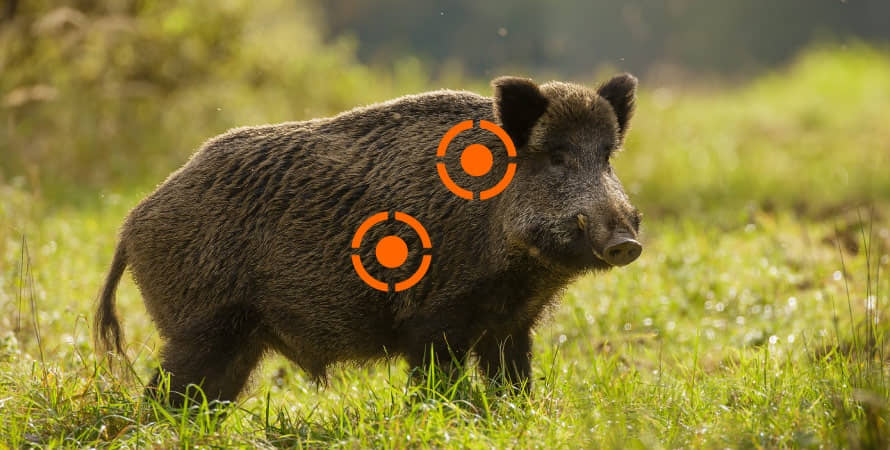
A hog’s vital organs sit lower and farther forward than many people expect. The heart is positioned low in the chest directly behind the front leg, while the lungs extend upward behind the shoulder. Because of this positioning, the ideal shot is usually a broadside lung shot placed slightly above the elbow area.
Quartering-away angles are also highly effective because they allow the bullet or arrow to pass through both lungs while avoiding the thick shoulder shield. These shots typically create better blood trails and faster kills.
Head shots can be effective but are risky. A hog’s skull is dense and heavily sloped, increasing the chance of deflection if the angle is poor. Small targeting errors can result in severe but non-fatal injuries, especially during low-light hunting conditions.
Frontal shots are another high-risk option. While they can produce immediate kills with proper placement, the target area is relatively small and heavily protected by bone and tissue. Many bad shots occur when hunters rush frontal opportunities.
Running shots dramatically increase the odds of poor placement. Even experienced hunters can hit too far back or too high when shooting at moving hogs, especially in thick vegetation or during nighttime hunts.
Hunters should also consider caliber and ammunition performance. Weak penetration can prevent bullets from reaching the vitals, particularly on mature boars with thick shoulder shields. Proper bullet construction often matters more than sheer caliber size alone.
The most ethical approach is patience. Waiting for a clear broadside or slight quartering-away angle greatly improves the chances of a quick humane kill and reduces the likelihood of losing wounded hogs in dense cover.
How Far Can a Wounded Hog Run?
One of the most frustrating parts of wild hog hunting is watching a hog disappear after what seemed like a solid shot. Many hunters underestimate just how far a wounded hog can travel, especially when adrenaline is pumping. Even with fatal damage, some hogs continue moving long enough to create difficult recovery situations.
A double lung shot hog may still run anywhere from 50 to 150 yards before collapsing. This surprises many newer hunters because the animal often reacts explosively at the moment of impact. A hog may kick, spin, squeal, or sprint into thick brush immediately after being hit. That reaction does not necessarily mean the shot failed.
Gut shot hogs are far more problematic. These animals can survive for several hours or even days depending on the severity of the injury. Because the digestive system contains bacteria and partially digested material, death usually occurs slowly through infection or internal complications rather than immediate blood loss. During that time, the hog may travel significant distances through swamps, fields, or dense woods.
The distance a wounded hog can run depends on several important factors. Shot placement remains the biggest factor, but bullet penetration, arrow performance, caliber choice, terrain, and the size of the hog all contribute to the outcome. Large mature boars are particularly difficult because their heavy muscle mass and thick shoulder shield absorb a tremendous amount of impact.
Tracking wounded hogs is often harder than tracking deer. Many hogs leave surprisingly weak blood trails due to thick fat layers sealing entry wounds. Mud, standing water, and dense vegetation can make recovery even more difficult, especially during nighttime hunts.
This is why many experienced hunters stress patience after the shot. Rushing into thick cover too quickly can push a wounded hog farther away and reduce the chances of recovery.
Read more: How Moon Phase and Weather Affect Hog Hunting Success
Signs a Hog May Survive or Die Later
After taking a shot, understanding a hog’s behavior can help determine whether the wound is likely fatal or survivable. Reading these signs correctly is critical because it influences how hunters should approach tracking and recovery.
One of the clearest indicators of a fatal hit is bright red frothy blood. This usually signals lung damage and often means the hog will not travel far. Hunters may also notice coughing, heavy breathing, stumbling, or a hunched posture shortly after impact. A hog that slows down quickly or struggles to maintain balance is often severely wounded.
Rear leg weakness is another strong sign of major internal damage. If the animal drags its legs or struggles while running, the shot may have affected the spine, hips, or lower organs. These hogs typically bed down within a shorter distance.
By contrast, some signs suggest the hog may survive the injury. A hog that runs aggressively at full speed without hesitation often has a non-vital wound. Minimal blood, especially dark or watery blood, can indicate muscle or flesh damage rather than a lung or heart hit. Hogs that continue moving confidently with their heads raised are also more likely to survive.
Aggressive behavior after impact can sometimes indicate a wounded but still dangerous animal. Mature boars occasionally stop, circle back, or hide nearby after being shot. This creates dangerous tracking situations, particularly in thick brush or low-light conditions.
Patience becomes extremely important during recovery. Hunters who immediately chase a wounded hog often push the animal farther away. In many cases, waiting 20 to 30 minutes after the shot allows the hog to bed down instead of continuing to run.
Careful observation after the shot can dramatically improve recovery success. Watching where the hog disappears, listening for crashing sounds, and identifying the last visible movement often provide more useful information than rushing into the trail too quickly.
Common Mistakes Hunters Make
Many lost hogs are the result of avoidable mistakes rather than poor equipment. Wild hogs are resilient animals, but improper decisions before and during the shot dramatically increase the chances of wounded animals escaping.
One of the most common mistakes is shooting too far back. Hunters familiar with deer anatomy often aim behind the shoulder where a deer’s lungs would sit. On hogs, this placement frequently results in gut shots because the vital organs sit farther forward. Even experienced hunters occasionally make this error under pressure.
Taking moving shots is another major problem. Hogs rarely stand still for long, especially when hunting at night or around feeders. Hunters often rush the trigger pull before the animal presents a clean broadside angle. This leads to poor impacts in the shoulder, neck, or rear quarters rather than the lungs or heart.
Using insufficient ammunition can also create serious issues. Lightweight bullets with poor penetration may fail to pass through the shield and heavy muscle of mature boars. While caliber matters, bullet construction is often even more important during wild hog hunting.
Low-light conditions contribute to many bad shots as well. Poor visibility makes it difficult to identify the shoulder line and exact angle of the animal. Hunters relying on weak optics or low-quality lighting systems may struggle to place shots accurately in the dark.
Another common mistake is tracking too aggressively after the shot. Many hunters become impatient and immediately enter thick cover. A wounded hog that might have bedded down nearby is suddenly pushed farther away, making recovery far more difficult.
Some hunters also underestimate how dangerous wounded hogs can become. Charging into dense brush without caution can lead to close-range encounters with aggressive boars. This is especially risky during nighttime hunts when visibility is limited.
The best hunters focus on discipline rather than speed. Waiting for the right angle, using proper equipment, and remaining patient after the shot consistently lead to cleaner kills and fewer lost animals during hog hunting.
Ethical Hunting and Recovery Tips
Ethical hunting should always be a priority during wild hog hunting, especially because hogs can survive bad shots more often than many hunters expect. A quick humane kill not only shows respect for the animal but also prevents unnecessary suffering and reduces the chances of dangerous recovery situations.
One of the most important ethical practices is knowing your limitations. Hunters should avoid taking rushed shots, extreme angles, or long-distance attempts beyond their skill level. Waiting a few extra seconds for a broadside opportunity often makes the difference between a clean recovery and a lost hog disappearing into thick cover.
Consistent shooting practice is another critical factor. Many hunters spend significant money on rifles, optics, and thermal equipment but fail to practice realistic field shooting positions. Wild hogs rarely stand perfectly still in ideal conditions. Practicing from sticks, blinds, kneeling positions, or low-light scenarios helps improve confidence and accuracy when the moment matters most.
Using proper ammunition is equally important. Strong penetration and reliable expansion help ensure the bullet reaches the vital organs even on large boars with heavy shoulder shields. Hunters who use weak or inappropriate loads often experience poor penetration and longer recovery situations.
Tracking preparation also matters. Every hunter should carry dependable flashlights or headlamps, especially during nighttime hunts. Entering thick brush without proper visibility creates safety risks and increases the chance of losing the blood trail entirely. Hunting with partners can make recovery safer and more efficient, particularly when dealing with wounded boars in dense terrain.
Ethical hunters also commit to following every shot. Even when a hit appears questionable, making a serious recovery effort is part of responsible hunting. Many hogs that initially seem missed are later found wounded nearby.
The hunters who consistently recover animals are usually the ones who stay patient, remain disciplined, and prioritize shot placement over speed. Respect for the animal and attention to detail ultimately separate responsible hunters from careless ones.
Conclusion
So, can hogs survive bad shots? The answer is absolutely yes. Wild hogs are incredibly durable animals with thick hides, dense muscle structure, protective shoulder shields, and strong survival instincts that allow them to endure injuries that would quickly stop many other game animals.
However, survival often depends on where the hog is hit and how much damage reaches the vital organs. Poor shot placement, rushed shooting decisions, and weak penetration are among the biggest reasons hunters lose wounded hogs in the field. Understanding hog anatomy and waiting for high percentage shot angles dramatically improves recovery success.
The most important lesson is that proper hog shot placement matters more than raw firepower alone. Even powerful calibers can fail if the bullet misses the heart and lungs, while accurate well-placed shots usually produce fast ethical kills.
Wild hog hunting can be exciting, challenging, and unpredictable, but responsible hunters understand the importance of patience and preparation. Taking the time to practice, choosing quality ammunition, and learning how hogs react after impact all contribute to better outcomes in the field.
If you have ever wondered whether hogs can survive bad shots, the evidence clearly shows they can. That is exactly why discipline, anatomy knowledge, and ethical decision-making are essential parts of successful wild hog hunting.
Have you ever tracked a wounded hog after a difficult shot? Share your experience, lessons learned, or favorite shot placement tips in the comments below.