
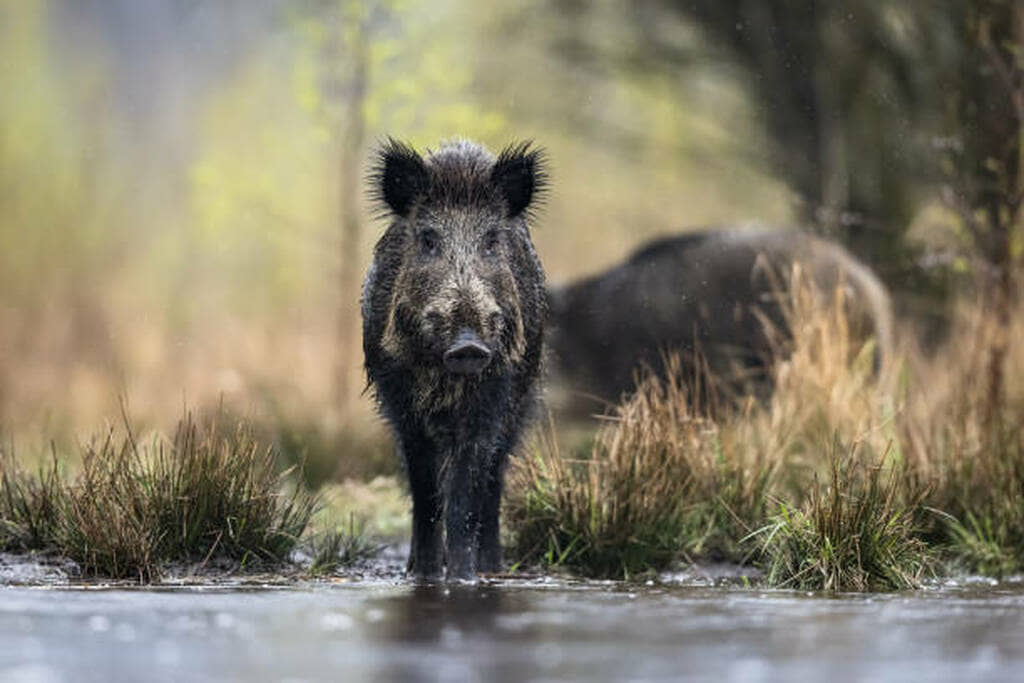
Wild hogs are among the toughest and smartest game animals in North America. They adapt quickly, move unpredictably, and often become nocturnal when hunting pressure increases. That is why many hunters constantly search for any advantage that can improve their odds in the field. Surprisingly, one of the most overlooked advantages is rain.
Many hunters stay home when storms roll in. Muddy terrain, poor visibility, and wet gear can make the experience uncomfortable and frustrating. However, experienced hog hunters often recognize that rainy conditions can completely change feral hog behavior in ways that favor the hunter.
Rain affects nearly everything hogs depend on to survive. It softens the ground, cools temperatures, increases feeding activity, and changes how scent travels through the air. In dry conditions, hogs may remain hidden deep in cover or move mostly at night. After rainfall, they often become more active and easier to track during daylight hours.
That does not mean every rainy day creates perfect hunting conditions. Heavy storms, strong winds, and flooding can reduce visibility and make movement difficult for both hunters and hogs. Success depends on understanding exactly how weather patterns influence hog behavior and knowing when to hunt before, during, or after rainfall.
In this guide, you will learn whether rain truly improves hog hunting, the best weather conditions for success, and the mistakes many hunters make when hunting feral hogs in wet conditions.
Why Rain Can Improve Hog Hunting
Rain changes the environment in ways that often favor hunters more than hogs. While many animals become less predictable during storms, feral hogs frequently increase their activity when weather conditions become cooler and wetter. Understanding these behavioral changes can dramatically improve hunting success.
One of the biggest advantages of rain is cooler temperatures. Wild hogs struggle in extreme heat because they cannot sweat efficiently. During hot and dry conditions, they usually remain hidden in thick cover during daylight hours and move mostly at night. Rainfall lowers surface temperatures and encourages hogs to feed earlier in the morning and later into the daytime.
Wet ground also creates ideal tracking conditions. Fresh hoof prints become easier to identify in mud, and rooting activity stands out clearly after rainfall. Hunters can follow disturbed soil, water-filled tracks, and damaged vegetation much more effectively than during dry weather. For beginners, rainy conditions provide one of the easiest opportunities to learn basic hog tracking skills.
Another major factor is scent control. Hogs rely heavily on their sense of smell to detect danger. Dry air and swirling winds can carry human scent long distances across open terrain. Rain and humidity often suppress scent movement, allowing hunters to approach feeding areas more quietly and effectively. Light rain can also mask the sound of footsteps, shifting gear, or brushing against vegetation.
Rain improves feeding opportunities for hogs as well. Softened soil makes it easier for them to dig for roots, worms, insects, and buried food sources. After a storm, hogs frequently leave thick bedding areas and travel into open fields, creek bottoms, and agricultural land searching for easy food.
However, not all rain improves hunting. Light drizzle or steady moderate rainfall often creates the best conditions. Severe storms, heavy winds, and intense downpours can reduce visibility and push hogs into dense cover where they become harder to locate.
Experienced hunters understand one important principle: the best hunting usually happens immediately after rain rather than during the heaviest part of the storm.
Best Rain Conditions for Hog Hunting
Not all rainy weather produces the same hunting results. Some conditions can increase hog movement dramatically, while others can make feral hogs nearly impossible to locate. Knowing the difference helps hunters avoid wasting valuable time in the field.
Light rain or steady drizzle is often considered the ideal condition for hog hunting. Mild rainfall cools the environment without creating excessive noise or dangerous terrain. Hogs tend to remain active because they can still feed comfortably while benefiting from lower temperatures and softer ground.
Heavy rain creates a different situation entirely. Intense downpours reduce visibility for both hunters and hogs. Water accumulation, flooding, and strong winds may push hogs into thick brush, creek bottoms, or dense timber where they feel protected. Tracking also becomes more difficult because heavy rainfall quickly washes away fresh sign.
One of the most productive windows occurs immediately after rainfall stops. Post-storm conditions often trigger increased feeding activity. Cooler air temperatures, calm winds, and moist soil create ideal movement conditions for feral hogs. Hunters frequently report seeing hogs emerge from bedding areas shortly after storms pass, especially during early morning or late evening hours.
Temperature plays a major role as well. In southern states like Texas, Florida, and Louisiana, summer heat can severely reduce daytime hog activity. Rain combined with cooler temperatures often encourages hogs to travel farther and feed more aggressively during daylight. In colder regions, however, freezing rain or extended storms may reduce movement temporarily.
Wind direction also matters during rainy conditions. Gentle winds combined with light rain can help minimize scent detection. Sudden gusty winds after storms may spread human scent unpredictably across hunting areas, alerting hogs before hunters ever see them.
The best rainy weather setup for hog hunting usually includes:
- Light to moderate rainfall
- Cooler temperatures
- Stable winds
- Overcast skies
- A feeding window immediately after the storm
Hunters who monitor weather patterns instead of simply checking for rain often gain a major advantage over less experienced hunters.
How Rain Changes Hog Behavior
Rainfall affects nearly every aspect of feral hog behavior. Feeding patterns, movement routes, bedding locations, and even social activity can shift significantly depending on weather conditions. Hunters who understand these changes can predict hog movement far more effectively.
One of the biggest behavioral changes occurs in feeding activity. Rain softens the ground, making it easier for hogs to root for insects, tubers, worms, and buried food sources. Agricultural fields also become more attractive after rainfall because moisture exposes fresh plant material and softens crops. This is why freshly soaked food plots and crop edges often become prime hunting locations after storms.
Rain also encourages increased daytime movement. During hot weather, hogs commonly remain hidden during daylight hours to avoid overheating. Cooler rainy conditions reduce heat stress and allow hogs to move more comfortably during the day. Hunters who normally see only nighttime activity may suddenly encounter hogs during legal shooting hours after weather changes.
Mud becomes another important factor. Hogs love wallowing in wet areas because mud helps regulate body temperature and protects their skin from parasites and insects. After rainfall, wallows near ponds, creeks, and swampy terrain often become highly active zones. Fresh mud coating on nearby trees and vegetation is usually a strong indicator that hogs recently passed through the area.
Travel routes may change as well. During dry periods, hogs often rely on thicker cover and shaded bedding locations. After rain, they frequently move through creek crossings, open fields, and lowland feeding areas where moisture levels are higher. This movement pattern creates more opportunities for hunters positioned near natural funnels or transition zones.
Group behavior can also shift after storms. Entire sounders may become more active at once, especially following major weather fronts. Increased feeding urgency after bad weather sometimes leads to larger groups moving together in open terrain.
At the same time, severe storms can temporarily reduce activity. Loud thunder, dangerous winds, and flooding conditions may push hogs into dense bedding cover until the weather stabilizes. Timing remains critical. Hunters who arrive too early during violent weather often struggle, while those who hunt shortly after storms may encounter ideal movement conditions.
The key lesson is simple: rain does not just change the landscape. It changes how hogs feed, travel, hide, and react to pressure.
Tracking Hogs After Rain
Rain creates some of the best tracking opportunities a hog hunter can ask for. In dry terrain, feral hogs can move through hard ground without leaving clear signs behind. After rainfall, however, the environment begins revealing fresh clues almost everywhere.
Mud is one of the biggest advantages. Fresh hoof prints become deeper, sharper, and easier to follow across trails, creek crossings, and feeding zones. Hunters can often determine the size of the hog, the direction of travel, and how recently the animal passed through an area simply by studying tracks in wet soil.
Water inside tracks can provide valuable timing information. A print filled completely with fresh rainwater may have been made before rainfall stopped. A crisp track without standing water is often newer and worth following immediately. Experienced hunters use these small details to decide whether they are close to active hogs or following an older trail.
Rooting activity also becomes easier to spot after rain. Wet soil exposes freshly overturned dirt with stronger color contrast against the surrounding terrain. Torn grass, disturbed leaves, and broken vegetation stand out more clearly in moist conditions. Agricultural fields, creek banks, and oak flats often show extensive fresh rooting after storms.
Another important clue is mud rubs. Hogs commonly coat themselves in wet mud and then rub against trees, fence posts, or rocks. Fresh mud streaks on tree bark can reveal active travel corridors and nearby bedding areas. Combined with tracks and rooting signs, these indicators help hunters narrow down high-traffic zones quickly.
Rain also improves sound detection in some situations. Wet vegetation absorbs noise better than dry brush, allowing hunters to move more quietly through the woods. At the same time, hunters should listen carefully for rooting sounds, splashing water, or low grunts near swampy areas and creek bottoms.
Despite these advantages, rainy tracking still requires patience. Heavy rainfall can erase tracks quickly, while overly muddy terrain may contain overlapping signs from multiple animals. Hunters who move too fast often miss subtle indicators that reveal where hogs are feeding or bedding.
The best strategy is usually to focus on:
- Creek crossings
- Muddy game trails
- Fresh rooting zones
- Water sources
- Agricultural edges after rainfall
Rain transforms the ground into a giant information map for hunters who know how to read it.
Challenges of Hunting Hogs in the Rain
Although rain can improve hog activity, it also creates serious challenges that many hunters underestimate. Poor preparation during wet weather can ruin equipment, reduce visibility, and even create dangerous field conditions.
One of the biggest problems is reduced visibility. Heavy rain, fog, and dark cloud cover make it harder to spot hog movement, especially at longer distances. Dense brush becomes even more difficult to scan effectively. Hunters using traditional optics often struggle with fogged lenses and moisture-covered scopes that distort sight pictures at critical moments.
Terrain conditions become another major obstacle. Muddy ground slows movement, increases fatigue, and creates slipping hazards on hills, creek banks, and uneven trails. Vehicles and ATVs can also become stuck easily after prolonged rainfall, especially in clay-heavy regions common across southern hunting states.
Wind direction becomes less predictable during storms as well. Sudden weather changes often create swirling winds that spread human scent unpredictably through hunting areas. A hunter may appear perfectly positioned one moment and unknowingly expose their scent to approaching hogs the next.
Rain also affects firearms, ammunition, and electronic gear. Moisture can damage optics, thermal devices, rangefinders, and communication equipment if not properly protected. Cheap rain gear often creates excessive noise when moving, which can alert nearby hogs even before hunters see them.
Safety becomes increasingly important during severe weather. Flash floods, lightning, falling branches, and slippery river crossings can quickly turn a normal hunt into a dangerous situation. Hunters operating near swamps or creek systems should remain especially cautious after heavy storms.
Mental fatigue is another overlooked issue. Wet clothing, cold temperatures, and long hours in difficult conditions can reduce focus and patience. Many hunters begin rushing shots or abandoning proven tactics simply because discomfort affects decision-making.
Successful rainy weather hunters usually prepare with:
- Waterproof boots
- Rain-resistant weapon covers
- Dry storage bags for electronics
- Layered clothing for temperature changes
- Extra socks and gloves
- Thermal or low-light optics
The hunters who consistently succeed in rainy conditions are rarely the toughest. They are usually the most prepared.
Best Strategies for Rainy Weather Hog Hunting
Rain changes hog behavior, but successful hunters still need the right strategy to take advantage of those conditions. Simply entering the woods during wet weather is not enough. Positioning, timing, and movement all become even more important when visibility and terrain conditions shift.
One of the most effective tactics is hunting immediately after a storm passes. This short feeding window often produces increased movement as hogs leave bedding cover to search for food. Cooler temperatures and damp ground encourage activity, especially during early morning and late evening hours. Hunters who arrive too late may miss the most active period entirely.
Food sources become critical after rainfall. Freshly soaked crop fields, food plots, acorn flats, and grassy openings often attract feeding hogs quickly. Soft soil allows easier rooting, and moisture exposes insects and underground food. Positioning near these feeding areas can dramatically improve encounter rates.
Transition zones are another high-percentage setup. Hogs commonly move between bedding cover and feeding areas using creek beds, fence lines, lowland trails, and wooded corridors. Rain tends to concentrate movement into these predictable routes because hogs seek moisture, cover, and easy travel paths.
Elevated blinds become especially useful during wet conditions. Muddy terrain can make stalking difficult and noisy despite damp vegetation. Elevated positions improve visibility across open fields while helping contain scent above ground level. Hunters also stay drier and more comfortable during extended waits.
Night hunting after evening rain is often highly productive in states where it is legal. Cooler nighttime temperatures combined with post-rain feeding activity can create excellent movement conditions. Thermal optics perform particularly well after storms because wet ground often increases heat contrast against active animals.
Wind management remains essential even during rain. Many hunters mistakenly assume rainfall completely hides human scent. While humidity may reduce scent spread, swirling winds can still alert hogs quickly. Always approach hunting zones from downwind whenever possible.
Another advanced tactic involves monitoring barometric pressure changes. Many hunters believe hogs increase feeding activity before storms as pressure drops, then continue feeding aggressively once weather stabilizes. Tracking pressure trends alongside rainfall patterns can help predict movement windows more accurately.
The best rainy weather hunters focus on:
- Post-storm feeding activity
- Wet ground tracking opportunities
- Funnel locations and creek crossings
- Quiet movement
- Stable wind conditions
- Comfort and patience during long hunts
Rain rewards hunters who adapt faster than the hogs themselves.
Common Mistakes Hunters Make During Rainy Conditions
Rain can create excellent hog hunting opportunities, but it also exposes poor decision-making quickly. Many hunters assume any rainfall automatically improves success, only to spend long frustrating hours without seeing a single hog.
One of the most common mistakes is hunting during the peak of severe storms. Heavy downpours, strong winds, and loud thunder often reduce hog movement temporarily. Instead of feeding openly, hogs may remain deep in thick bedding cover until conditions stabilize. Hunters who wait until storms begin passing usually experience better movement activity.
Another major mistake is ignoring wind direction. Rain does not eliminate scent detection entirely. Swirling post-storm winds can spread human odor unpredictably across trails and feeding areas. Many hunters focus only on visibility while forgetting that hogs rely heavily on smell for survival.
Moving too aggressively through muddy terrain is another frequent problem. Wet ground may reduce noise slightly, but careless movement still alerts nearby hogs. Fast walking, splashing through water, or brushing against soaked vegetation can create unnatural sounds that experienced hogs recognize immediately.
Many hunters also overestimate the concealment provided by rain. Reduced visibility works both ways. Hunters may believe they are hidden simply because rain limits long-distance sightlines, while nearby hogs still detect movement at close range.
Poor gear preparation ruins countless rainy hunts every year. Cheap rain jackets create loud rubbing noises, wet boots cause discomfort, and unprotected optics become nearly useless in heavy moisture. Hunters who arrive unprepared often leave early because of equipment problems rather than lack of hog activity.
Another mistake is abandoning patience too quickly. Rainy weather hunting often requires slower movement and longer observation periods. Hogs may delay movement briefly after storms before suddenly appearing in groups near feeding zones. Hunters who relocate constantly can miss these productive windows.
Some hunters also fail to adjust shot placement expectations in wet conditions. Fogged optics, low light, and moving animals create more difficult shooting environments. Taking rushed low-visibility shots increases the risk of wounded animals and failed recoveries.
The smartest hunters avoid these mistakes by:
- Hunting after storms instead of during peak weather
- Maintaining strict scent control
- Moving slowly and quietly
- Using weather-resistant gear
- Remaining patient near active feeding zones
- Prioritizing safe, ethical shot opportunities
Rain can improve hog hunting dramatically, but only for hunters who understand how to adapt their tactics to changing conditions.
Conclusion
So, does rain improve hog hunting? In many cases, the answer is yes. Rain can create some of the best conditions for locating and hunting feral hogs, especially when hunters understand how weather changes hog behavior.
Cooler temperatures, softer ground, improved tracking conditions, and increased feeding activity often work together to make hogs more active after rainfall. Light rain and post-storm weather patterns frequently provide ideal opportunities for spotting movement near food sources, creek crossings, and muddy lowlands.
At the same time, rain is not a guaranteed advantage. Severe storms, poor visibility, dangerous terrain, and shifting winds can quickly turn a promising hunt into a frustrating or unsafe experience. Timing matters far more than simply hunting during wet weather. Experienced hunters focus on the period before or immediately after storms when hog movement usually increases the most.
Success in rainy conditions ultimately comes down to preparation and adaptability. Hunters who understand tracking signs, manage scent carefully, and position themselves near active feeding zones consistently outperform those who rely only on luck. The ability to read weather patterns is often what separates average hog hunters from highly successful ones.
The next time rain appears in the forecast, it may be worth reconsidering whether to stay home. Some of the best hog hunting opportunities happen when the woods are wet, quiet, and full of fresh sign.
Have you ever experienced better hog activity after rainfall? Do you prefer hunting before storms or after the rain stops? Share your experience, tactics, and favorite rainy weather hunting tips in the comments.