
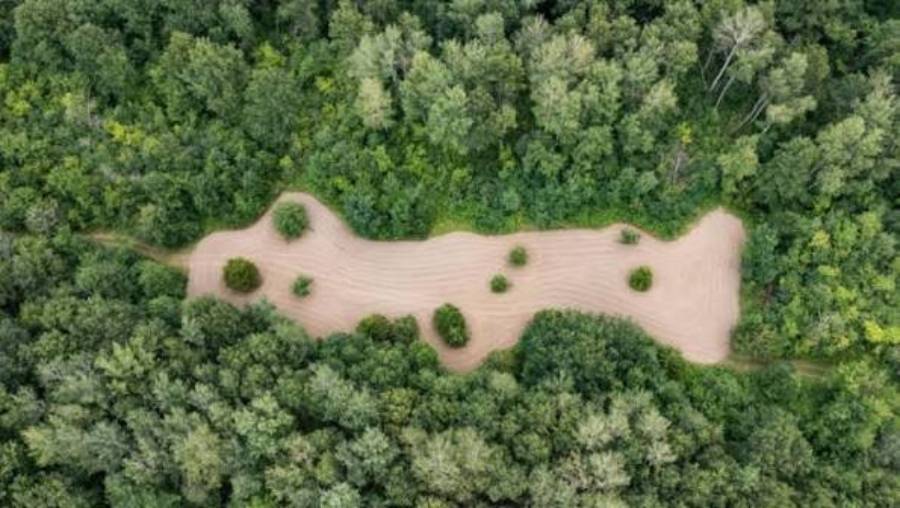
The best cover crops for deer food plots include clover, cereal rye, winter wheat, oats, brassicas, and chicory because these crops provide attractive forage during different parts of the year. The best choice depends on when deer need the forage, local growing conditions, soil quality, plot size, and the hunting season you want the food plot to support.
Clover is a strong choice for hunters who want productive forage across an extended growing period, while cereal rye and winter wheat provide dependable cool-season growth. Oats produce tender forage that deer readily browse during the fall, and brassicas such as turnips and radishes become particularly useful when the goal is to provide late-season food. Chicory offers another option for longer-lasting plots and works well alongside compatible perennial forage species.
A productive deer food plot therefore does not depend on finding one universally superior crop. It depends on matching the crop or seed mixture to the season, forage window, soil conditions, deer browsing pressure, and hunting objective. This guide compares the leading cover crops for deer food plots and explains when to plant each option, which crops work well together, and how to select a planting strategy that keeps useful forage available when deer are most likely to use the plot.
What Are the Best Cover Crops for Deer Food Plots?
The 6 best cover crops for deer food plots are clover, cereal rye, winter wheat, oats, brassicas, and chicory. These crops differ in growth period, cold tolerance, forage longevity, and attractiveness to deer, so the best option depends on when the food plot needs to produce usable forage.
Clover is one of the best choices for a long-lasting deer food plot because it produces nutritious leafy forage over an extended growing period. White clover is especially useful in perennial plots where hunters want forage available across multiple seasons rather than during a short attraction window. Clover also works well in mixtures because its growth pattern complements grasses and other forage species. A well-established clover plot can therefore serve as a consistent feeding location rather than a food source designed only for a narrow part of hunting season.
Cereal rye is a dependable cool-season crop for deer food plots because it establishes quickly, tolerates cold conditions, and continues producing green forage when several warm-season plants have stopped growing. This makes cereal rye particularly useful in fall and winter plots. Hunters should distinguish cereal rye from annual or perennial ryegrass because they are different plants with different forage characteristics. Cereal rye is the grain crop commonly used when the objective is fast establishment and cool-season forage.
Winter wheat provides palatable green forage during fall and cool weather. Deer browse its young growth, making winter wheat useful when a food plot needs to become attractive during hunting season. It can also be planted with other species rather than functioning as the only forage in the plot. Compared with crops planted primarily for summer production, winter wheat shifts the food plot’s productive window toward fall and winter.
Oats provide tender, highly palatable forage that can attract deer soon after establishment. Their rapid early growth makes them useful in fall food plots where hunters want forage available relatively quickly. Their primary limitation is cold tolerance. Severe freezing conditions can reduce or kill oat growth, so oats are better suited to early and mid-fall attraction in colder regions than to dependable late-winter forage. Combining oats with a more cold-tolerant cereal grain can extend the useful forage period.
Brassicas provide substantial fall and late-season forage through their leaves and, depending on the species, roots. Common food plot brassicas include turnips, radishes, rape, and kale. Their value becomes particularly relevant when other forage sources decline later in the season. Brassicas should not be treated as interchangeable, however, because individual species differ in root production, leaf production, maturity, and tolerance of growing conditions. Hunters should select the brassica according to the desired forage window rather than choosing solely because the seed is labeled as a deer food plot blend.
Chicory is a deep-rooted perennial forage that fits food plots intended to remain productive longer than a single hunting season. Its root system helps established plants access moisture deeper in the soil, while its leafy growth provides browse for deer. Chicory is frequently paired with clover because the two crops can contribute different growth characteristics within the same perennial plot. This combination is more appropriate when the objective is sustained forage than when a hunter needs a rapidly established annual attraction plot.
The best crop therefore changes with the food plot’s purpose. Choose clover or chicory for longer-lasting forage, cereal rye or winter wheat for dependable cool-season growth, oats for rapid fall attraction, and brassicas when late-season forage is a priority. A mixture can cover multiple forage windows when no single crop provides the combination of establishment speed, attraction, and seasonal longevity required by the plot.
Which Cover Crops Are Best for Deer in Each Season?
The best seasonal cover crops for deer are clover and chicory for spring and summer, oats and cereal grains for early fall, and cereal rye, winter wheat, and brassicas for late fall and winter. Seasonal crop selection matters because deer forage needs, plant growth, temperature, and the availability of natural food sources change throughout the year. A food plot that is highly productive in June may provide little usable forage during hunting season in November or December.
For spring deer food plots, clover is one of the strongest options because established plants can begin producing forage as growing conditions improve. Perennial clovers are particularly useful when the objective is to maintain the same food plot across several seasons. Chicory can complement clover in a perennial planting by adding another source of leafy forage with a deeper root system. Spring plots should focus on establishing or maintaining forage that remains useful as deer transition from limited winter food sources to abundant warm-season vegetation.
During summer, clover and chicory remain useful where adequate moisture and suitable growing conditions support continued growth. Summer food plots face greater competition from natural vegetation because deer have access to browse, forbs, agricultural crops, and other seasonal foods. The value of a summer plot therefore extends beyond immediate attraction during hunting season. Consistent forage can help maintain deer use of the property while perennial crops prepare the plot to remain productive later in the year.
For fall, oats, winter wheat, cereal rye, and brassicas provide four practical options for creating attractive cool-season food plots. Oats establish rapidly and produce tender young forage, while winter wheat and cereal rye provide green growth as temperatures decline. Brassicas add another forage type and can extend the usefulness of a plot later into the season. Planting more than one compatible crop allows a hunter to create overlapping forage periods instead of relying on a single species to remain attractive throughout the entire fall.
For winter, cereal rye and selected brassicas are valuable because they can continue contributing forage under colder conditions than less cold-tolerant crops such as oats. Winter wheat can also contribute cool-season forage where local conditions allow continued growth or grazing. The exact crop should be matched to regional temperatures and planting dates because winter conditions differ substantially between northern and southern hunting areas. The objective is to establish enough plant growth before severe cold arrives so deer have usable forage when natural green vegetation becomes limited.
Which Cover Crops Are Best for Attracting Deer?
Oats, clover, cereal grains, and brassicas are among the most useful cover crops for attracting deer, but their attraction peaks at different stages of growth and different times of year. A crop should therefore be evaluated by when deer are likely to use it rather than simply whether deer eat the plant.
Oats can provide rapid early-season attraction because deer browse the tender growth produced after germination. This characteristic makes oats useful when a hunter wants a newly planted fall plot to become a feeding location relatively quickly. Their weakness is longevity in regions with hard freezes. An oat-dominated plot can lose much of its value after severe cold, which is why oats are often more useful as one component of a diversified planting than as the only crop available for the entire season.
Clover provides a different form of attraction because its primary advantage is sustained forage availability rather than a short peak window. An established clover plot can receive deer use across a longer portion of the growing season when moisture, fertility, and grazing pressure permit regrowth. This makes clover particularly useful on properties where the goal is to establish predictable feeding areas that deer can revisit repeatedly.
Cereal rye and winter wheat shift attraction toward the cool season. Their young green growth can remain relevant when many surrounding herbaceous food sources have matured or disappeared. Cereal rye is particularly valuable where cold tolerance is important, while winter wheat provides another palatable cereal-grain option. These crops can also function as a green forage base around which other species are planted.
Brassicas are most useful when hunters need a different forage source for fall and late-season food plots. Turnips, radishes, rape, and kale can contribute substantial leaf biomass, while crops such as turnips also develop roots that may provide additional food. Deer response to brassicas can differ between properties, especially when the plants are unfamiliar to the local herd. For this reason, a diversified plot containing brassicas alongside established forage choices can reduce dependence on deer immediately accepting one new crop.
The most reliable attraction strategy is therefore not to identify one crop that deer supposedly prefer under every condition. Match the forage window to the period when you want deer using the plot. Use fast-growing forage such as oats for early fall attraction, cool-season cereals for continued green forage, brassicas for additional late-season food, and clover or chicory when longer-term plot use is the objective.
Which Cover Crops Are Best for Late-Season Deer Hunting?
Cereal rye, winter wheat, and brassicas are 3 of the best cover crop choices for late-season deer hunting because they provide forage during colder periods when many early-season plants have declined. The objective of a late-season food plot is different from that of an early-fall attraction plot. Hunters need crops that establish before cold weather and retain useful forage as temperatures fall and surrounding food availability changes.
Cereal rye is particularly useful for late-season plots because it has strong cold tolerance and can provide green forage under conditions that stop the growth of less hardy crops. Its ability to establish under cool conditions also gives hunters more flexibility than crops that require a long period of warm weather before becoming productive. Cereal rye should still be planted early enough to develop adequate forage before the coldest part of the season because cold tolerance does not eliminate the need for establishment.
Winter wheat provides another cool-season option for maintaining green forage. Young winter wheat can attract deer during fall and remain available into colder periods when properly established. Its value is particularly strong when the objective is to combine immediate fall forage with continued cool-season use. Local climate remains important because growth rates and winter survival differ by region.
Brassicas such as turnips, radishes, rape, and kale add a different forage structure to late-season food plots. They can produce substantial above-ground forage, while turnips and some other species also develop edible roots. This allows a brassica planting to provide food differently from cereal grains. Hunters can combine the two functional groups so the plot does not depend on a single plant type throughout the late season.
Oats are less dependable as a standalone late-season crop in areas exposed to hard freezes. They are better suited to providing rapid fall forage before severe cold becomes the dominant constraint. A mixture of oats and a more cold-tolerant cereal such as cereal rye can address this limitation: oats contribute early growth, while rye extends the green-forage window deeper into cold weather.
Late-season crop selection should also account for the food sources surrounding the hunting property. A plot competes with agricultural crops, hard mast, woody browse, and other available foods. The best late-season crop is the one that remains accessible and attractive when deer need it, not simply the crop that produces the greatest amount of vegetation. Plot location, hunting pressure, cover, and deer movement determine whether animals will use that forage during legal shooting hours.
Should You Plant One Cover Crop or a Mix for Deer Food Plots?
A crop mix is usually more versatile than a single crop when the objective is to provide multiple forage types and extend the productive period of a deer food plot. A monoculture can still be the better choice when a hunter has one specific objective, wants simpler management, or needs to establish a crop with clearly defined planting requirements.
The main advantage of a monoculture is control. Planting one crop makes seeding rate, planting depth, fertility, establishment, and crop performance easier to manage. A clover-dominated perennial plot, for example, can be managed around the requirements of clover instead of balancing several species with different growth patterns. A single-crop plot also makes it easier to determine whether that species performs well under the property’s soil and browsing conditions.
A mixture provides greater functional diversity. Different crops can contribute forage at different times, allowing one species to become useful as another loses productivity. Oats can provide rapid fall growth, cereal rye can contribute greater cold tolerance, and brassicas can add another late-season forage source. The result is a food plot with several potential feeding opportunities rather than one narrow attraction period.
Mixtures also reduce the risk of relying entirely on one crop. Drought, excessive moisture, early freezes, heavy browsing, or poor establishment can affect individual species differently. A compatible mixture gives the plot more than one path to producing usable deer forage. This does not mean adding as many seeds as possible. Each crop needs enough space, sunlight, moisture, and nutrients to establish without being overwhelmed by faster-growing species.
What Crops Grow Well Together in a Deer Food Plot?
Useful deer food plot combinations include cereal grains with brassicas, cereal grains with legumes, and clover with chicory. Each combination should be selected because the crops perform different functions within the plot rather than because a larger number of species automatically creates better forage.
Cereal grains and brassicas can create complementary fall and winter forage. Oats, winter wheat, or cereal rye provide grass-like green growth, while turnips, radishes, rape, or kale contribute broadleaf forage. Combining these functional groups can extend the feeding value of the plot because deer are not dependent on one forage type or one growth pattern.
Cereal grains can also be combined with suitable legumes when the planting objective and local growing conditions support both groups. Clover paired with chicory is another common strategy for longer-lasting plots because clover provides leafy legume forage while chicory contributes deep-rooted perennial growth. Their different root structures and growth characteristics make the combination more diverse than a single-species perennial plot.
The final mixture should remain simple enough to manage correctly. Seed size is especially important because small seeds and larger cereal grains do not necessarily require the same planting depth. Select 2–4 compatible crop types based on the desired forage window, then establish each seed at an appropriate depth instead of planting an oversized blend with no clear purpose. A purposeful mixture should solve specific food plot requirements such as early attraction, cold-weather forage, perennial production, or resilience across changing growing conditions.
Which Cover Crops Are Best for Small Deer Food Plots?
Clover, chicory, cereal rye, and compatible crop mixtures are strong choices for small deer food plots because they can provide useful forage without requiring a large planting area. The main constraint in a small plot is not simply acreage. Concentrated deer use can create heavy browse pressure, so the crop must establish successfully and continue producing enough forage to withstand repeated feeding.
Clover is particularly useful when a small plot is intended to provide forage across an extended period. Established clover can regrow after browsing, making it better suited to repeated deer use than crops that depend on producing one major flush of growth. Perennial clover also reduces the need to completely replant the plot every season. This makes it practical for secluded hunting plots where frequent soil preparation and planting would create unnecessary disturbance.
Chicory can complement clover when the objective is a longer-lasting small plot. Its deep root system gives it a different growth strategy from shallow-rooted forage species and can help established plants access moisture deeper in the soil. A clover-and-chicory planting therefore provides two forage types within the same limited area without requiring a complicated seed mixture.
Cereal rye is useful when a small plot needs fast cool-season establishment. Its cold tolerance and ability to produce green forage make it a practical option for fall plots where the planting window is limited. However, concentrated browsing can remove young growth quickly when deer density is high. Hunters should establish enough forage before peak use rather than expecting a heavily browsed plot to recover immediately during cold weather.
Small plots should also be evaluated by their hunting function. A plot designed primarily as a feeding destination can be managed differently from a small kill plot positioned near bedding cover or a travel corridor. For hunting-oriented plots, crop selection should match the period when deer are expected to use the location and the amount of browsing the planting can withstand. A highly attractive crop provides little hunting value if deer consume most of it before the intended hunting window.
How Do Soil Conditions Affect Cover Crop Selection for Deer Food Plots?
Soil pH, fertility, moisture, drainage, and soil structure directly affect which cover crops can establish and produce usable forage in a deer food plot. Choosing seed before evaluating these conditions increases the risk of poor germination, weak growth, and low forage production. Soil conditions should therefore narrow the crop choices before planting rates or mixtures are finalized.
Soil pH affects nutrient availability and plant performance. Different food plot crops have different preferred pH ranges, so there is no single ideal soil pH for every cover crop. A soil test provides the information needed to determine the existing pH and whether lime or fertilizer is required. Correcting a major soil limitation before planting is generally more effective than compensating for weak crop growth after germination.
Fertility also changes crop performance because plants require adequate nutrients to produce roots and above-ground forage. Legumes such as clover and cereal grains such as rye or wheat do not have identical nutrient requirements. The fertilizer strategy should therefore follow the selected crop and soil-test results rather than relying on one standard food plot fertilizer program. Excessive or poorly targeted fertilizer adds cost without solving limitations such as incorrect pH, poor drainage, or inadequate seed-to-soil contact.
Soil moisture determines whether a crop can germinate and remain productive after establishment. A crop suited to a well-drained site may perform poorly in persistently wet soil, while shallow-rooted forage can experience greater stress when the upper soil profile dries. Chicory’s deeper root system can provide an advantage in suitable sites where moisture becomes limited later in the growing period, but drought tolerance does not eliminate the need for adequate moisture during germination and early establishment.
Drainage is equally important because saturated soil limits root function and can reduce stand establishment. Low areas that retain water should not automatically receive the same crop mixture used on well-drained slopes or upland plots. Match the crop to the site’s actual moisture pattern instead of treating every acre of a food plot as having identical growing conditions. Large plots with clear soil differences may benefit from different plantings in separate zones.
Poor soil does not mean that any crop labeled as hardy will succeed without preparation. Correct the limiting factor when practical, then choose a crop capable of performing under the remaining site conditions. For example, improving an unsuitable pH can expand the number of crops that will establish successfully, while choosing a more appropriate species can address constraints that cannot easily be changed.
The selection process should therefore begin with the site rather than the seed bag. Test the soil, identify pH and fertility limitations, evaluate moisture and drainage, and then select the cover crop or mixture that matches those conditions. This approach increases the probability that the food plot will produce enough forage to support repeated deer use during the intended hunting period.
When Should You Plant Cover Crops for Deer Food Plots?
Plant cover crops early enough to establish usable forage before the period when you want deer feeding in the plot. The correct planting date depends on the crop species, local climate, expected first frost, soil moisture, and target hunting window. A fall food plot intended to attract deer during hunting season must have enough growing time to develop before colder temperatures substantially slow plant growth.
Cool-season cereal grains such as cereal rye, winter wheat, and oats are commonly planted for fall forage, but they should not all be treated as having identical planting requirements. Oats need enough growing time to produce substantial forage before hard freezes damage the plants, while cereal rye offers greater cold tolerance and can remain useful later in the season. Winter wheat also needs adequate establishment before persistent cold conditions arrive. The practical planting window therefore moves earlier as the local growing season becomes shorter.
Brassicas require a different timing strategy because the plants need time to develop substantial leaves and, for root-producing species, underground growth. Plant brassicas early enough to build forage before the intended late-season feeding period rather than waiting until deer season begins. A planting that germinates successfully but enters cold weather as very small seedlings will not provide the same amount of forage as a stand given sufficient time to mature.
Perennial crops such as clover and chicory should be managed around establishment rather than immediate hunting-season attraction alone. The objective is to develop a strong stand that can survive browsing and remain productive beyond one short forage window. Planting when soil moisture and temperature favor germination gives seedlings a better opportunity to develop roots before they face drought, severe cold, or concentrated deer browsing.
The first frost provides a useful reference point when planning fall food plots. Instead of choosing one universal calendar date, work backward from the local frost period according to the establishment requirements of the selected crop. This is more reliable than following a planting date developed for another state or climate zone. A hunter in a northern region and a hunter in the southern United States can plant the same species at substantially different times because their growing seasons are different.
Soil moisture should also influence the final planting day. Seeds need adequate moisture for germination, and newly emerged plants are vulnerable to dry conditions. Plant within the appropriate seasonal window when sufficient soil moisture is present or reliable rainfall is expected. Planting solely because a calendar says it is time can result in poor establishment when the seedbed remains dry.
How Do You Establish Cover Crops in a Deer Food Plot?
Establish a deer food plot by testing the soil, preparing the site, creating suitable seed-to-soil contact, planting each crop at the correct depth, and protecting the stand during early growth. Each step affects the amount of forage eventually available to deer, so successful establishment begins before seed reaches the ground.
Start with a soil test. A soil test identifies pH and nutrient conditions that can restrict crop growth before those problems become visible in the food plot. Use the results to determine whether lime or fertilizer is needed for the selected crop. This prevents a common mistake in which hunters add fertilizer to a plot even though unsuitable soil pH or another site limitation remains the primary problem.
Prepare the planting area according to the method being used. Conventional planting may involve removing competing vegetation and preparing a seedbed, while reduced-tillage or no-till methods rely on different forms of vegetation control and seed placement. The objective in each system is to give the desired crop access to soil, moisture, light, and nutrients without excessive competition from existing vegetation. A seed that never achieves suitable soil contact can fail even when rainfall and fertility are otherwise favorable.
Seed depth must match seed size and crop requirements. Small seeds such as clover and many brassicas generally require shallow placement, while larger cereal grains can be placed deeper into the soil. Burying small seed too deeply can prevent successful emergence because the seedling has limited stored energy to reach the surface. Conversely, leaving seed in poor contact with the soil can reduce moisture absorption and germination.
Food plot mixtures require additional attention because one planting method may not suit every seed in the blend. Separate seed by planting requirement when necessary rather than forcing large cereal grains and tiny clover or brassica seeds to the same depth. For example, larger seeds can be planted first and covered appropriately, while smaller seed can be applied closer to the surface afterward. This preserves the benefits of a mixture without sacrificing establishment quality.
Early growth should then be monitored for moisture stress, excessive browsing, weed competition, and poor stand density. A food plot is established only when enough plants survive to create usable forage, not simply when seeds germinate. Small plots can be especially vulnerable because a concentrated deer population may browse young plants faster than they can develop.
Successful establishment therefore follows a clear sequence: evaluate the soil, select crops suited to the site, prepare the planting area, plant at the appropriate depth, establish adequate seed-to-soil contact, and monitor early growth. Correcting these fundamentals usually provides more value than increasing the number of species in the seed mix or repeatedly reseeding a plot without identifying why the previous stand failed.
Read more: Best Trees for Deer Rubs: What Trees Do Bucks Prefer?
What Are the Most Common Cover Crop Mistakes in Deer Food Plots?
The 6 most common cover crop mistakes in deer food plots are choosing the wrong crop, planting at the wrong time, ignoring soil conditions, planting seed at the wrong depth, underestimating browse pressure, and relying on a single forage window. Each mistake reduces the amount or timing of forage available to deer, even when the crop itself is suitable for food plots.
Choosing a crop without defining the food plot’s purpose is the first mistake. Crop selection should begin with the desired forage and hunting window rather than with the seed blend available at a local store. Oats can provide rapid fall forage, cereal rye can extend green forage into colder conditions, brassicas can contribute late-season food, and clover or chicory can support longer-lasting plots. A good crop planted for the wrong objective can still produce a poor hunting food plot.
Planting at the wrong time creates a second failure point. Seeds need enough favorable growing conditions to establish before drought, heavy browsing, or severe cold restricts growth. Planting too late can leave a fall plot with small seedlings when hunting season arrives, while planting too early can create mature forage that is less aligned with the intended attraction period. Planting dates should therefore be based on crop requirements and local growing conditions rather than one universal calendar date.
Ignoring soil conditions is the third mistake. Seed cannot compensate for unsuitable pH, major nutrient deficiencies, poor drainage, or inadequate moisture. Soil testing identifies correctable limitations before money is spent on seed and fertilizer. A hunter who repeatedly replants a poorly performing plot without identifying the underlying soil problem is treating the result rather than the cause.
Incorrect planting depth is the fourth mistake, particularly when mixtures contain seeds of different sizes. Small clover and brassica seeds generally require much shallower placement than larger cereal grains. Planting every component of a mixture at the same depth can reduce emergence for one or more species. Separate planting passes can provide better seed placement when a blend contains crops with substantially different requirements.
Underestimating browse pressure is the fifth mistake. A small plot can produce healthy seedlings and still fail when deer consume new growth faster than the plants can replace it. High deer density, limited alternative forage, and small plot acreage can concentrate feeding pressure. Crop choice, plot size, establishment timing, and available forage elsewhere on the property should therefore be considered together.
Relying on one forage window is the sixth mistake. A crop that attracts deer in early fall may provide little value during late-season hunting, while a crop selected primarily for winter forage may not produce the desired attraction early in the season. Hunters can address this problem by combining compatible species or maintaining multiple plots with different forage periods.
The objective is not to create the most complicated planting possible. A successful deer food plot matches crop biology with soil conditions, seasonal growth, deer pressure, and hunting timing. Correcting those factors provides a stronger foundation than increasing seed rates or adding more species to an unsuccessful plot.
How Do You Choose the Best Cover Crop for Your Deer Food Plot?
Choose the best cover crop for your deer food plot by evaluating 7 factors: climate, season, soil conditions, plot size, browse pressure, desired forage window, and hunting objective. These factors narrow the crop choices until the planting matches both the property and the period when deer need to use it.
Start with climate because temperature and growing-season length determine which crops can establish and remain productive. Cereal rye is a stronger candidate where cold tolerance is important, while crops with lower freeze tolerance need enough time to produce forage before severe cold arrives. Regional conditions also affect planting dates, so recommendations should be adjusted to local frost patterns rather than copied directly from another growing zone.
Next, define the season in which the plot needs to perform. Choose clover or chicory when longer-lasting spring and summer forage is important, oats and cereal grains when fall attraction is the priority, and cold-tolerant cereal grains or suitable brassicas when late-season forage is required. This seasonal filter eliminates crops that cannot produce during the target period.
Evaluate the soil before making the final selection. Soil pH, fertility, moisture, and drainage affect establishment and forage production. Select crops that fit the site’s conditions and correct major soil limitations when practical. A crop with excellent deer attraction has little value if the stand cannot establish on the property.
Plot size and browse pressure should then be considered together. Small plots exposed to high deer use require crops and establishment strategies capable of handling concentrated feeding pressure. A perennial plot with regenerative forage may serve a different purpose from a small annual plot intended to create a short hunting-season attraction window.
Define the desired forage window as precisely as possible. A hunter who needs attraction during early bow season has a different planting objective from someone managing a plot for late-season hunting. The crop should produce its most useful forage when deer use matters most to the hunting strategy. Oats can contribute rapid fall growth, while cereal rye and selected brassicas can extend food availability toward colder periods.
Finally, decide whether one crop can meet the objective or whether a mixture is more appropriate. Use a monoculture when one species directly matches the site’s purpose and management plan; use a compatible mixture when multiple forage windows or growth characteristics are needed. A simple mixture of functionally different crops is generally easier to establish correctly than a complex blend containing numerous species with conflicting planting requirements.
The final decision can follow one sequence: identify the climate, choose the target season, evaluate the soil, account for plot size and browse pressure, define the forage window, establish the hunting objective, and then select the crop or mixture. For a long-lasting plot, clover and chicory are strong candidates. For rapid fall forage, oats and cereal grains fit the objective. For cold-season production, cereal rye, winter wheat, and suitable brassicas deserve priority. When the food plot needs to remain useful across several periods, combine compatible crops that provide different forage functions.
The best cover crop is therefore not simply the plant deer will eat. It is the crop that produces usable forage on your specific site during the period when deer use supports your management and hunting objective.