
As we enter 2026, the shooting optics industry is undergoing its most significant evolution in a decade. The “LPVO rifle scope vs. Red Dot” debate has effectively been settled by a new generation of optics that offer the best of both worlds without the traditional weight penalties.
For shooters tracking the latest trends, the shift is clear: we are moving away from the era of “good enough” 1-6x glass and entering the era of high-precision, compact 1-10x systems. Here is a look at the innovations and product releases defining the industry this year.
Table of Contents
I. Top Trends Reshaping the 2026 Market
1. The 10x Zoom Ratio is the New Baseline
While 1-6x was the gold standard for years, 2026 sees the 1-10x LPVO becoming the primary choice for tactical and “all-purpose” rifles. High-end glass, such as the Schott ED glass used in the Gunnr Odin and upcoming Thor series, has finally solved the “eyebox” issues that plagued early high-zoom optics. You now get a “true 1x” for room clearing and a crisp 10x for positive identification (PID) at 600 yards.
2. Geometry-Driven Reticles
The industry is moving away from cluttered “Christmas tree” reticles and toward geometry-driven designs. These reticles use real-world measurements—like the height of a standard window or the width of a human shoulder—to allow for “instant ranging” without needing a laser rangefinder or complex math.
3. Radical Compactness
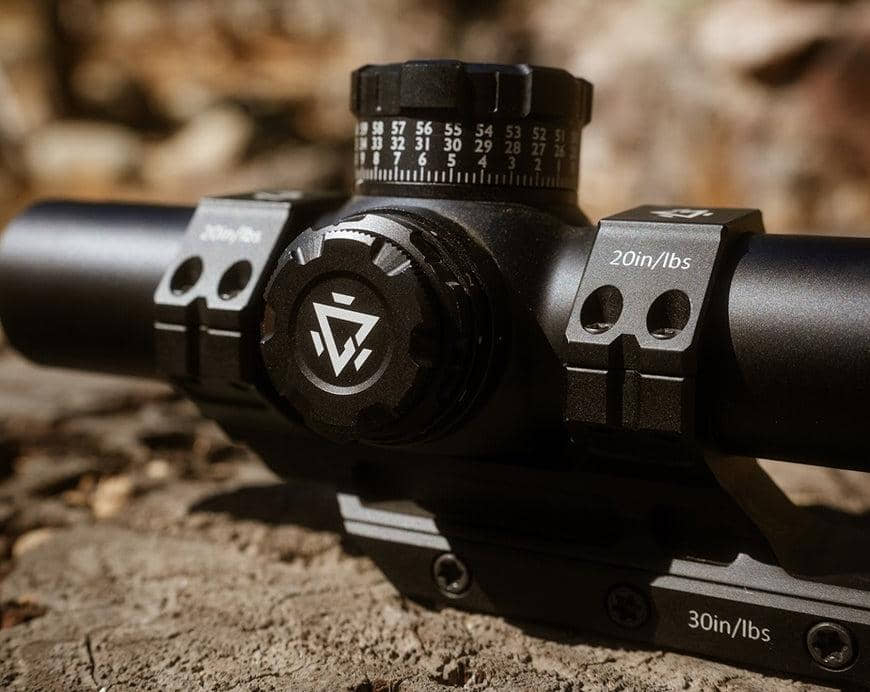
The “Shorty” trend is in full swing. Leading manufacturers are releasing 1-10x scopes that are under 9 inches long. By using shorter internal light paths and integrated mounting systems, these scopes reduce the “leverage” on your rifle, making the entire platform more balanced and less prone to snagging.
II. Innovation Spotlight: The Gunnr “Thor” & “Heimdall” Series
The most anticipated reveal of the 2026 SHOT Show (Booth #43563) is the full lineup of the Gunnr THOR Series. This series represents a “no-compromise” approach to mid-tier pricing for professional-grade glass.
- Thor ED LPVO (1-10×28): Features an enlarged 28mm objective lens. This extra surface area provides a significantly brighter image at 10x magnification compared to the industry-standard 24mm lenses.
- Heimdall HPVO (High Power Variable Optic): While LPVOs dominate the carbine world, the Heimdall series uses 7075-aluminum housings and Schott ED glass to bring elite-level long-range precision (6-24x) to hunters and PRS shooters.
III. Educational Deep-Dive: FFP vs. SFP in 2026
Choosing the right “plane” for your reticle is the most critical decision in 2026.
- First Focal Plane (FFP): The reticle grows and shrinks as you zoom. This is essential for 1-10x scopes because your holdovers (hash marks) are accurate at every magnification level.
- Second Focal Plane (SFP): The reticle stays the same size. This is often preferred for 1-6x “speed” scopes where you want a large, consistent red dot at 1x, and only plan on using holdovers at max zoom.
IV. LPVO vs. MPVO: Which Do You Need?
In 2026, many shooters are considering the MPVO (Mid-Power Variable Optic) as an alternative to the LPVO. Here is how they stack up:
| Feature | LPVO (Low Power) | MPVO (Mid Power) |
| Magnification | 1x to 6x/8x/10x | 2x/3x to 15x/18x |
| Primary Use | CQB to 500 Yards | 100 Yards to 1,000 Yards |
| Objective Lens | 24mm – 28mm (Slim) | 44mm – 56mm (Large) |
| Best For | AR-15 / Versatility | Bolt Action / DMR Roles |
The Future is Clear
The innovations of 2026 are focused on Information and Durability. Whether it’s the 7075-aluminum ruggedness of the Gunnr Heimdall or the extreme zoom versatility of the Thor LPVO, the goal is to give the shooter more data, faster, without adding bulk.
If you are looking to upgrade your rig this year, prioritize optics that use ED (Extra-Low Dispersion) glass—at high magnification, the difference in clarity isn’t just a luxury; it’s a requirement for success.