
In the world of precision shooting, we often obsess over glass clarity, reticle types, and “daylight bright” illumination. However, the most sophisticated LPVO for hunting in the world is only as effective as the safety protocols behind it.
As more shooters transition to the LPVO (Low Power Variable Optic) for its “do-it-all” versatility, a new set of safety considerations has emerged. Whether you are running a flagship Gunnr Odin or a dedicated tactical spotting scope LPVO scopes for sale, mastering these safety fundamentals is what separates the amateur from the professional marksman.
Table of Contents
1. The Physical Danger: Avoiding “Scope Bite”
One of the most common injuries at the range is “scope bite”—the painful result of the optic striking the shooter’s eyebrow during recoil.
- Proper Eye Relief: This is why setting your eye relief is a safety task, not just a comfort one. Always set your eye relief at the maximum magnification. Because the “eye box” shrinks as zoom increases, setting it at 1x often leads shooters to “crawl the stock” at 10x, placing their eye dangerously close to the lens.
- Consistency is Key: A consistent cheek weld ensures your eye stays at the manufacturer-recommended distance (usually 3.5 to 4 inches), providing a safety buffer for heavy-recoil calibers.
2. The Optical Safety Tool: Positive Identification (PID)
A high-quality rifle scope is, first and foremost, an information-gathering tool.
- Verify, Then Engage: Safety rule #4 is “Be sure of your target and what is beyond it.” The 1-6x or 1-10x range of an LPVO allows you to use magnification to positively identify (PID) a target before your finger ever touches the trigger.
- The Spotting Scope Advantage: When shooting at extreme distances, a tactical spotting scope is your best safety partner. It allows a spotter to scan the “left and right” of the impact zone for safety hazards—like wandering livestock or other hikers—that a shooter focused through a narrow rifle scope might miss.
3. Essential Safety Gear for the Modern Shooter
Precision shooting requires a layer of protection that goes beyond the optic itself.
| Gear Item | Why It Matters |
| Ballistic Eye Protection | Essential to protect against “splash back” from steel targets and gas blowback. Look for Z87+ ratings. |
| Electronic Hearing Protection | Allows you to hear range commands and ambient “nature” sounds while instantly muffling the dangerous decibels of a gunshot. |
| Scope Caps/Covers | Safety for your gear. Protecting the Schott ED glass from scratches ensures you don’t have visual artifacts that could lead to misidentification. |
| Quality Scope Mounts | A scope that shifts under recoil is a safety hazard. Using high-strength 7075 aluminum mounts (often included with Gunnr optics) ensures your zero stays true and your shots stay safe. |
4. LPVO-Specific Safety: Managing “Tunnel Vision”
The versatility of the LPVO can sometimes be a double-edged sword. At high magnification (8x-10x), your field of view is significantly narrowed.
- The 1x Scan: Before “zooming in” for a precision shot, always scan the environment at 1x with both eyes open. This ensures you have 360-degree situational awareness and that no one has entered your line of fire.
- The Magnification Reset: A professional habit is to reset your LPVO to 1x before moving or slinging your rifle. This ensures that if you need to take a sudden, reactive shot, you aren’t blinded by a “blur of brown” caused by being trapped at 10x magnification at close range.
5. Mechanical Safety: The Integrity of the Build
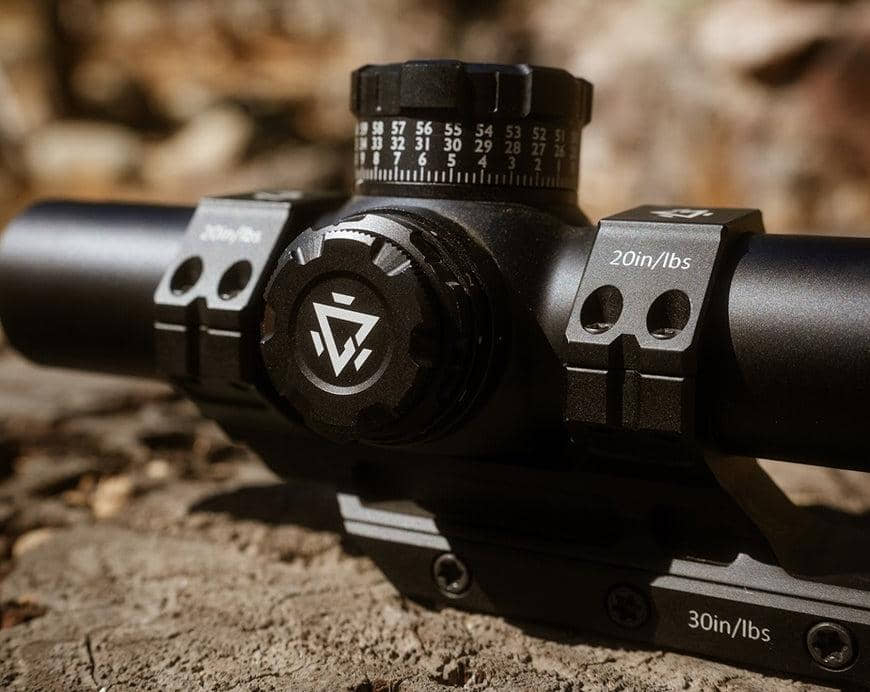
- Torque to Spec: Over-tightening your scope rings can crush the main tube, potentially freezing the magnification adjustment or even cracking the internal lenses. This makes the optic unpredictable—and an unpredictable optic is an unsafe one.
- Verify Your Zero: A rifle that isn’t zeroed is a liability. Regularly “checking your work” at the range ensures that the bullet goes exactly where the reticle says it will, preventing collateral damage in the field.
The Professional Standard
Safety isn’t a checklist you finish; it’s a mindset you maintain. By choosing high-visibility optics like the best tactical rifle scopes from Gunnr and pairing them with disciplined training, you ensure that every trip to the range is as safe as it is precise.
Mastering your eye relief, maintaining your situational awareness, and respecting the mechanical limits of your gear are the hallmarks of a truly elite shooter.