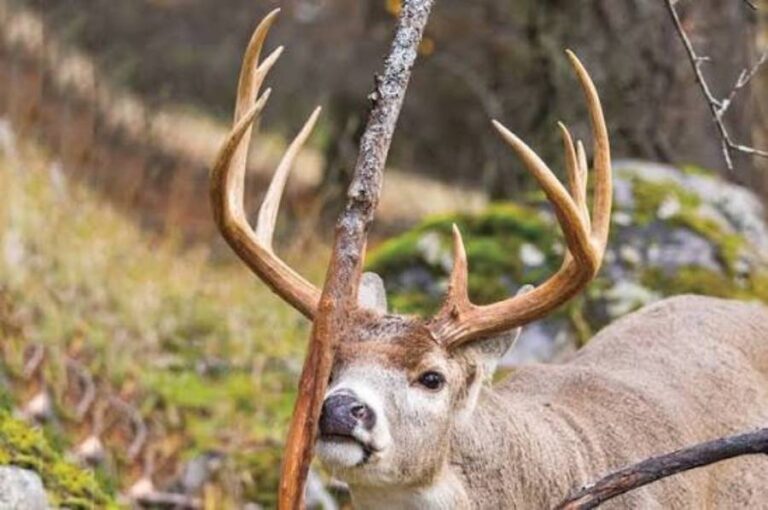
Why Do Bucks Stop Using Rubs? 7 Main Reasons
Bucks stop using rubs when changes in the rut, travel routes, food sources, bedding areas, hunting pressure, or home-range use alter where and how they move. A buck can also …

Bucks stop using rubs when changes in the rut, travel routes, food sources, bedding areas, hunting pressure, or home-range use alter where and how they move. A buck can also …
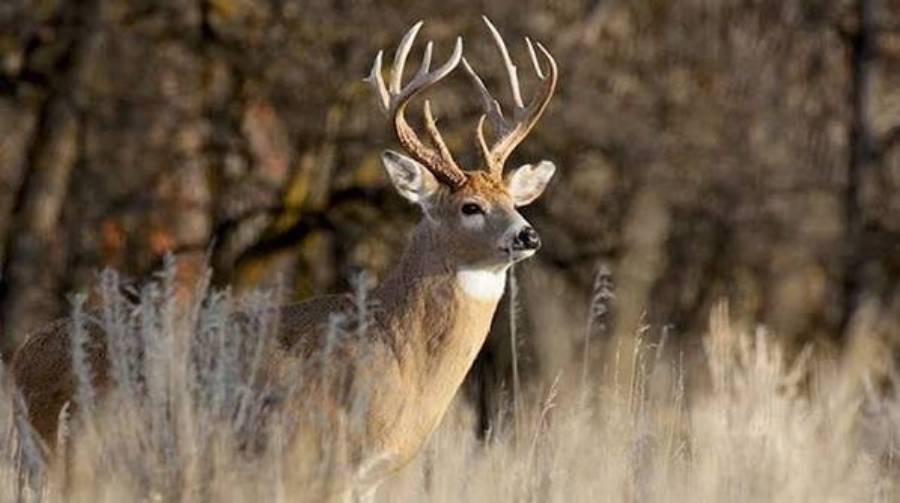
The best habitat improvements for deer hunting land increase usable food, secure bedding cover, water access, productive vegetation, and protected travel routes while reducing human disturbance. The most effective improvement …
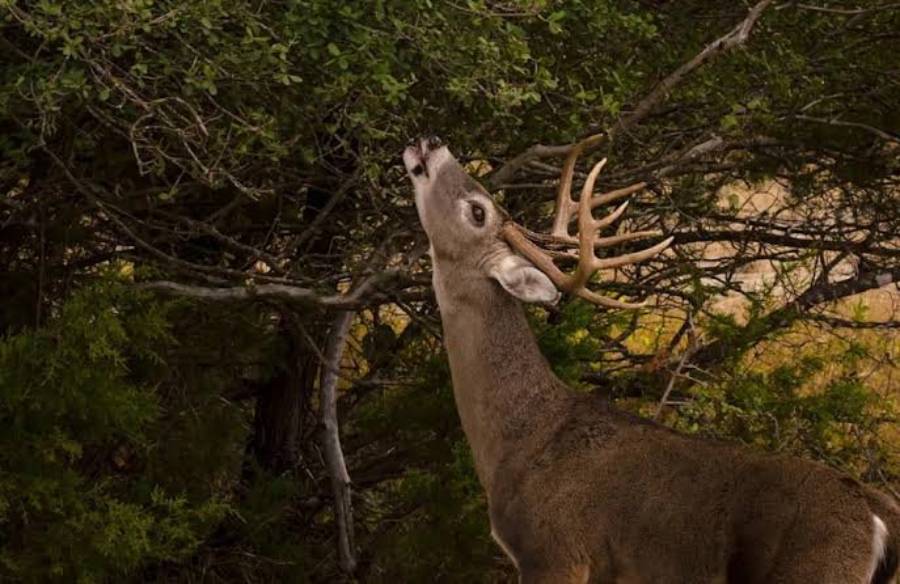
The best natural browse for whitetail deer includes greenbrier, blackberry, raspberry, dogwood, sumac, wild grape, honeysuckle, poison ivy, maple, and other tender woody or broadleaf vegetation available within a deer’s …
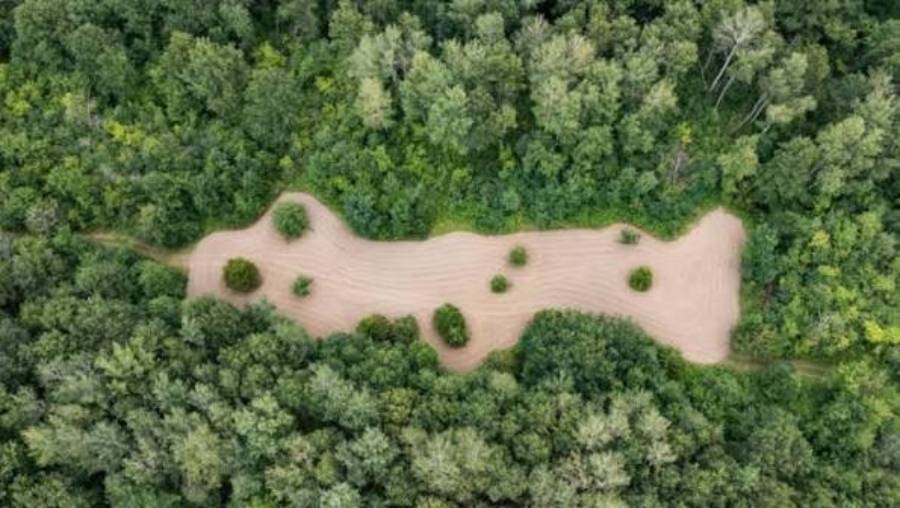
The best cover crops for deer food plots include clover, cereal rye, winter wheat, oats, brassicas, and chicory because these crops provide attractive forage during different parts of the year. …
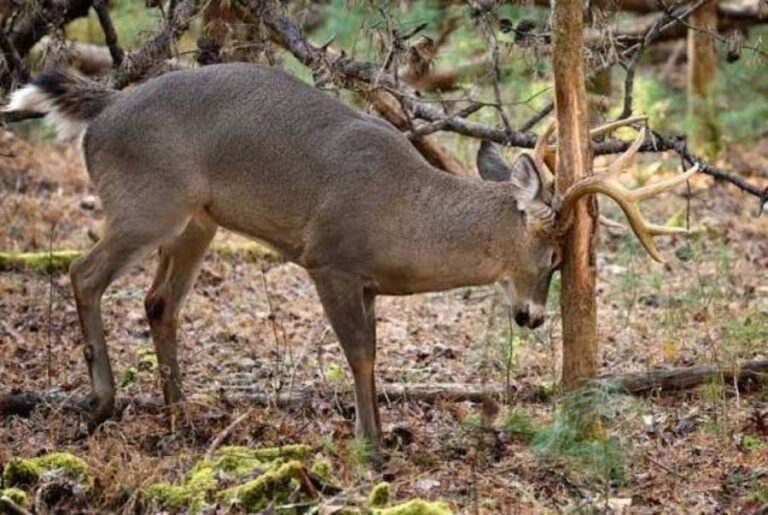
Bucks rub many tree species, but the best trees for deer rubs are typically smaller trees and saplings that provide a suitable trunk for antler rubbing and occur along areas …
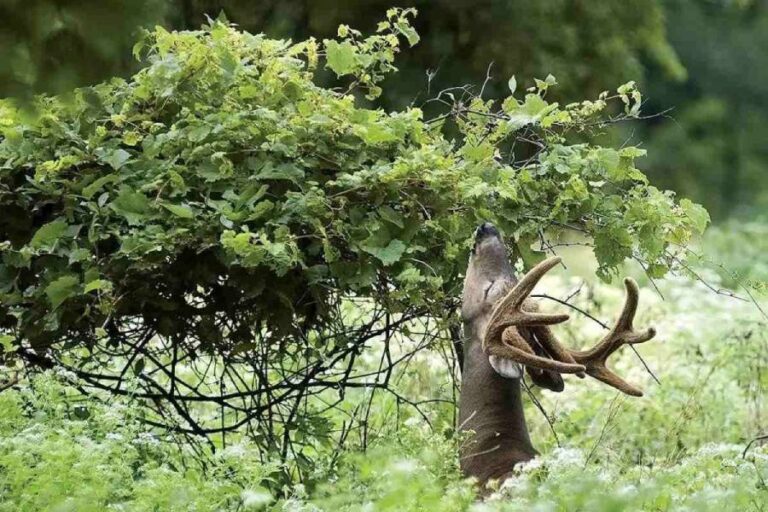
The best shrubs for whitetail deer provide browse, seasonal food, dense cover, or a combination of these three habitat benefits. American plum, elderberry, dogwood, hazelnut, blackberry, raspberry, serviceberry, and sumac …
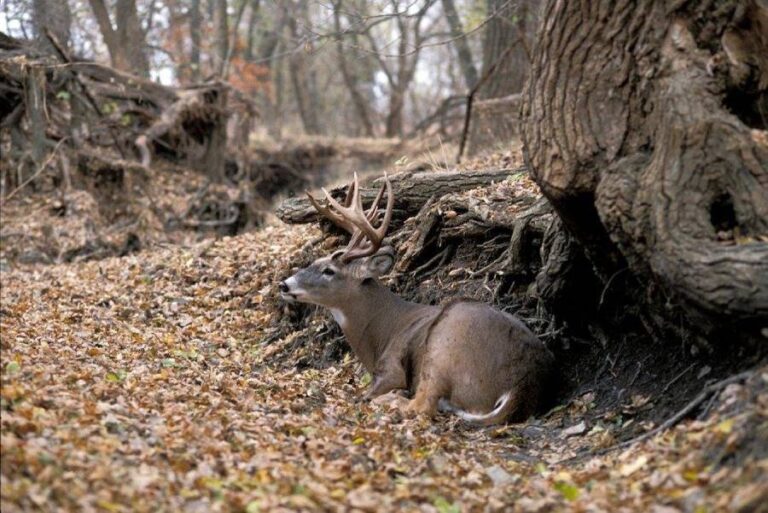
The best native grasses for deer bedding cover are switchgrass, big bluestem, Indiangrass, little bluestem, and eastern gamagrass. These grasses can create the height, density, and vertical structure whitetails need …
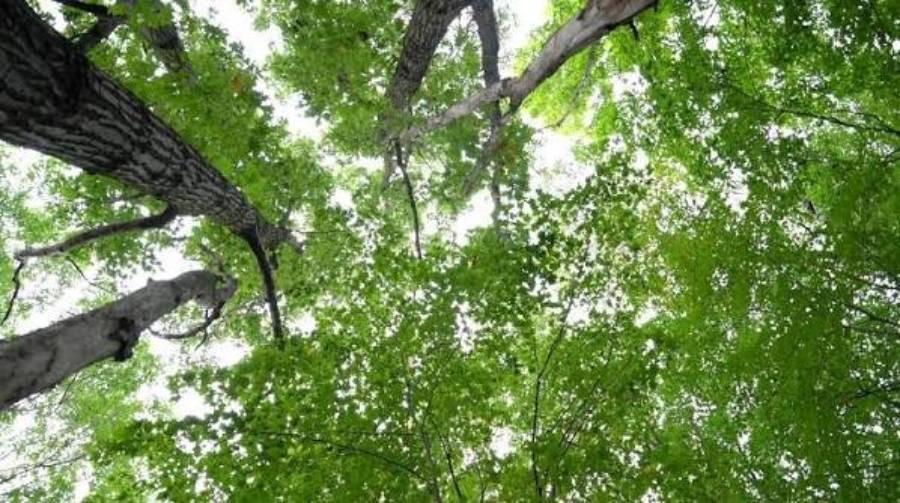
The best trees for deer habitat are white oak, red oak, chestnut, persimmon, apple, crabapple, pear, mulberry, plum, and pawpaw. These trees improve hunting land by providing hard mast, soft …
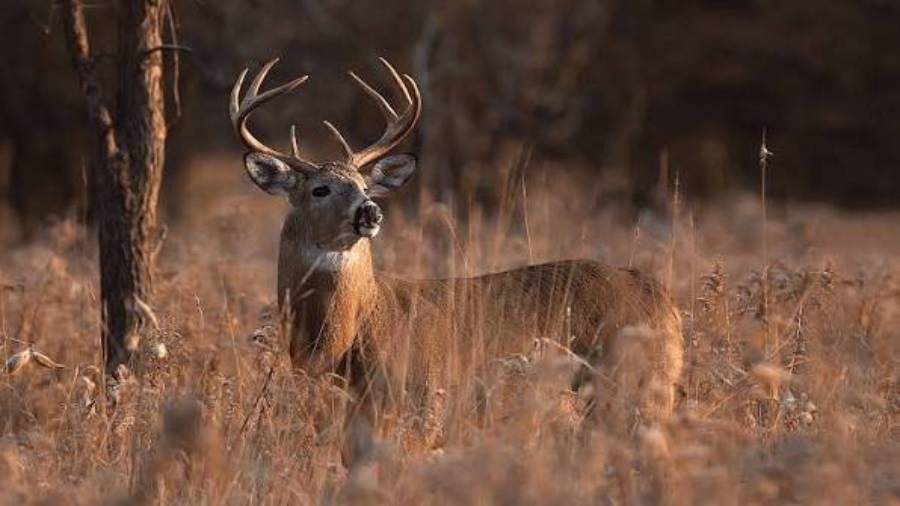
Using a thermal when deer hunting involves scanning likely deer habitat for heat signatures, identifying the animal, observing its movement, and using that information to make better hunting decisions. A …
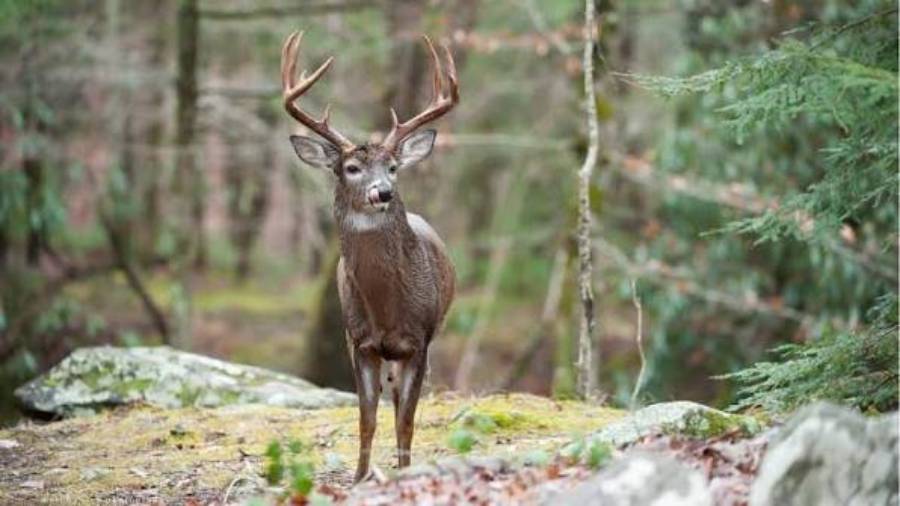
Hunting deer around mast crops starts with finding the food sources deer are actively using, not simply locating oak trees, acorns, or other mast-producing plants. Mast availability can influence where …
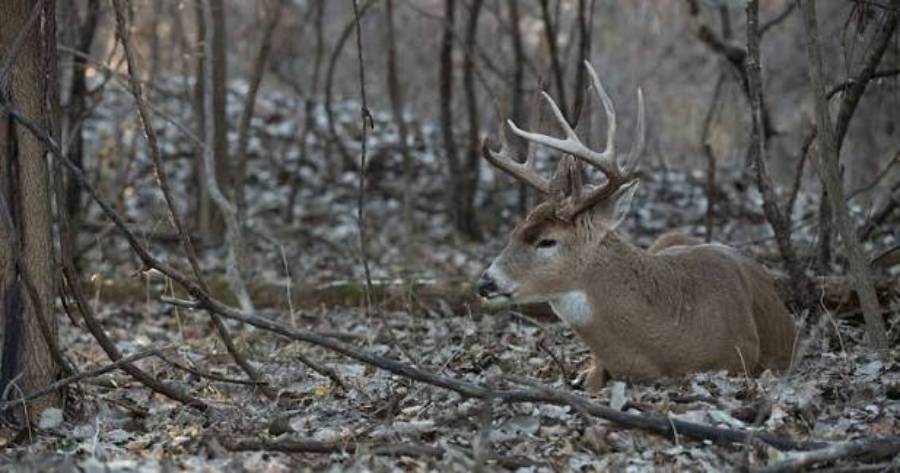
A community scrape is identified by repeated use from multiple deer, consistent activity at the licking branch, and its connection to established deer travel routes. Scrape size alone does not …
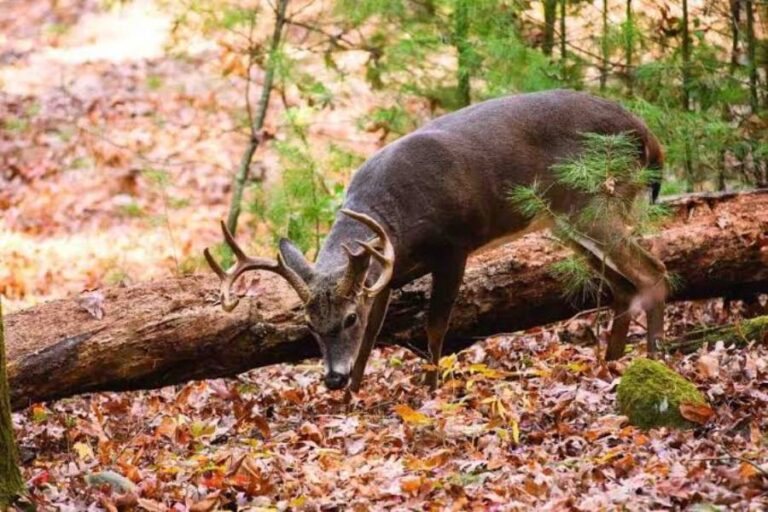
Buck staging areas are transition locations that bucks use between secure bedding cover and primary destinations, such as feeding areas. To find buck staging areas, identify likely bedding cover and …
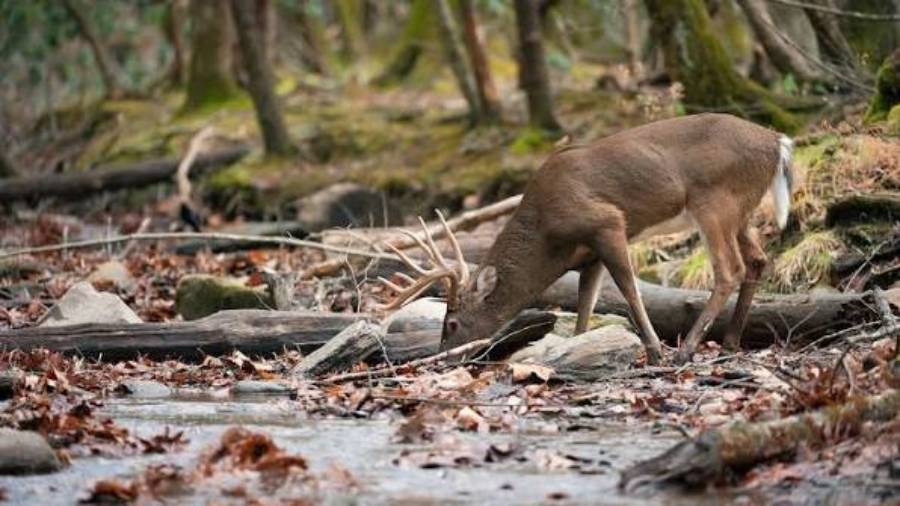
Hunting thermal hubs for deer starts with identifying terrain where multiple air currents interact and determining how those currents carry scent through areas deer use for bedding and travel. Thermal …
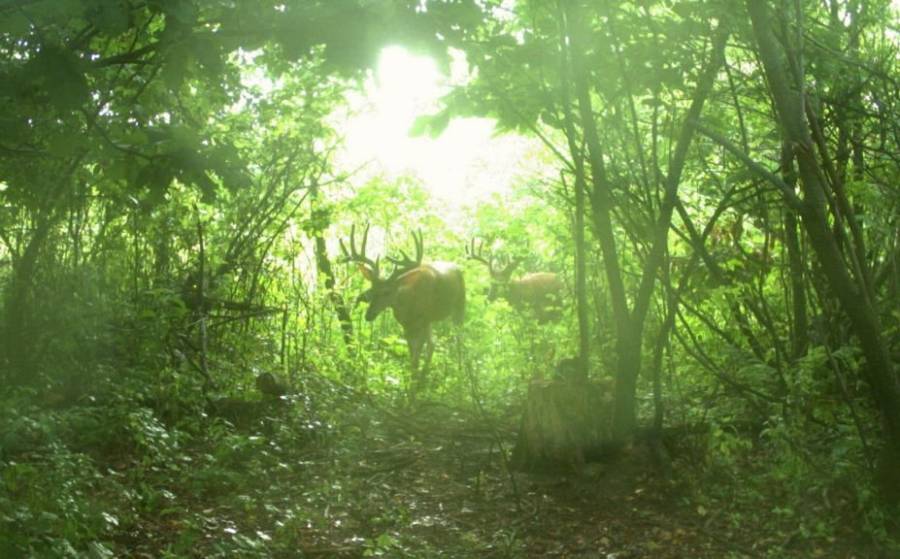
A deer travel corridor can be identified by looking for repeated deer sign along terrain that connects bedding areas, feeding areas, water sources, and other frequently used locations. The strongest …
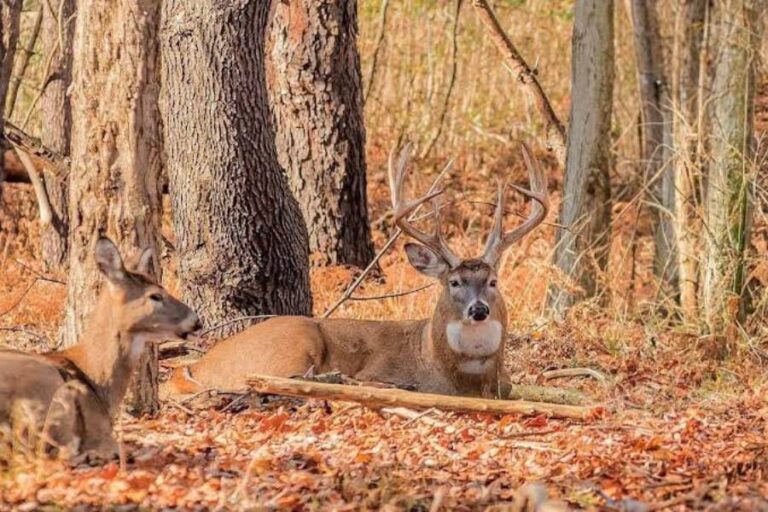
Deer bedding areas can be identified by 7 primary signs: visible ground depressions, flattened vegetation, deer hair, tracks, droppings, concentrated trails, and secure surrounding cover. A single track or pile …